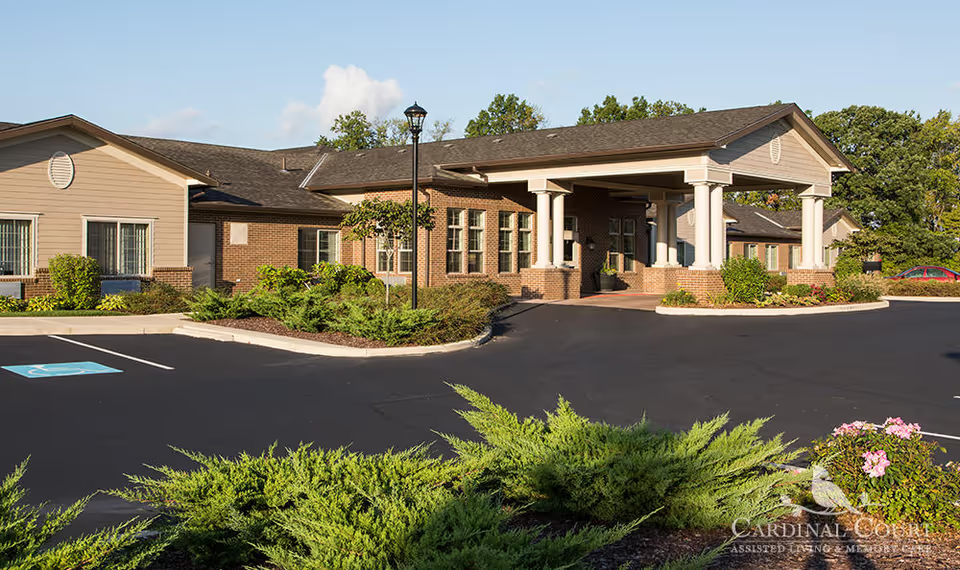
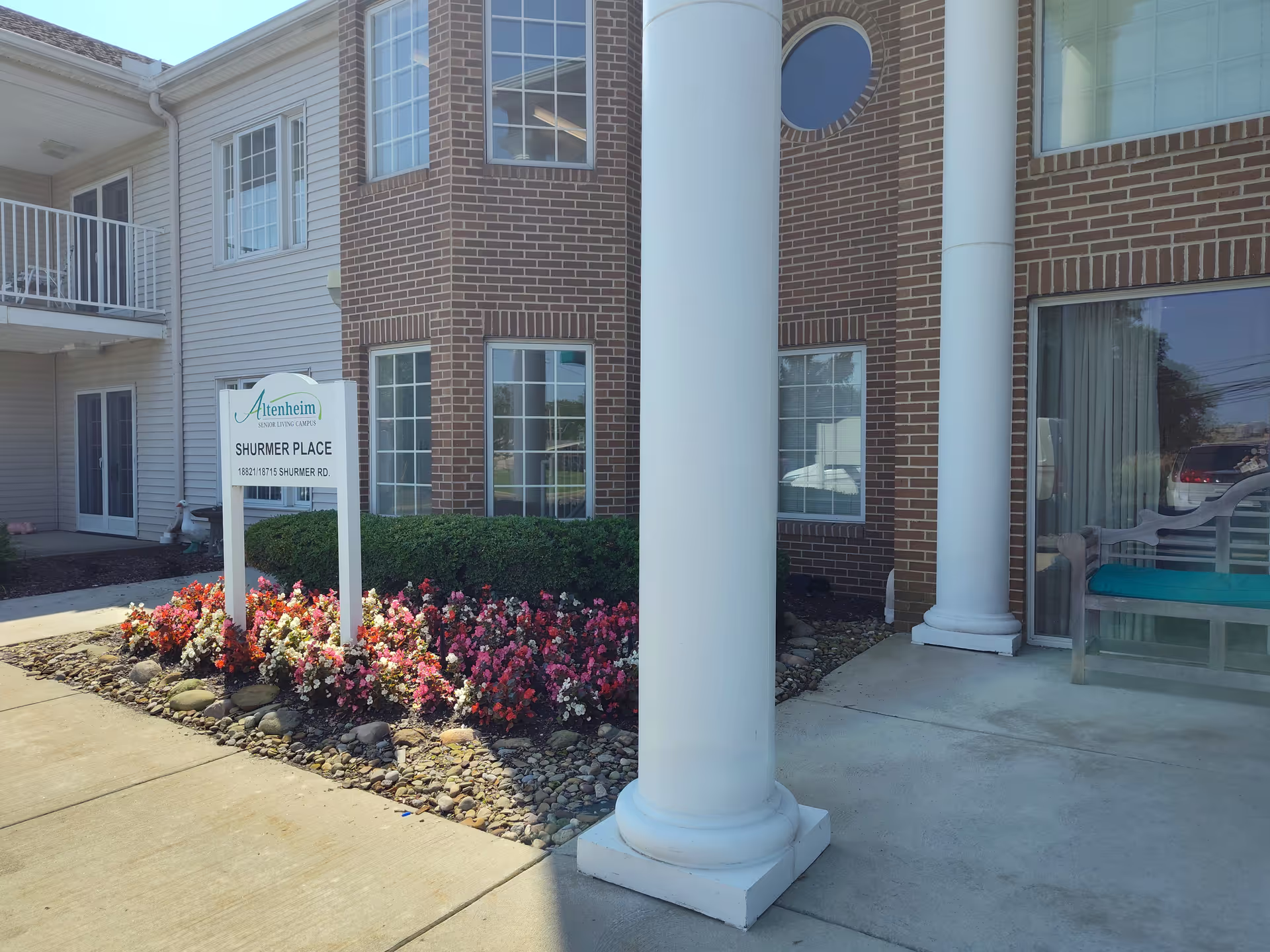
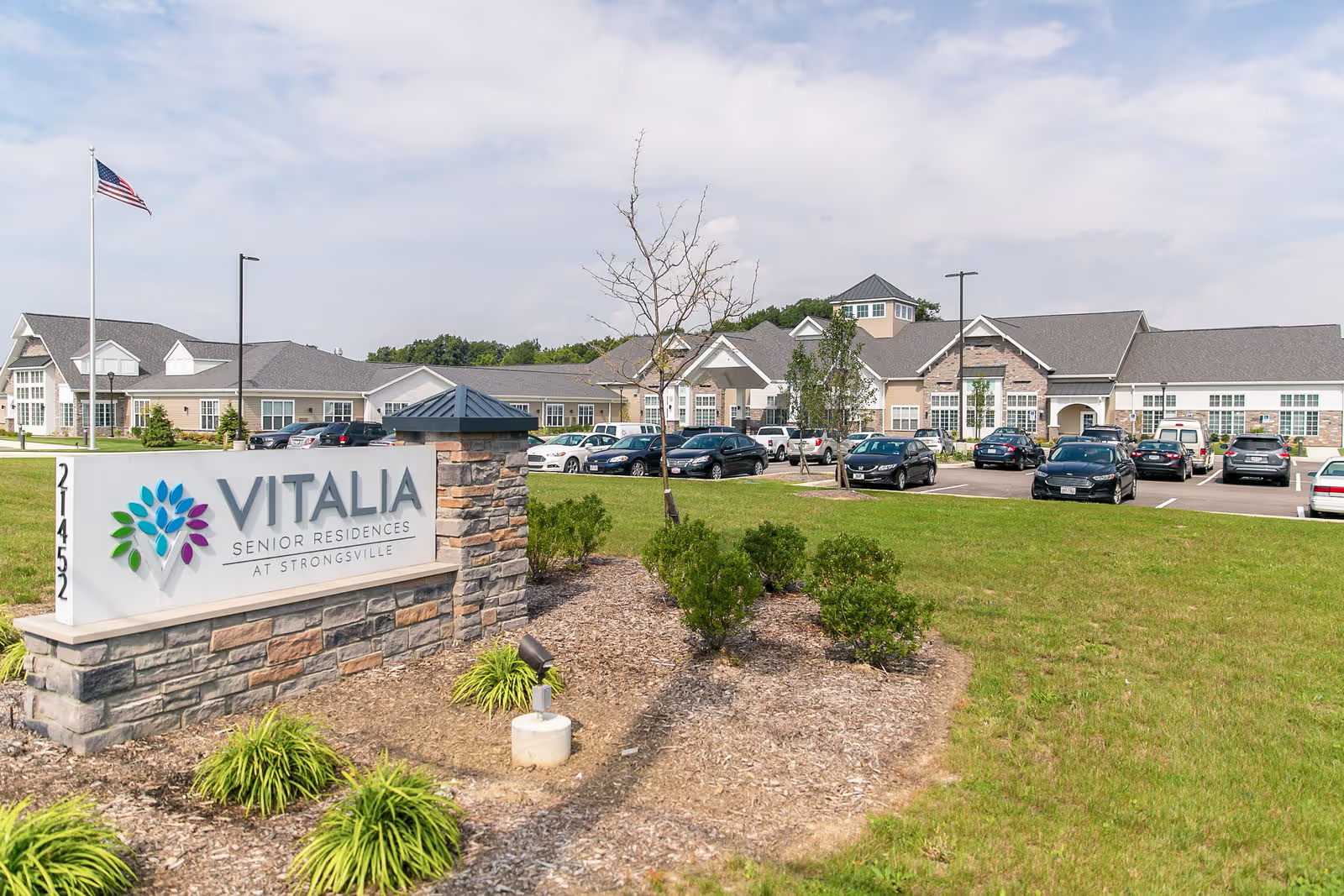
Overall impression: Reviewers describe a facility with clear strengths in resident-centered culture and social programming alongside recurring operational weaknesses. Many families emphasize compassionate, attentive caregivers, effective move-in support, and a welcoming communal atmosphere. The community offers a range of activities, on-site nursing and primary-care access, transportation services, and an aging-in-place model that can include hospice support — attributes that appeal to families seeking continuity of care and social engagement.
Care quality and clinical oversight: Care experiences vary considerably. Positive accounts note diligent medication monitoring, nurses and aides who follow physician orders, and staff who go above and beyond for individual residents. At the same time, there are repeated concerns about inadequate night and after-hours nurse coverage, frequent caregiver changes, and instances that point to weaknesses in medication-management and clinical-incident response. Reviewers have also raised concerns following a resident's death and about reliance on hospice care for complex needs; these items underscore the importance of clarifying clinical escalation protocols and consent practices with management before move-in.
Staffing and training: Strengths include many staff described as kind, patient, and detail-oriented. However, operational patterns indicate inconsistent staffing levels, high turnover, and reliance on nonpermanent caregivers. Several comments suggest that some direct-care aides lack formal certification or sufficient training, contributing to variability in care delivery and responsiveness. Prospective families should confirm nurse-to-resident ratios, night coverage, staff certification, and turnover rates during tours.
Dining and nutrition: Dining receives mixed feedback. Numerous reviews praise tasty, nutritious meals and a family-style dining fellowship that encourages socialization. Other reviews describe cold or poorly timed meals and variability in menu quality. Meal service continuity and temperature control appear to be inconsistent; clarifying meal schedules, plating practices, and accommodations for special diets is advisable.
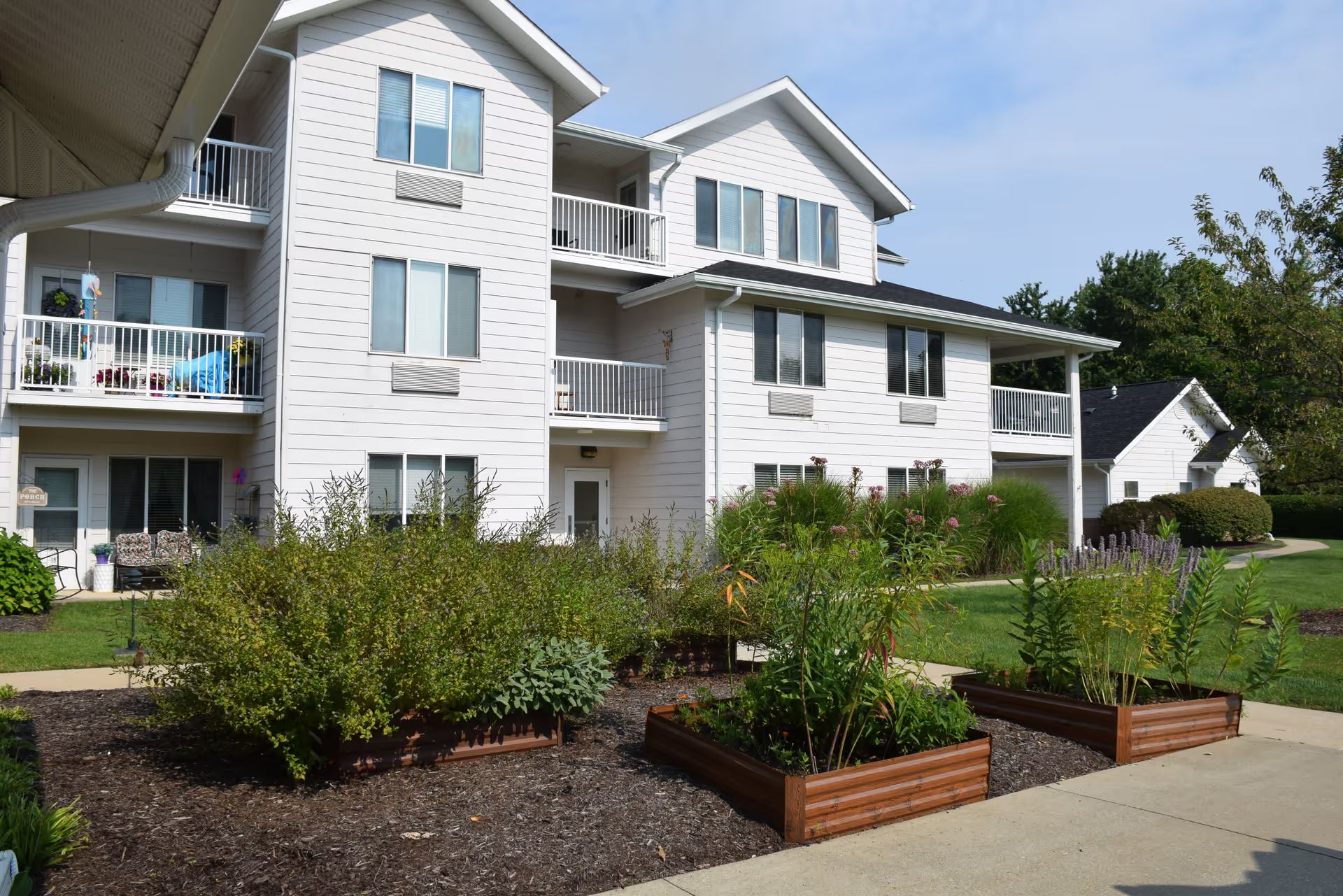
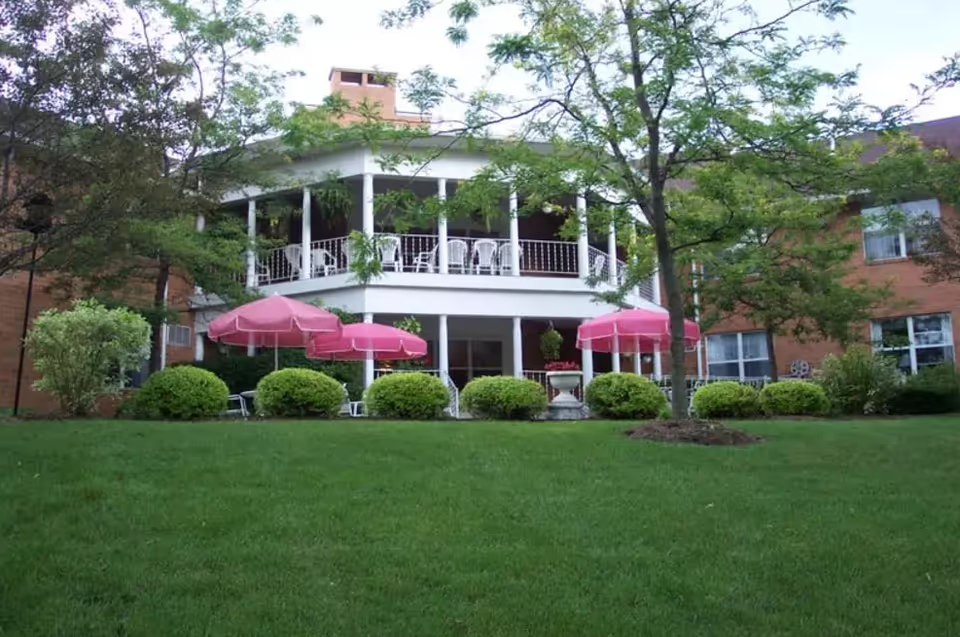
Activities and social environment: The facility is frequently described as engaging and social, with active programming, outings, bingo, and communal gathering spaces. The outdoor courtyard and grounds are positive features. Some reviewers note lower activity levels on weekends, so families whose loved ones require more consistent daytime engagement may want to review the weekend schedule.
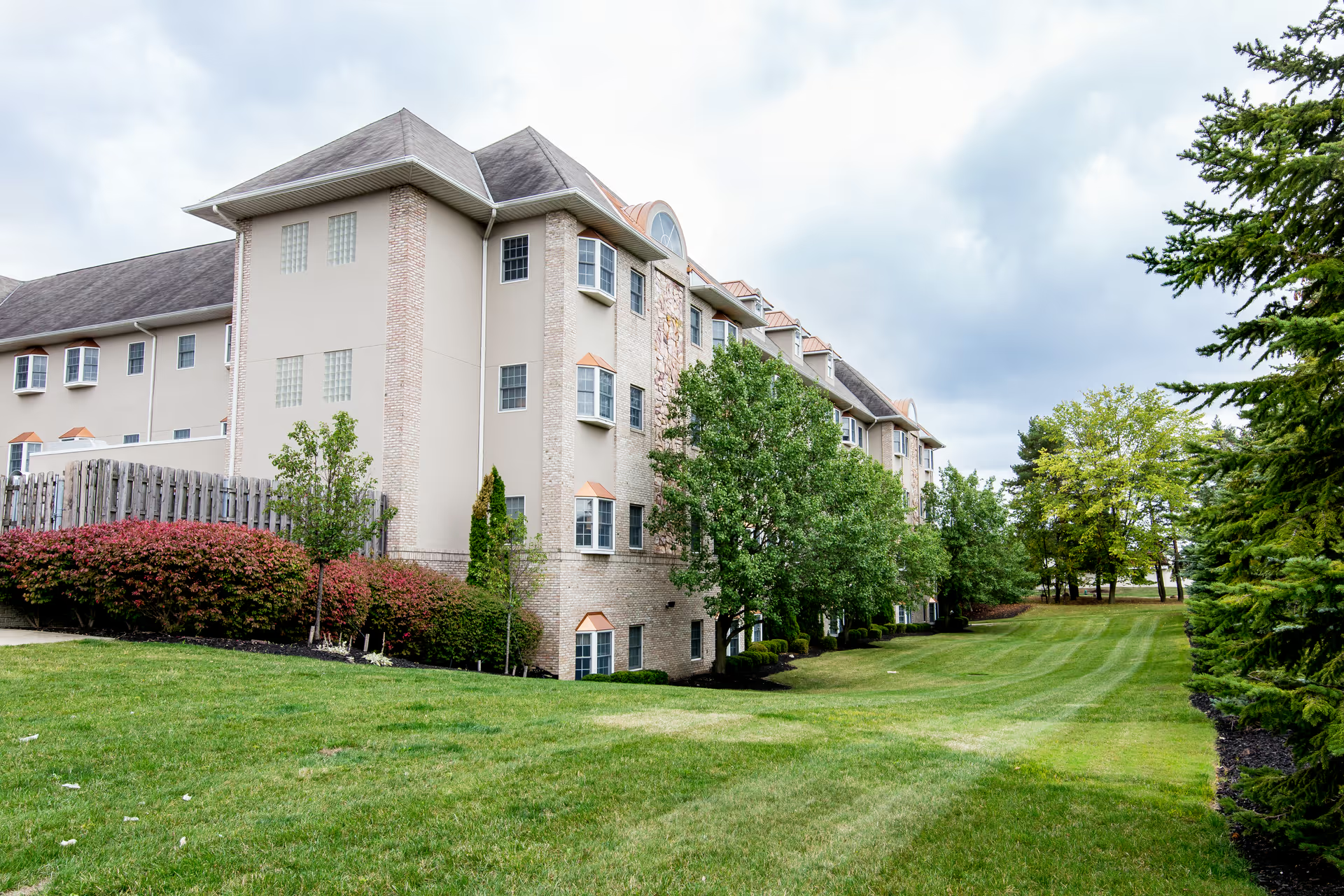
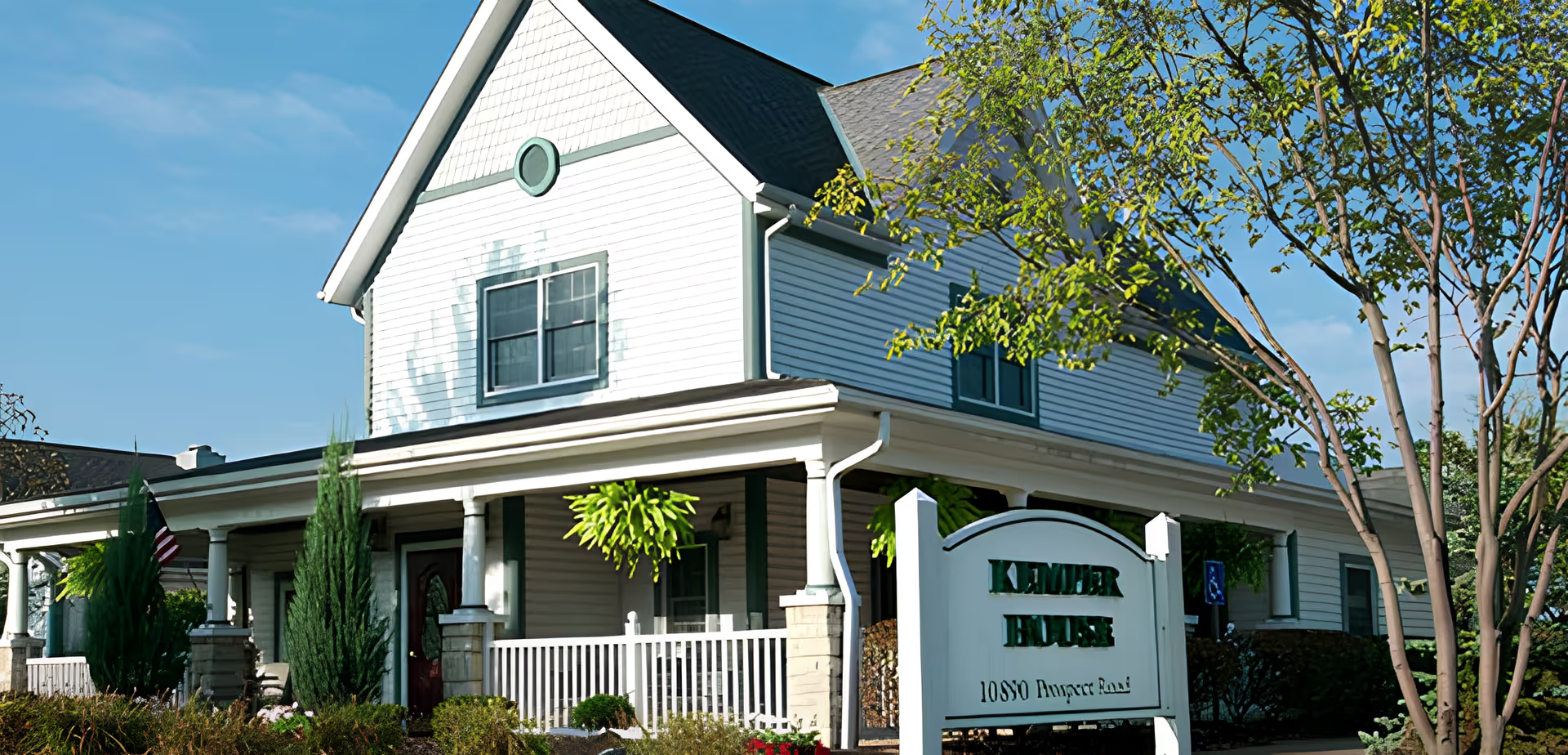
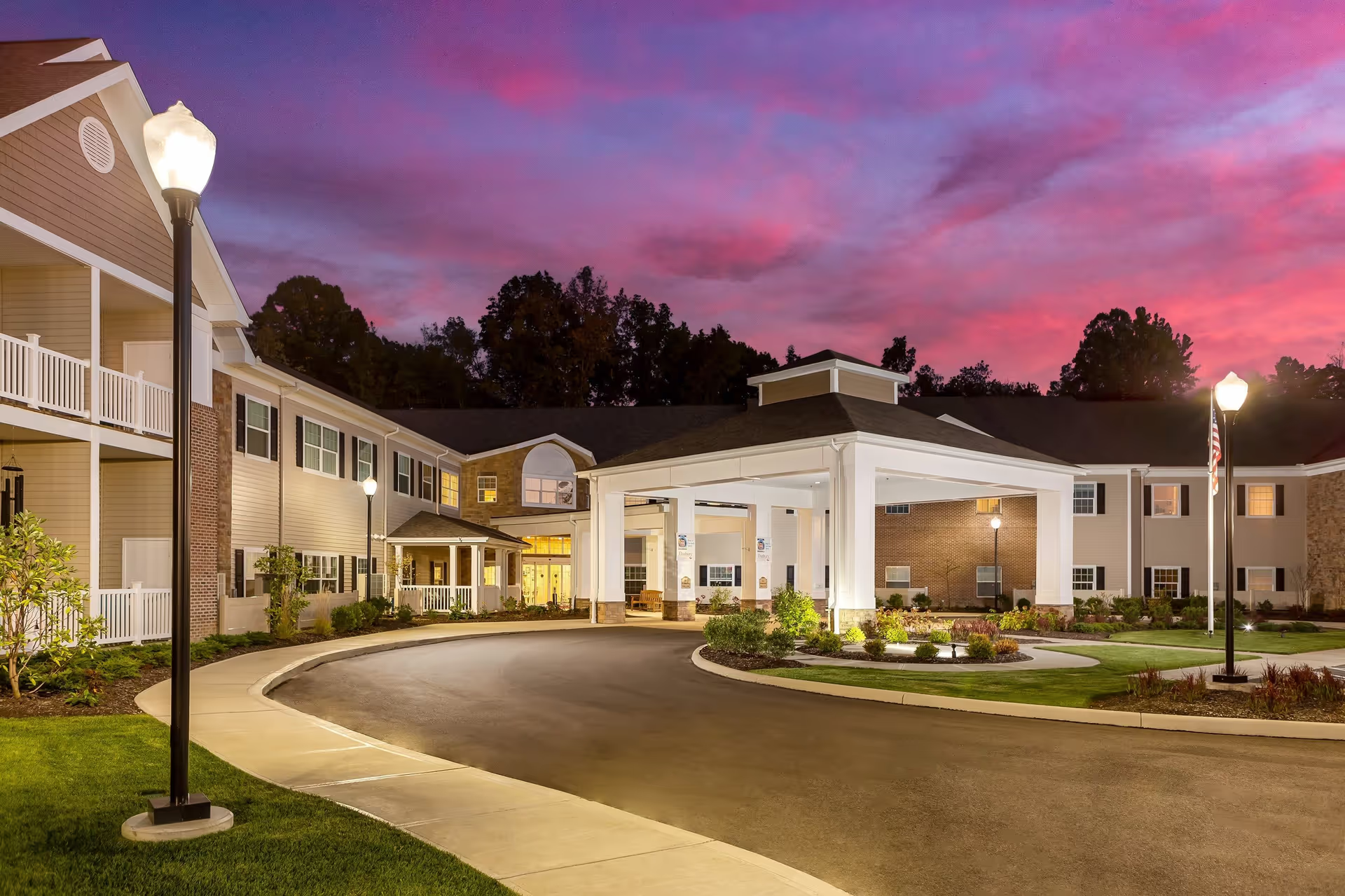
Facilities and housekeeping: Many reviewers praise a clean, home-like environment and well-kept common areas. Conversely, several accounts indicate inconsistent housekeeping and sanitation practices in private rooms and bathrooms, as well as occasional odor concerns and irregular linen/laundry handling. These inconsistencies suggest variability in environmental services that should be clarified (housekeeping frequency, laundry procedures, pest-control and odor management) before committing.
Management and communication: Management responsiveness is described in polar terms: some families report quick resolution of issues and supportive directors; others describe administrative lapses, unaddressed maintenance items, and frustrating communication breakdowns (including misdirected calls and delays in incident notifications). Price increases with little perceived improvement were also mentioned. Families are advised to ask about formal communication protocols, incident reporting, and price-change policies.
Safety and risk management: Several accounts indicate concerns about falls, wounds, and pressure-area management, suggesting potential weaknesses in transfer safety, fall-prevention protocols, and wound care follow-up. These clinical-safety patterns reinforce the need to review the facility's fall-prevention program, staff training in transfers, and wound-care escalation pathways.
Practical guidance for families: Experiences at this community span a broad spectrum. To evaluate fit, prospective residents and families should ask specific, operational questions: current staffing levels (including night coverage), staff training and certification, nurse oversight and medication-consent procedures, housekeeping and laundry schedules, meal-service practices, weekend activity rosters, clinical-incident reporting processes, and how hospice integration is handled. Families who value active social programming and a home-like environment may find many strengths here, but those whose loved ones require consistent clinical oversight or higher levels of hands-on care should verify clinical safeguards and staffing adequacy in person.