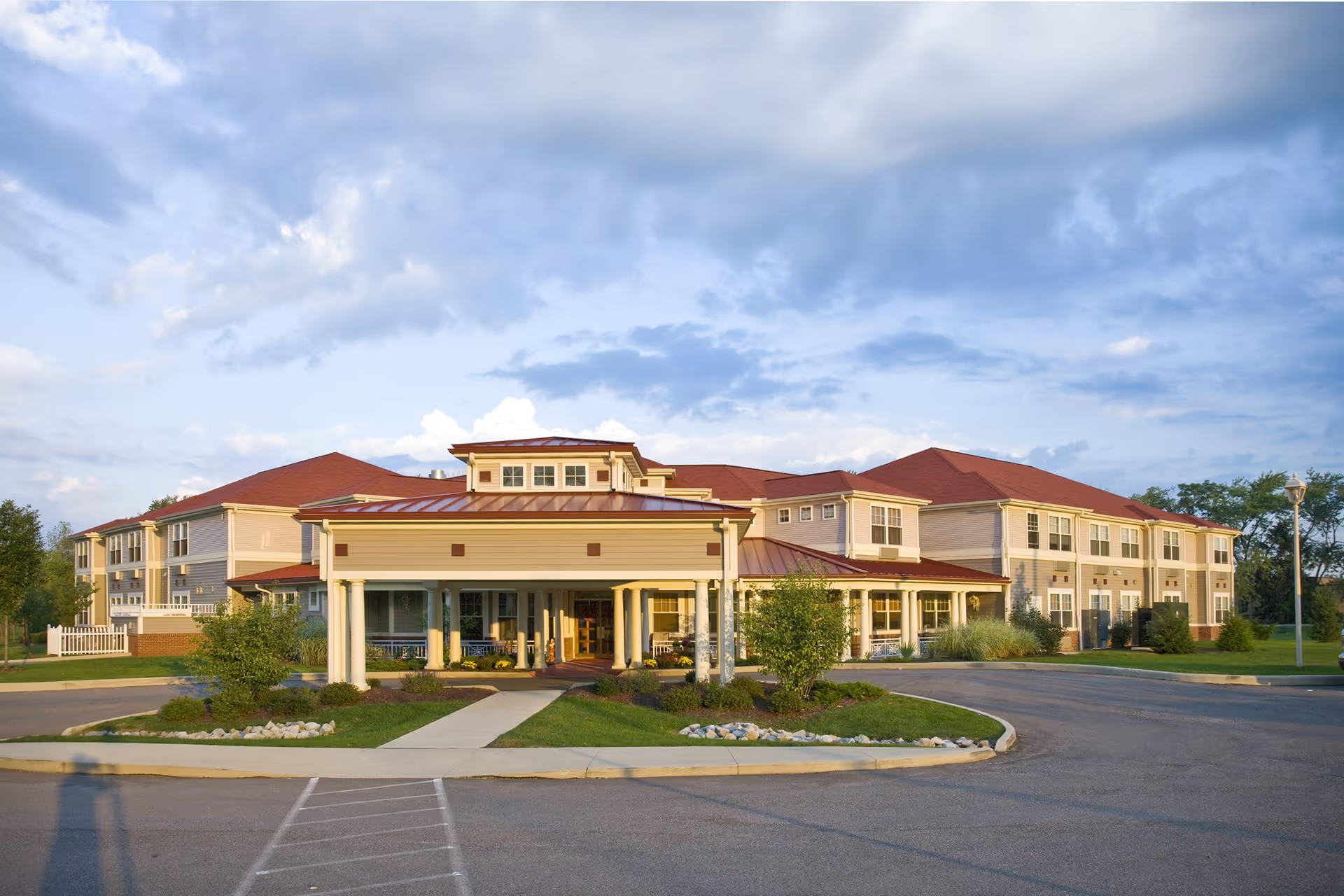
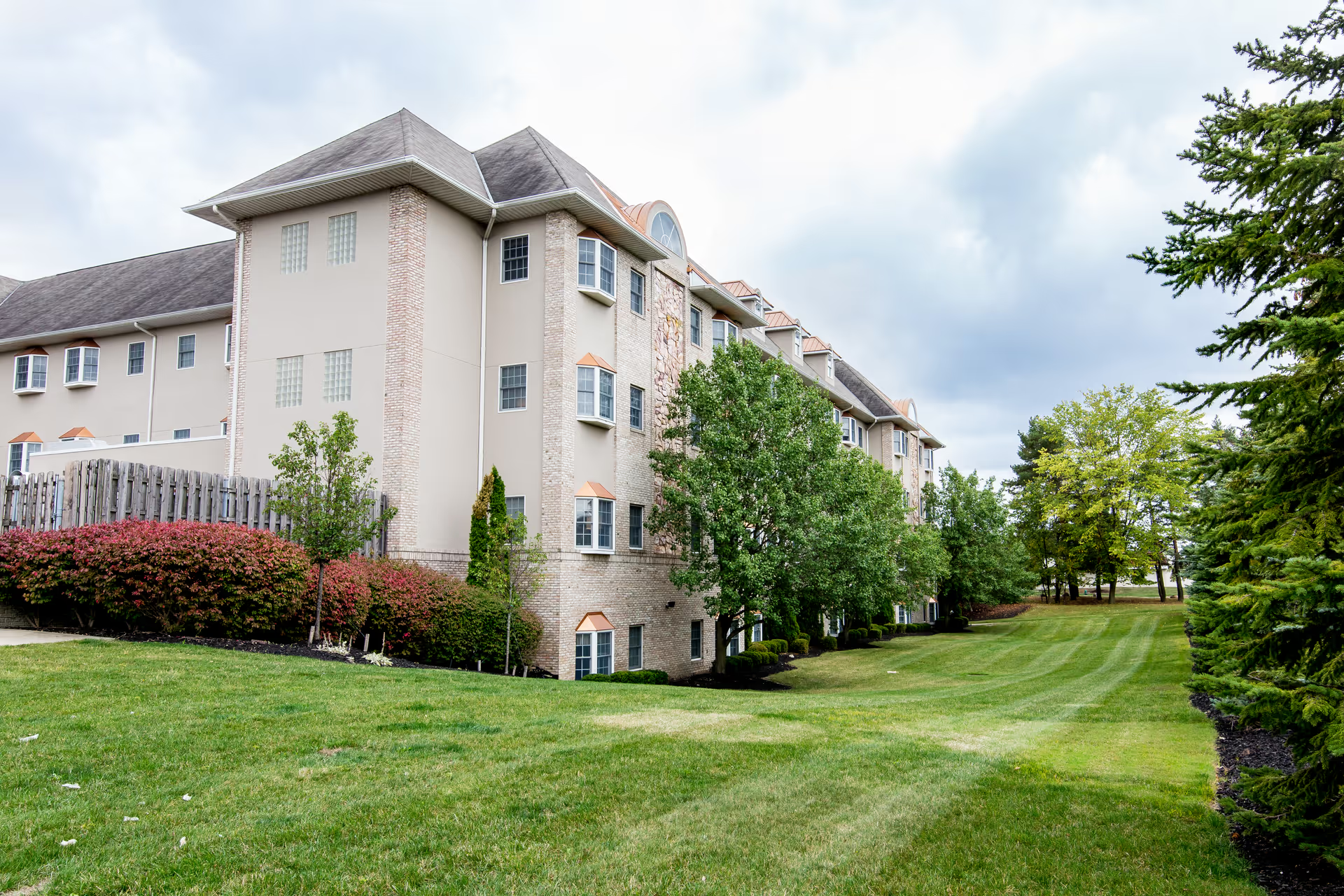
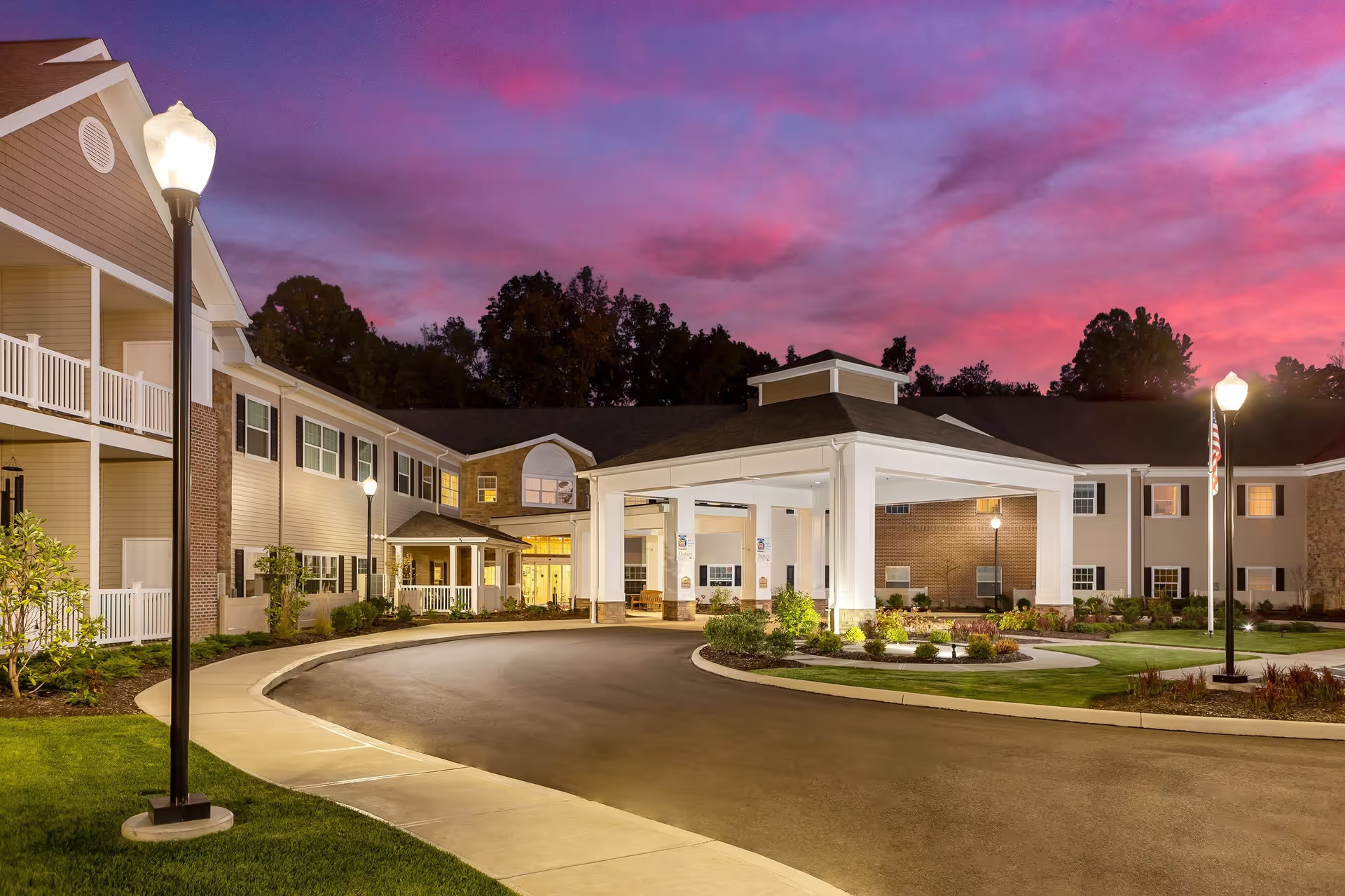
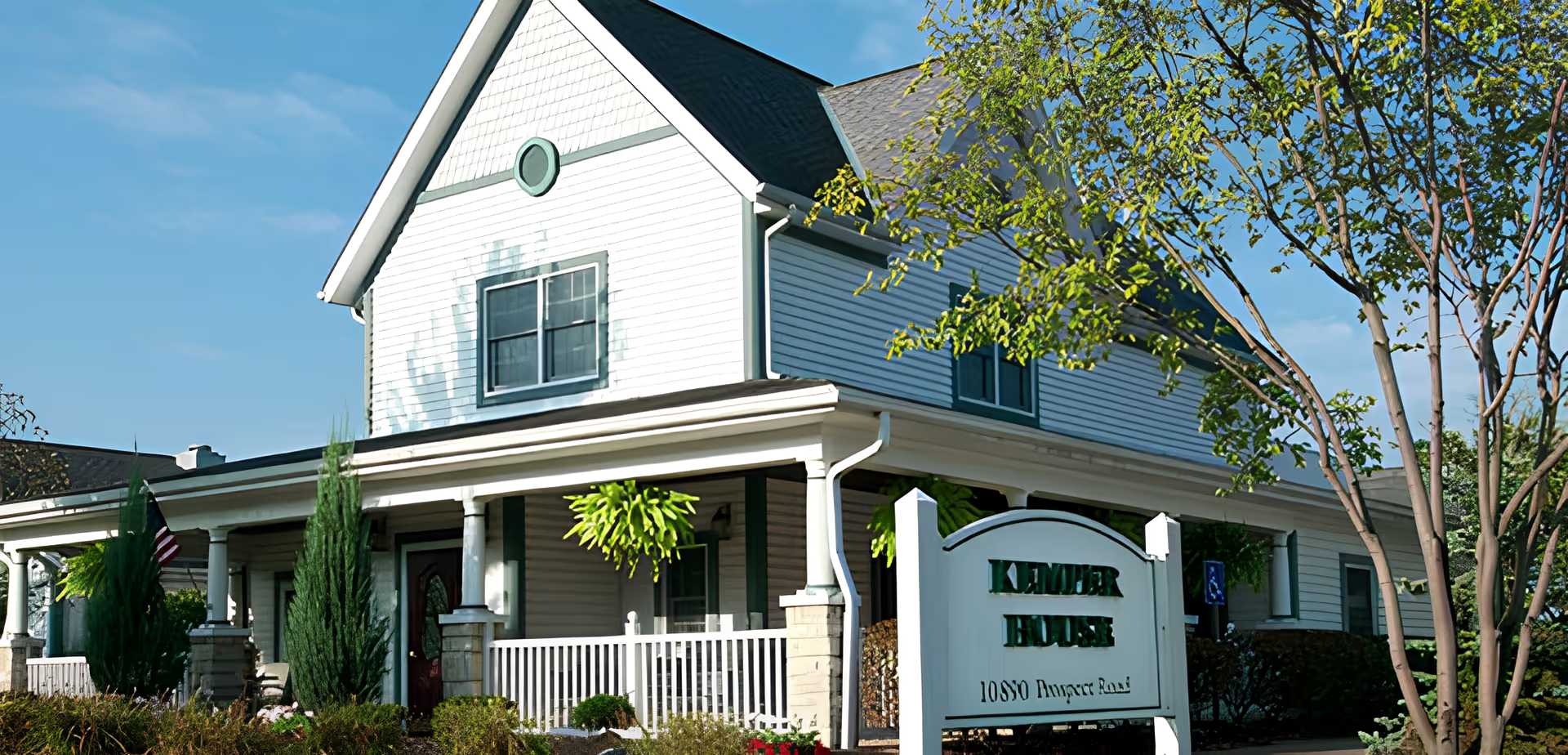
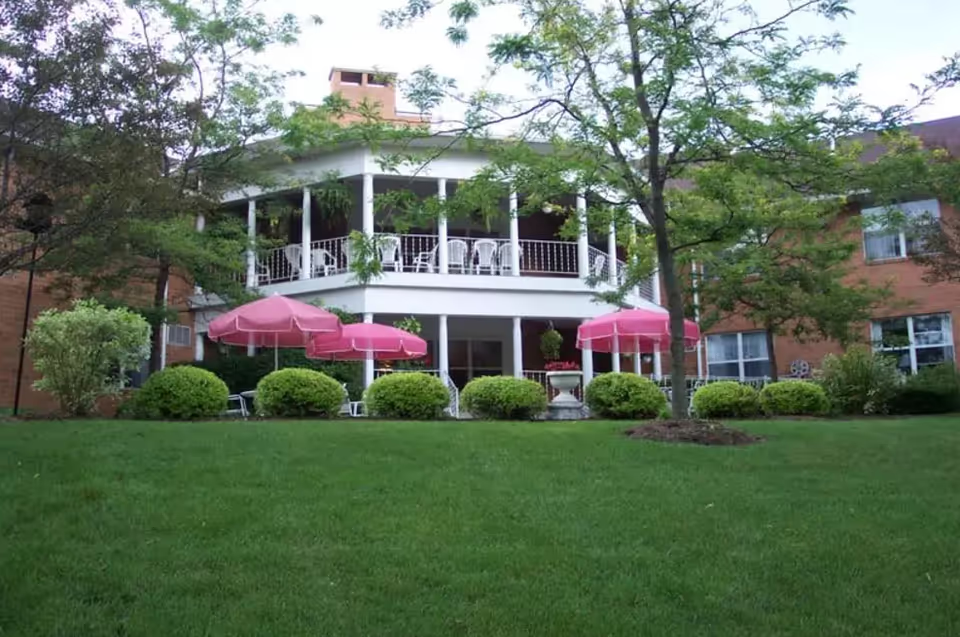
Overall impression: StoryPoint Strongsville presents as a well-appointed independent-living community with many strengths but also several recurring operational weaknesses. Reviewers consistently praise the appearance of the building and grounds, the size and social orientation of the central dining room, and a broad set of amenities that support socialization and activity. At the same time, patterns emerge around inconsistent service delivery in areas such as dining, housekeeping, staffing stability, and management communication.
Care and staff: Staff are frequently described as compassionate, personable, and attentive; many families credited front-line employees and specific team members with creating a welcoming, family-like atmosphere. However, staffing instability and periodic understaffing were also commonly cited, producing slower meal service, longer waits for assistance, and turnover in key kitchen and care roles. There are isolated but consequential concerns about responsiveness to medical needs and gaps in clinical support; the community functions as independent living rather than higher-acuity care, and families should plan accordingly if increased clinical oversight is needed.
Dining and housekeeping: Dining is a focal point of the community experience — the facility offers restaurant-style service with multiple entrees and desserts and a social dining environment. Initial food quality and chef engagement received positive mention, but many accounts describe a decline over time: repetitive menus, limited nutritional variety, lukewarm or inconsistently timed meals, and service delays linked to staffing. Meal-related policies (for example, charges for missed meals) and frequent chef turnover were additional concerns. Housekeeping services are included, but frequency and thoroughness appear variable; several reviewers noted reductions in routine dusting/vacuuming, missed apartment-level tasks, and uneven cleaning of some common-area furnishings.
Activities and amenities: The community offers a broad activities roster and onsite amenities — bingo, card games, craft programs, exercise classes, pool table, library, salon, chapel, and scheduled outings were all described. For many residents these offerings support social engagement and reduce isolation. A contrasting pattern is that some residents and families find the activity mix repetitive or under-resourced, and activity staffing levels sometimes limit program variety or frequency.
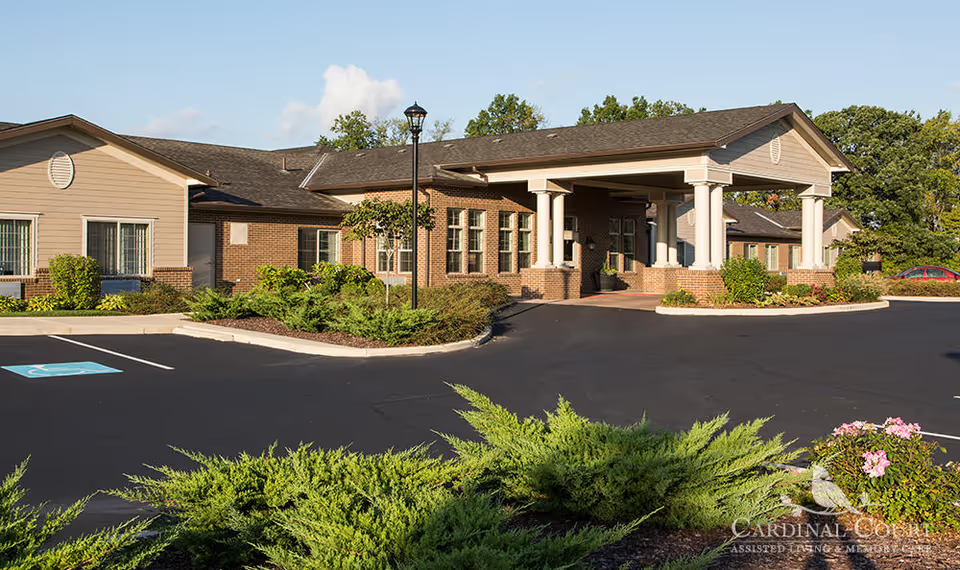
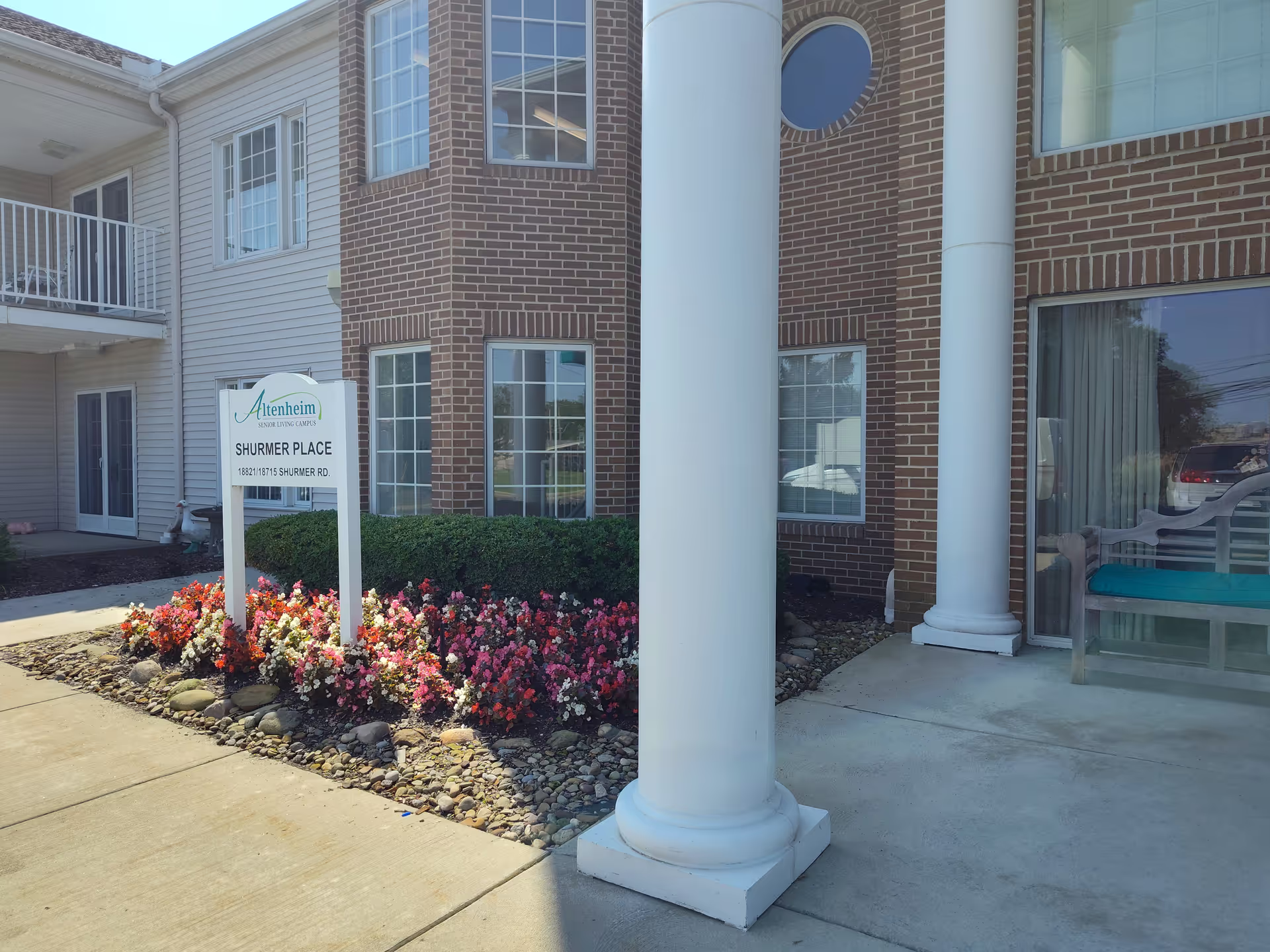
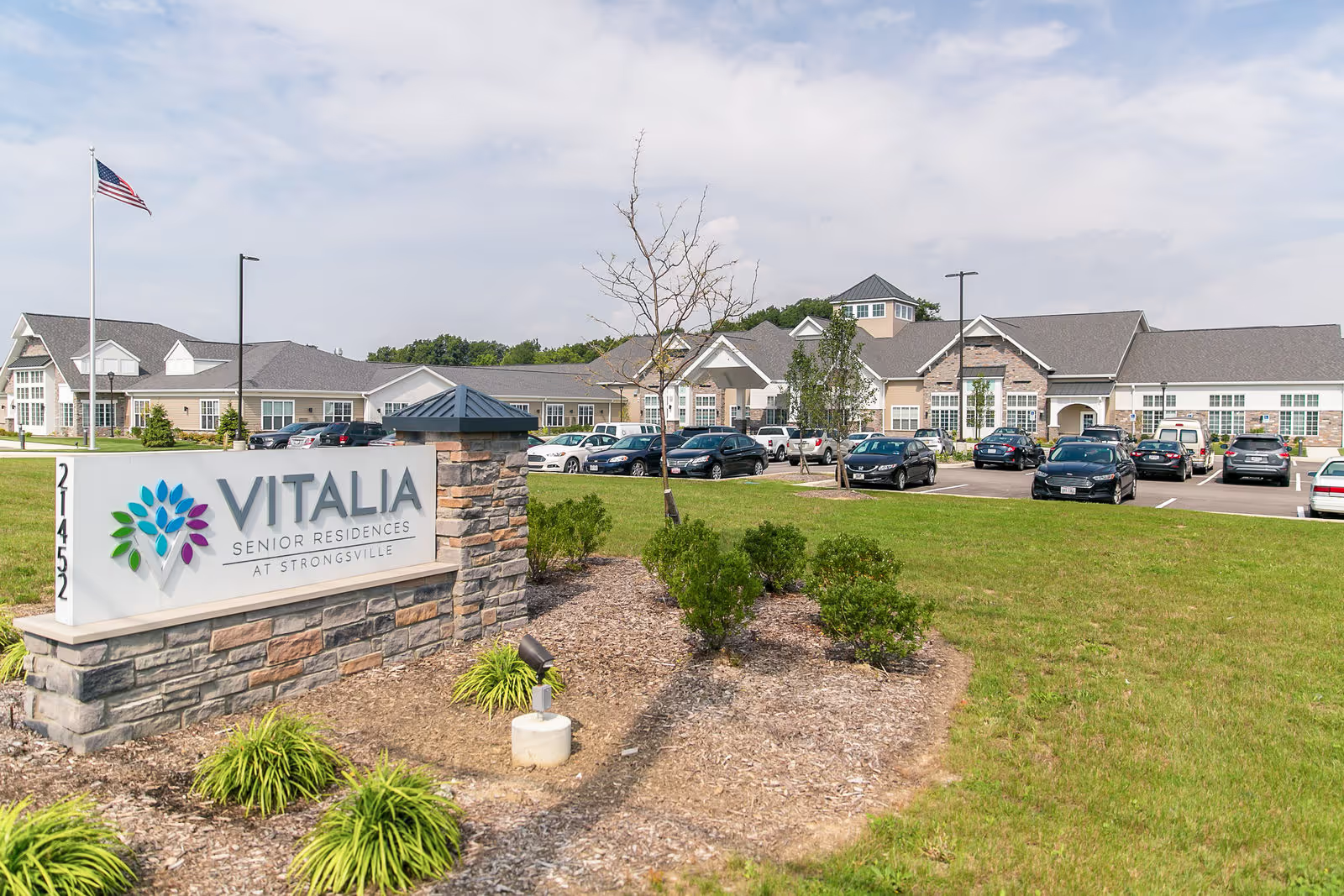
Facilities and maintenance: Physical plant feedback is largely positive: reviewers highlighted clean, modern common spaces, wooded outdoor areas, indoor walking space, and well-landscaped grounds. At the unit level, comments varied: some units are described as roomy with good layouts, while others were noted as small with limited storage; carpeting and some furnishings show wear in places. Renovation projects and maintenance delays (including functional equipment out of service for extended periods) have caused inconvenience for some residents.
Management, operations, and policies: Management impressions are mixed. Several families praised specific managers and admissions staff for responsiveness and clarity, but others described inconsistent communication, perceived overselling of services (notably transportation), billing or fee transparency errors, and management turnover that contributed to confusion. Transportation services are provided on a schedule for shopping and medical appointments, but destination and pickup limitations were cited; prospective residents should verify routes and pickup policies. Privacy concerns were raised in a few instances relating to apartment access procedures and in-unit camera use, indicating a need to confirm access protocols and notification practices.
Who this fits and next steps: StoryPoint Strongsville appears well suited for independent-living seekers who prioritize an active social setting, onsite amenities, and a community-oriented dining experience. Prospective residents and families should, however, confirm operational details during tours: current dining menus and service patterns, housekeeping frequency and scope, staffing ratios and turnover trends, transportation schedules and destinations, maintenance responsiveness, billing policies, and apartment storage/condition. Those with escalating clinical needs should verify the availability of appropriate medical or assisted-care options nearby or within affiliated services.
Bottom line: The facility offers many hallmarks of a strong independent-living community — attractive facilities, engaged staff members, and a robust activity program — but prospective residents should perform focused due diligence on dining consistency, housekeeping reliability, transportation limits, and management stability before committing.