Danbury Brunswick elicits a notably mixed but clear pattern: many families describe a modern, well-appointed community with engaged caregivers and a broad slate of services, while operational shortcomings—most often staffing and communication—are the recurring source of concern.
Care and clinical oversight: Reviewers frequently praise the nursing leadership, on-site physician presence, and the availability of comprehensive rehabilitation therapies (OT/PT/speech). Several families credited specific clinical staff with attentive, individualized care and effective end-of-life support. At the same time, reviews indicate variability in day-to-day caregiving: inconsistent staffing levels and shift coverage were linked to delayed assistance, missed or inconsistent clinical checks, and gaps in medication and monitoring processes. Memory care is described as having a secure, well-designed environment, but there are notes about intermittent leadership vacancies and the need for active family advocacy to ensure continuity of clinical attention.
Staff and culture: Staff are widely characterized as warm, compassionate, and skilled by many respondents; multiple staff members and leaders received named praise for professionalism and follow-through. However, patterns of staff turnover, occasional team-cohesion problems, and some conduct-related concerns (for example, inconsistent privacy practices and interruptions of resident routines) were also raised. These operational traits appear to create variable resident experiences depending on timing and staffing mix.
Dining and nutrition: Dining is one of the facility’s primary strengths for many families — a trained chef, varied menus, and attractive dining venues are common positives. Conversely, other reviewers described inconsistent meal-service execution: meal shortages, variability in meal temperature and quality, nutrition management issues (preferences for lower-sugar options, fruit availability), and service sequencing that did not always align with resident needs. These points suggest that culinary capability is high but operational consistency during service is uneven.
Activities and amenities: The community offers an extensive activity calendar and multiple on-site amenities (pub, theater, bistro, salon, spa, fitness equipment), and many residents report improved social engagement and quality of life as a result. Accessibility to programming is generally good, but there are notes about variability in who participates and whether certain outings or events carry extra charges. Families valuing an active, social environment will likely find ample opportunities, though they should confirm cost and access details for specific programs.
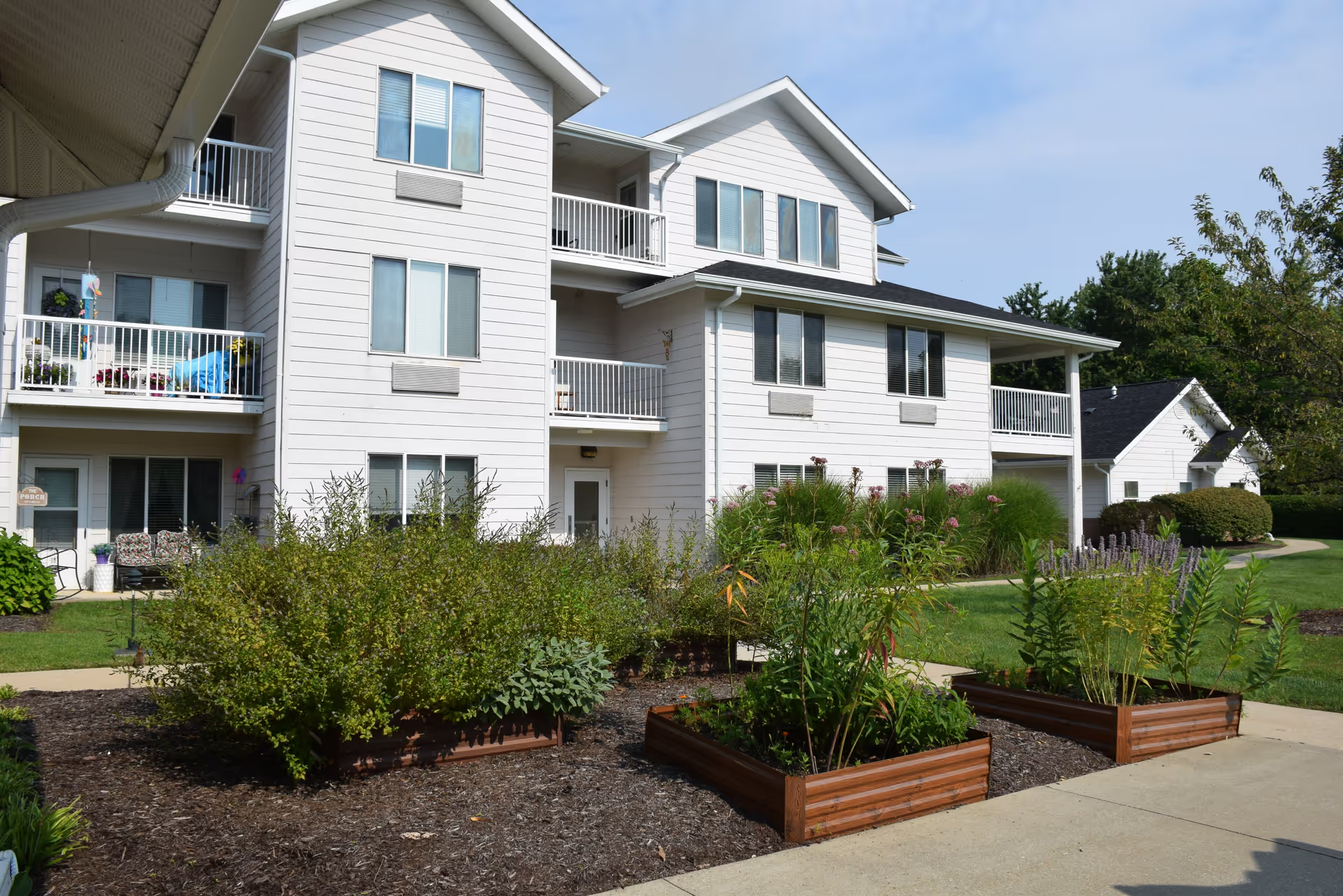
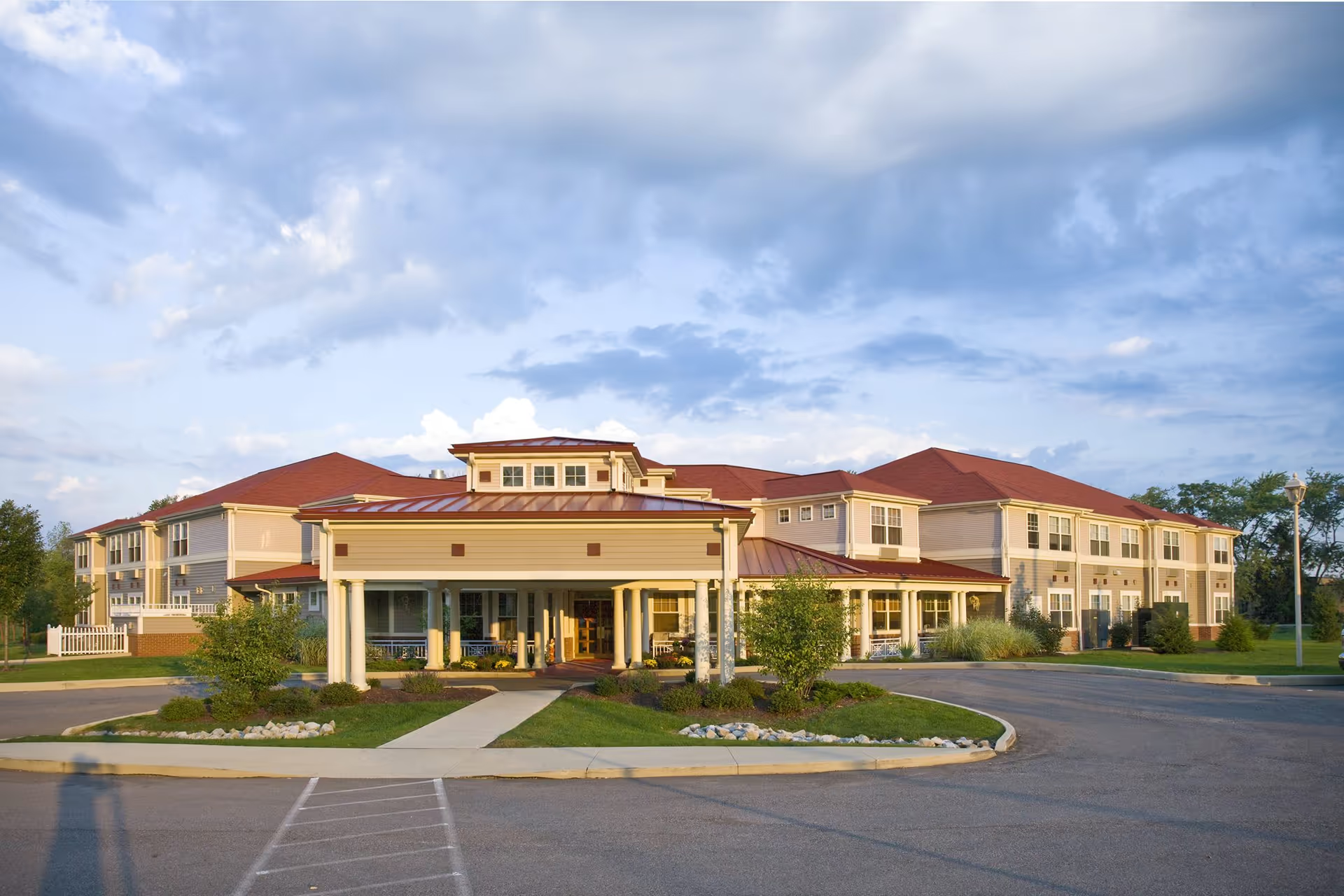
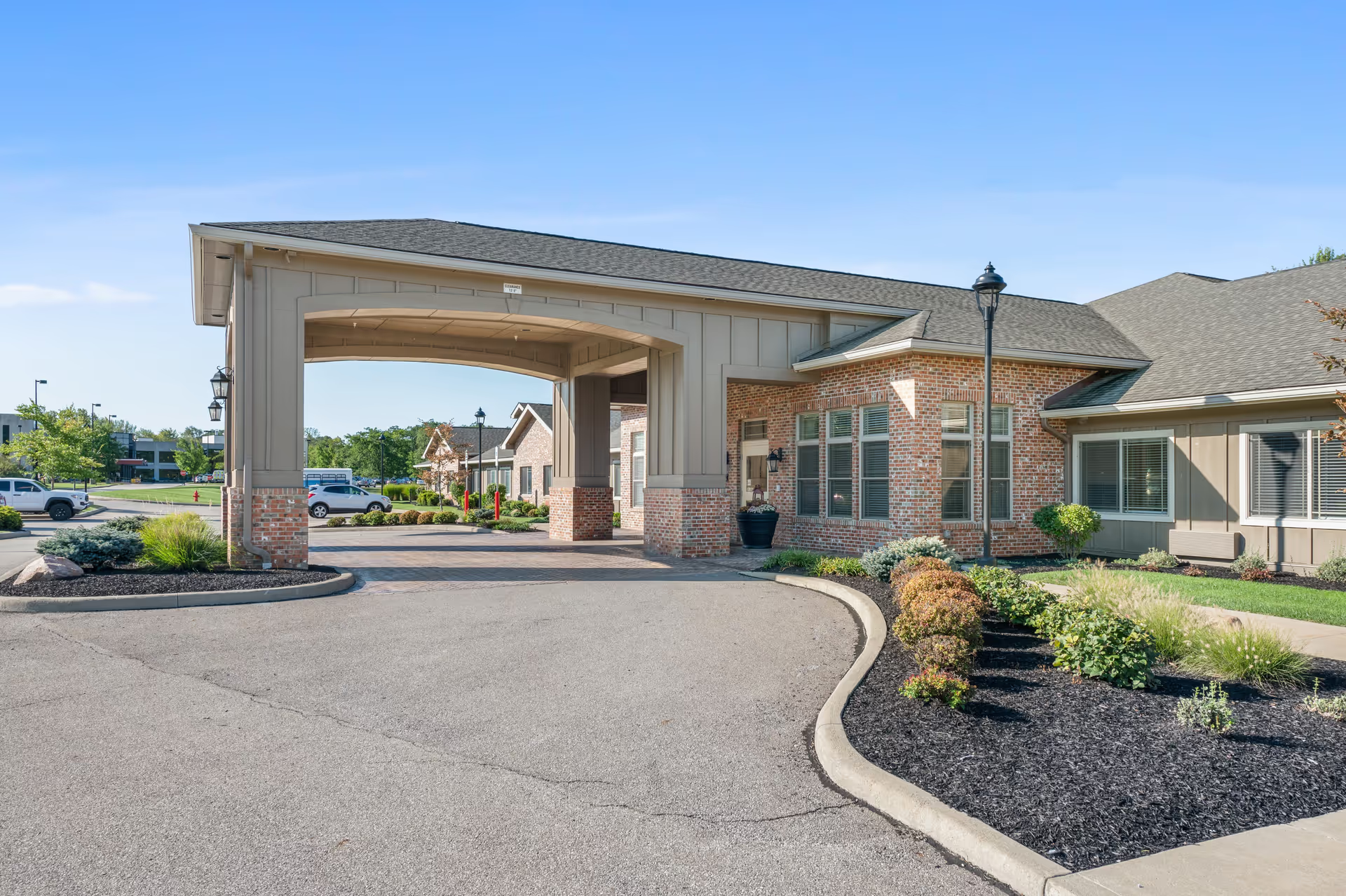
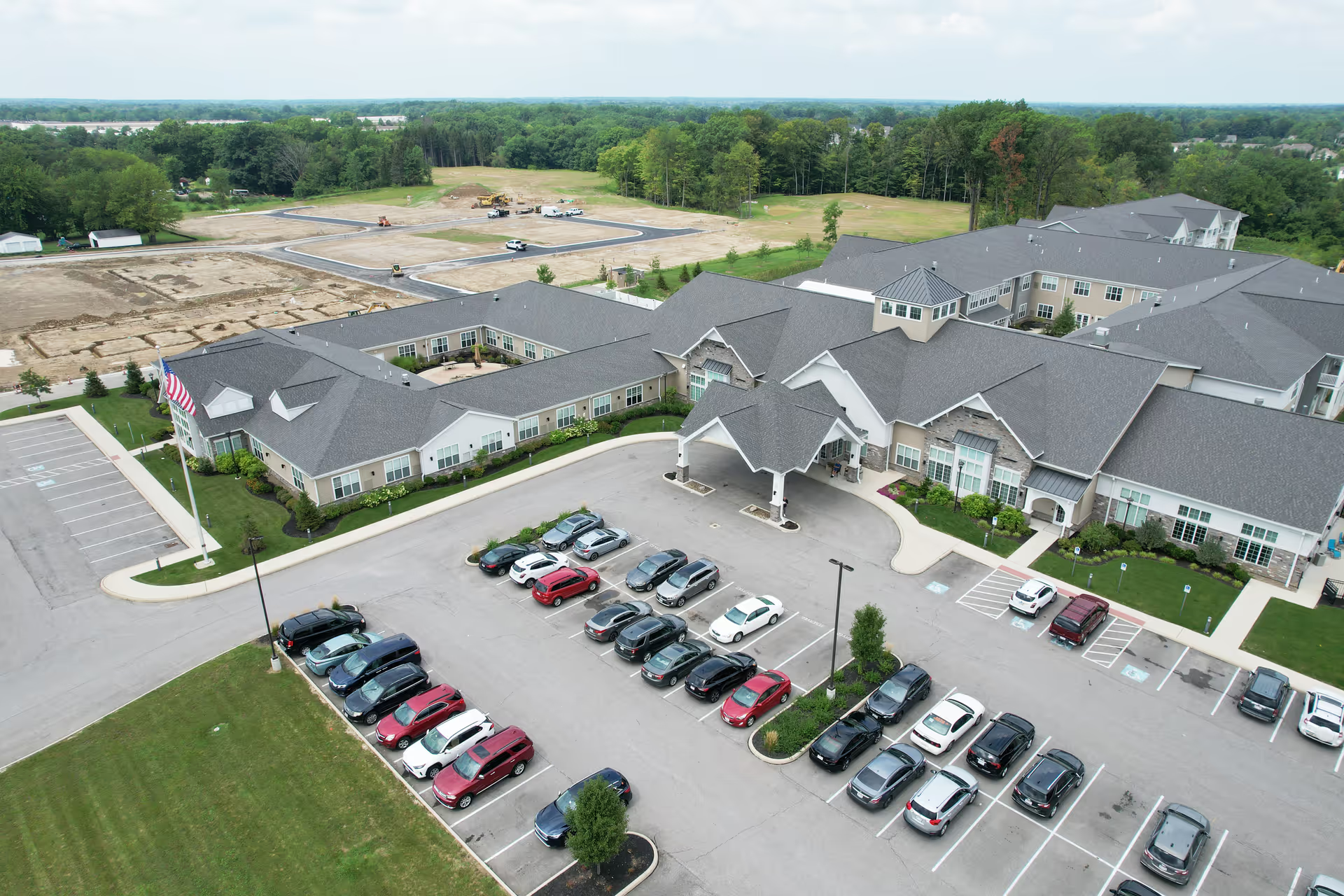
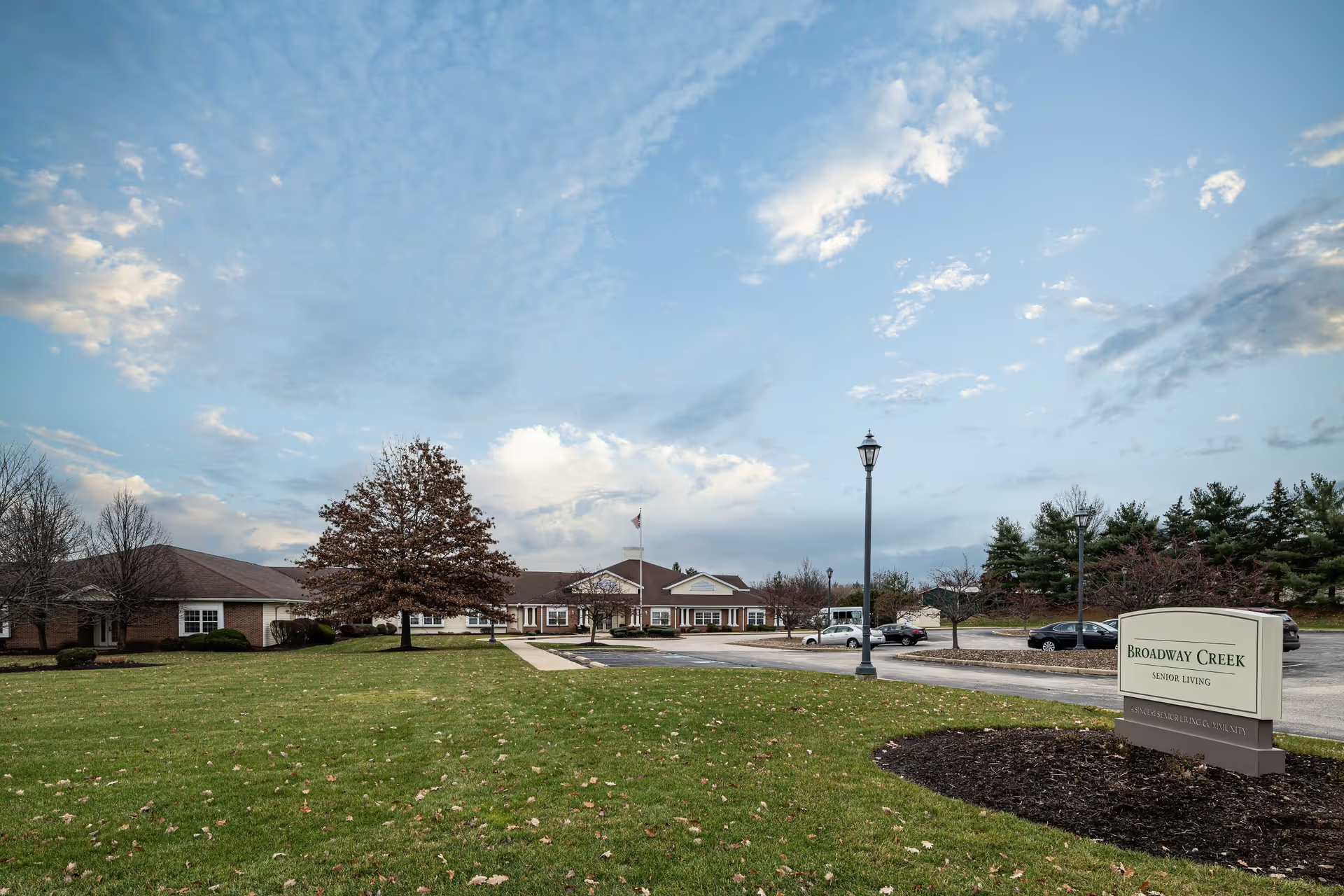
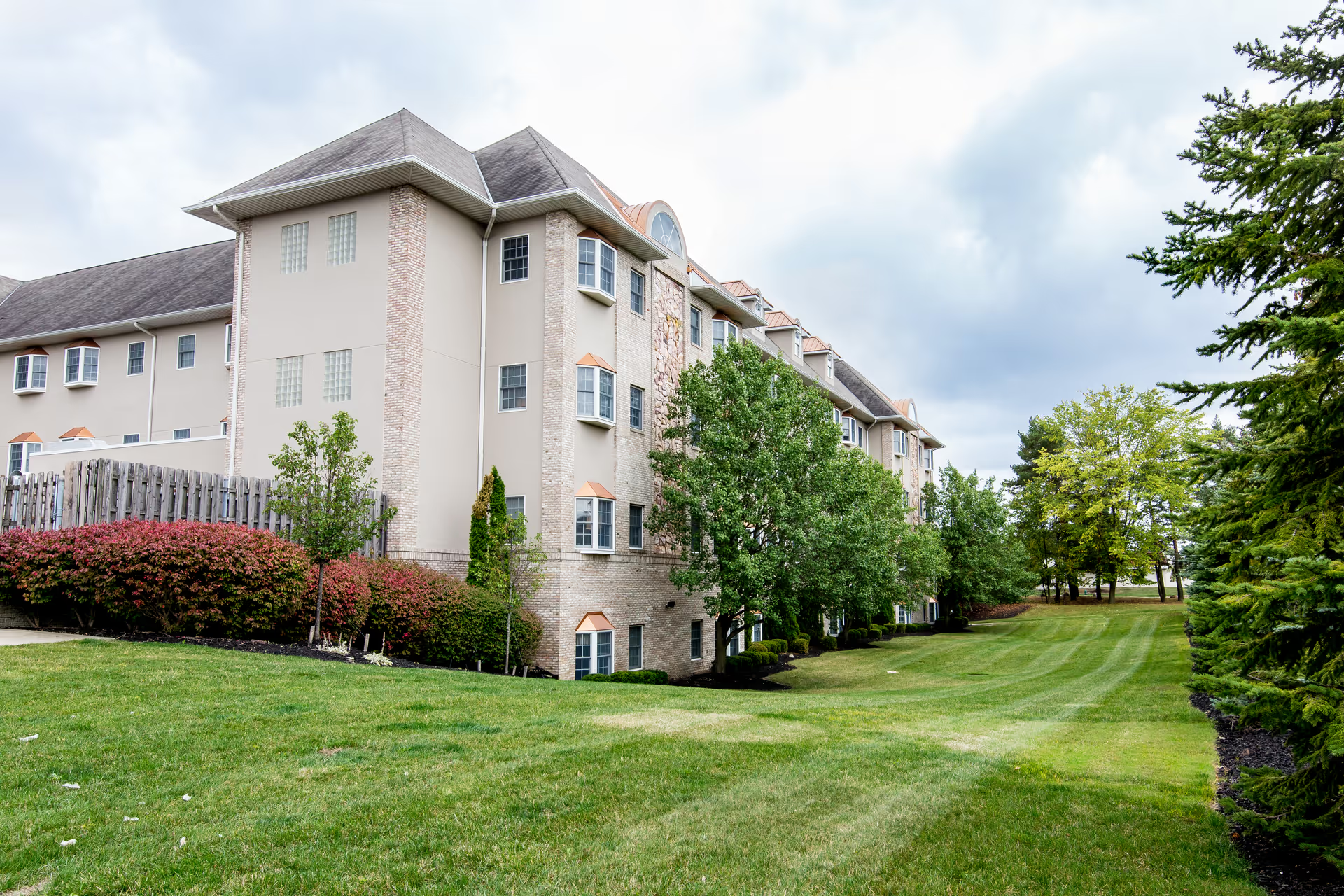
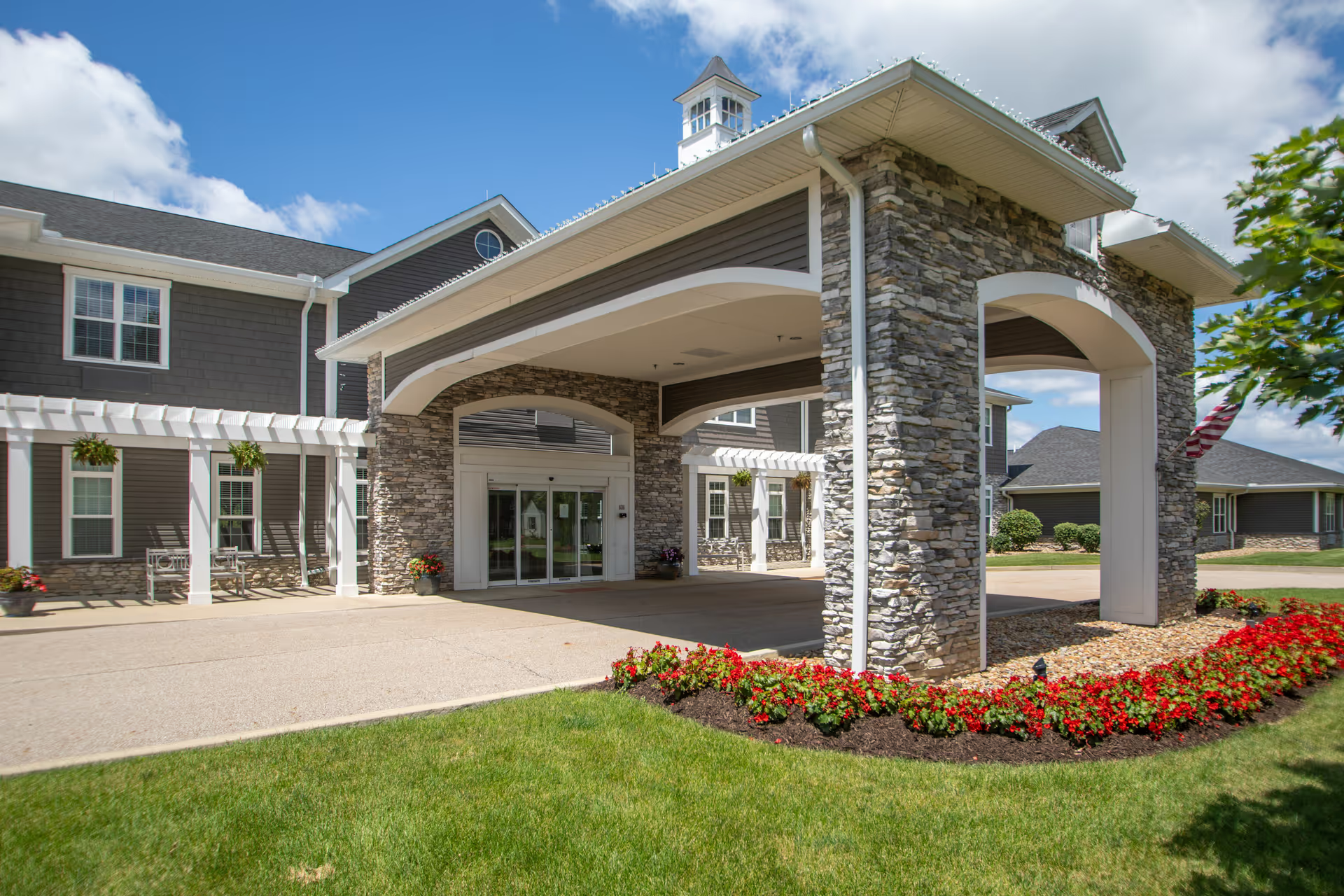
Facilities and logistics: The physical plant is consistently described as modern, clean, and attractively appointed, with a variety of apartment sizes and useful safety features (bedside mats, secure memory-care layout). The location near a lake and retail is an additional benefit. Some reviewers, however, noted housekeeping and room-cleaning variability and occasional maintenance/clean-up expectations during visits, indicating that facility-level cleanliness is high on average but not uniformly consistent.
Management, administration, and notable patterns: Administrative strengths include guided move-ins, active family engagement by certain staff members, and executive-level efforts to navigate staffing pressures. The most commonly cited administrative weaknesses are billing inconsistencies, shifting final charges, and uneven responsiveness from administrative or reception staff. Overall this yields a polarized pattern: many families are highly satisfied and would recommend the community for its staff, amenities, and atmosphere; others experience operational failures tied to staffing, communication, and billing that materially affect perceived value.
Recommendation: Prospective residents and families should weigh the strong clinical and lifestyle amenities against the documented operational variability. Practical steps before commitment include: confirming current staffing ratios and memory-care leadership, reviewing billing policies and fee guarantees in writing, discussing meal and activity access (including any extra costs), and identifying preferred points of clinical contact for regular updates. Those who prioritize an active, amenity-rich community with strong nursing leadership may find Danbury Brunswick an excellent fit, while families for whom consistent day-to-day responsiveness and administrative transparency are critical should conduct focused due diligence.