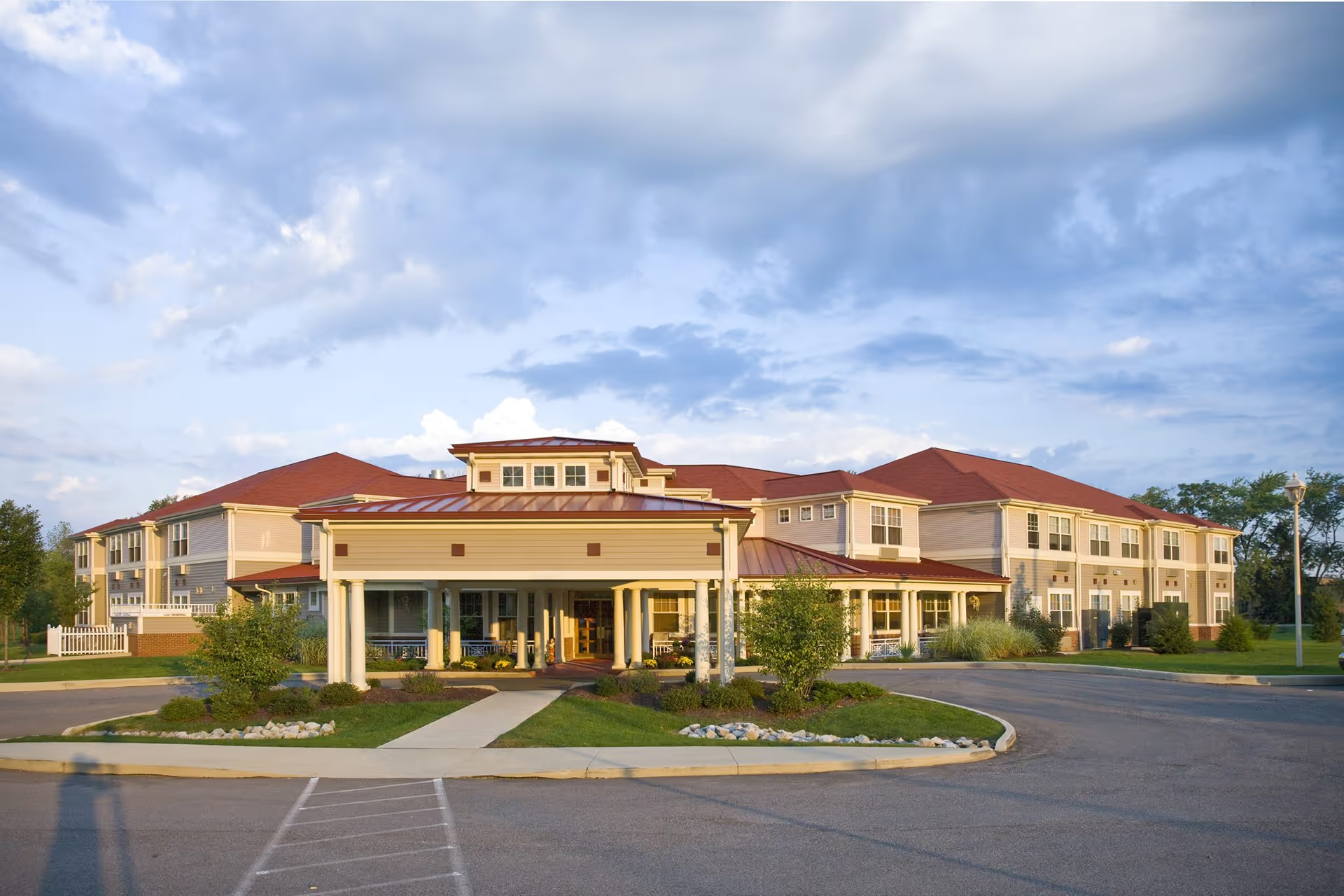
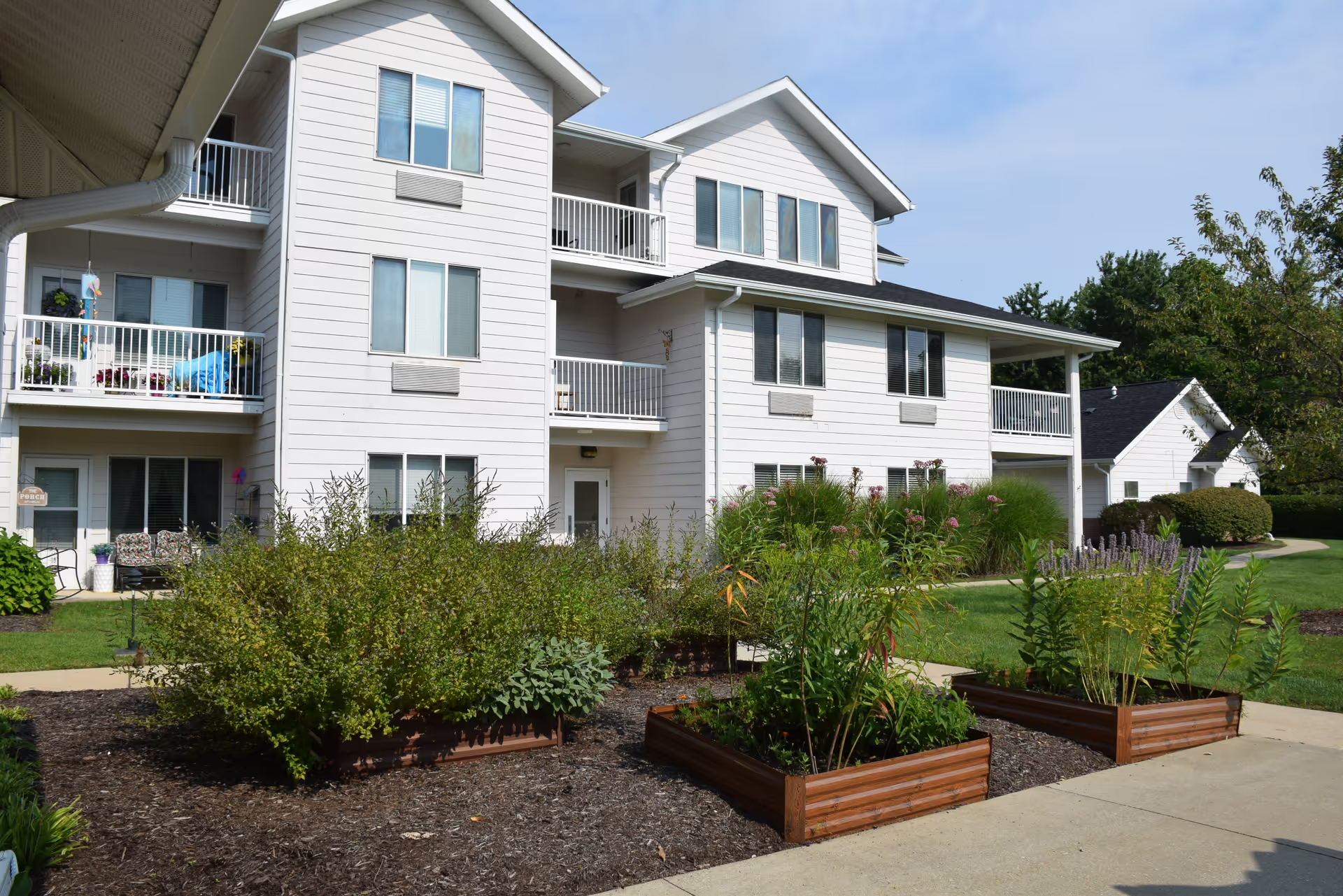
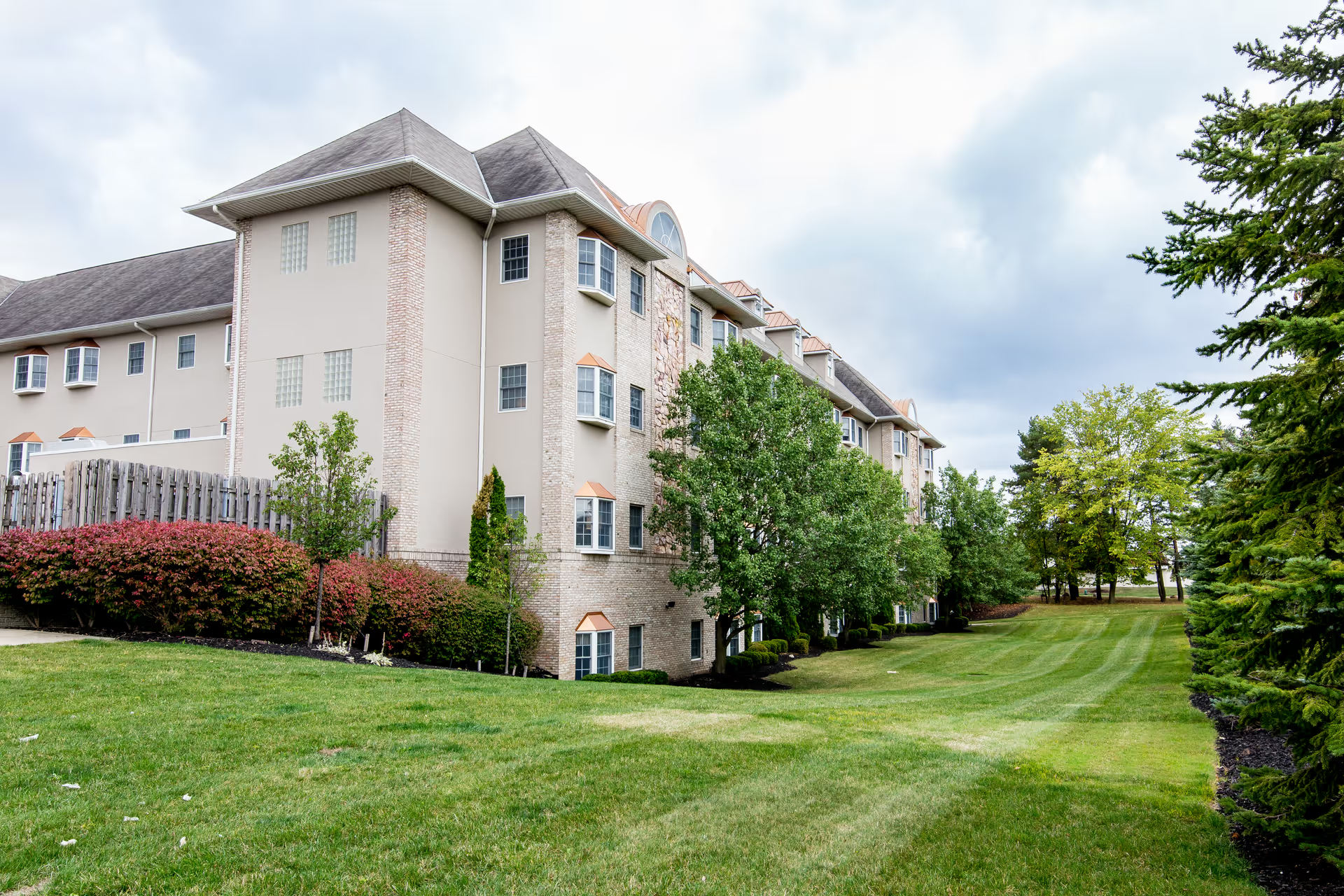
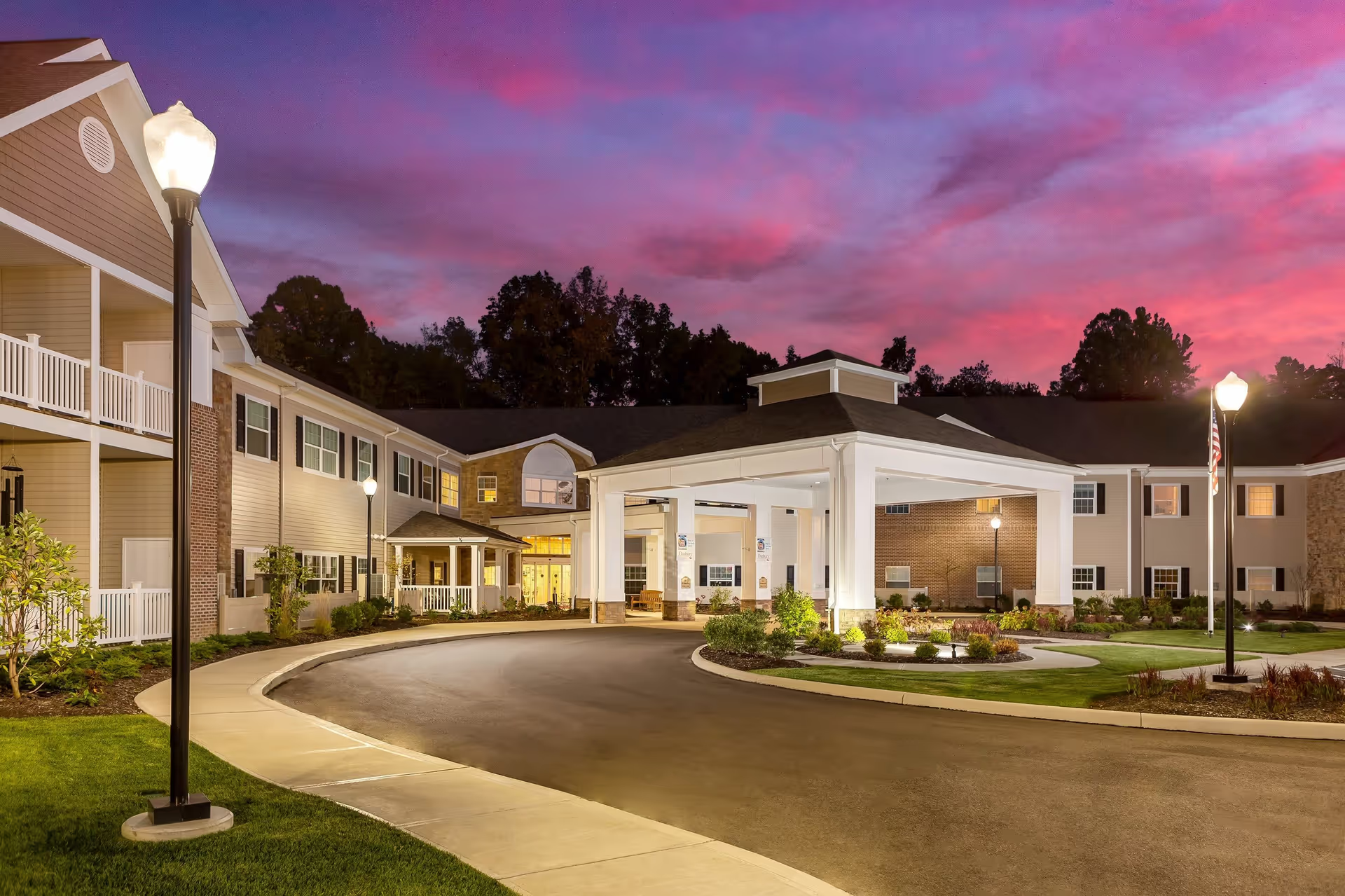
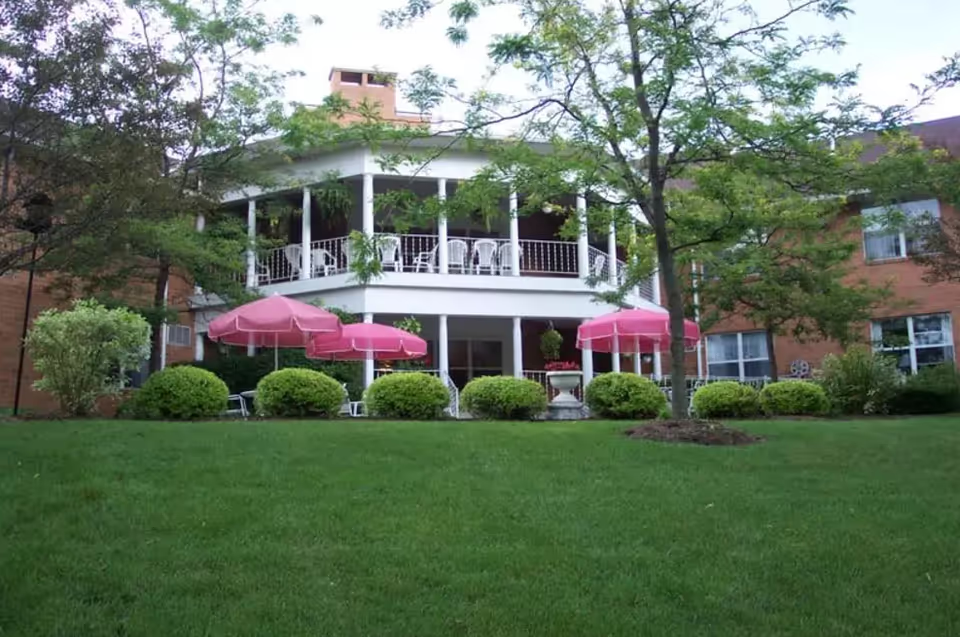
Cardinal Court presents as a modern, well‑designed assisted‑living and memory‑care community with many operational strengths alongside notable operational inconsistencies. The physical plant is consistently praised: reviewers highlight bright public spaces, spacious private and couple rooms with en‑suite baths, enclosed courtyards and pleasant landscaping, and thoughtful memory‑care design elements. Many families reported smooth move‑ins, useful virtual tours, and amenities such as on‑site rehab and salon services. Safety features such as motion sensors and routine night checks are commonly noted.
Care and staffing comments are mixed. A substantial number of reviewers emphasize compassionate, attentive caregiving, knowledgeable nurses, and long‑tenured staff who create a family‑like atmosphere; families frequently call out specific caregivers and leadership by name for positive communication and support. At the same time, recurring operational issues appear: understaffing or uneven staffing patterns, variability in caregiver competence, and delays answering call buttons were reported. These concerns translate into inconsistent responsiveness to personal‑care needs and variability in how often linens and personal care tasks are completed.
Dining and nutrition receive both praise and criticism. The dining program, chef, and restaurant‑style service are cited as strengths by many families, and several reviewers described varied menus and holiday meals. Conversely, other reviewers described smaller portions, lower‑quality items at times, and instances where meals did not match the posted menu. These comments suggest intermittent meal‑service continuity problems rather than a uniformly poor dining program.
Activities and social programming are generally regarded as a positive element. Reviewers note an active schedule, a dedicated activities director (with assistants), seven‑day programming, music, outings, and meaningful holiday events that engage residents and families. A minority of accounts describe periods of low engagement or a building that was still filling out early in its opening, with activity levels improving after staffing adjustments.
Operational and management themes are mixed. Many families praise responsive administrative leadership, clear communication, and staff who ‘‘go above and beyond.’’ Other families describe gaps in communication between shifts, inconsistent follow‑through on concerns, issues with medication changes being made without adequate family notification, and problems with laundry/personal‑item handling. There are also more serious perceptions in a limited number of accounts regarding transparency in marketing and the completeness of published information; these perceptions warrant direct inquiry during a tour.
Notable patterns for prospective families: Cardinal Court appears to deliver high‑quality physical environments and a robust memory‑care focus, with a core of committed clinical and activities staff. However, operational consistency—especially staffing levels, responsiveness, medication‑change communication, and personal‑item management—varies across reports. Prospective residents and families should observe staffing during mealtimes and shift changes, ask about staffing ratios and turnover, review medication‑management and linen/laundry protocols, confirm how menu substitutions are handled, and request examples of recent family communications and incident follow‑up to assess current consistency and transparency.