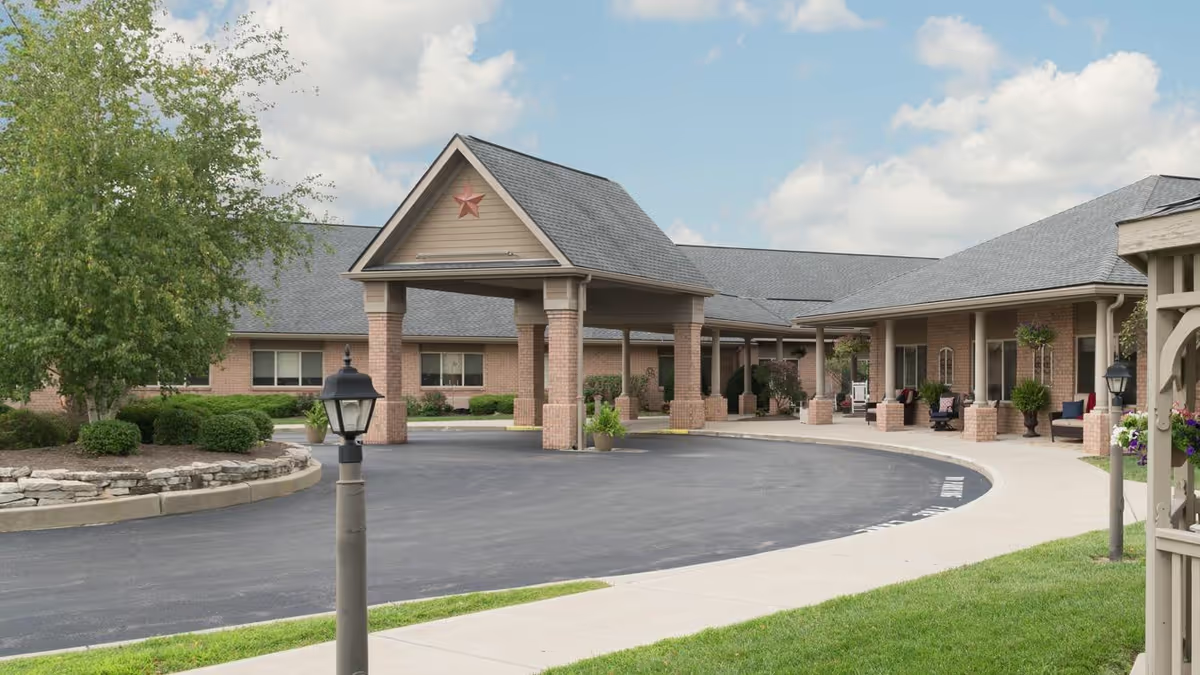
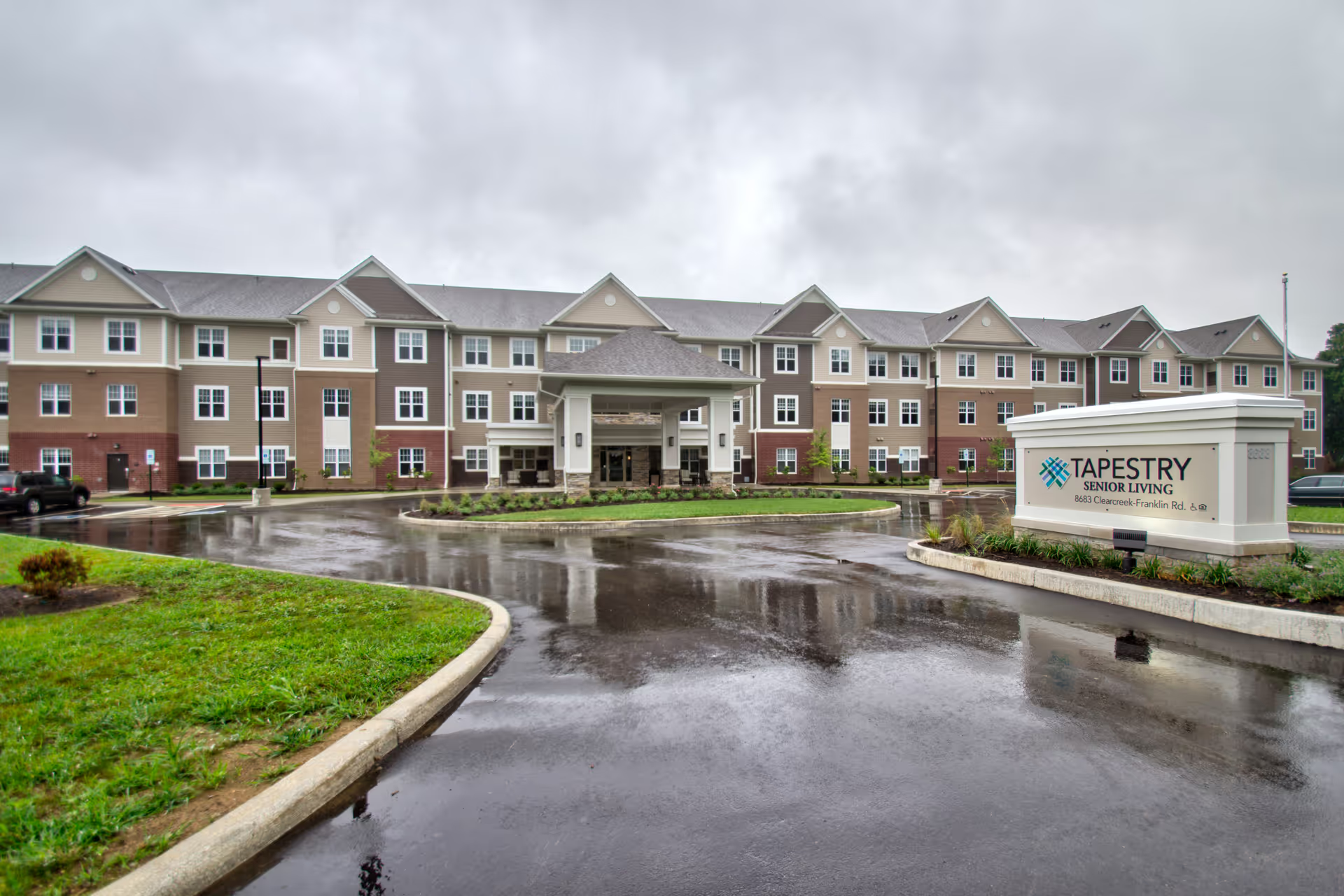
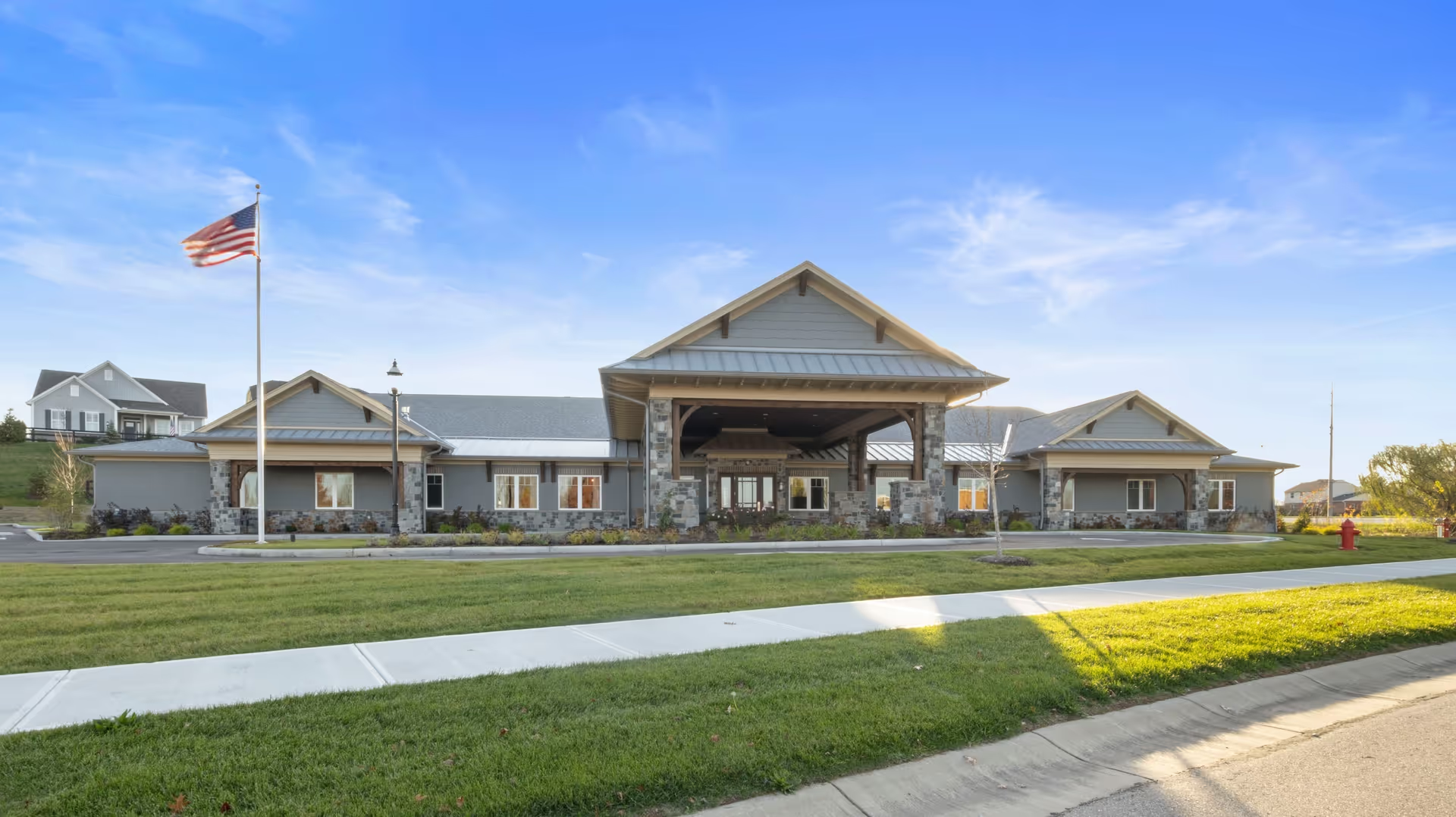
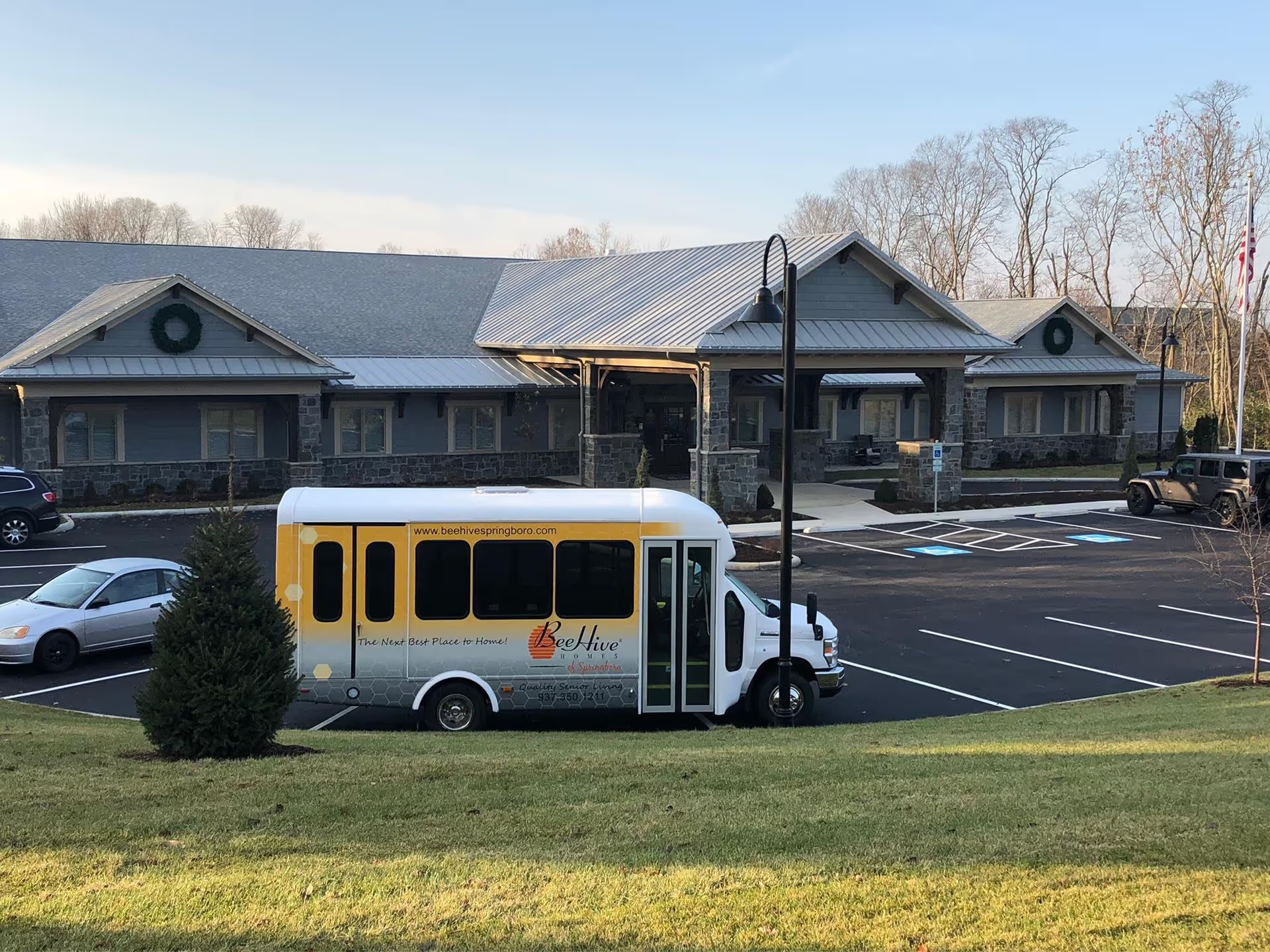
The Laurels of Middletown elicits strongly polarized impressions: many reviewers describe effective short-term rehabilitation, attentive bedside care, and a supportive, family-like atmosphere, while other accounts raise substantive operational concerns. Positive experiences center on skilled therapy teams (PT/OT), timely equipment and appointment coordination during hospital-to-facility transitions, and staff who are described as compassionate and personally involved in residents’ recovery. Several reviewers named admissions and marketing staff who facilitated transitions and advocated for residents, and the activities program receives frequent praise for engagement and leadership.
Clinical care quality appears mixed. Numerous reviewers report strong nursing and aide attention, timely medication delivery, and clinical follow-through that supports measurable rehabilitation progress. Conversely, there are recurring descriptions of care gaps for residents with complex medical needs — including wound and diabetes management, availability of specialty equipment, and timely responses to acute events. Several accounts describe delayed emergency response or slow activation of emergency services, which raises concerns about responsiveness in high-acuity situations.
Facility operations and environment also show variability. Many guests praised clean, comfortable rooms and diligent housekeeping, while other reports cite sanitation concerns, pest-control observations, and plumbing or HVAC problems in some areas. Dining is similarly inconsistent: some reviewers commend generous portions and helpful dining staff, whereas others note temperature and quality issues. The activities department and addiction-recovery services are frequently listed as strengths that contribute positively to resident well-being.
Management and communication present another area of divergence. Positive comments emphasize proactive administrative support, clear discharge planning, and staff who go above-and-beyond. At the same time, reviews point to inconsistent management follow-through, limited after-hours and weekend availability, and lapses in insurance/payment coordination that in at least a few cases resulted in abrupt discharge experiences. A small number of reviewers raised serious concerns about resident property security.
Taken together, patterns suggest that Laurels of Middletown can deliver high-quality rehabilitation and compassionate daily care when staffing, equipment, and supervision are aligned; however, variability in cleanliness, maintenance, clinical support for high-acuity residents, after-hours staffing, and administrative consistency are important considerations for prospective residents and families. Those evaluating the facility should ask specific questions about the team assigned to high-acuity needs, emergency response protocols, property-security measures, and the facility’s procedures for discharge and insurance coordination to determine whether operations match their expectations and clinical requirements.