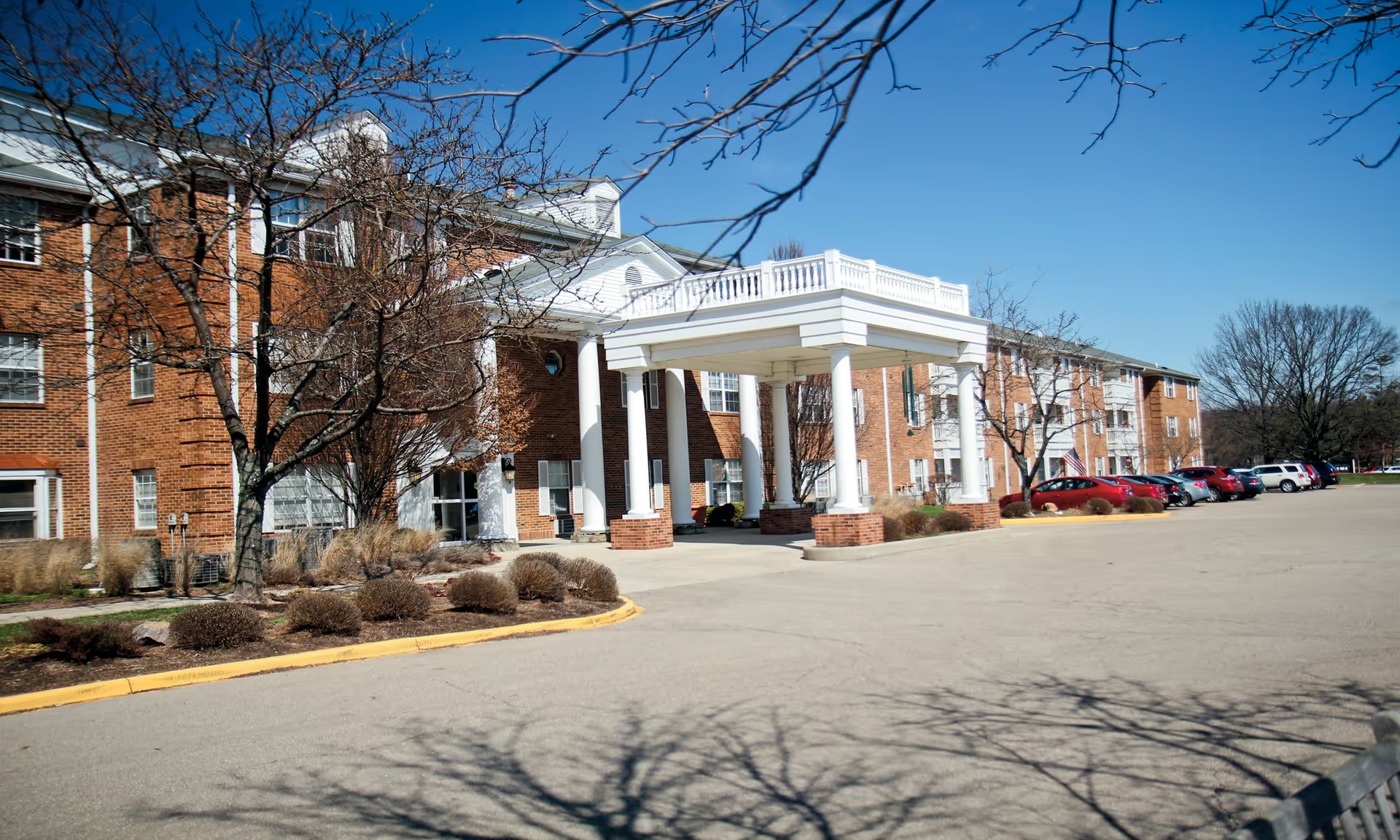
Willow Knoll elicits strongly mixed impressions: many families and residents emphasize the community’s physical advantages and pockets of excellent clinical care, while others describe operational and communication shortcomings that affected trust and outcomes. The facility offers attractive independent living options — single-level apartments with large rooms, walk-in closets, attached garages, private patios or enclosed sunrooms, and recent renovations to apartments and outdoor areas. Commonly praised features include a home-like atmosphere, quiet neighborhood setting, accessible outdoor spaces, and active social programming that helps residents build friendships.
Clinical and rehabilitation services receive both positive and negative comments. Several reviewers highlighted effective physical and speech therapy, focused rehab spaces, helpful progress updates, and supportive nurses who deliver personalized bedside care. At the same time, there are repeated concerns about inconsistent clinical follow-through: delays in dressing or wound care, disputes over supplies, and gaps in documentation and medication administration were described. These operational gaps appear linked to uneven staff training or handoffs and can have significant consequences for resident wellbeing and transitions home or to higher-acuity care.
Staff culture and communication are areas of clear divergence. Many family members named individual staff who were compassionate, attentive, and effective in helping residents settle and recover; maintenance responsiveness and proactive dietary staff were also praised. Conversely, other accounts describe variable professionalism, stressful interactions during admission, and high-pressure enrollment tactics. A notable pattern is inconsistent responsiveness to phone calls and voicemail-forwarding problems, which has undermined family confidence in some cases. Privacy concerns and at least one allegation of personal-item loss indicate the need for stronger safeguards around resident belongings and surveillance policies.
Dining and activities are generally seen as strengths, with several families commenting on tasty meals, varied menus, and daily programming. However, some reviewers requested more activity options or found the offerings too limited for certain residents. Facility condition feedback is mixed: main buildings and renovated apartments are often described as clean and well-kept, but cottage exteriors and some units reportedly experience maintenance lapses and pest-control concerns that require attention.
Management and operational leadership appear to be in flux for some time periods. Some families observed clear improvements after staff changes and renovations, citing better teamwork and a renovated therapy gym. Others continue to experience inconsistent admissions assessment, communication breakdowns during clinical events, and uneven follow-through on maintenance requests. Prospective residents and families should balance the facility’s strengths — attractive apartments, strong rehab capabilities, and many compassionate caregivers — against the documented operational risks: inquire specifically about medication-administration protocols, wound-care procedures, emergency notification practices, privacy and theft-prevention policies, staffing continuity, and the facility’s current approaches to phone and family-communication responsiveness.
Overall, Willow Knoll offers amenities and clinical services that many find supportive, but variability in management, communication, and some aspects of daily care suggest careful, targeted questioning and direct observation during a tour. Confirming current staffing levels, clinical handoff processes, and recent corrective actions will help families assess fit for their loved one’s needs.