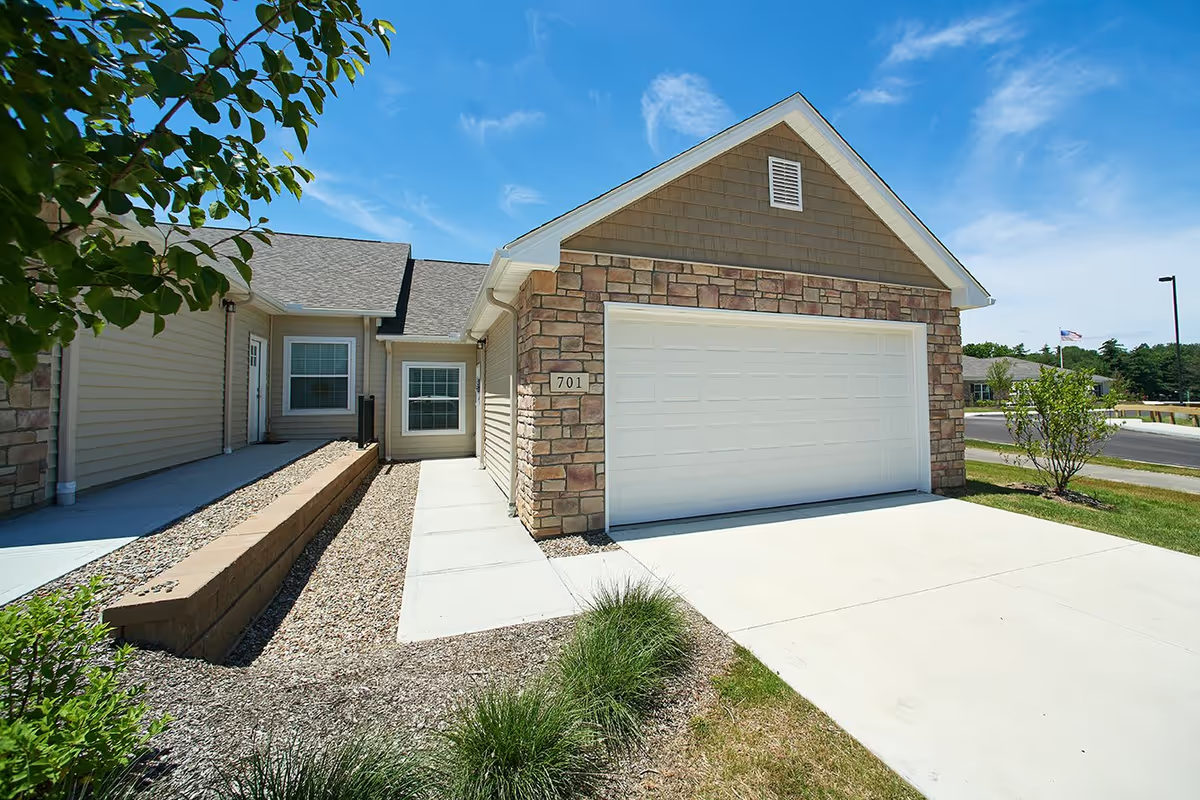
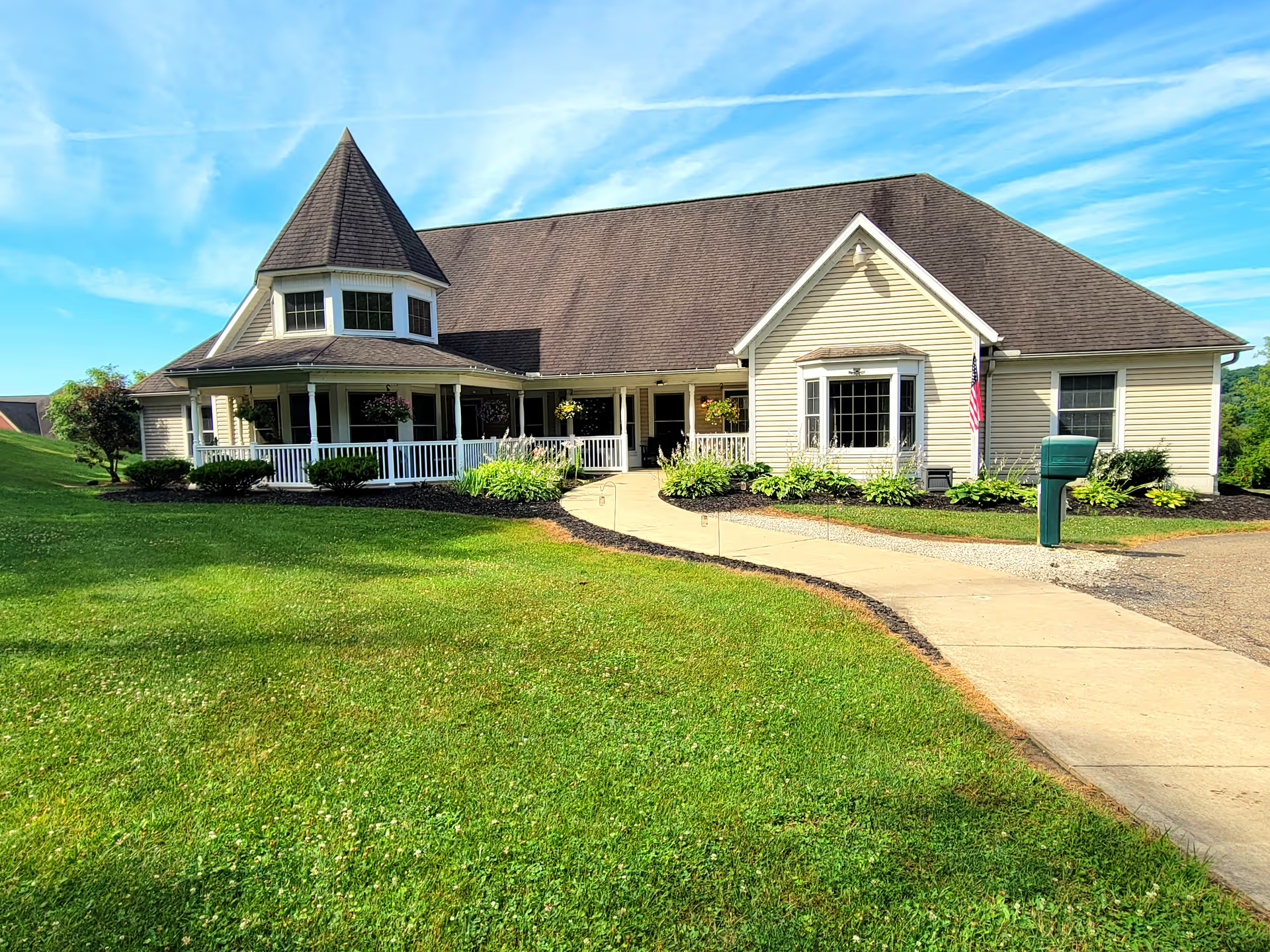
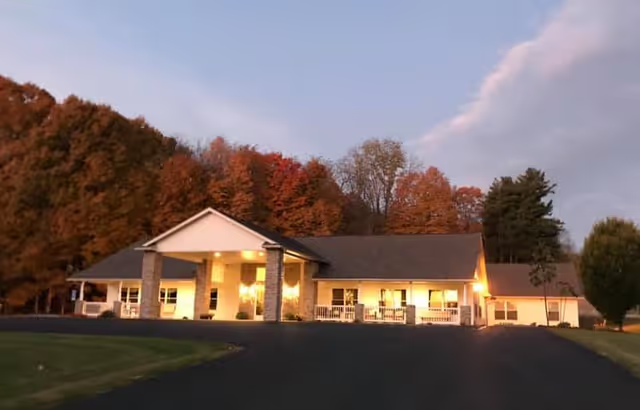
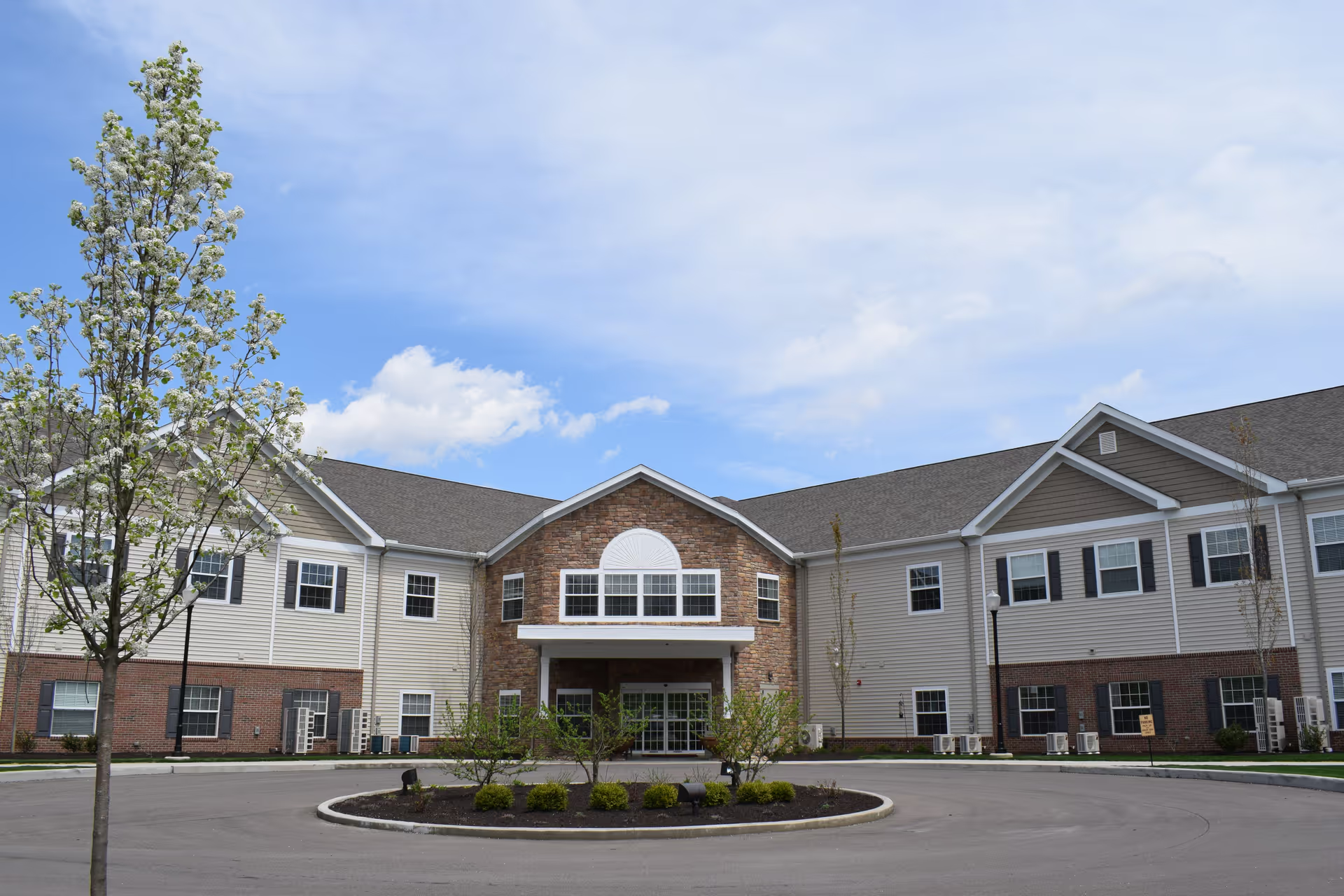
Overall impression: Feedback about the facility is predominantly positive in areas of daily caregiving, therapy/rehabilitation, dining, and facility upkeep. Many families describe a warm, family-like culture among front-line staff, frequent and proactive communication with families, and an environment that feels less institutional and more residential. Therapy services and rehabilitation are frequently highlighted as effective and encouraging, and the dining/kitchen team receives repeated praise for food quality and individualized attention.
Care and staff: Reviewers commonly emphasize compassionate, attentive nurses and aides who provide responsive, round-the-clock attention. Staff are described as knowledgeable and personable, with several mentions of staff forming friendships with residents and accommodating personal preferences. Communication about progress and post-discharge support are noted strengths. At the same time, there are indications of variability across units and shifts: while many families praise consistent, high-quality caregiving, other feedback points to uneven staff performance and accountability.
Clinical operations and safety: The primary areas of concern cluster around clinical oversight. The reviews suggest gaps in medication-management controls, inconsistent clinical monitoring (including lab follow-up), and weaknesses in fall-prevention and transfer-safety practices. There are also concerns about emergency-response protocols and how clinical incidents are escalated and communicated to families. These issues appear to be concentrated in memory-care and clinical oversight domains and, when they occur, are perceived as serious. Prospective families should treat these as operational risks to investigate directly with facility leadership.
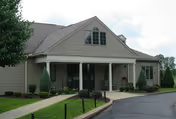
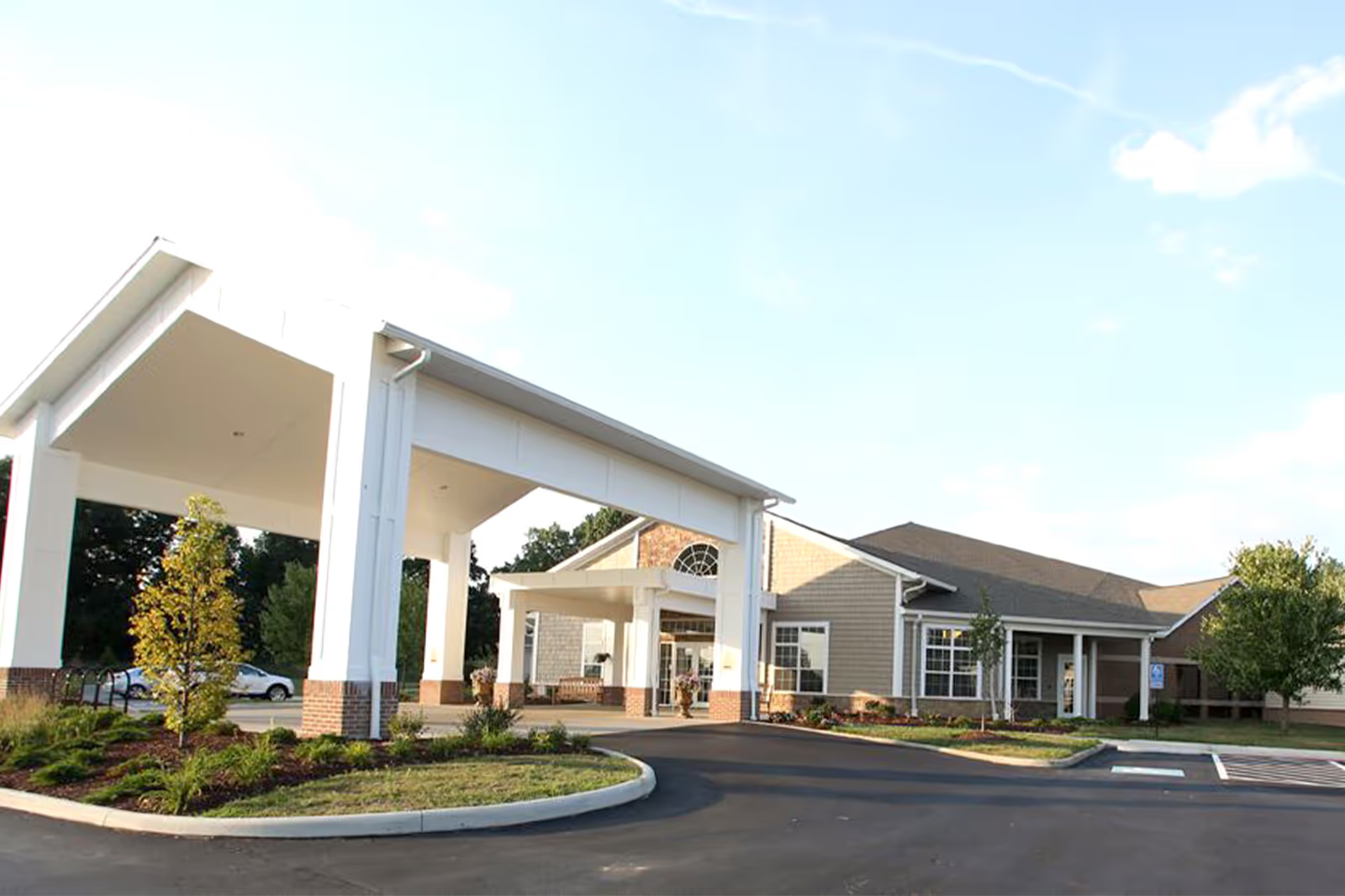
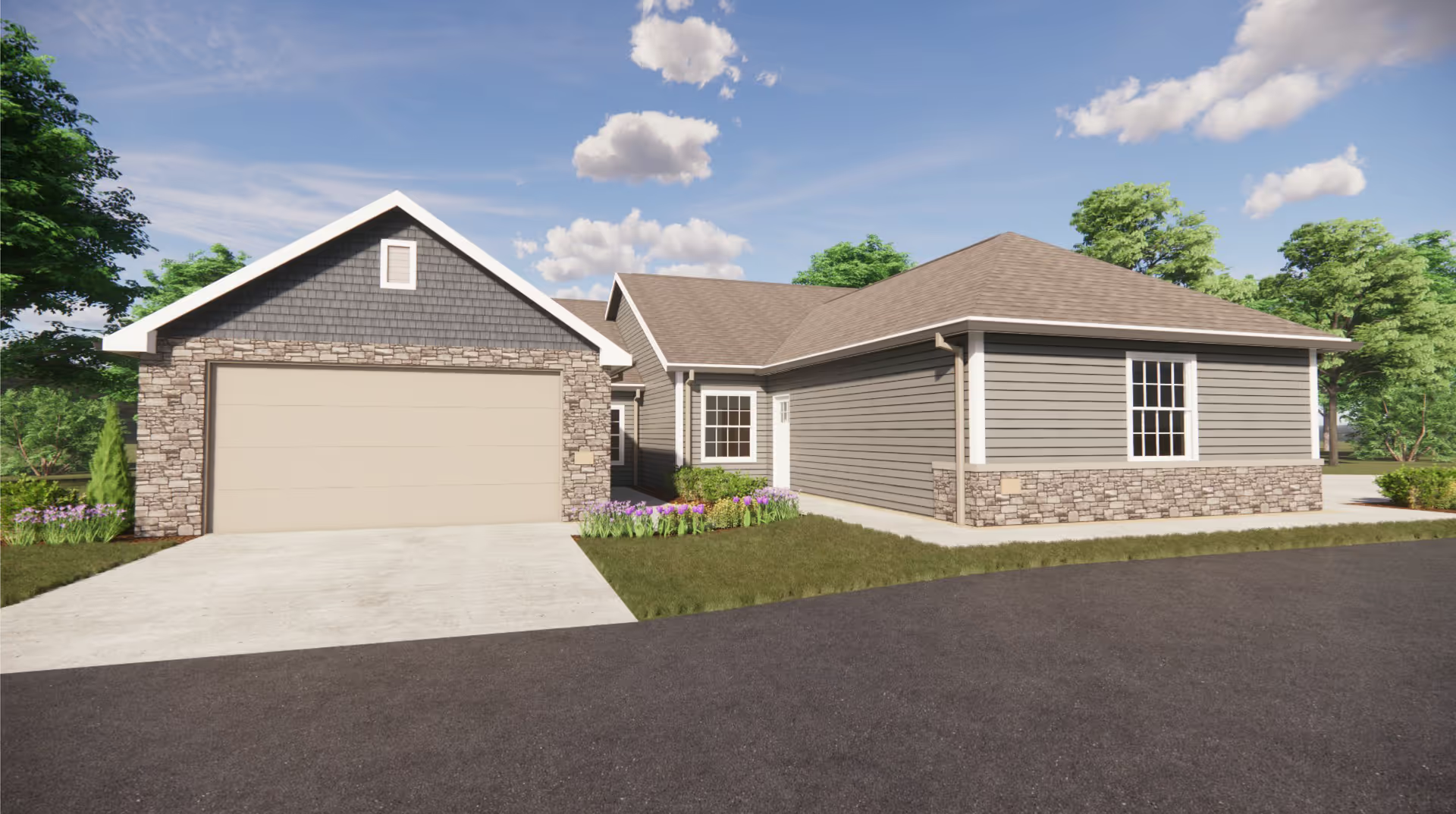
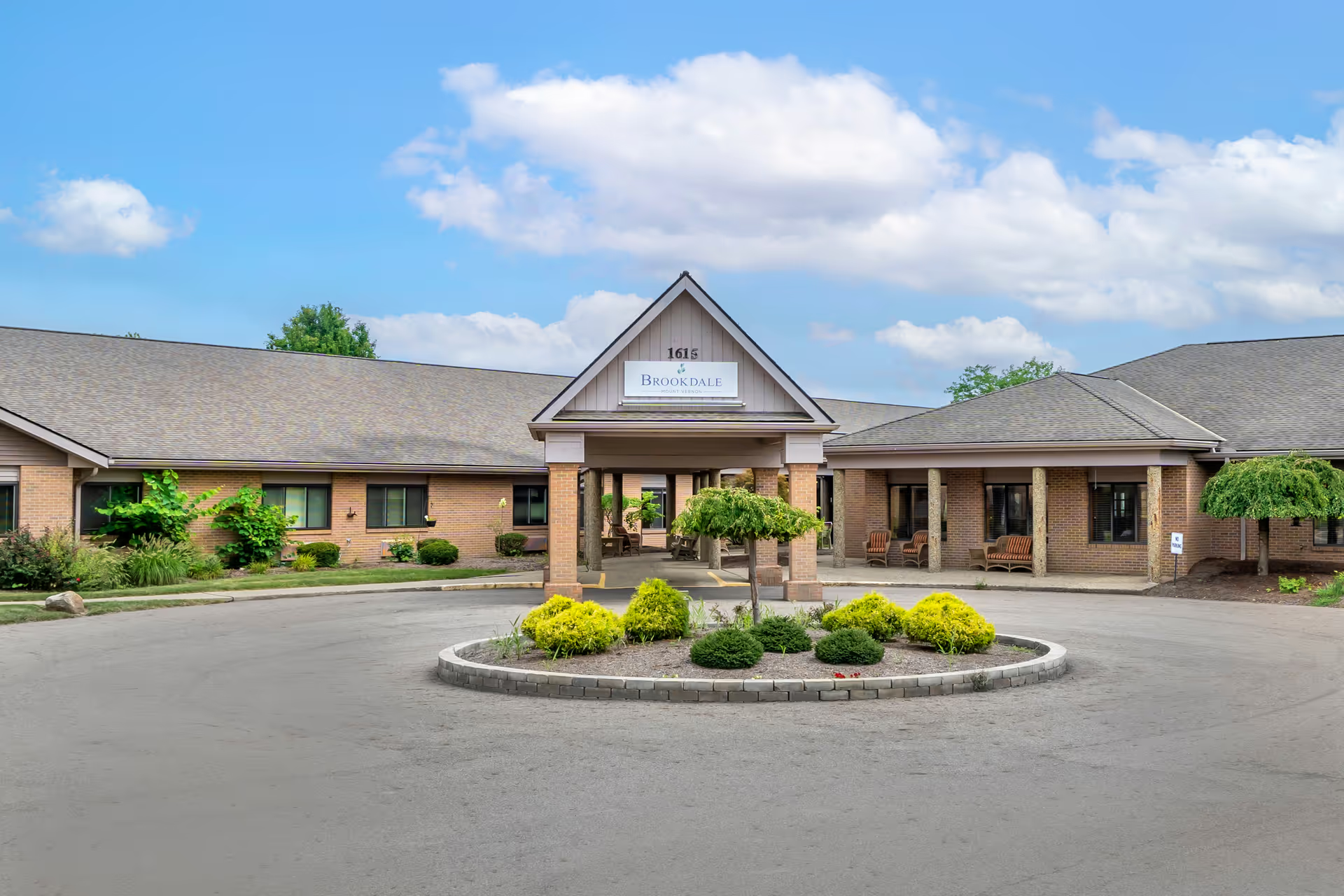
Dining, activities, and facilities: Dining is a clear strength — reviewers praise the menu variety, attentive kitchen staff, and personalized meal service. The facility is repeatedly described as clean, well maintained, and home-like rather than hospital-like, with amenities and programming (including bird-watching and memory activities) that support social engagement and family visits. Therapy and activity offerings are described as robust and enjoyable by many residents.
Management and practical considerations: Admissions are generally reported as smooth, with assistance available for Medicaid and helpful post-discharge coordination. Communication from staff is often proactive and responsive, including nights and weekends. However, the combination of overwhelmingly positive everyday-care reports with isolated but serious clinical concerns points to variability in operational consistency. Families considering placement should ask targeted questions about medication administration policies, fall-prevention protocols, staffing ratios in memory-care, emergency escalation procedures, clinical audit results, and recent regulatory or survey findings. Observing the memory-care unit during different shifts and requesting documentation of training and incident follow-up can help clarify whether the facility’s strong caregiving culture is matched by reliable clinical safeguards.