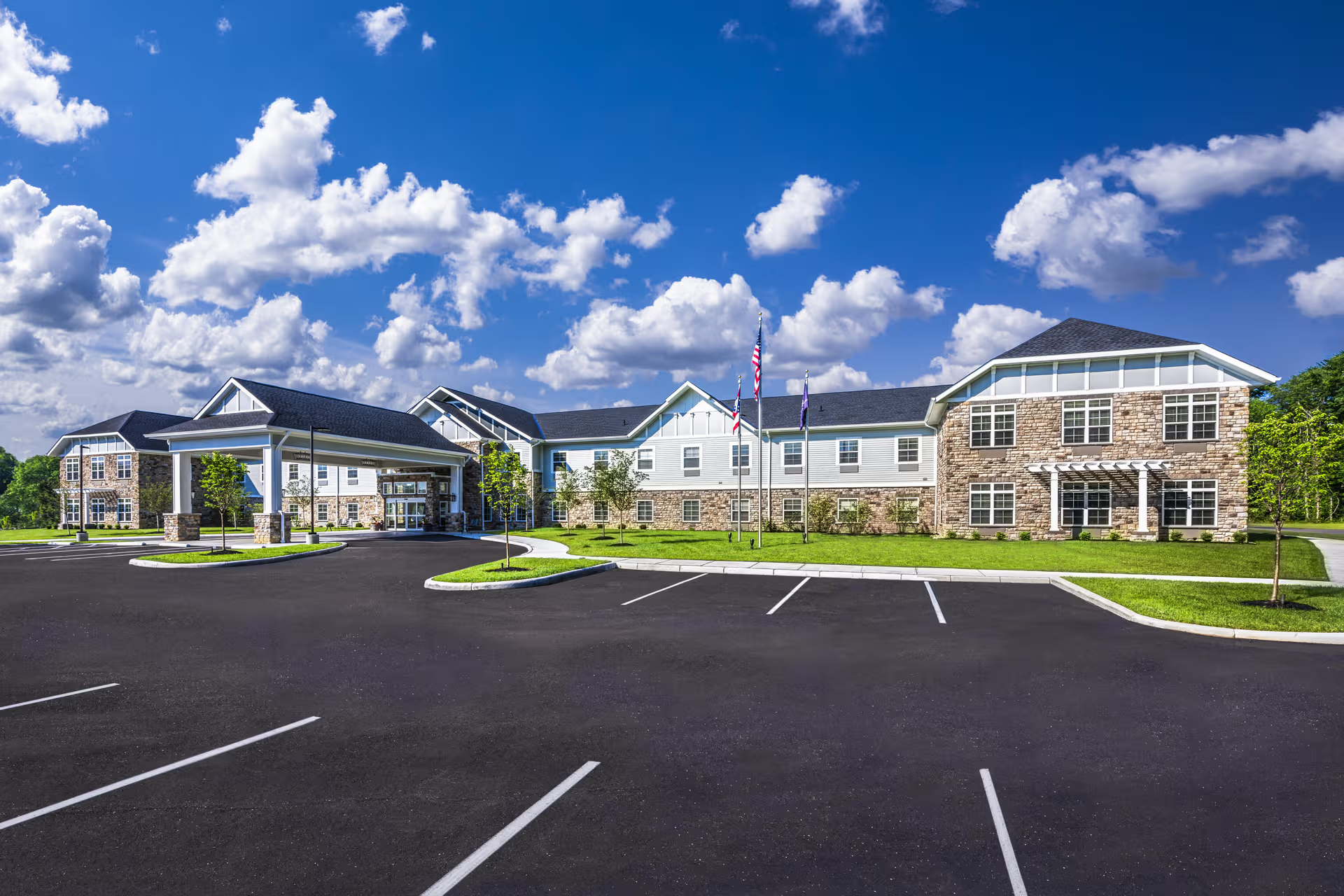
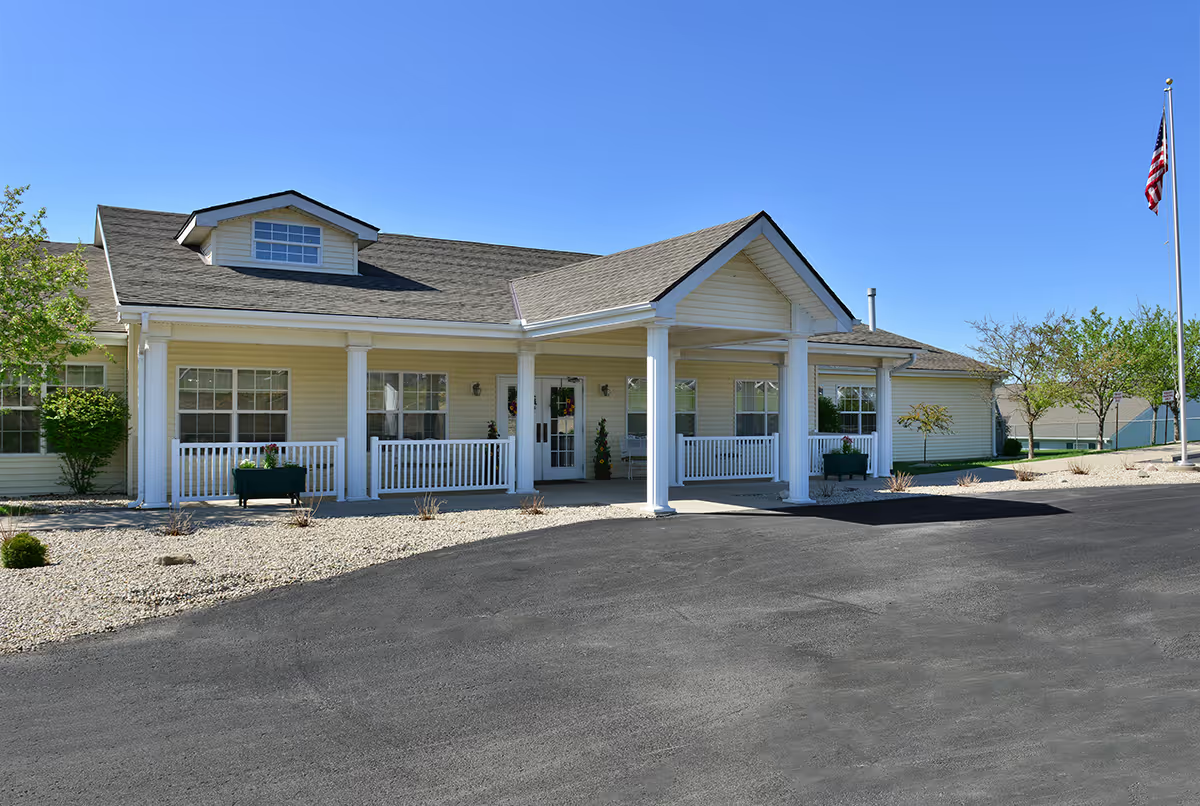
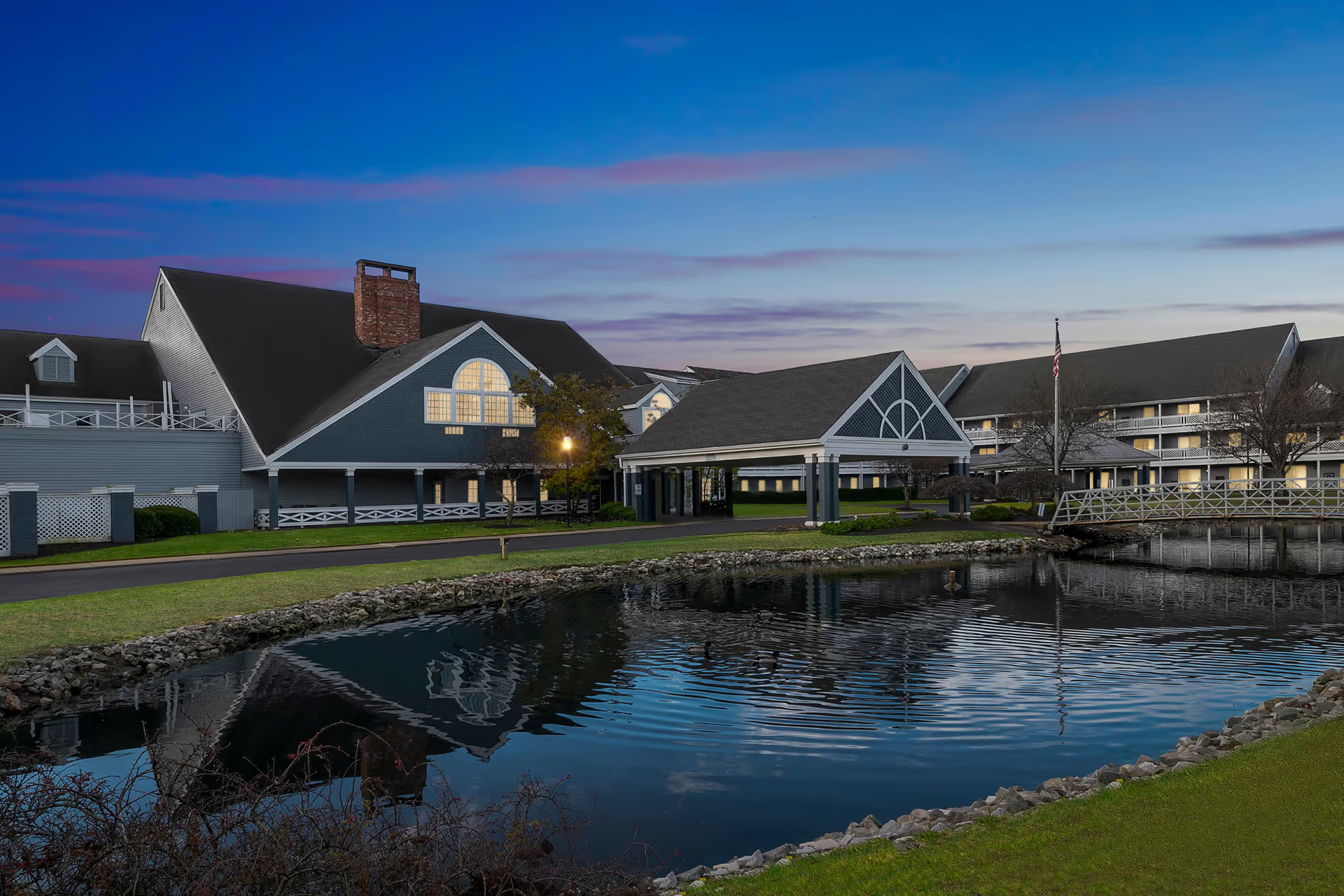
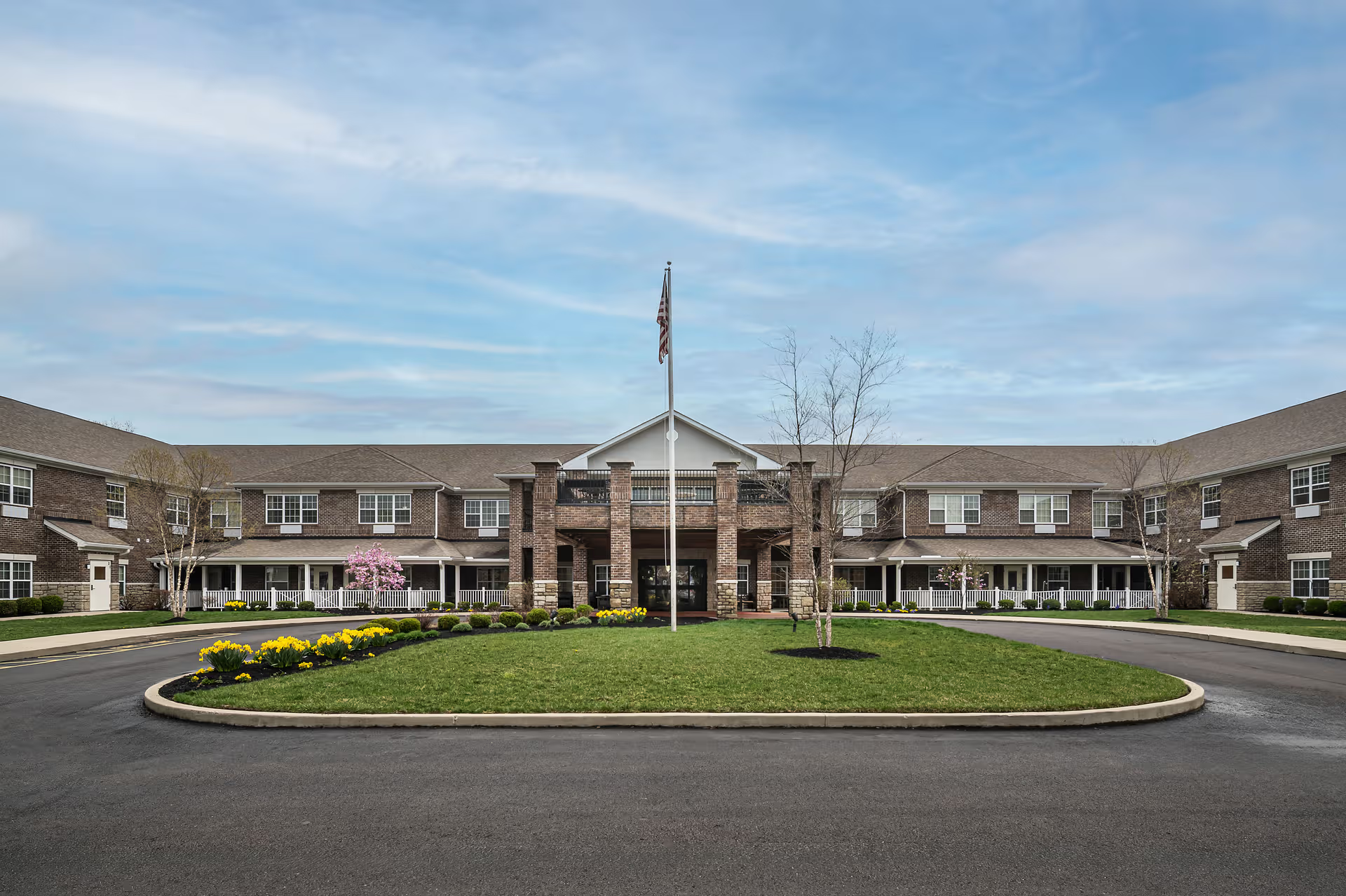
Overall impression Review content points to a facility with several operational strengths alongside notable administrative and community-management weaknesses. Frontline care and day-to-day resident experience are generally described positively: staff are characterized as helpful and professional, personal care services are seen as supportive, and many families experienced a smooth admission or transition. The community atmosphere and activities program are frequently cited as welcoming and engaging, and apartments and common areas are often described as clean — factors that contribute to a perception of good value for cost.
Care and staff Care quality is portrayed as competent by many observers. Direct-care staff are repeatedly described as courteous and willing to assist residents, and the admissions/transition process is reported as well managed in multiple accounts. These strengths suggest reliable hands-on support for residents, though the review set contains limited detail on clinical staffing ratios or specific clinical competencies; prospective families should ask about staffing levels, training, and supervision during a tour.
Dining and activities There is more consistent positive feedback about activities than about dining. The activities program is described as active and resident-focused, which supports social engagement. The reviews include little specific information about dining quality or meal service consistency; because meal experience can vary and was not a prominent theme in the feedback provided, families should sample meals and ask about menu rotation, special-diet accommodations, and meal-service continuity during a visit.
Facilities and maintenance Physical facilities receive mixed comments. Apartments and common areas are often described as clean, indicating generally adequate housekeeping. However, maintenance practices have produced operational concerns: construction-related dust entering HVAC systems and other dust-control issues were noted, and there are references to localized cleanliness inconsistencies. Prospective residents should inquire about the facility’s preventive-maintenance schedule, HVAC cleaning protocols, and recent remediation measures for any ongoing construction or repairs.
Management, billing, and community dynamics The most consistent weaknesses in the feedback relate to leadership and administrative operations. Reviewers describe frequent turnover among managers, limited management presence, slow response times to questions or issues, and opaque billing practices — including unexpected ancillary charges. Regular modest annual rate increases are also mentioned as a factor affecting affordability. On the community side, social dynamics present a challenge for some: there are accounts of interpersonal conflict among residents and a perception that conflict-resolution and community oversight practices are uneven. There are also references to isolated incidents requiring law-enforcement response, which points to gaps in incident-management or security procedures that families should address directly with administration.
Patterns to verify on a tour Given the mixed picture, families should verify a few key items in person: current leadership tenure and how management continuity is maintained; average staff-to-resident ratios and staff training; sample menus and dining procedures; the facility’s billing and ancillary-fee schedule and dispute-resolution process; HVAC/maintenance protocols and recent air-quality remediation steps; and written policies for resident conduct, conflict resolution, and incident response. These checks will help balance the facility’s clear strengths in frontline care and community activities against the administrative and environmental concerns noted in the reviews.