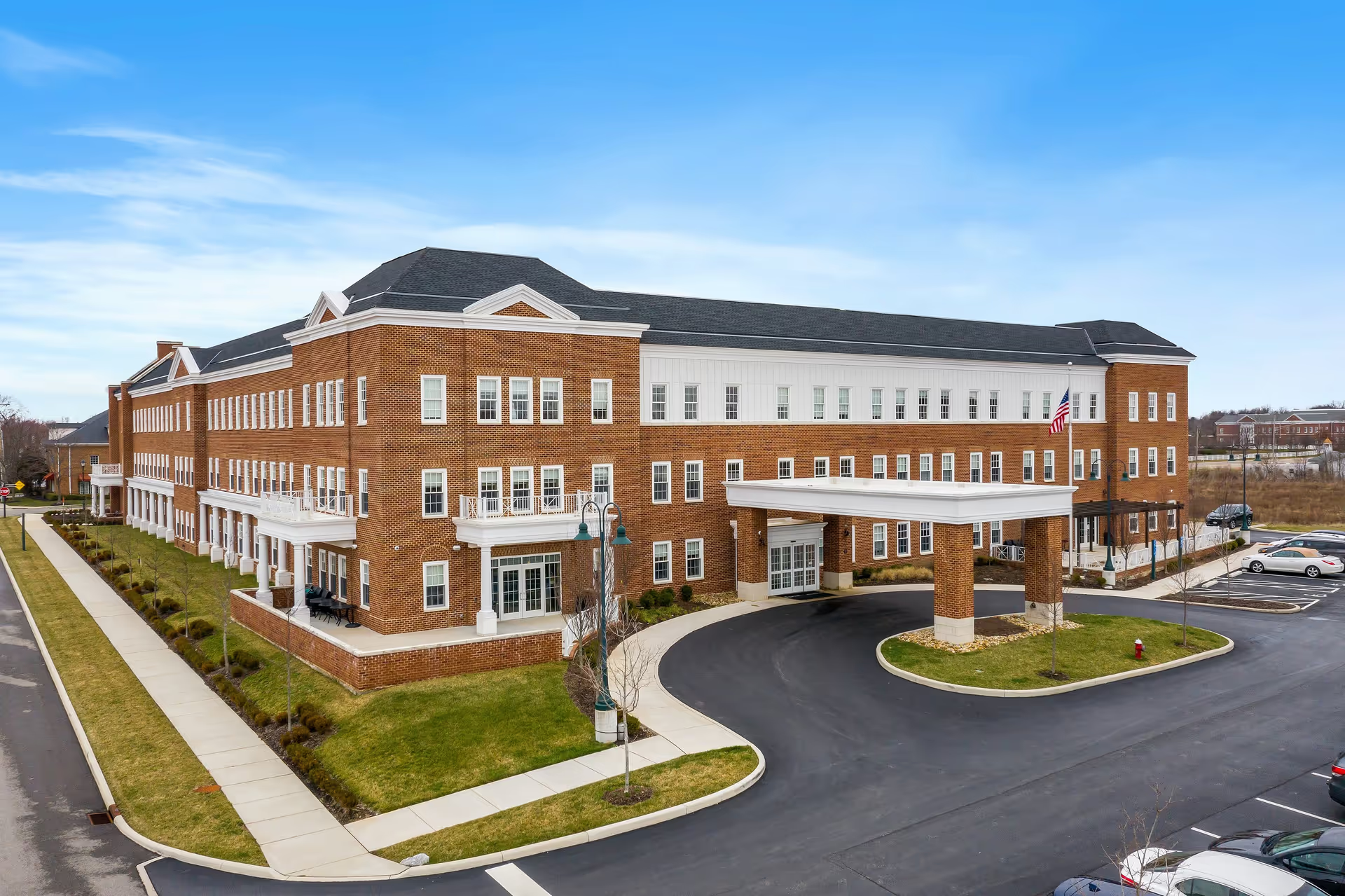
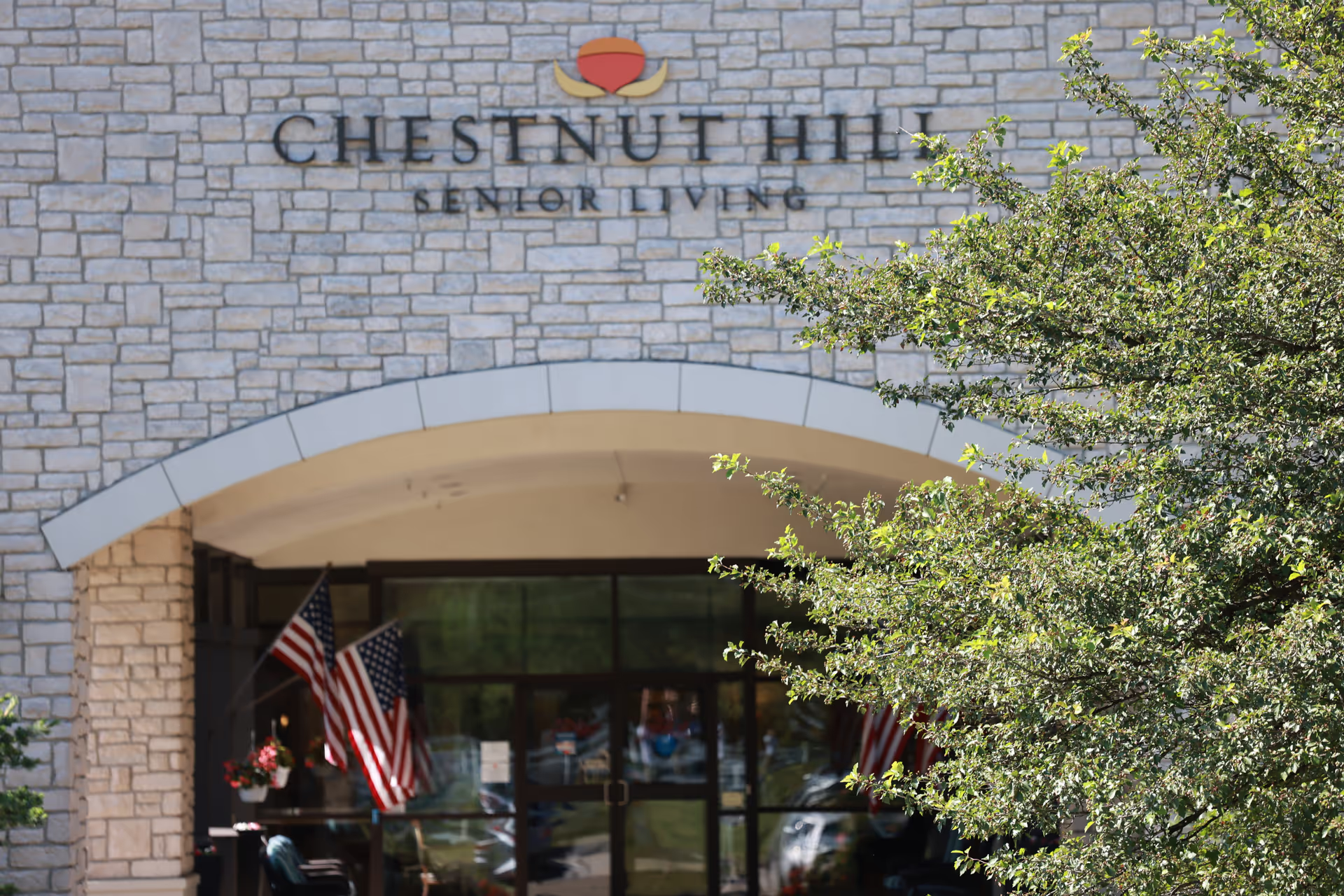
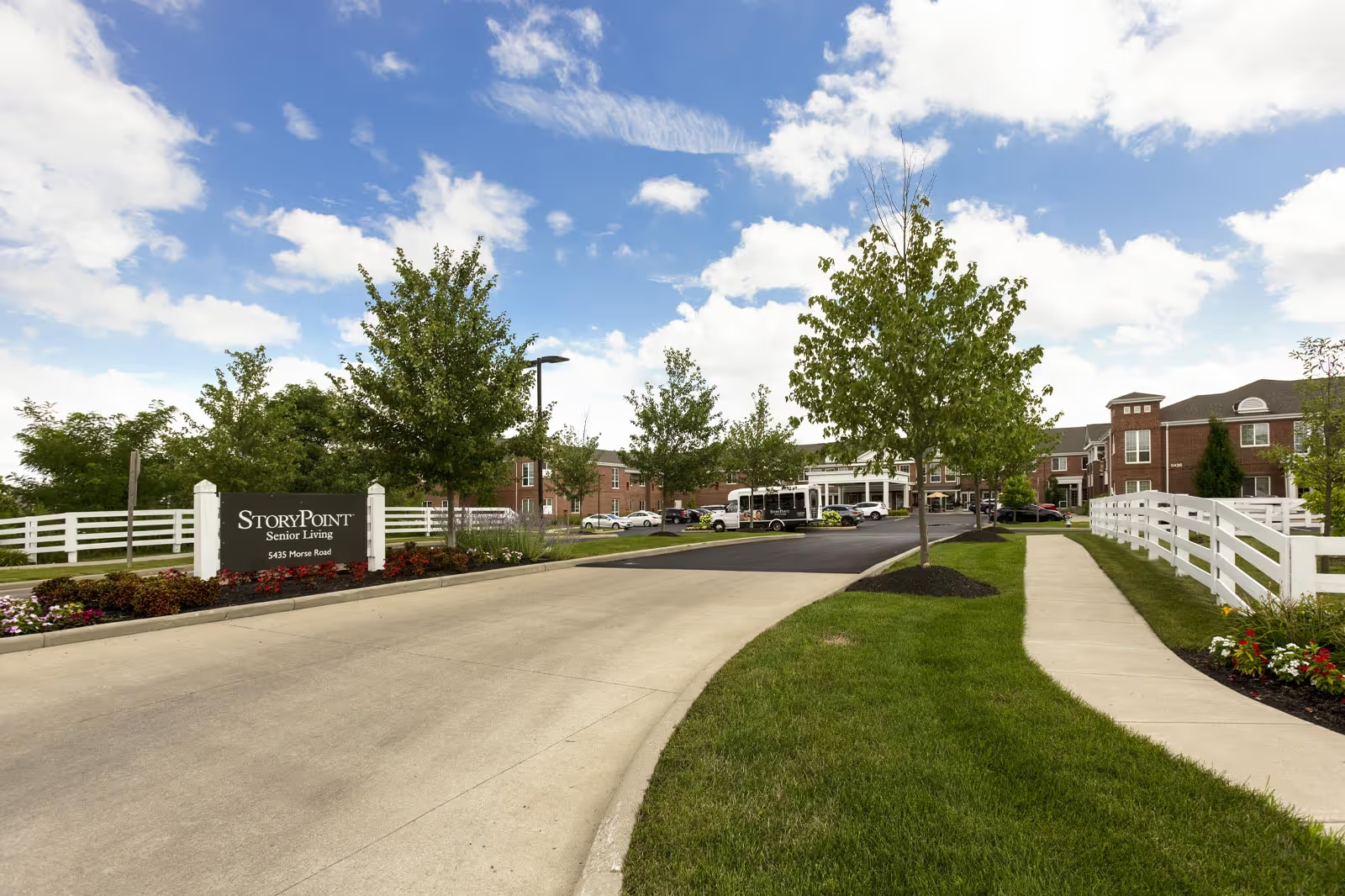
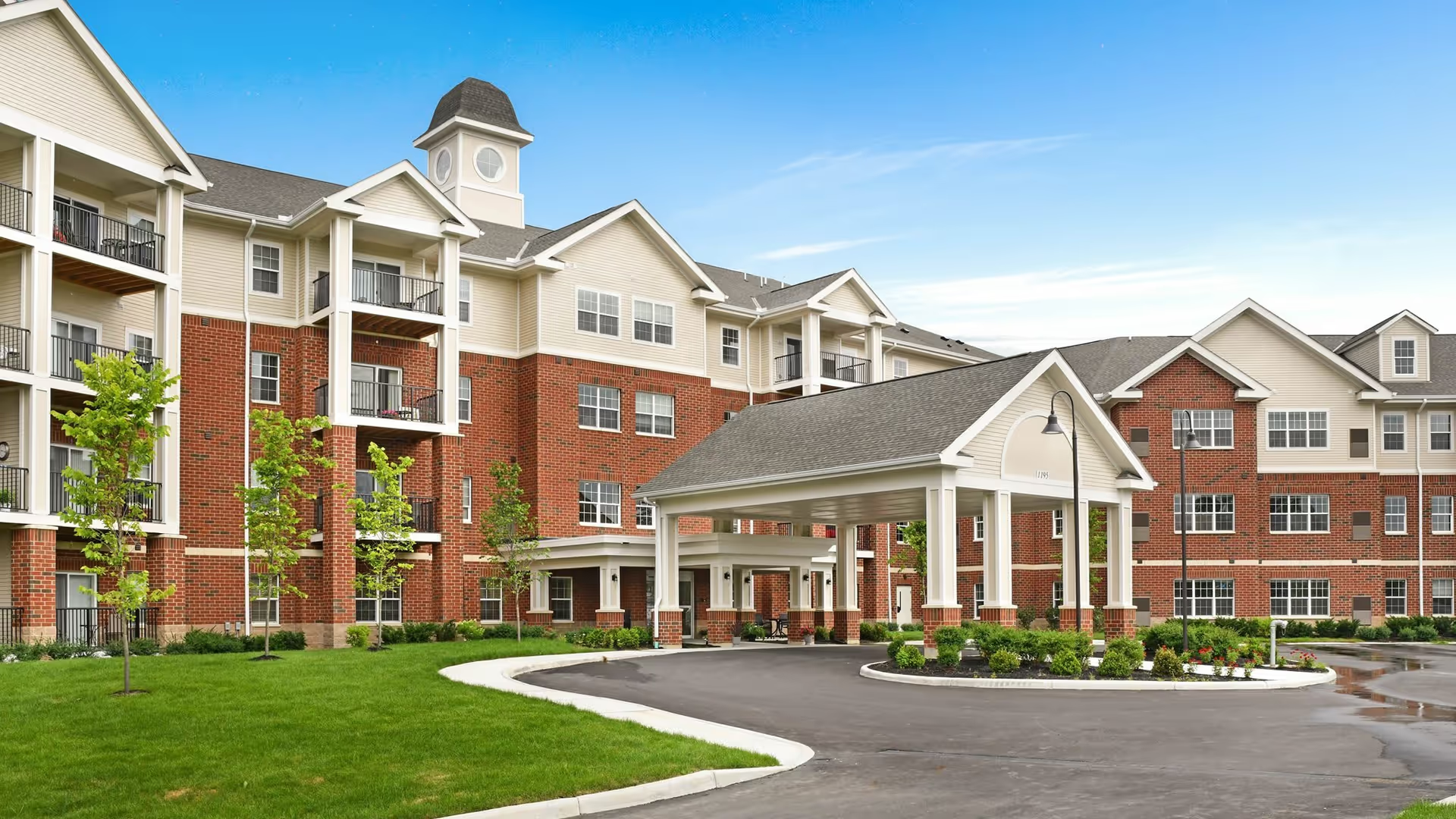
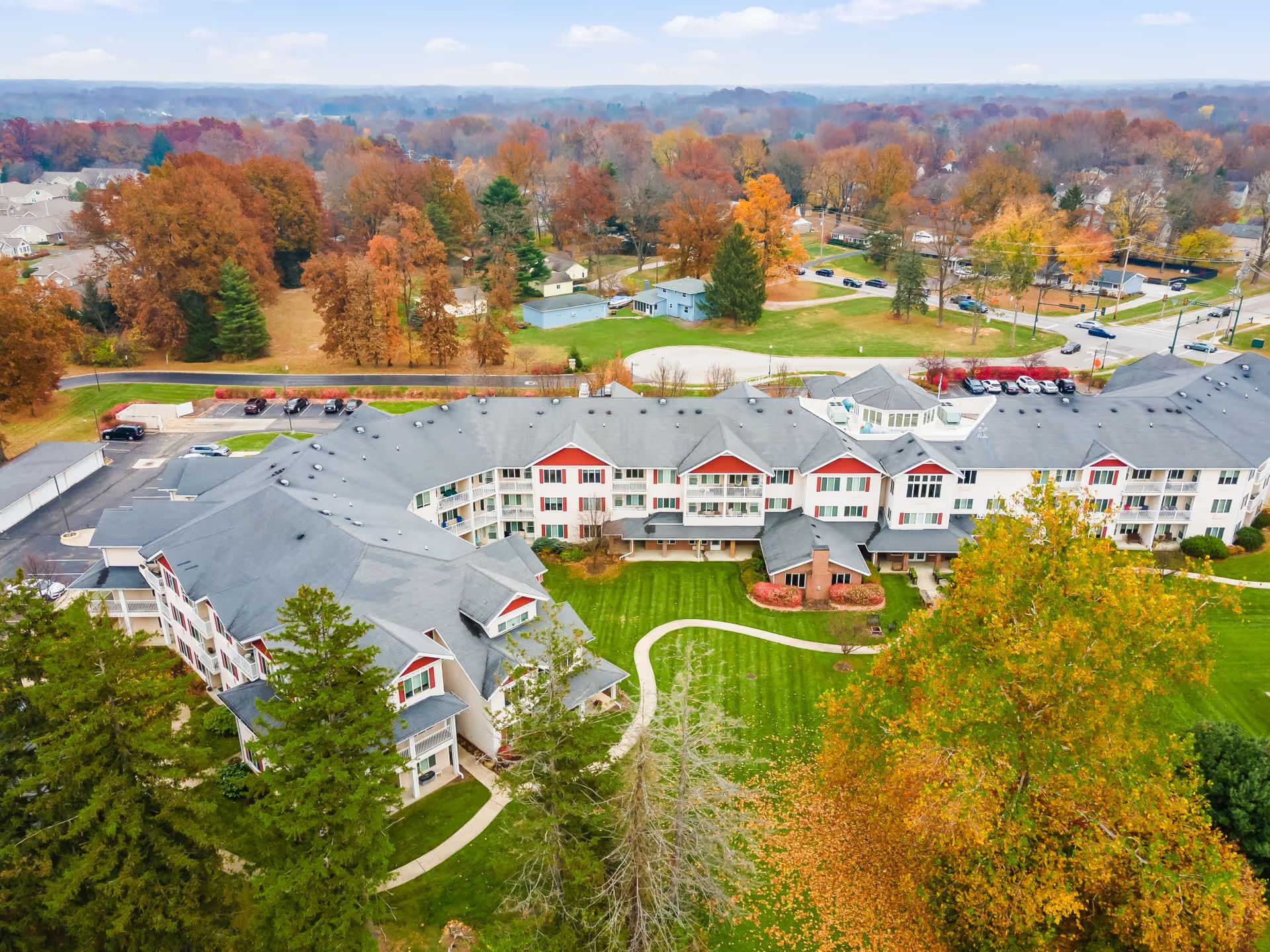
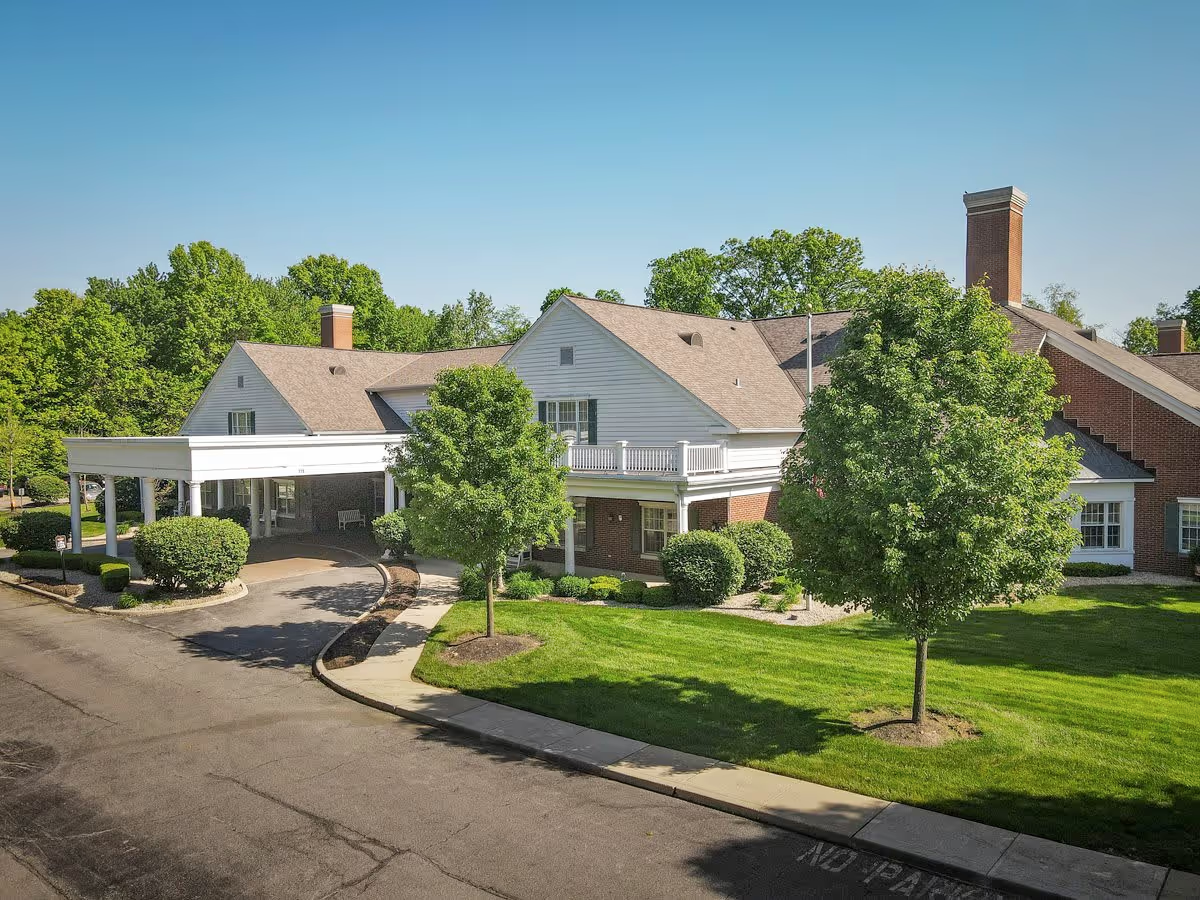
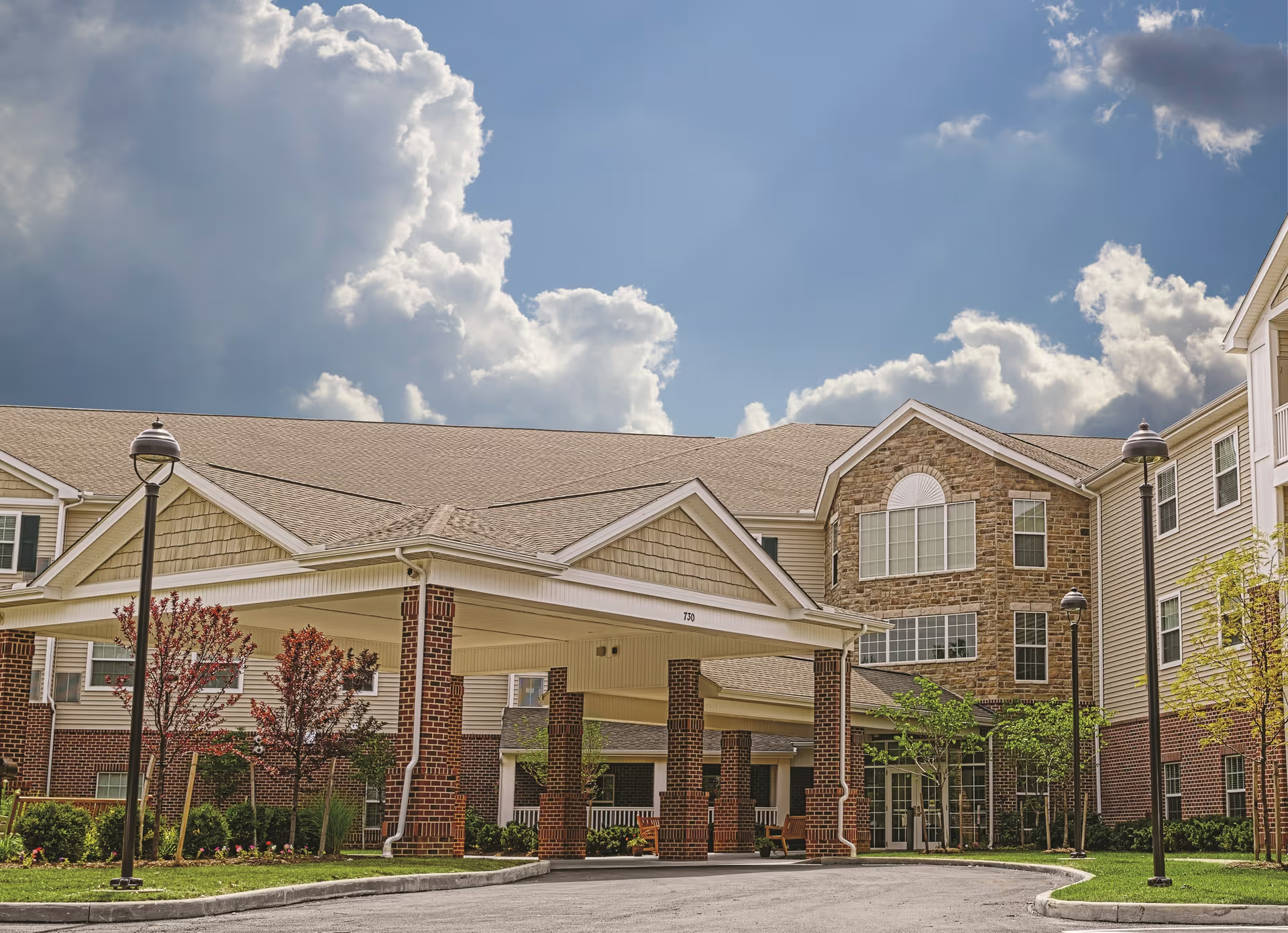
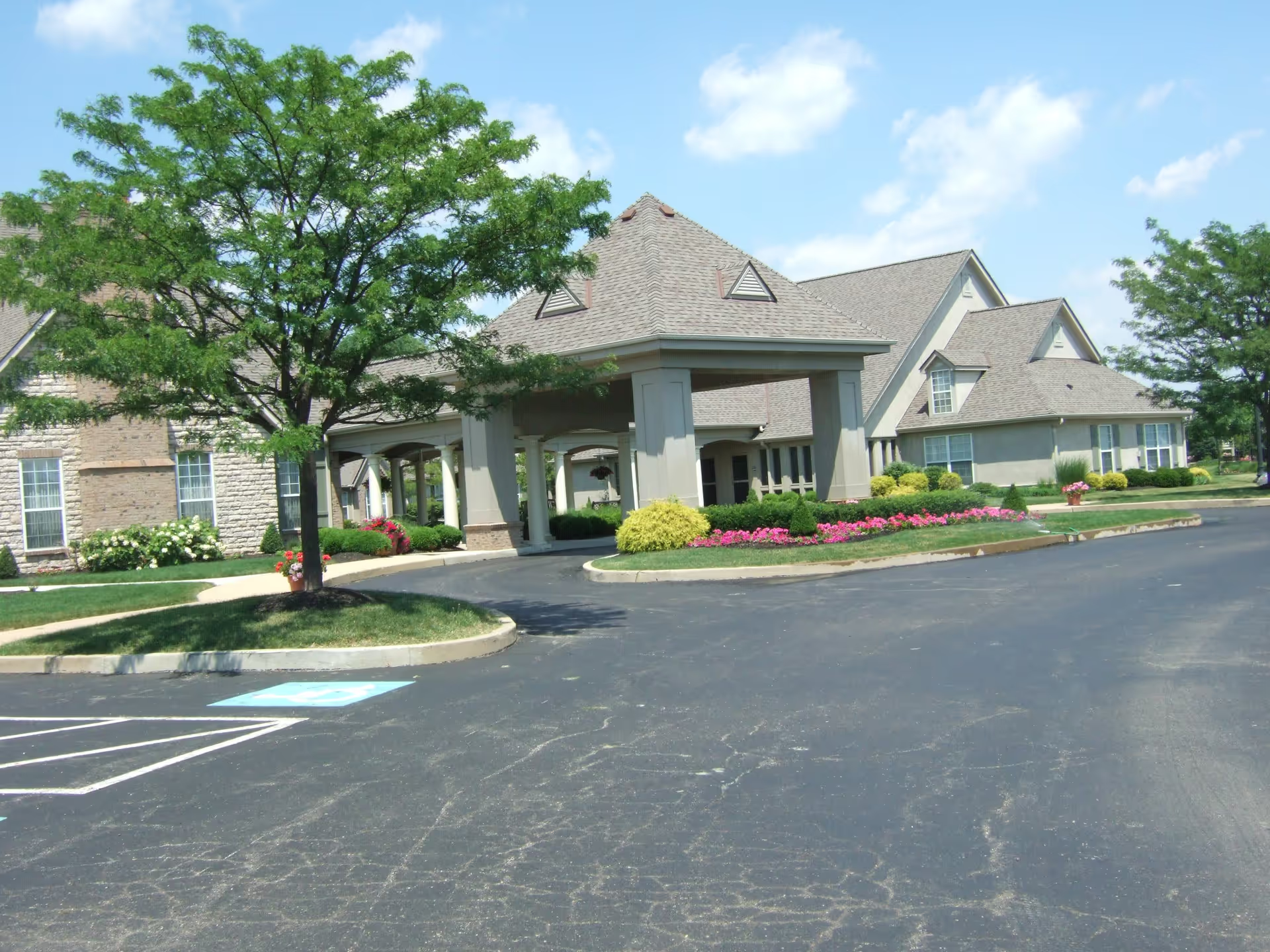
Overall impression: Reviews describe a facility with a strong physical environment and notable strengths among specific caregivers, paired with persistent operational inconsistencies. The campus and cottage model—private rooms with en-suite bathrooms, bright communal spaces, patios and a smaller-house layout—are consistently cited as positive features that reduce the institutional feel. Multiple families praised individual aides, therapists, and social-work staff for compassionate, hands-on support and effective rehabilitation when therapy is delivered as intended.
Care and clinical oversight: Clinical quality appears mixed. Several reports describe competent nursing and effective therapy teams that achieved measurable rehabilitation progress; however, there are also substantive accounts of lapses in clinical oversight, medication management, and failure to follow physician orders. These accounts point to systemic gaps rather than one-off issues: inconsistent adherence to care plans, variable transfer-safety practices, and documented problems with discharge readiness and medication reconciliation. Families should expect variability in clinical attention and verify handoffs, medication lists, and discharge documentation before transitions.
Staff, conduct and staffing patterns: Staff engagement is a contrasting theme. Many reviews highlight attentive, empathetic aides and standout therapists; at the same time, recurring concerns include slow call-light responses, perceived rudeness or poor professionalism, and evidence of staff burnout from expanded duties. Staffing levels are frequently described as inadequate on evenings and weekends, which correlates with reports of delayed assistance, reduced activity programming, and weaker clinical coverage during off shifts. Advocacy and clear escalation channels appear important for families to obtain timely responses.
Dining, activities and amenities: Dining impressions are mixed. Some families described home-style meals and accommodating dietary adjustments, while others reported cold or processed food and inconsistent monitoring for residents with diabetes. Activity programming exists within the smaller-house model, but frequency and staffing for activities vary; an activity therapist available only intermittently was noted. Amenities such as comfortable living areas, visitor seating, and on-site grooming are positive features that contribute to a less institutional atmosphere.
Facilities, maintenance and cleanliness: The physical plant is generally viewed as attractive and thoughtfully designed, but maintenance and sanitation performance is uneven. Cleanliness and upkeep issues—carpet and furniture wear, localized sanitation concerns, and the need for more consistent housekeeping—were cited alongside praise for the new building and outdoor spaces. Prospective residents should tour multiple houses and observe housekeeping and maintenance practices during different shifts.
Management and communication: Administrative strengths include an organized admissions process and staff who can be responsive at intake. Conversely, there are repeated comments about poor follow-through from leadership, limited responsiveness from nursing management, and gaps in family communication, particularly around incidents, care changes, and discharge planning. These communication shortfalls amplify the impact of clinical and staffing inconsistencies.
Notable patterns and guidance for families: The overall pattern is one of significant variability by house, shift, and individual caregiver. When positive elements—skilled therapists, compassionate aides, attractive environment—are present, outcomes and family satisfaction are high. Where the operational weaknesses manifest—understaffing, inconsistent clinical oversight, poor communication—families report substantial concerns. Prospective residents and families should (1) inspect the specific house they will occupy, (2) confirm staffing levels for nights/weekends, (3) request written care and discharge plans including medication lists, and (4) identify point people for escalation. These steps can help maximize the facility’s strengths while mitigating the recurring operational risks described in reviews.