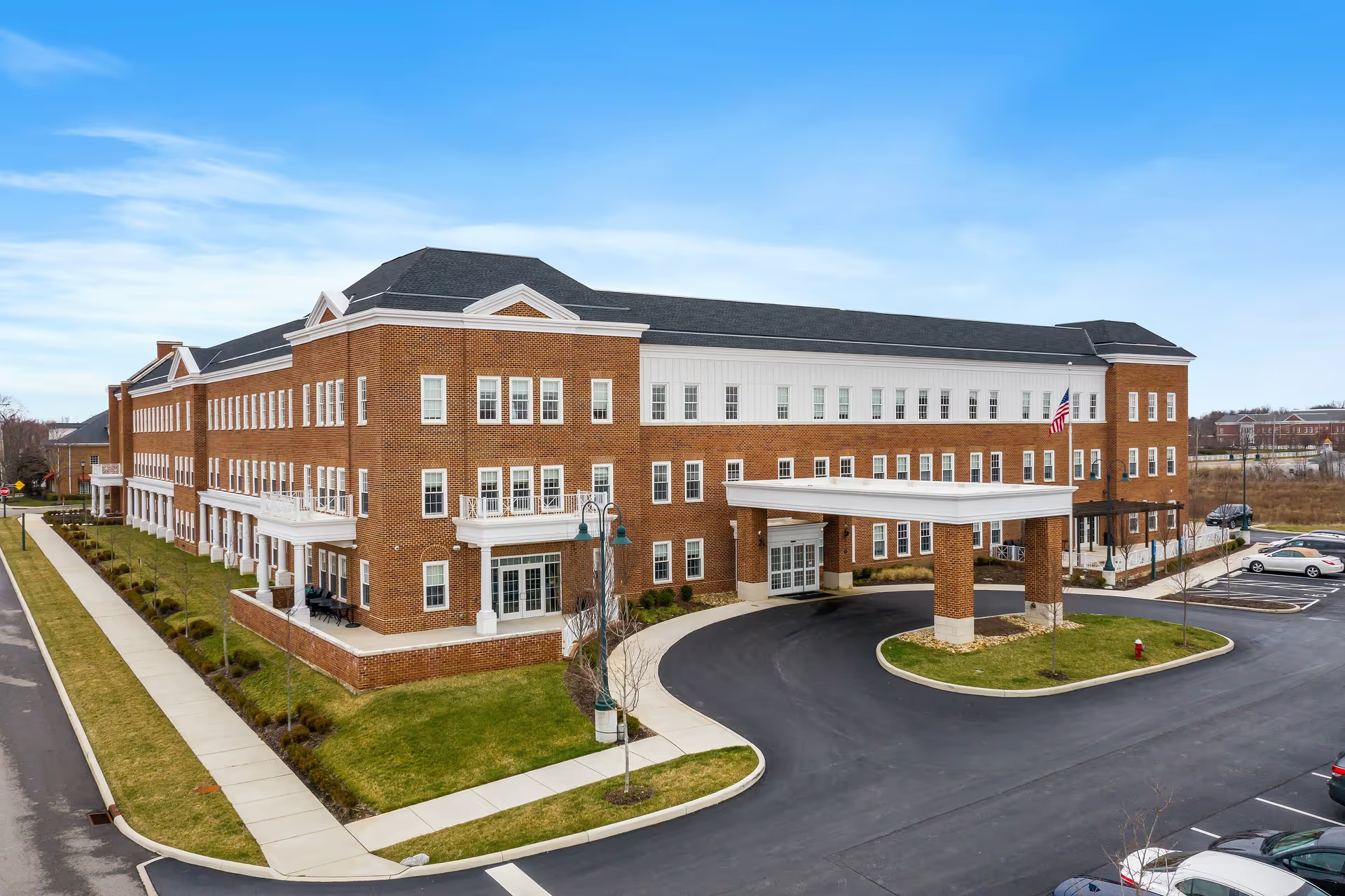
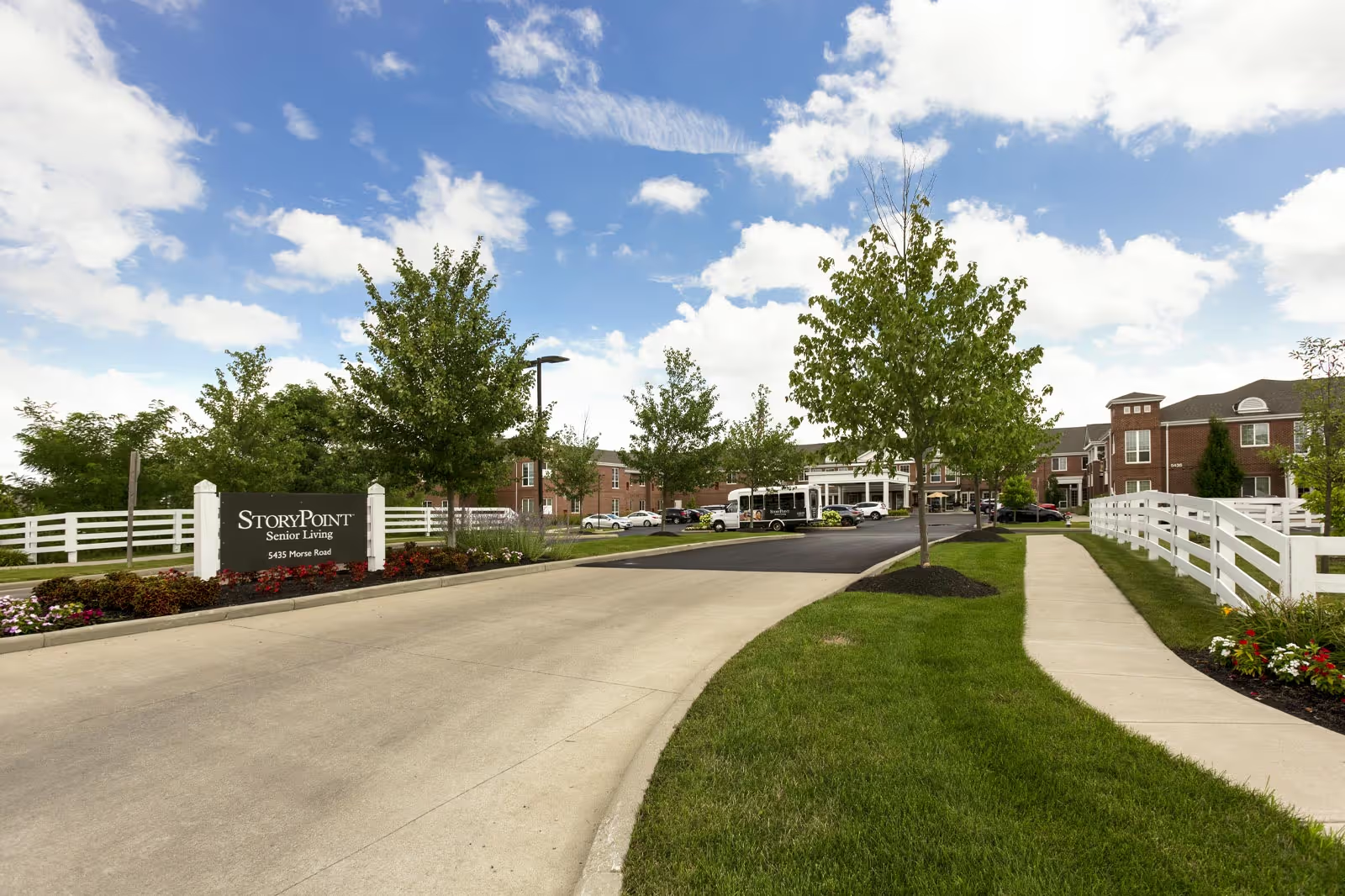
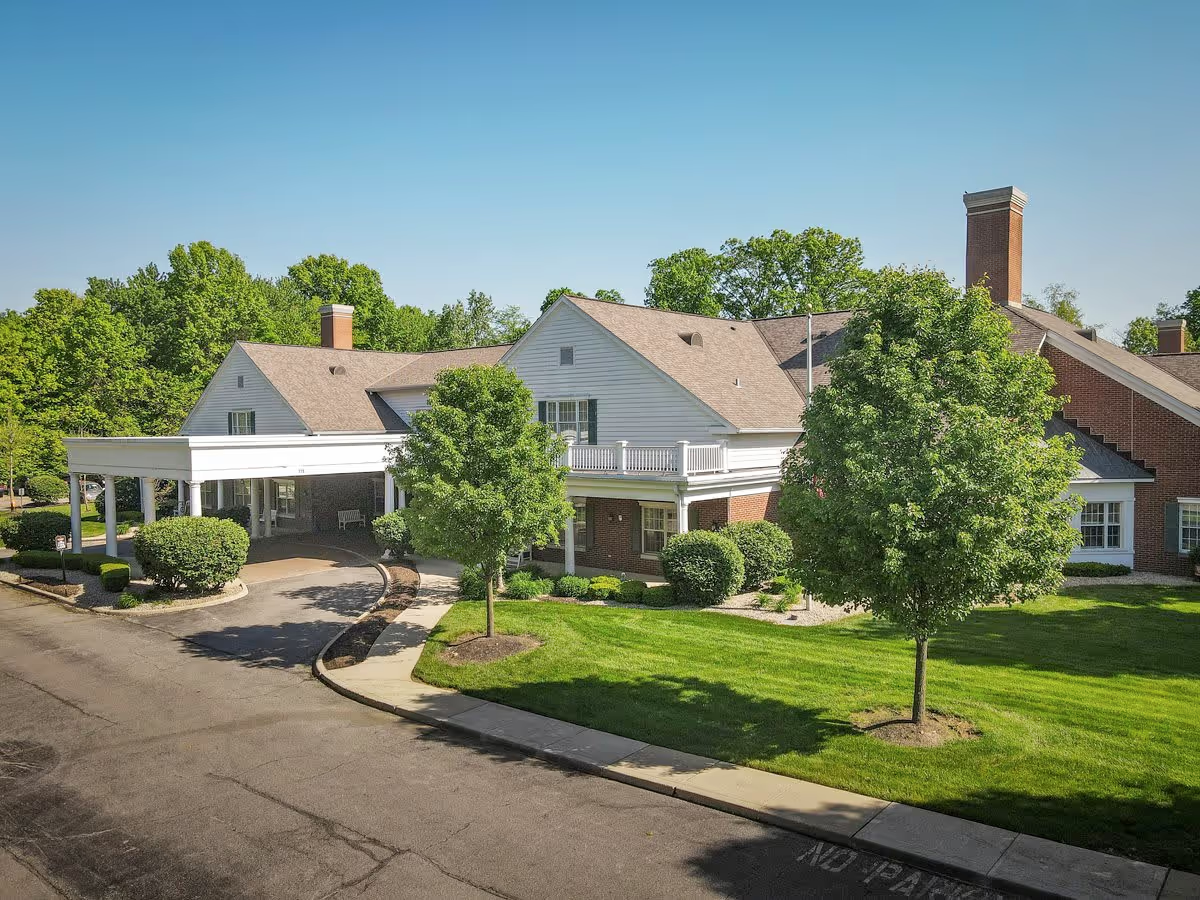
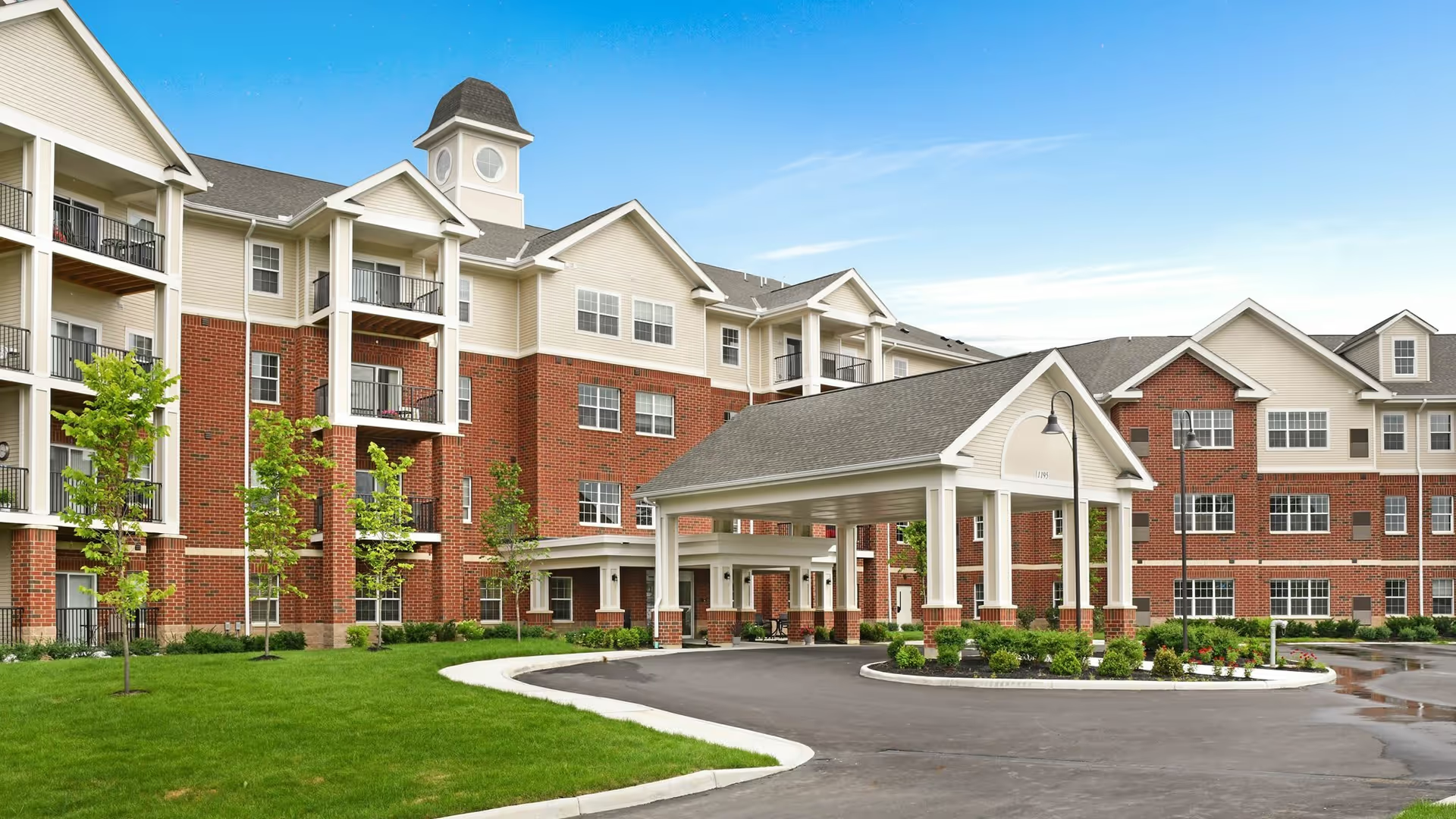
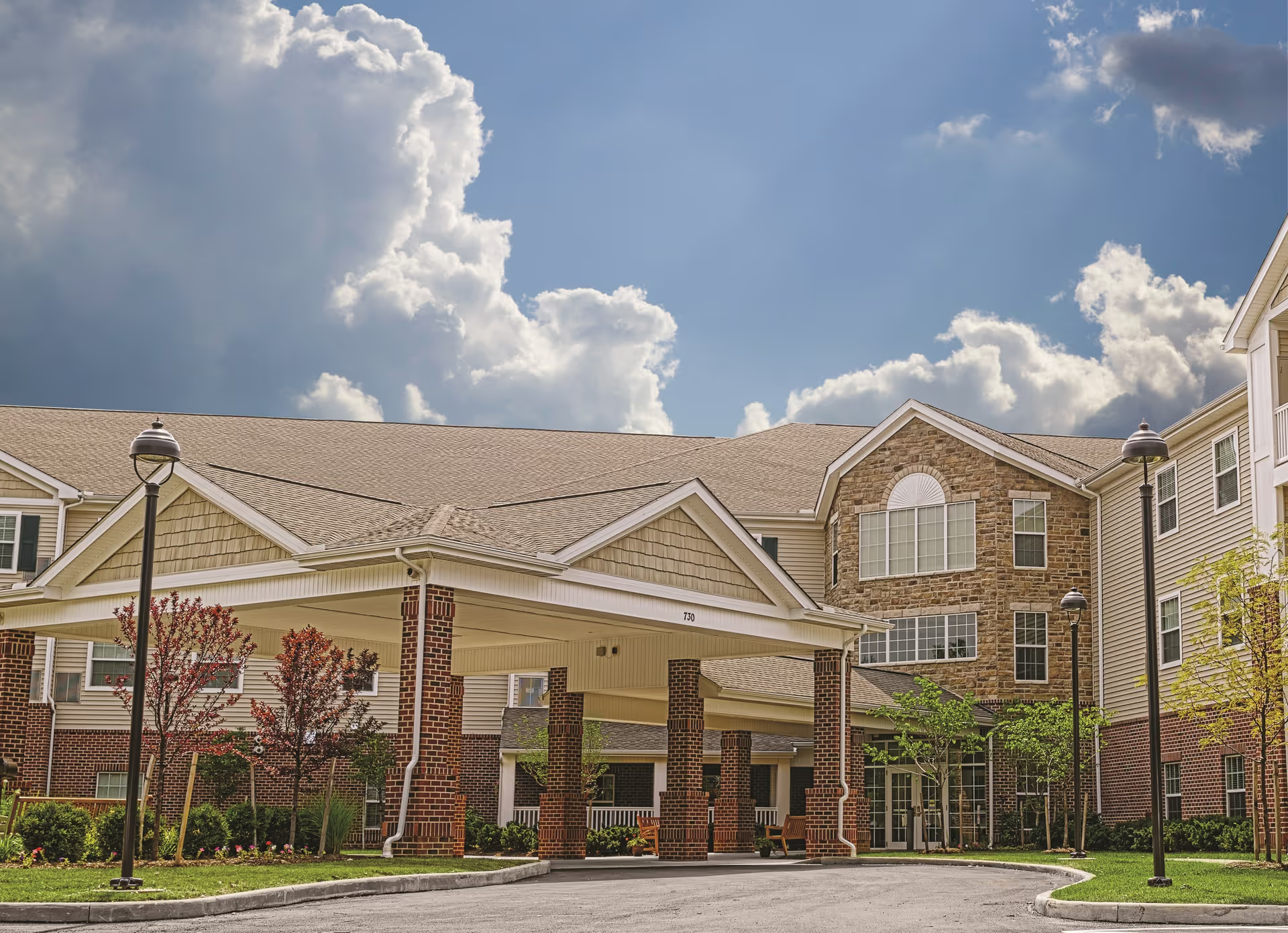
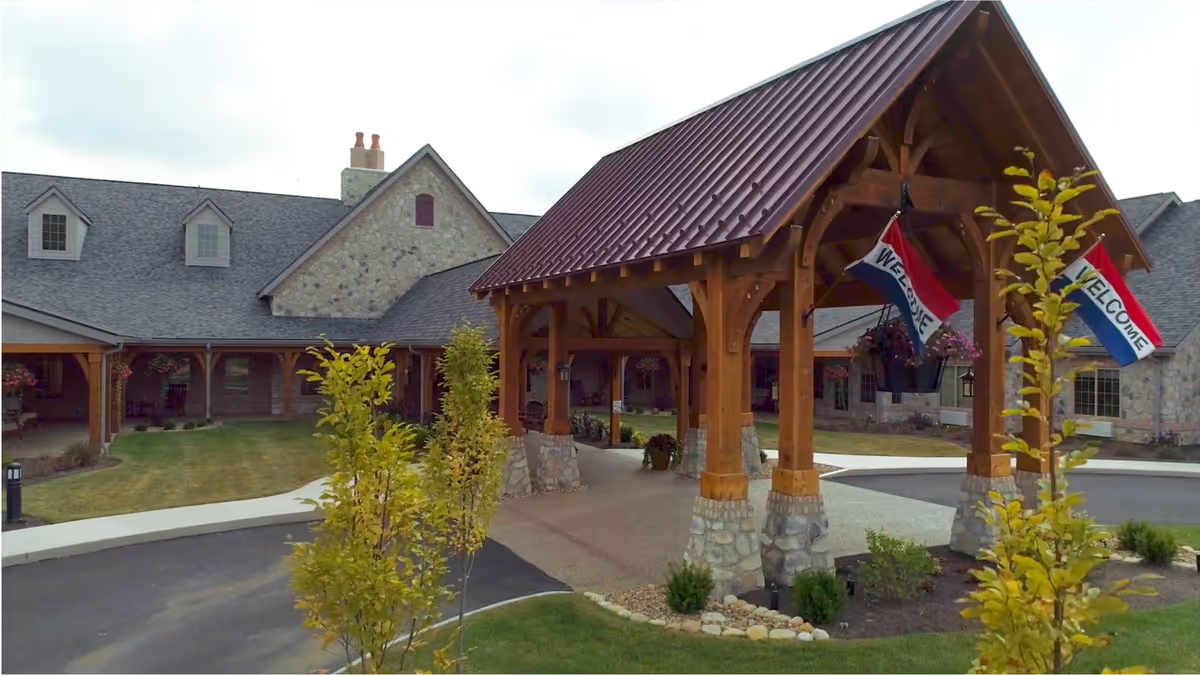
Smith's Mill Health Campus elicits strongly polarized impressions: many families and residents praise the facility for its therapeutic services, chef-led dining, active social programming, and attractive new campus, while a notable subset raise operational concerns tied to staffing and responsiveness. The facility presents as modern and well-appointed, with clean private rooms, an appealing dining hall, and a lively calendar of activities that contribute to a family-like atmosphere for residents who thrive there.
Care and staff: Reviews consistently highlight compassionate, personable aides, nurses, and therapy teams who can deliver attentive care and help residents progress on rehab goals. Physical and occupational therapy are cited repeatedly as strengths that facilitate transitions from skilled nursing to independent living. At the same time, reviewers describe variability in staff competence and conduct across shifts; staffing shortages and inconsistent coverage are recurrent themes that appear to drive many of the negative operational outcomes described.
Dining and activities: Culinary services are a clear strength. A named chef and servers receive frequent positive mention for high-quality, varied meals and attention to resident preferences. Activities programming is extensive and well-staffed when available — exercise classes, outings, themed events and regular social opportunities are frequently described as life-enriching and important to resident satisfaction.
Facilities and operations: The physical environment is frequently praised as new, bright, and well maintained. Practical amenities such as private bathrooms, in-room connectivity, and transportation for medical appointments are positives. However, several operational concerns recur: delayed responses to call lights, unreliable call-button notification behavior, inconsistent bathing and incontinence-care schedules, and medication administration delays. These issues are most often framed as patterns related to staffing levels and after-hours coverage rather than isolated one-off events.
Management and communication: Admissions and certain leadership-level interactions are described as thoughtful and proactive by multiple families, and some reviewers report good coordination with hospitals. Conversely, others report gaps in communication, delayed administrative follow-up, billing frustrations, and limited responsiveness during evenings or weekends. There are occasional serious, individual allegations (including concerns about property security and concerns following a resident's death); these appear infrequent but significant and suggest that prospective families should seek details about incident resolution and oversight during a visit.
Notable patterns and guidance: The dominant positive themes are strong therapy services, high-quality dining, active programming, and a welcoming physical environment. The dominant negative themes are operational and staffing-related: inconsistent coverage, delayed assistance responses, and variability in clinical consistency and communication. Prospective residents and families considering Smith's Mill may benefit from observing staffing levels during different shifts, asking about call-button mechanics and after-hours coverage, reviewing medication-administration protocols, confirming transportation and insurance limitations, and speaking with current families about how the facility handles complaints and incident follow-up.