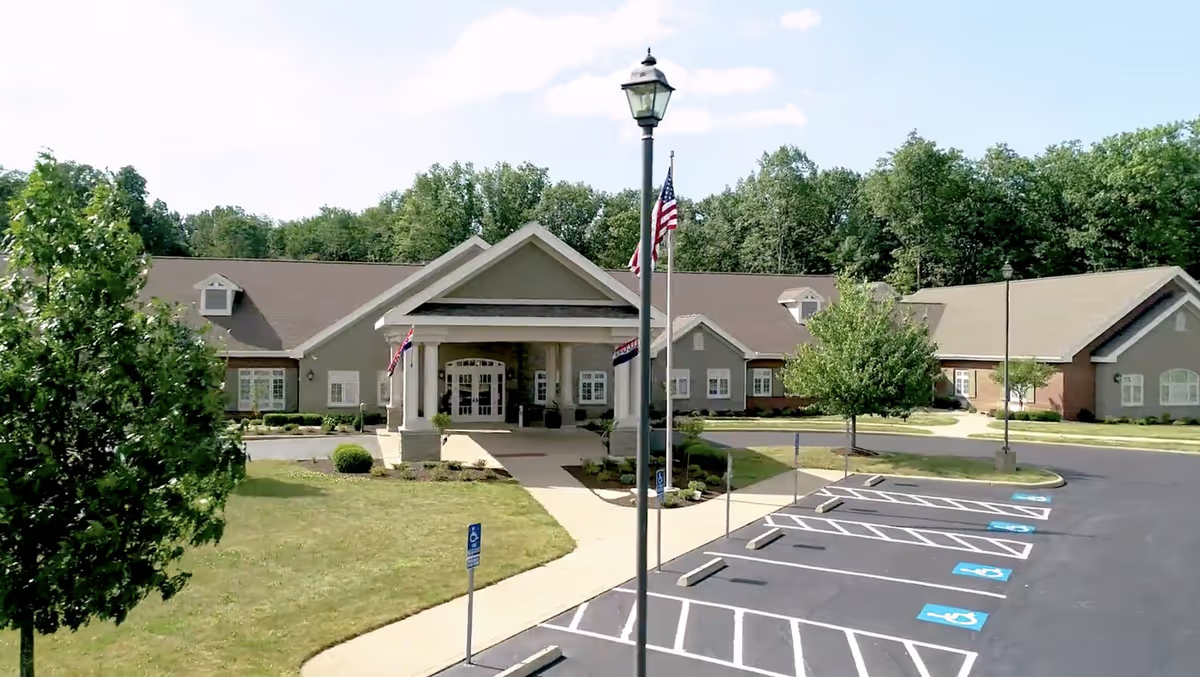
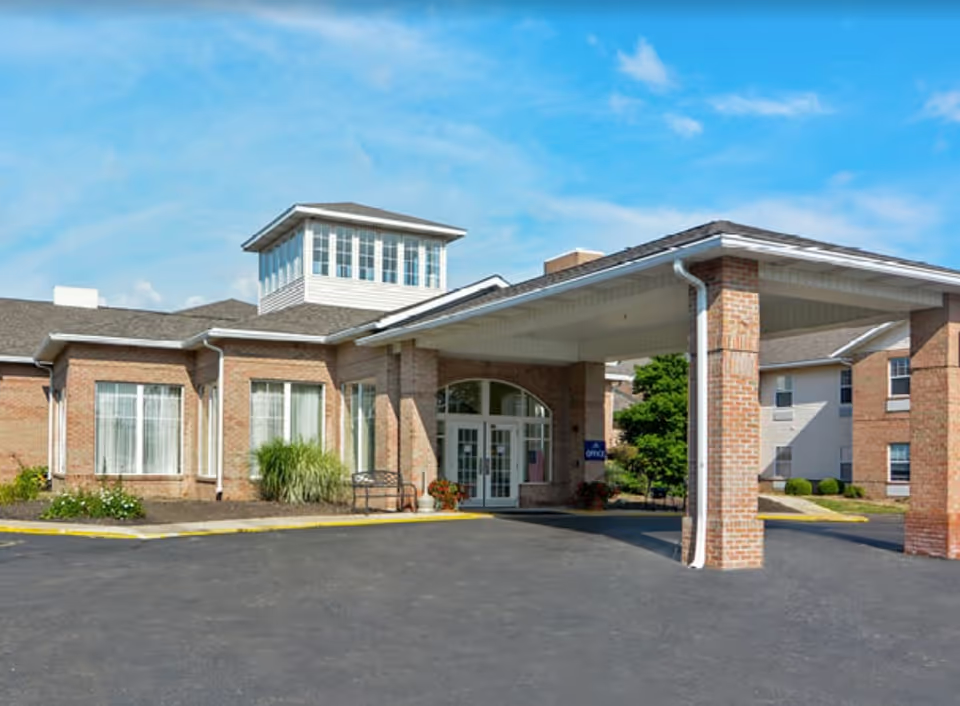
Laurels of New London is described in overwhelmingly positive terms across the aggregated reviews, with consistent emphasis on compassionate clinical care, strong therapy services, and an engaged, family-style culture. Nursing staff, aides, and therapists receive repeated praise for hands-on assistance, rehabilitation progress, and attentive communication with families. Several reviewers called out individual staff members (for example, marketing/admissions and outreach personnel) who facilitated admissions, paperwork, and family communication; leadership involvement and visible administration were also noted as strengths.
Clinical services and rehabilitation stand out as a core strength. Physical and occupational therapy teams are frequently characterized as effective and motivating, with measurable progress during short-term rehab stays. Reviewers described efficient transitional care after hospitalization, thorough therapy plans, and helpful discharge communication. Medical and nursing teams are often described as knowledgeable and compassionate; many families highlighted clear updates about changes in condition and coordination of appointments.
The facility environment and programming support a home-like experience. The building and rooms are described as clean, well maintained, and inviting, with holiday decorations, regular social events, and community outreach such as holiday gift programs, egg hunts, trunk-or-treat, informational coffee-shop sessions, and outings like county fair trips. Recreational programming (bingo, luncheons, music, socials) and active community engagement are recurring themes, contributing to socialization and resident satisfaction. Dining is generally viewed as varied and accessible, with menu options available at many times.
Notwithstanding the many positives, several operational patterns emerged as areas for improvement. Some reviews indicate occasional staffing limitations that can affect responsiveness and perceived timeliness of care; this ties into isolated clinical safety concerns noted by families (falls, bruising, and other acute events) that suggest opportunities to strengthen fall-prevention and transfer-safety protocols. A small number of comments raised concerns about responsiveness in specific acute situations and about the comfort or maintenance of resident furniture and beds. Room size and availability of private rooms were also called out by some families as a constraint for couples or those seeking more private accommodations.
Other practical considerations include variability in food satisfaction (some residents liked the meals while a few did not) and the perception of cost. Infection-control measures implemented during public-health events were additionally described as burdensome by some families because they limited in-person interaction, although reviewers also acknowledged that those policies contributed to low infection incidence during stays. Administration and staff advocacy were frequently cited as mitigating factors when families encountered issues; reviewers described staff who were willing to take calls, help with Medicaid pricing, and arrange logistics.
Overall, Laurels of New London projects a strong profile as a small, rehab-focused facility with notable strengths in therapy, compassionate caregiving, cleanliness, and active community programming. Prospective residents and family members should weigh the facility’s therapeutic strengths and close-knit atmosphere against occasional operational constraints such as staffing variability, room-size limitations, and individual preferences for dining and furniture comfort. For families prioritizing individualized therapy, engaged staff, and community programming, Laurels appears to be a solid option; those who prioritize larger private rooms or are particularly sensitive to occasional staffing-related delays should discuss those topics directly with management during the tour and admission process.