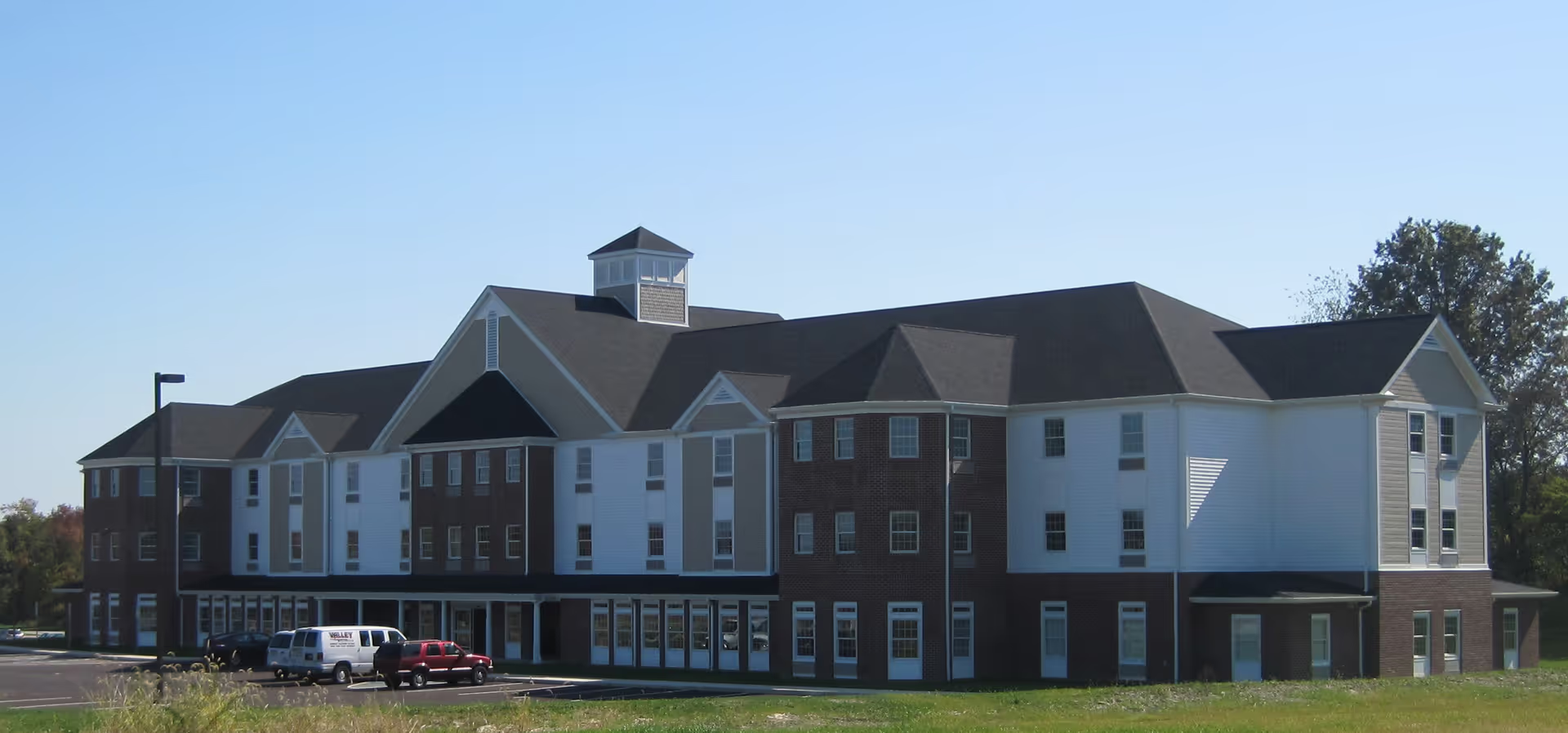
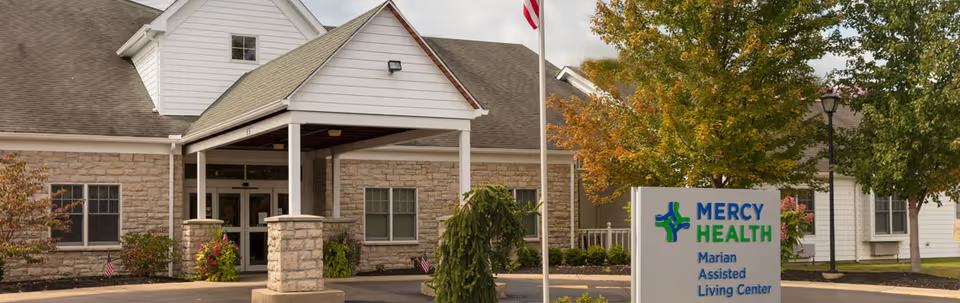
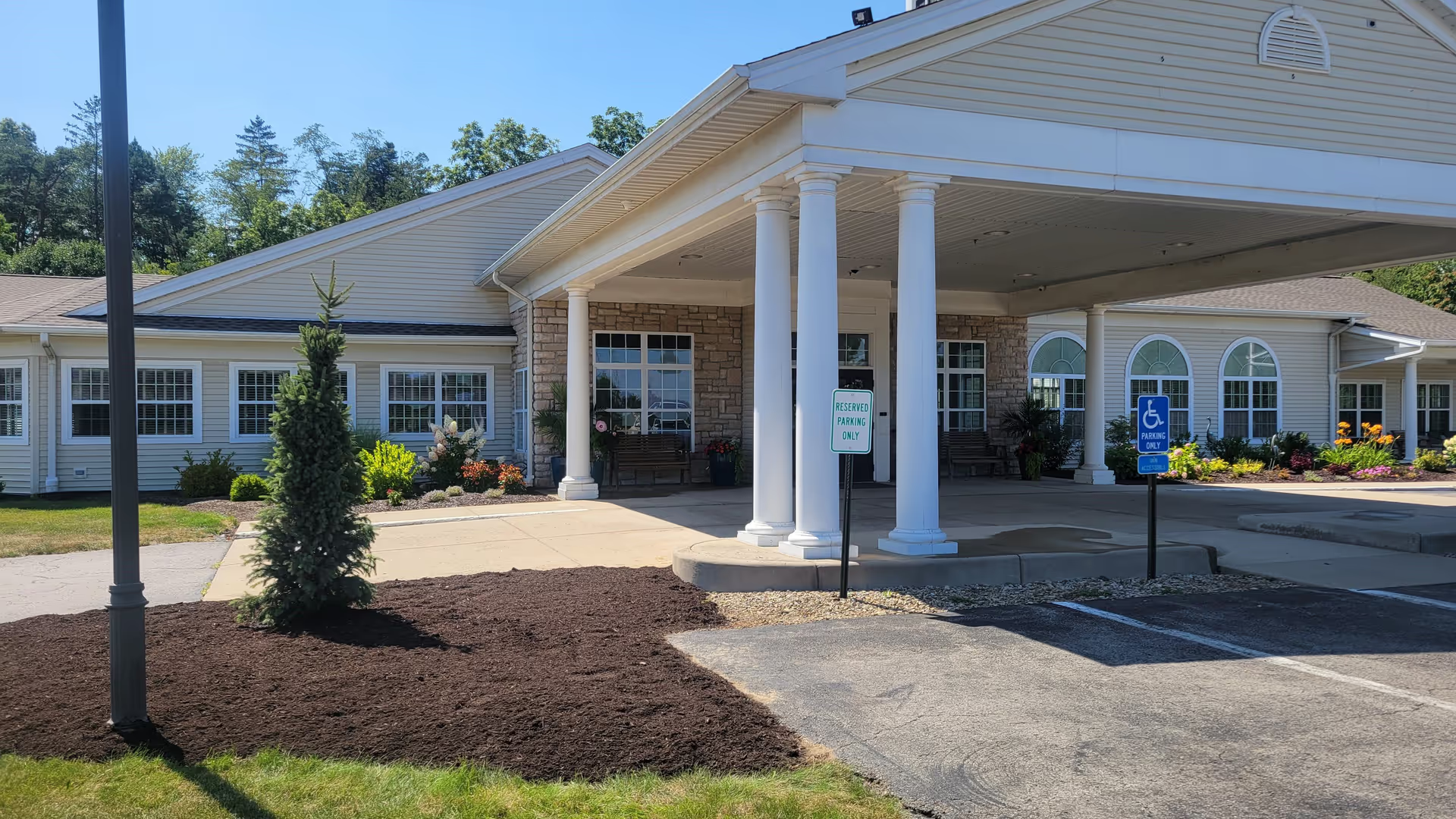
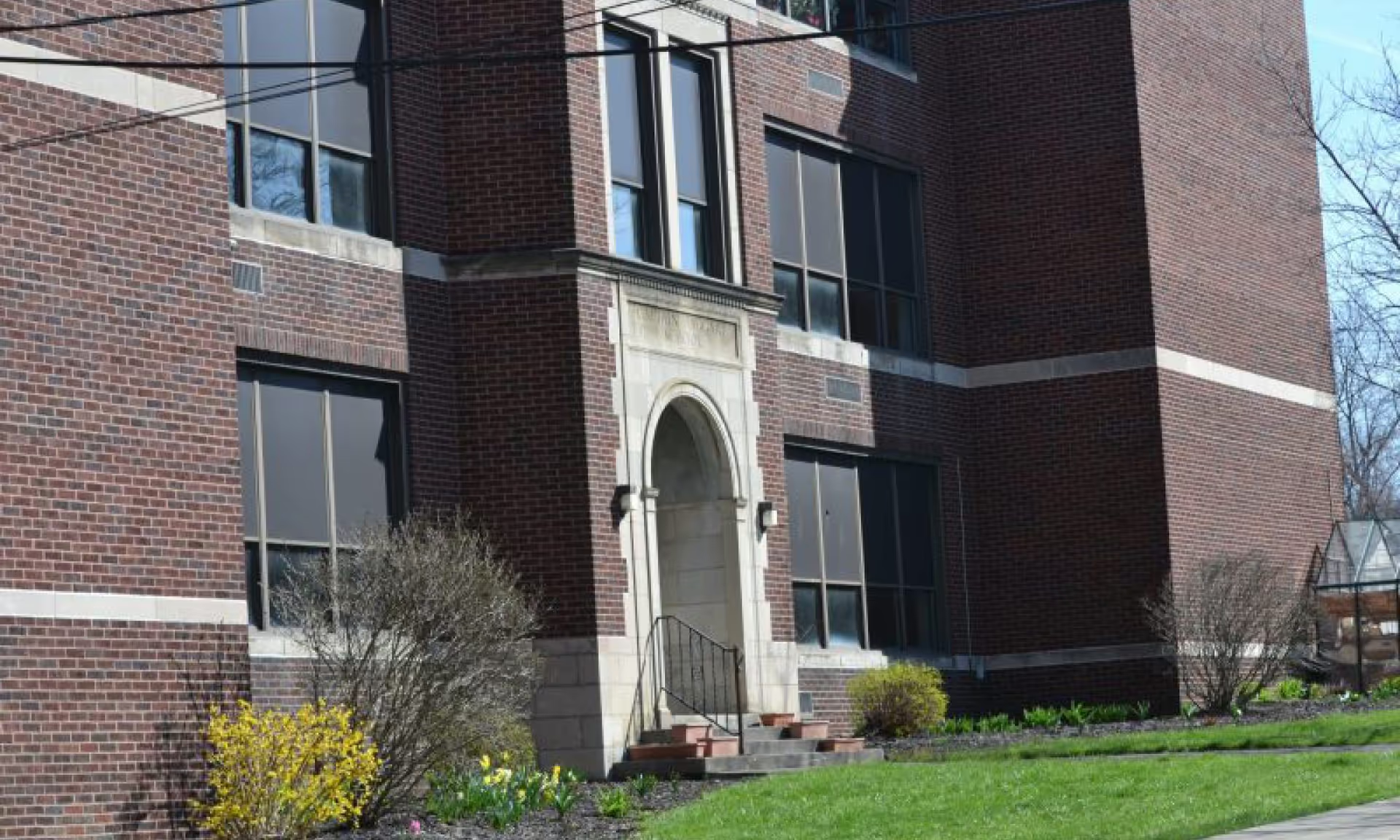
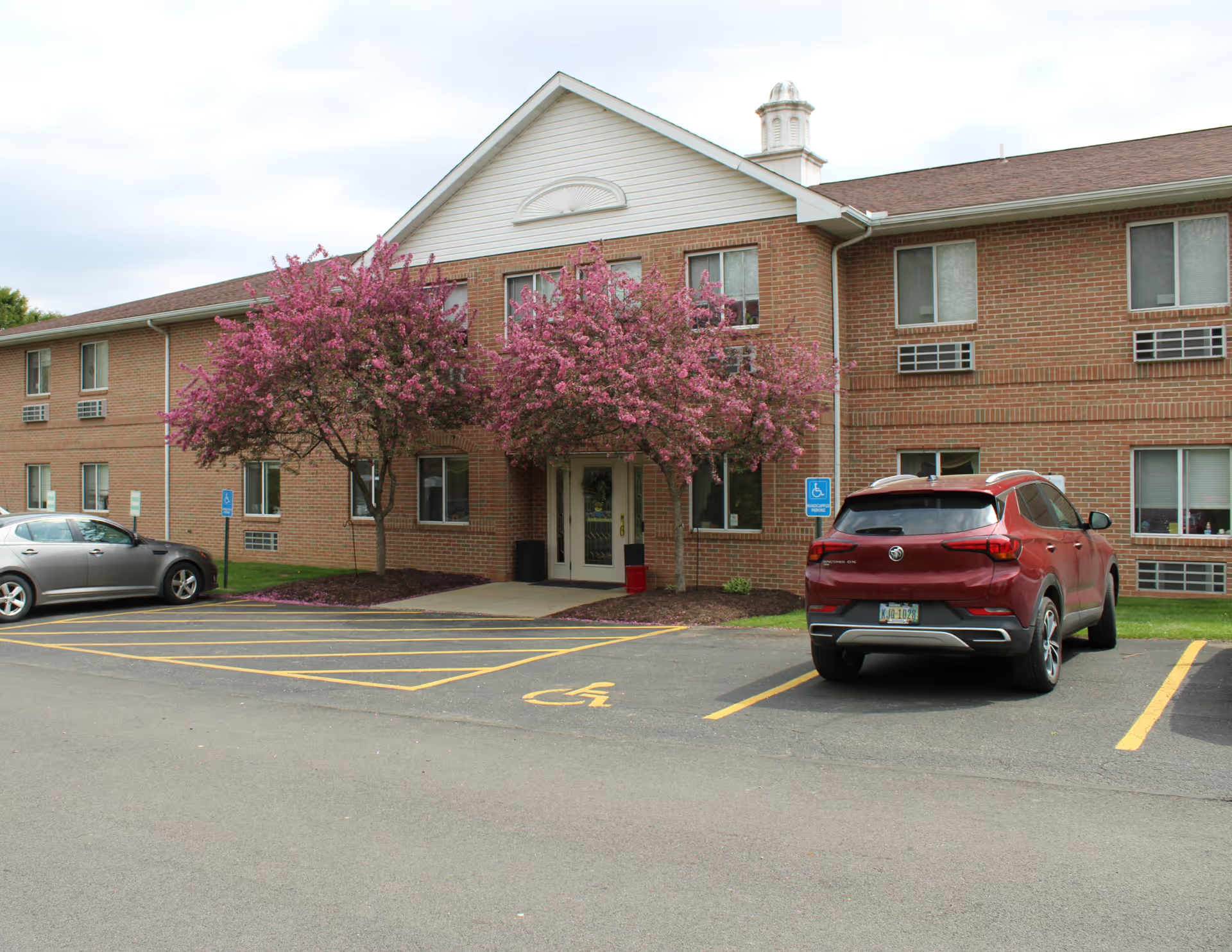
Masternick Memorial presents a mix of clear strengths and operational inconsistencies. On the positive side, many reviewers describe a clean, well-maintained facility with comfortable rooms and an overall home-like atmosphere. Clinical staff receive repeated praise: nurses and physicians are described as responsive, and the rehabilitation/therapy team is frequently singled out for delivering effective, patient-focused care. Numerous comments reflect an attentive and compassionate caregiving culture, with staff characterized as friendly, comforting, and helpful.
At the same time, several reviewers identified persistent operational concerns that may affect resident experience. Staffing shortages and variable staffing levels were mentioned as a factor that can limit responsiveness and continuity of care. Linked to staffing and workflow issues, dining quality appears inconsistent across shifts or units: some reviewers rated meals as very good, while others described poor diet quality and associated declines in appetite and weight. These differences suggest gaps in nutrition monitoring and meal-service consistency.
Social and psychosocial programming is another area of variability. Multiple comments describe limited activity offerings and low levels of engagement, with some residents spending long periods in front of the television. For families prioritizing social stimulation and structured programming, this pattern may be notable. Facility accommodations are generally described as comfortable, but a subset of comments characterizes rooms as more clinical or basic in feel; expectations around private-room assignments and other accommodation commitments were not always met.
Finally, there are recurring remarks about staff conduct and administrative communication. While many staff are praised for compassionate care, a smaller set of comments raise concerns about rude interactions or abrupt personnel decisions and terminations; these items point to potential issues with management communication, staff turnover, or workplace culture. Overall, prospective residents and families should weigh the facility's strong clinical and rehabilitative strengths and evident cleanliness against reported variability in staffing, dining consistency, activity programming, and administrative follow-through. Visiting in person, asking for current staffing and activity schedules, and clarifying room-assignment policies would help assess whether the facility’s current operations match a prospective resident’s priorities.