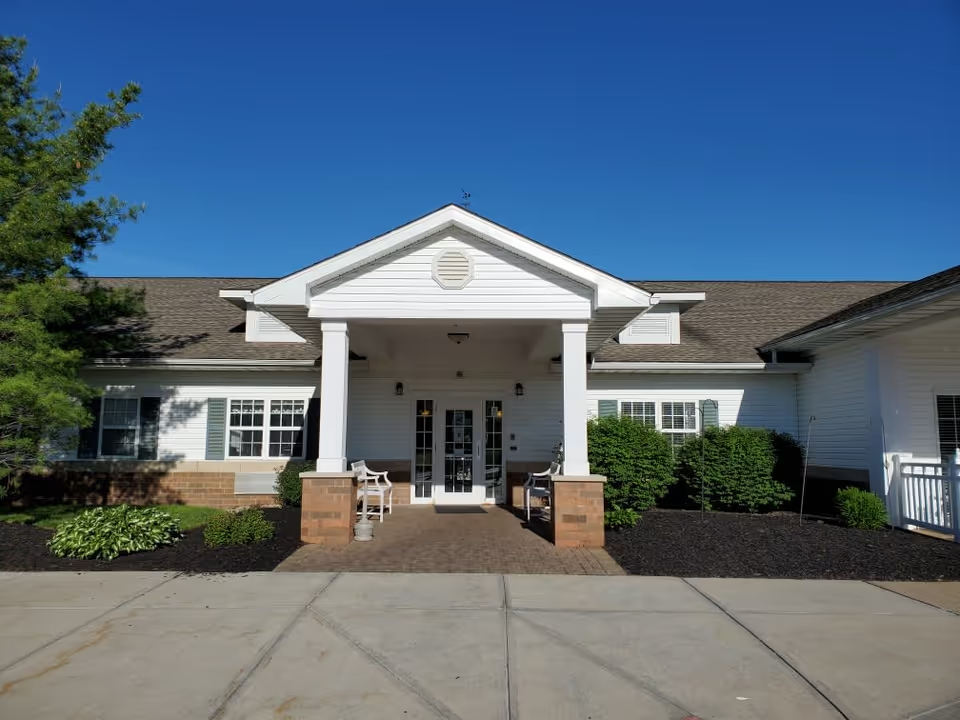
Ohman Family Living at Holly is consistently described as a well-appointed, family-owned facility with a strong emphasis on compassionate direct care and effective rehabilitation. Reviewers frequently praise the therapy teams, attentive nursing during rehab stays, housekeeping and maintenance, and the facility’s attractive, country-like setting. Many families report positive, personal interactions with staff and leadership, a home-like and faith-oriented atmosphere, and good clinical oversight during short-term stays that supports rapid recovery and return home.
Care and staff: The dominant positive pattern is staff compassion and clinical skill, particularly in the therapy and short-term rehab areas. Nursing assistants and therapists receive repeated commendation for attentiveness and personal attention; social-work and admissions staff are often described as helpful in transition and discharge planning. However, these strengths are juxtaposed with recurring operational concerns: families note inconsistent management behavior, variable performance by agency staff, and episodic short-staffing that can create delays in responses to call lights and routine needs. Reviewers describe meaningful differences in experience between units — rehab typically scores highly, while some long-term care experiences are less favorable — suggesting unit-level variability in staffing, training, or supervision.
Dining and activities: Opinions about dining and activities are mixed. Several families highlight engaging programming and dedicated activity staff who help residents remain active and socially connected. At the same time, others cite inconsistent meal quality, cold or poorly presented items, and limited meal-service flexibility (for example, restricted in-room dining and centralized medication administration) that some residents and families find restrictive. Activity engagement appears to be strong in parts of the facility but inconsistent for certain residents, with reports of limited meaningful engagement for those in other units.
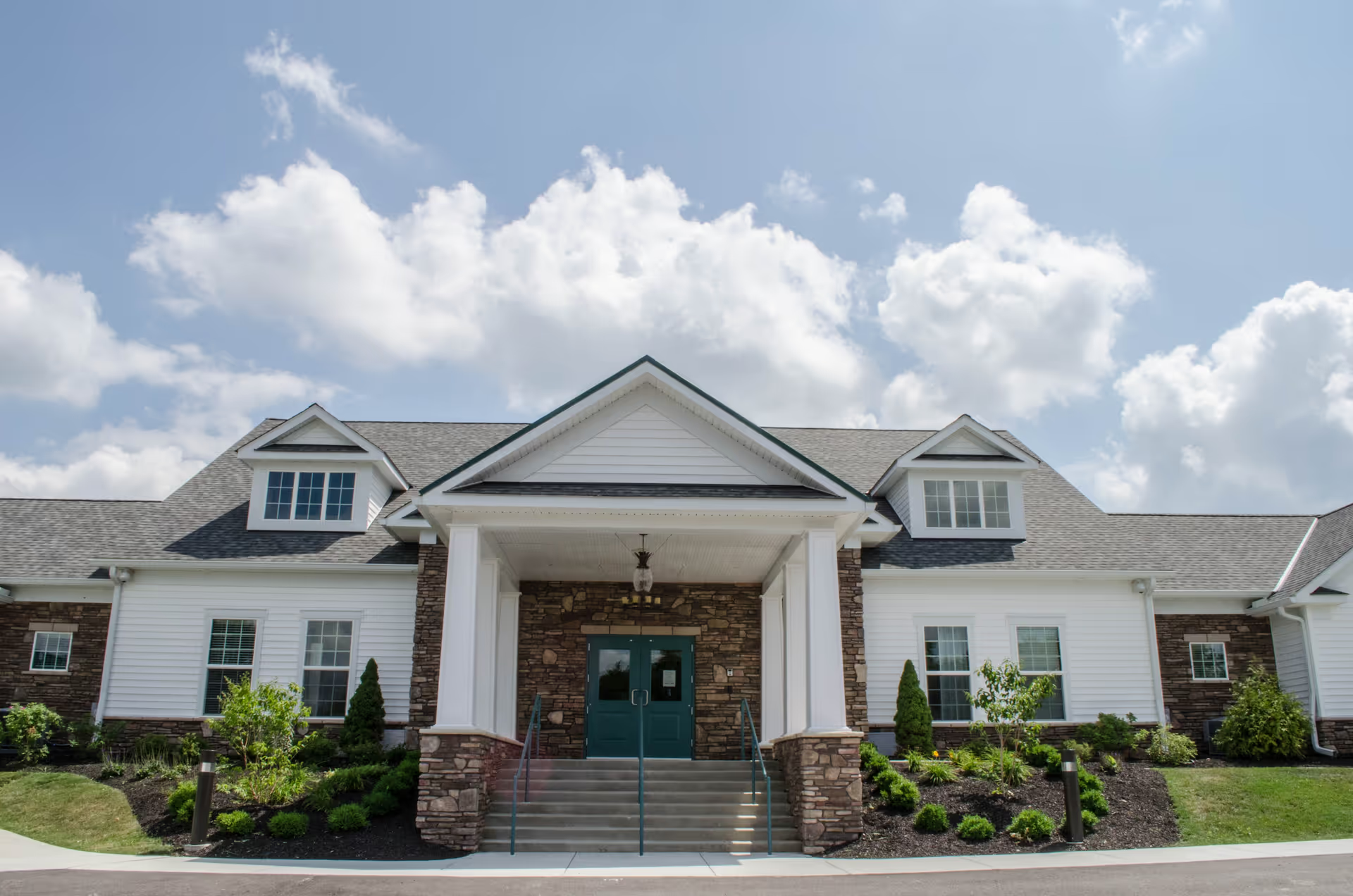
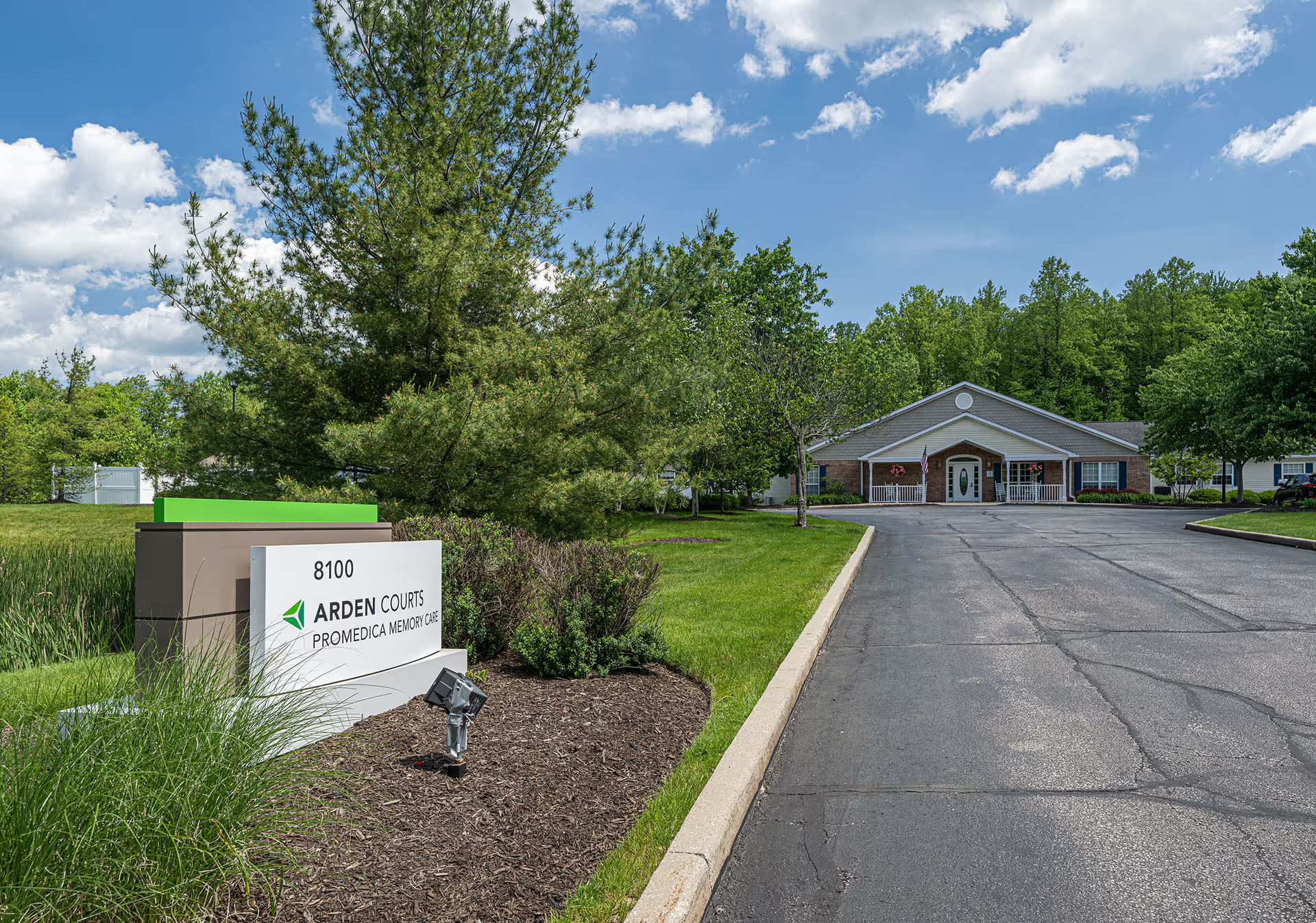
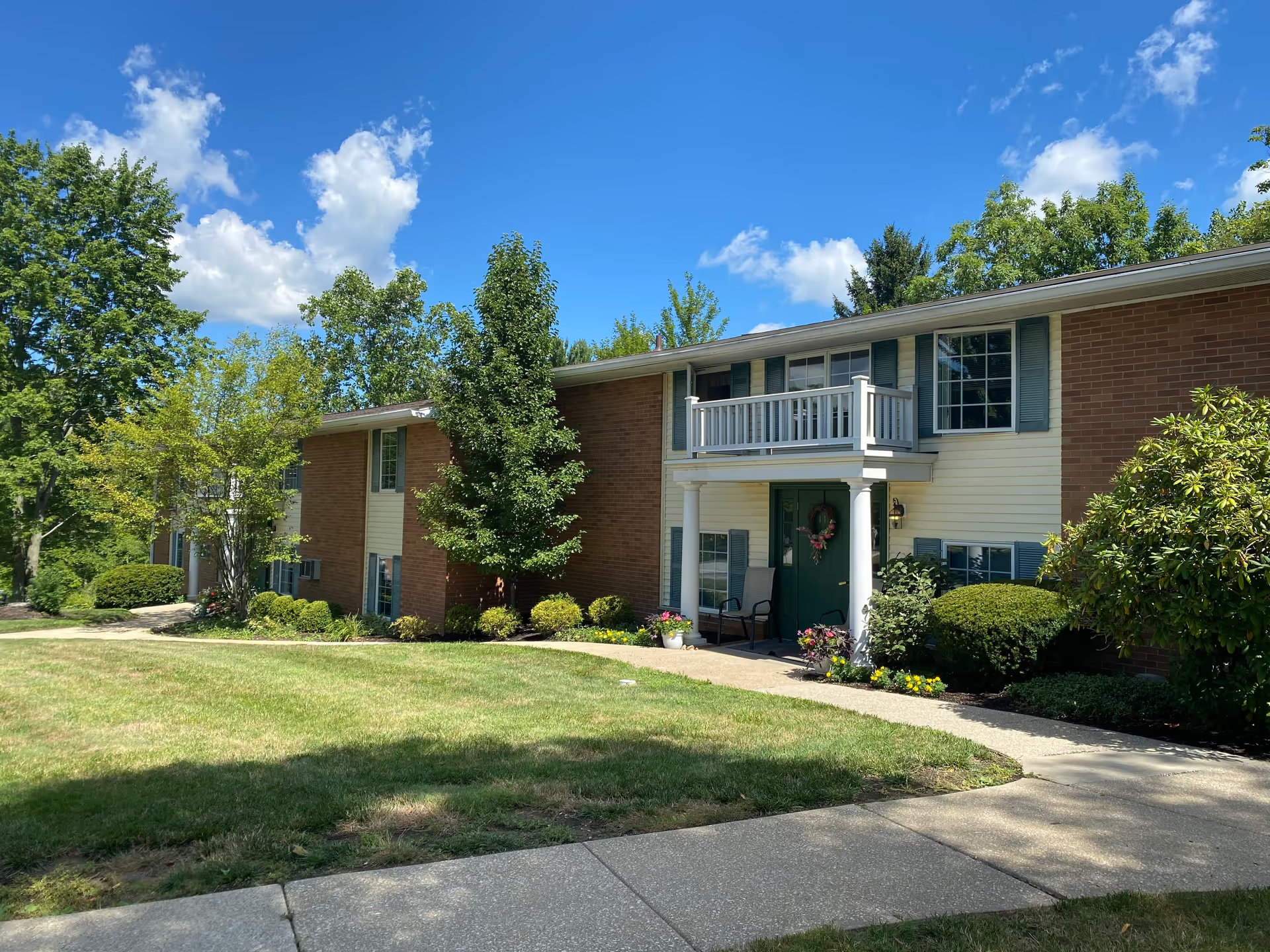
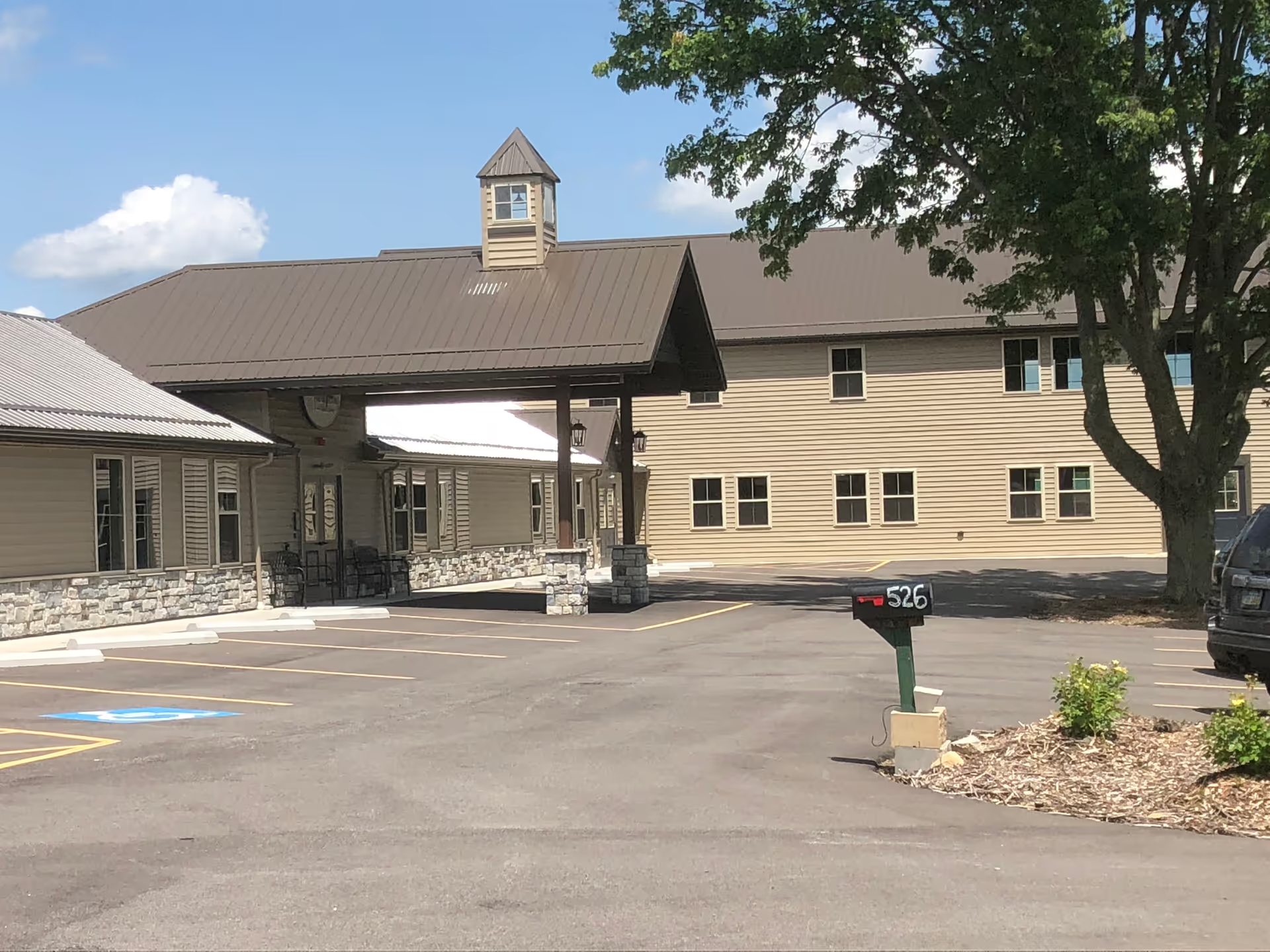
Facilities and environment: The physical plant and grounds are a clear asset: reviewers consistently describe clean, bright, well-decorated buildings with comfortable common areas and apartments that receive natural light. Housekeeping and maintenance are generally praised, though there are isolated accounts of inconsistent room-level cleaning and detailing. The facility’s proximity to major hospitals and its continuum of care model (assisted living through skilled nursing) are practical advantages for families seeking an integrated option.
Management and policies: Management and policy issues are the area of greatest divergence. Several reviewers appreciate owner involvement and a welcoming admissions process, but others raise concerns about leadership consistency, communication responsiveness, and conflict escalation with families (including restrictive visitation enforcement). Staffing practices — particularly reliance on agency aides, shift cancellations, and occasional gaps in supervision — contribute to perceptions of variability in care. There are also serious, specific claims about medication management, clinical-incident handling, and allegations of discriminatory conduct in staffing decisions; these are significant matters that families should investigate directly with the provider and during visits.
Notable patterns and guidance for families: The overall pattern is one of a facility with strong clinical and rehabilitative capabilities and many compassionate caregivers, offset by operational weaknesses that can affect long-term-resident experiences. Prospective residents and families should tour the specific unit being considered (rehab vs long-term care), ask about current staffing ratios and agency-staff use, request examples of how management handles family communication and clinical incidents, clarify meal-service and in-room dining options, and inquire about surveillance policies in memory care. Verifying recent staffing schedules, medication-management protocols, and family-point-of-contact procedures will help determine whether the facility’s operational practices align with your expectations and needs.