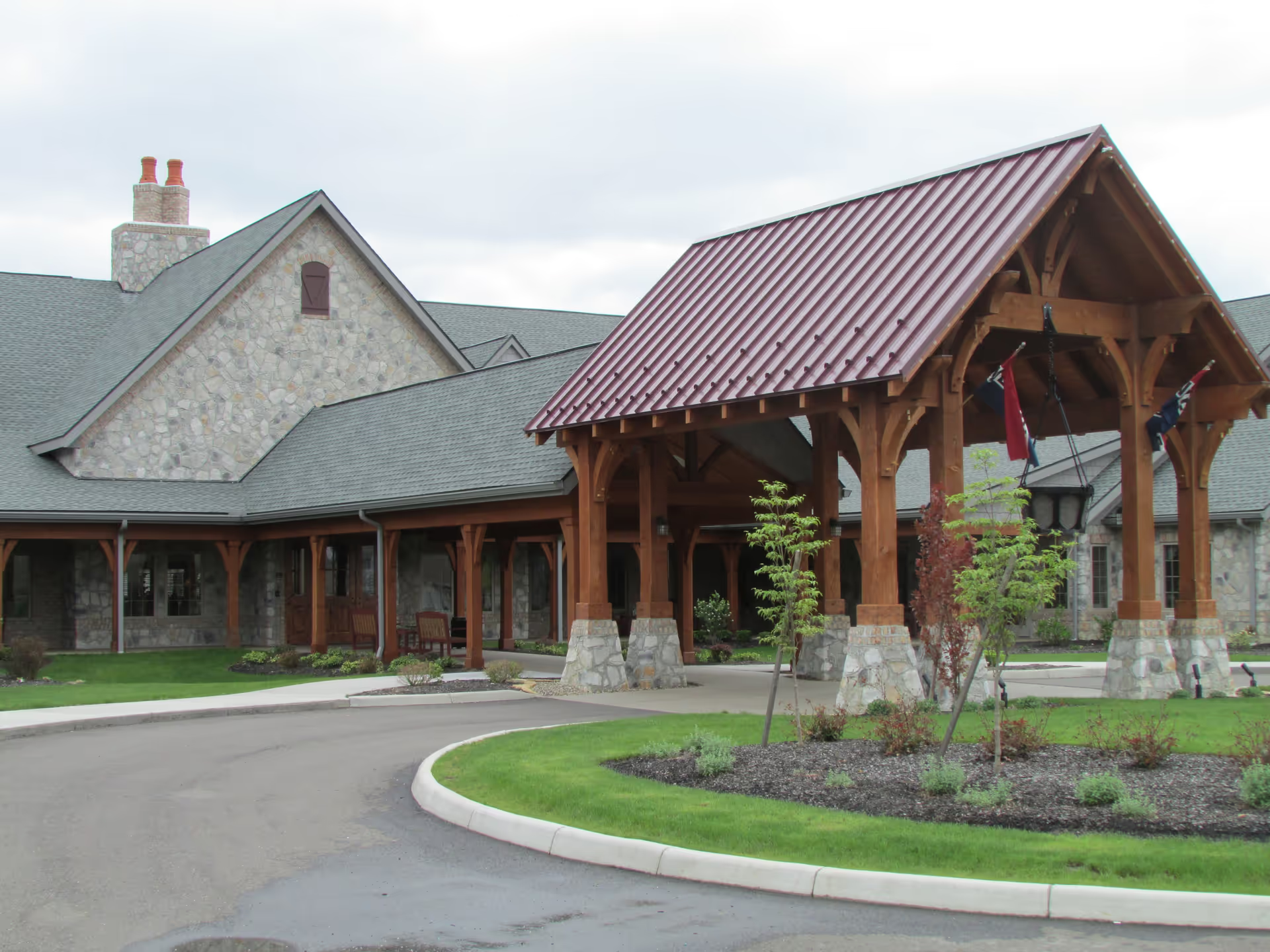
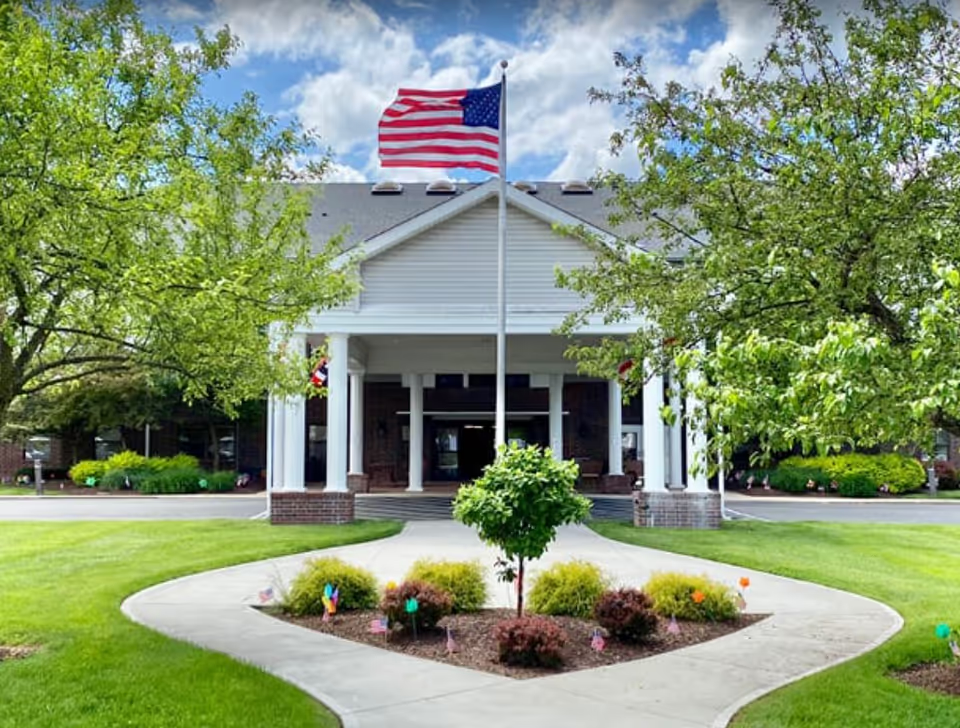
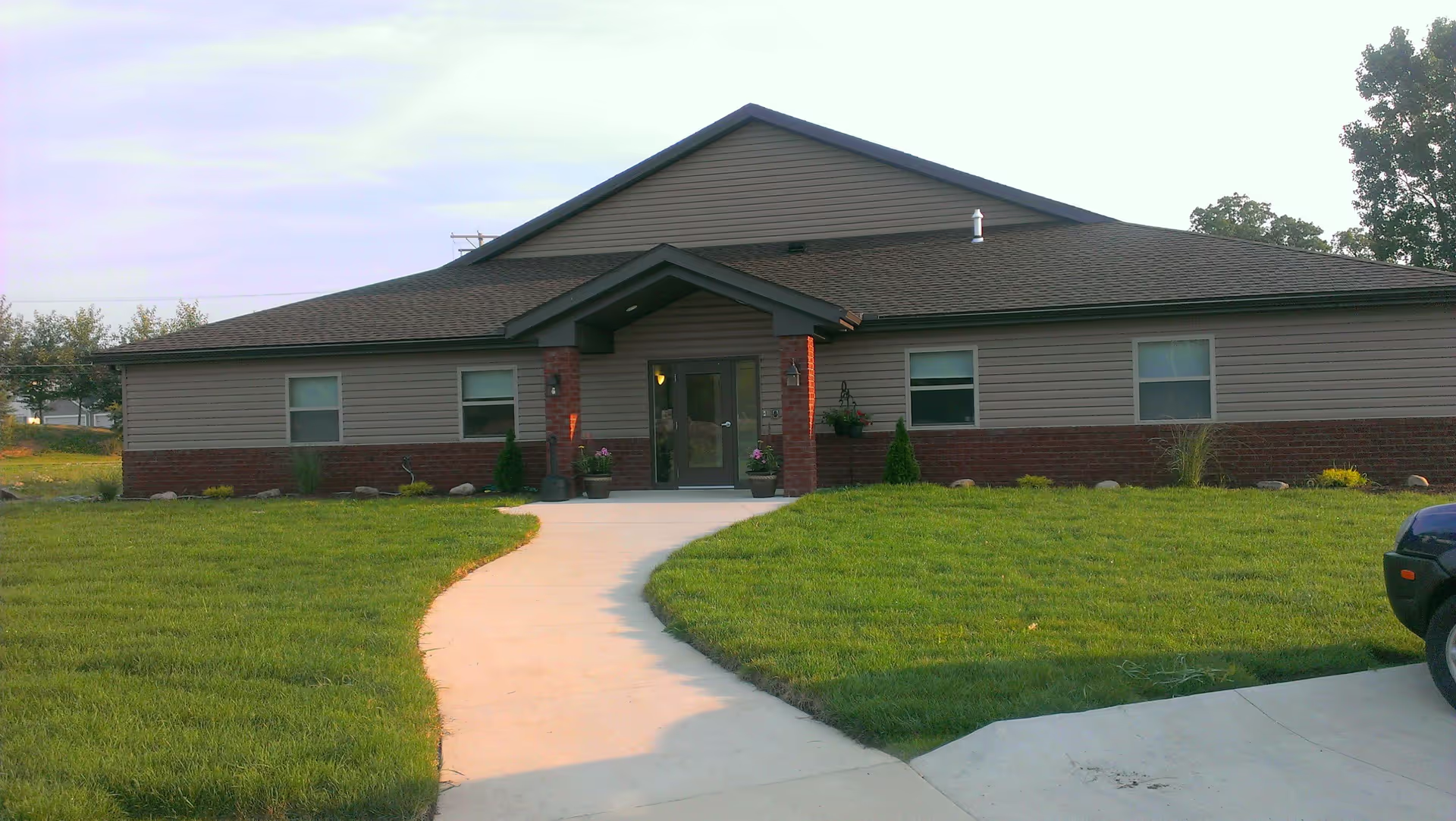
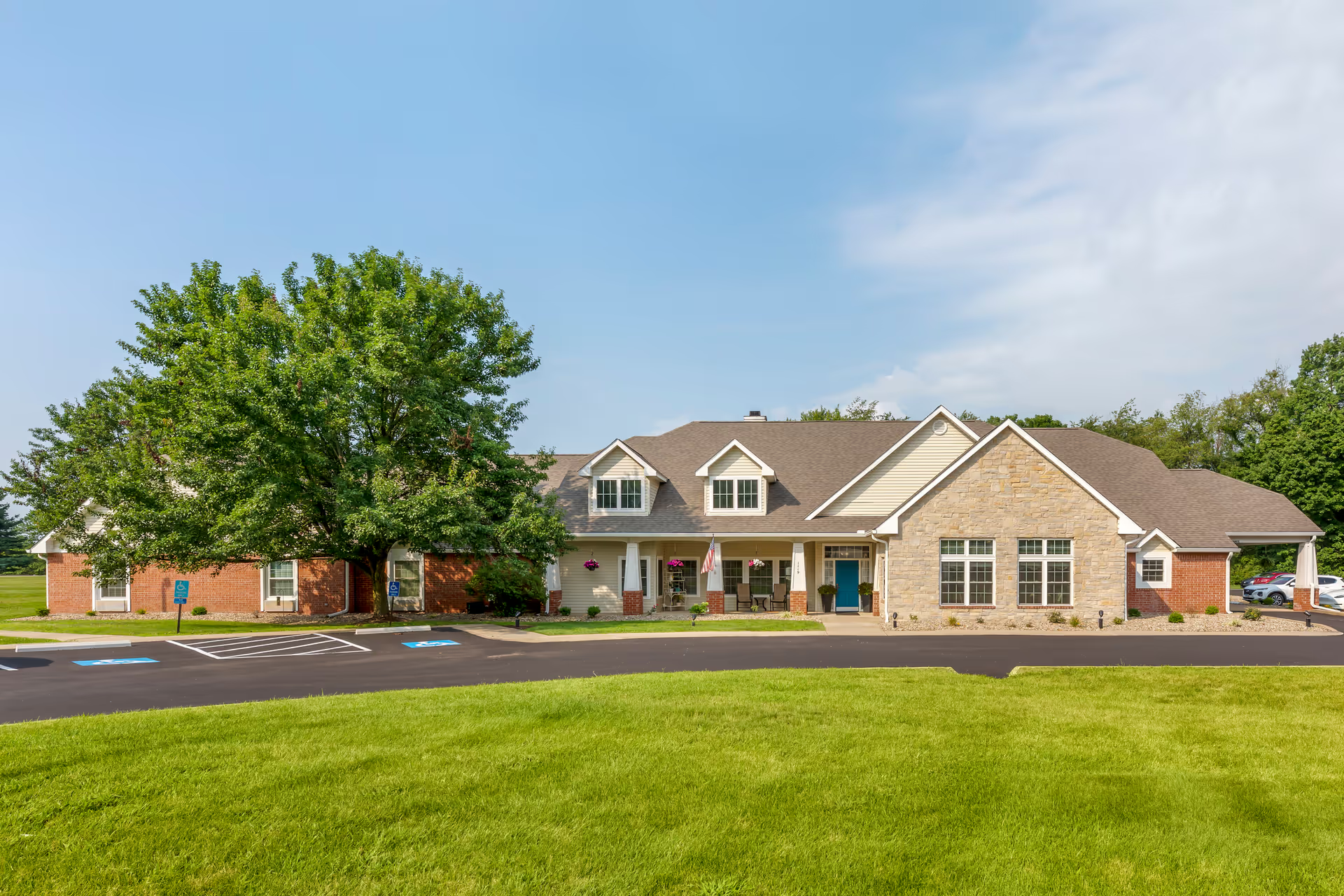
Heritage Villas presents as a small, cottage-style assisted living option with a strong emphasis on a home-like environment, communal dining, and neighborhood-scale living. Many reviewers praised the facility’s layout—private suites with attached bathrooms, roomy units with walk-in closets, and common living/dining areas that resemble a residential home. The community atmosphere, affordable price point, and accessibility to on-site amenities (hair service, pharmacy access, occasional physician visits) are recurring strengths. Several families reported positive transitional experiences, engaging activities (bingo, happy hour, bus trips, on- and off-campus outings), and staff who were compassionate and accessible, including visible owner or management involvement in day-to-day operations.
Care quality and staffing present mixed signals. Positive accounts highlight attentive, caring aides and individualized attention consistent with a small-house model. Conversely, other accounts raise substantive operational concerns: inconsistent staffing levels (including instances of a single caregiver on shift), frequent caregiver turnover, and delays in responding to resident needs. These issues translate into perceptions of limited overnight supervision and slower response times in some circumstances. Reviewers also identified gaps in dementia- and Alzheimer’s-specific skill sets among staff, which suggests the community may be better suited to residents with lower acuity or without significant cognitive-behavioral care needs.
Clinical controls and cleanliness were a second area of divergence. Several families described the facility as clean, recently renovated in parts, and well maintained; others described sanitation concerns in resident rooms and common areas, inconsistent linen changes, and maintenance backlogs amid ongoing renovation work. Medication-management concerns surfaced repeatedly as an operational pattern: missed or delayed doses and inconsistent medication-administration controls were noted, creating the perception that clinical oversight and training protocols may be uneven. There are also mentions of pest-control and infection-control issues and inconsistent communication about health events, so verification of current practices and recent inspection findings is advisable.
Dining and nutrition likewise show variability. Many residents and families appreciate home-cooked meals, flexible mealtimes, and a family-style dining atmosphere. At the same time, other reviewers described inconsistent meal quality, reliance on convenience or frozen items at times, and limited accommodation for strict dietary restrictions (low-sodium, diabetic needs). Prospective families should confirm menu planning, dietary-accommodation processes, and how special diets are managed.
Activities and social life are frequently cited as strengths: the community offers a full activities calendar, communal dining, and social events that contribute to resident satisfaction and engagement. A recurring caveat is that programming is often geared toward more independent, mobile residents; caregivers and families of residents with moderate-to-severe cognitive impairment reported fewer suitable therapeutic activities and more reliance on transportation to a central activity building.
Management and communication show signs of transition. Multiple reviews refer to new ownership or management changes, with some noting tangible improvements (new carpeting, showers, refreshed furnishings) while others point to inconsistent administrative follow-through, delayed family communications, and occasional involvement of external advocates such as the ombudsman. These mixed observations suggest active change processes that have not fully stabilized.
Overall pattern: reviewers cluster into two broad experiences. One group finds Heritage Villas to be a warm, affordable, small-community setting with personable staff, comfortable units, and meaningful social programming. The other group experiences operational variability—most notably in housekeeping, medication administration, staffing consistency, and dementia-care capability—that can materially affect safety and quality for higher-acuity residents. Prospective residents and families should weigh the community’s home-like advantages against these operational trade-offs.
Practical steps for families considering Heritage Villas include: observe mealtime service and a typical activity period, ask for current staffing ratios and training curricula (especially dementia care and medication administration), request housekeeping and linen-change schedules, review recent state inspection and complaint history, and ask management for documentation of pest-control and infection-control policies. These checks will help determine whether the facility’s strengths align with an individual’s clinical and psychosocial needs.