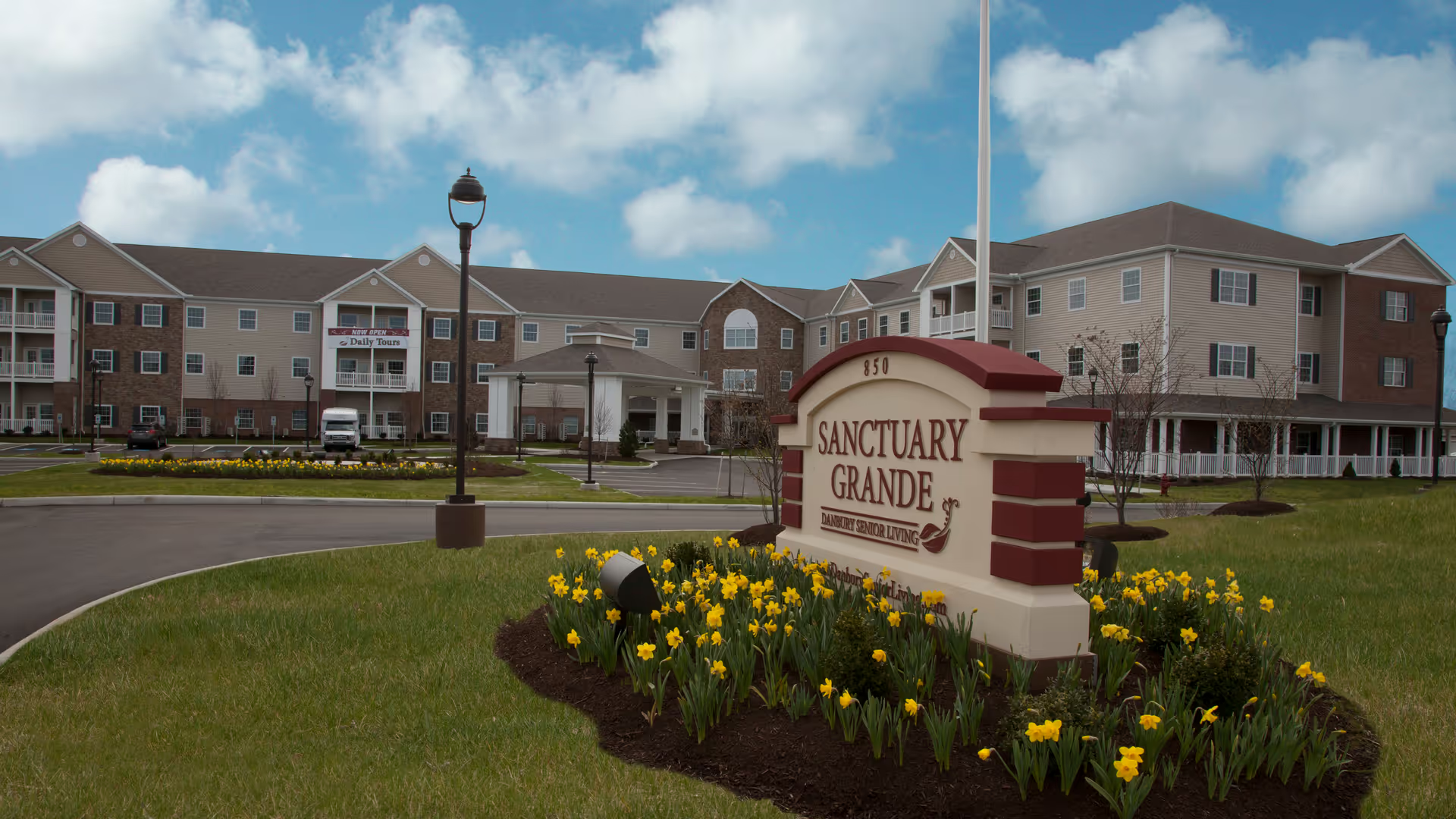
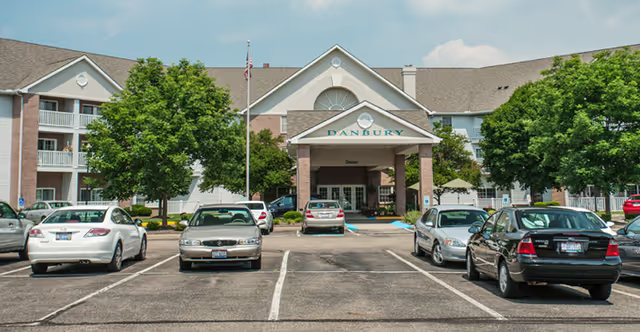
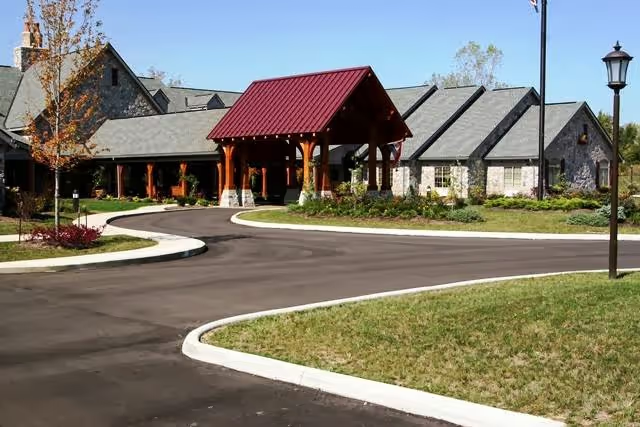
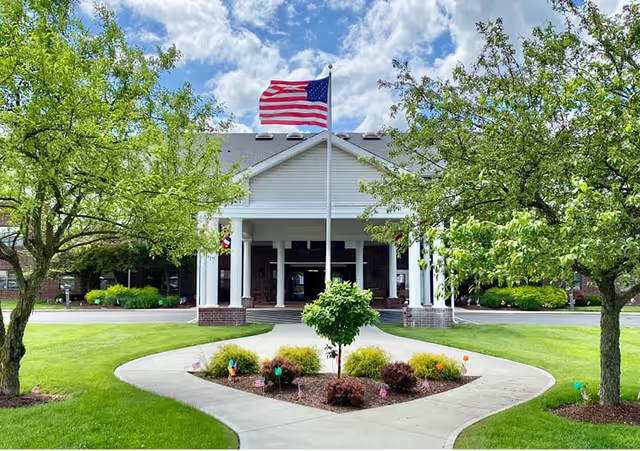
The reviews present a polarized picture of Windsor Medical Center: many families and residents describe a well-appointed, activity-rich community with attentive staff, while others describe operational and clinical inconsistencies that materially affect some residents' experience. Physically, the facility is frequently praised — large rooms with apartment layouts, wood and carpeted flooring, comfortable dining areas, and an attractive courtyard with bird-feeder features. Common spaces, decorations for holidays, and an active activities calendar contribute to a cheerful atmosphere for many residents.
Care quality and clinical oversight are areas of mixed feedback. Numerous accounts praise specific nurses, aides, therapists, and social-work staff for compassionate, responsive care and individualized therapy plans. Conversely, there are repeated concerns about inconsistent clinical oversight: missed or delayed therapies, wound- and skin-care management gaps, interruptions to personal-care schedules, and variability in medication and hospice coordination. A recurring theme ties many of these clinical issues to staffing patterns — periods of adequate 24/7 coverage contrasted with times when response times slow and agency staff are used to fill gaps.
Staffing and staff culture are central to the divergence in experiences. When regular staff are present and engaged, families describe kind, family-like interactions, quick responses to questions, and proactive problem-solving. Several individual staff members (nurses, aides, and social workers) are repeatedly singled out for exemplary work. At the same time, reviewers note high turnover, wage/retention challenges, and dependence on agency personnel; these staffing dynamics correspond with longer call-light waits, inconsistent task follow-through, and variable resident supervision.
Dining and activities are generally strong features. Many reviewers highlight high-quality food, restaurant-style service, menu choices including a la carte and room-service options, and an activities program offering bingo, card games, special events, religious services, and social hours. However, other families note repetitive or bland menus, chaotic meal-service processes, and occasional missing utensils or service disruptions. Activity access for residents with mobility or cognitive limitations is described as limited in some accounts.
Facility management, communication, and logistics show clear variability. Positive experiences include organized care-plan meetings, monthly physician rounds for some residents, and smooth admissions/transfers. Negative themes include inconsistent interdepartmental communication (front office, nursing, hospice), difficulty obtaining timely answers to billing or deposit questions, app and kiosk usability problems, entry/locking issues, and maintenance items such as damaged furnishings or broken equipment. Several reviewers recommend confirming hospice-provider policies, physician availability, and refund/contract terms during intake.
Notable patterns: the facility’s strengths — physical environment, social programming, and many dedicated caregivers — coexist with operational weaknesses that tend to cluster around staffing fluctuations and care coordination. Prospective residents and families should expect variability depending on unit, staffing on a given day, and the resident’s clinical complexity. Observing mealtimes, care-call response times, wound-care routines, and asking specific questions about physician coverage, agency-staff usage, hospice coordination, and billing/refund policies can help clarify whether the facility’s typical performance matches an individual resident’s needs.