Reviews for O'Neill Healthcare North Olmsted present a mixed but detailed picture. Many families and residents praise the direct care teams, therapy departments, activities staff, and the facility’s physical environment; however, recurring operational concerns — most notably staffing and administrative issues — appear frequently enough to warrant careful inquiry by prospective residents and families.
Care quality and clinical services receive consistent positive remarks in several areas. Physical, occupational and speech therapy are repeatedly described as effective and motivating; reviewers credit therapists with measurable progress and seamless coordination for discharge planning. Social work and hospice coordination are also cited as strengths, with social workers described as helpful and communicative. At the same time, a number of families described delays in medication administration, slow response to call bells, and instances of delayed attention to acute events. These items suggest inconsistencies in clinical response and medication‑management processes rather than uniform practice across the facility.
Staff and interpersonal dynamics are a clear strength for many reviewers: caregivers and nurses are characterized as compassionate, personable, and family‑oriented, with specific staff members singled out for positive interactions. The activities program—particularly in memory care—receives strong praise for engagement, variety, and community events. Conversely, other reviewers described variable staff conduct and communication tone, including instances of rudeness or lack of urgency. High staff turnover and overnight staffing gaps are recurring themes that likely contribute to these inconsistent experiences.
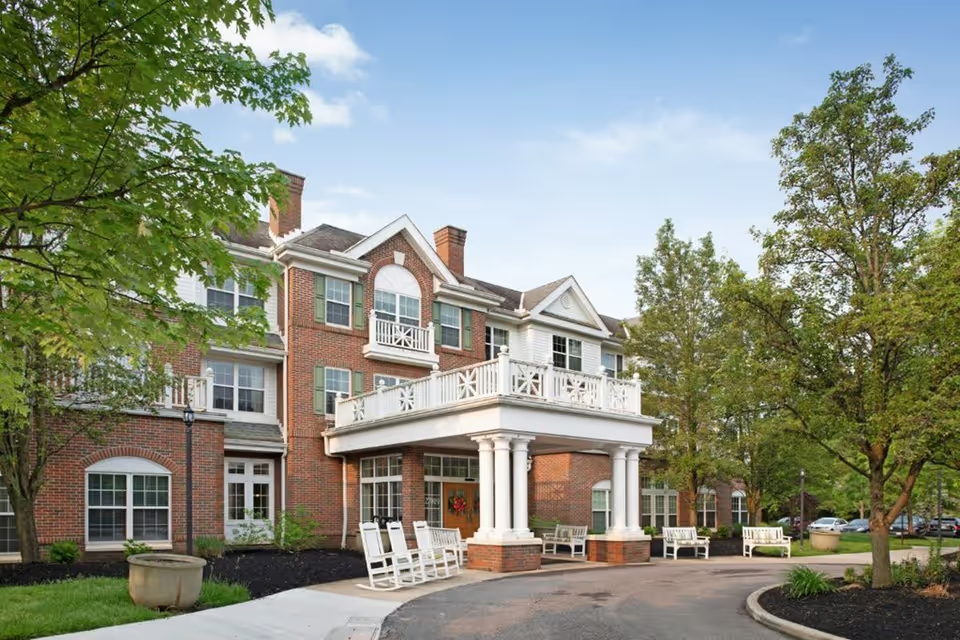
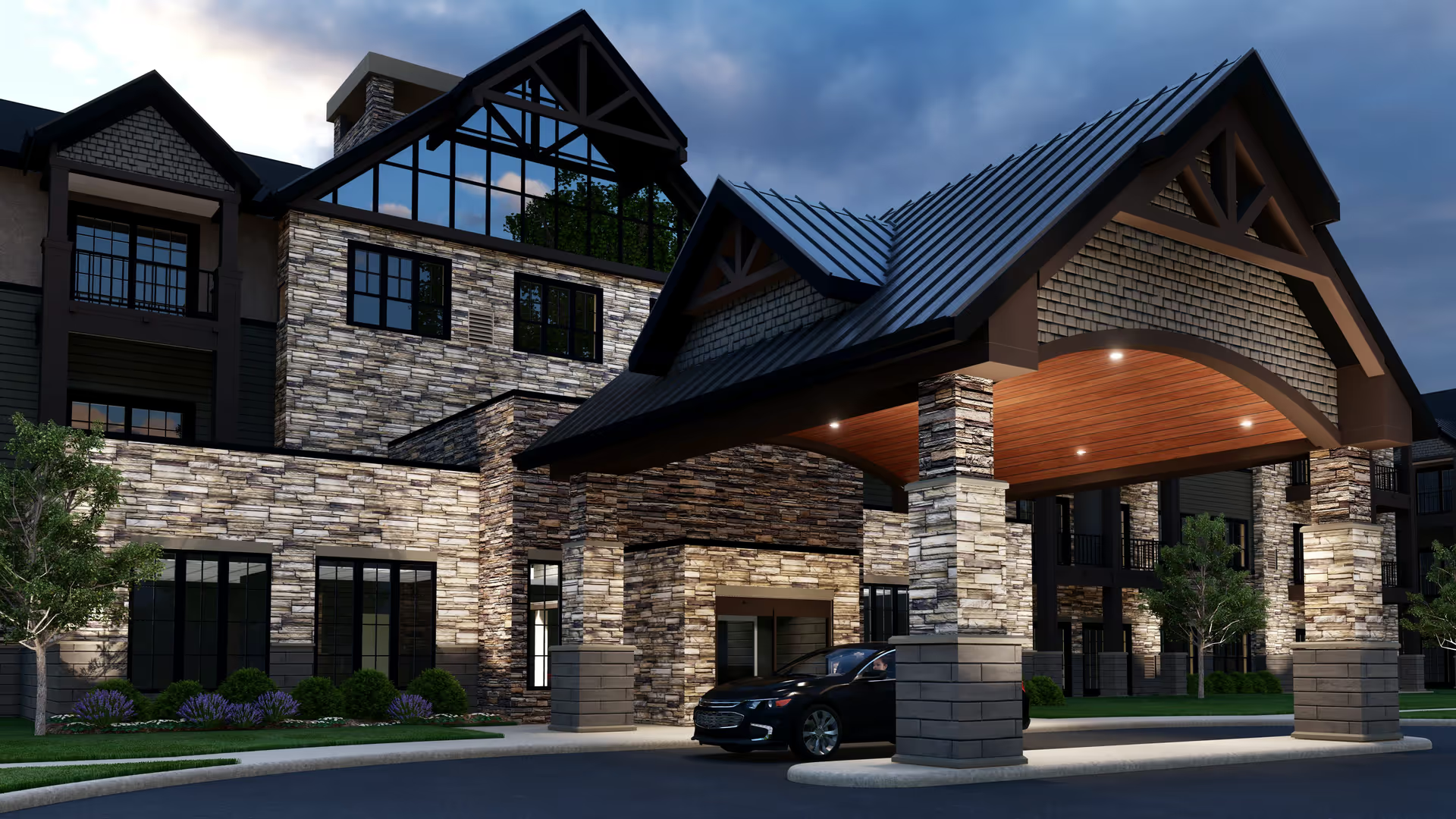
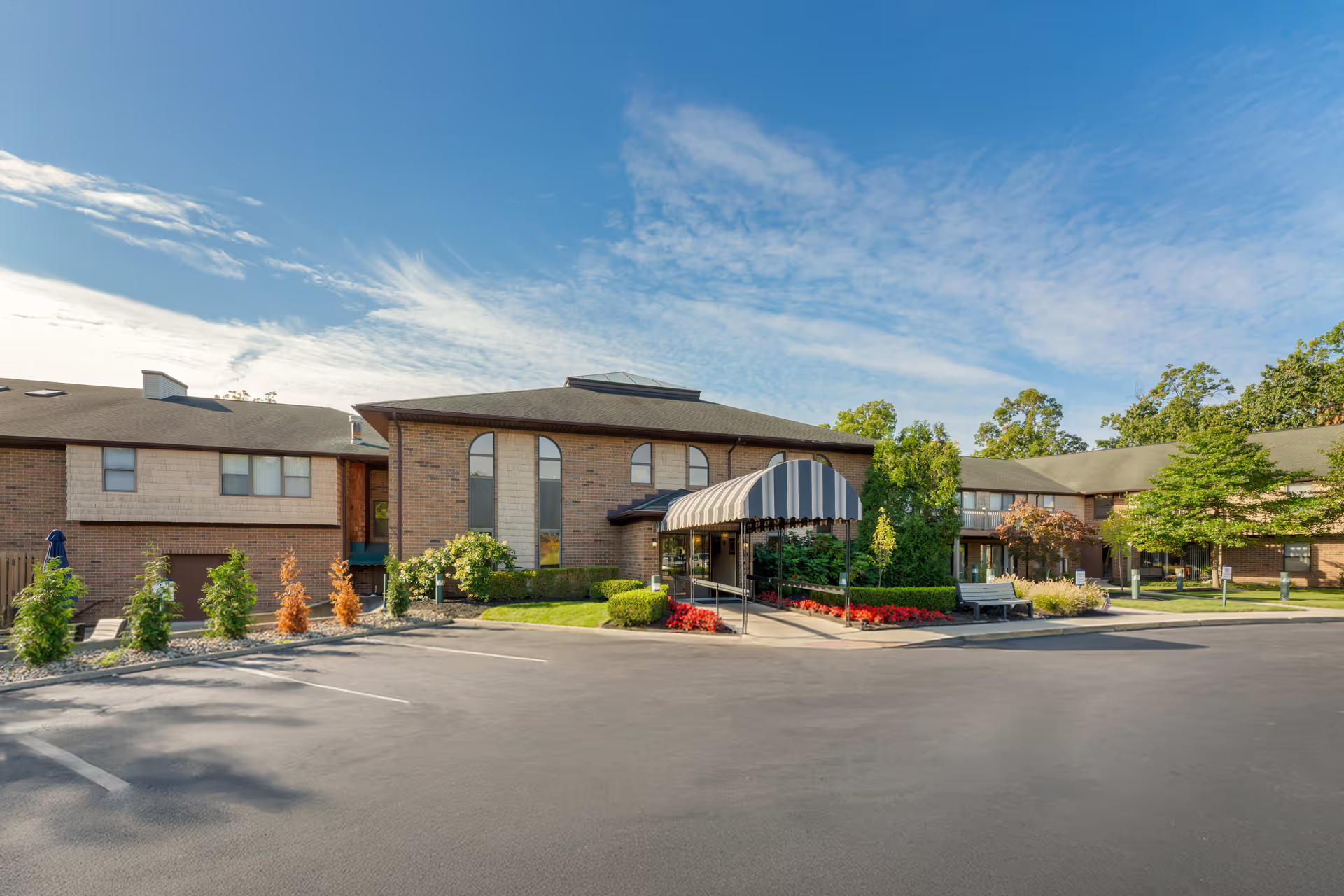
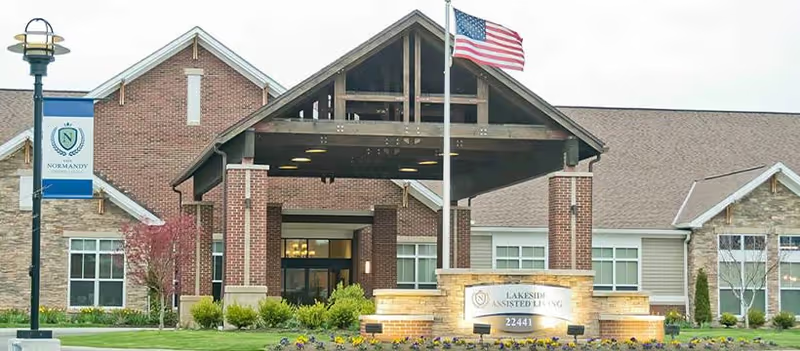
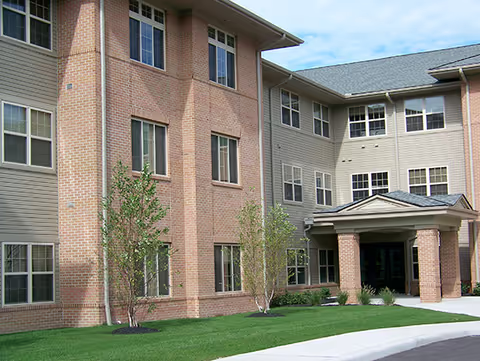
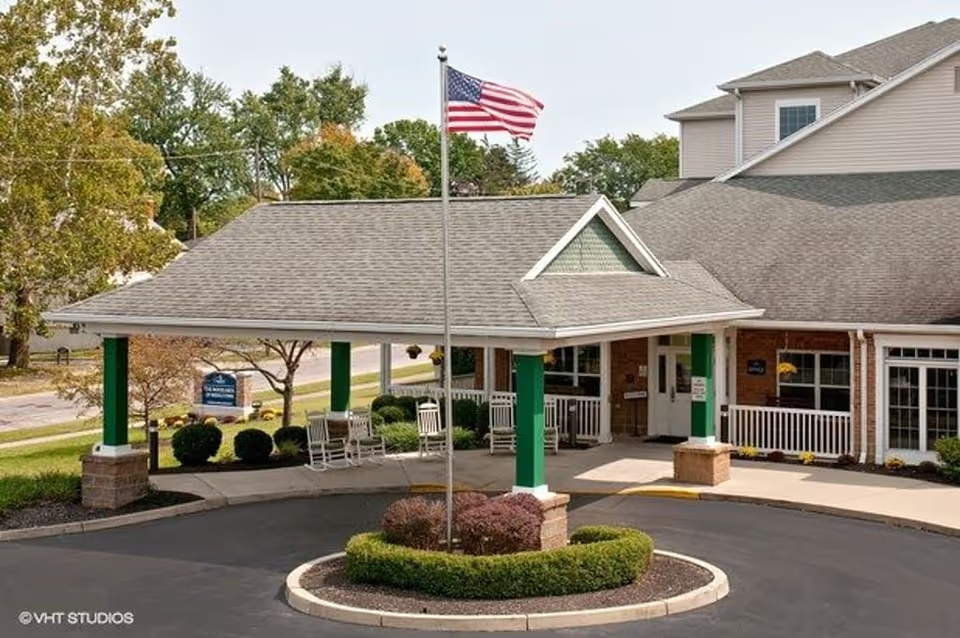
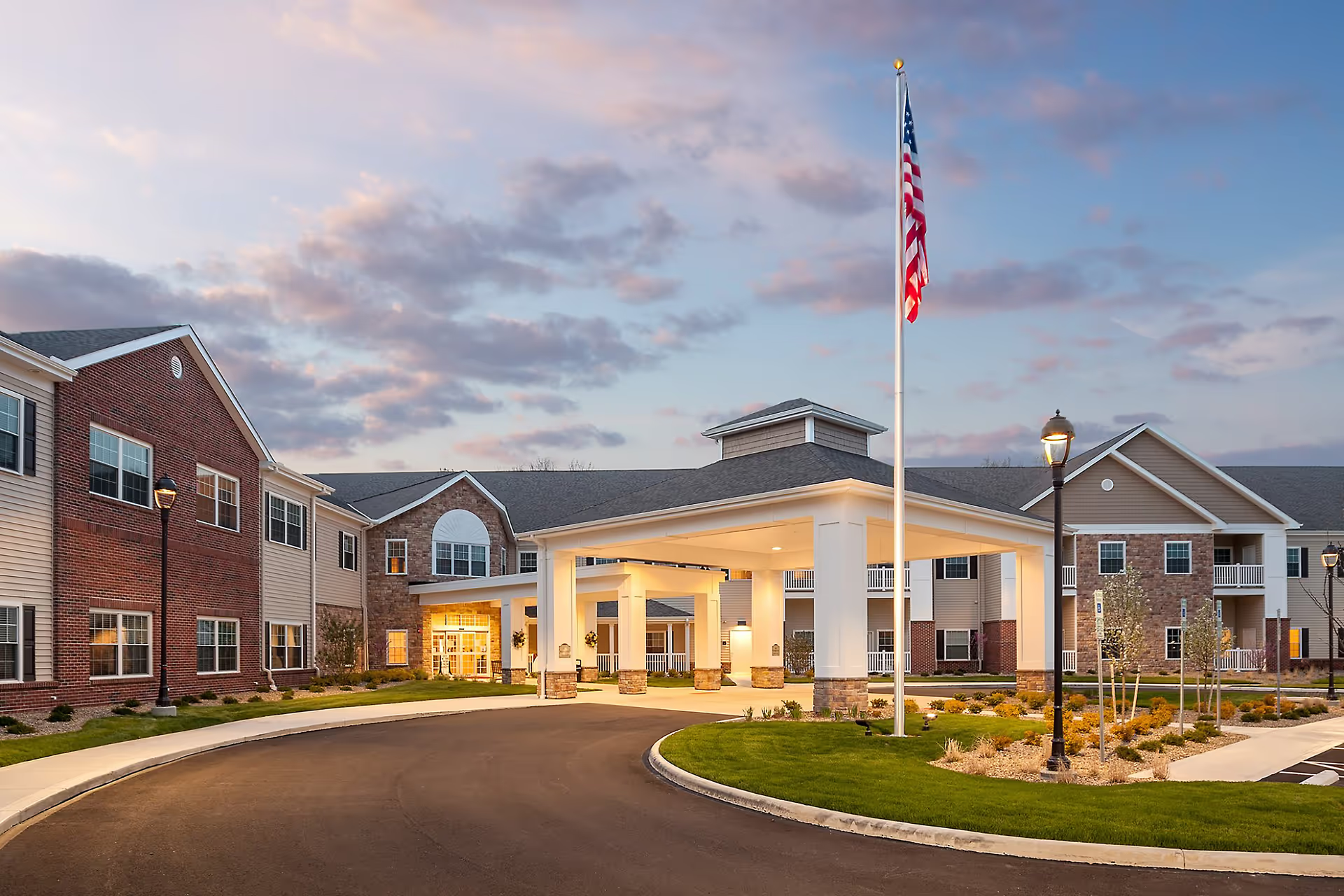
Dining and daily living experience is mixed. The facility offers dietary accommodations (vegetarian and gluten‑free options) and some reviewers found the food satisfactory, but others noted inconsistent temperature and preparation quality, limited menu choices, and portion concerns. Families recommend touring during a mealtime to evaluate current food service. Housekeeping and common‑area maintenance are often praised; the grounds and interior design are described as pleasant and visually stimulating. The campus is described as older and somewhat spread out, with occasional noise — factors to consider for mobility and quiet‑preference needs.
Management and administrative areas show clear variability. Several reviews point to billing discrepancies, lack of itemized charges, and communication challenges with administrative staff. Visiting policies during infection‑control periods were described as rigid by some families. More serious allegations appear in a small number of accounts — including claims that prompted internal inquiries — and these merit verification through direct questions at admission and, when applicable, by checking regulatory or inspection records.
Taken together, the pattern is one of a facility with strong clinical rehabilitation and activity programming and many dedicated direct‑care staff, coupled with operational weaknesses that include staffing shortfalls, inconsistent clinical responsiveness, and administrative/billing issues. Prospective residents and families should weigh the facility’s strengths in therapy and engagement against these operational risks. Practical steps before placement include: asking for current staffing ratios (including overnight), reviewing medication‑administration and emergency‑response protocols, requesting recent inspection or quality reports, touring during a mealtime and an activities period, and obtaining clear written billing and insurance‑coordination policies.