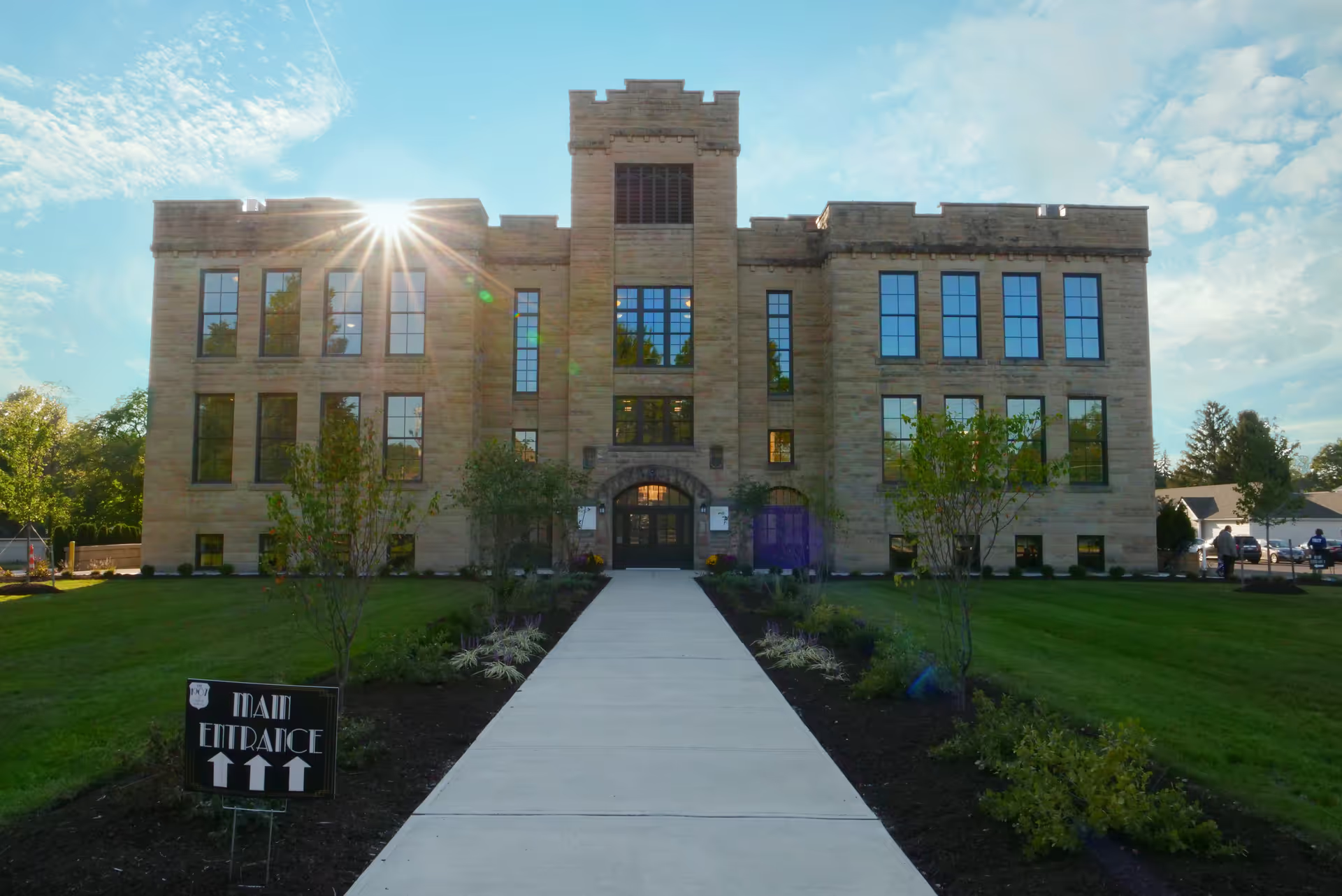
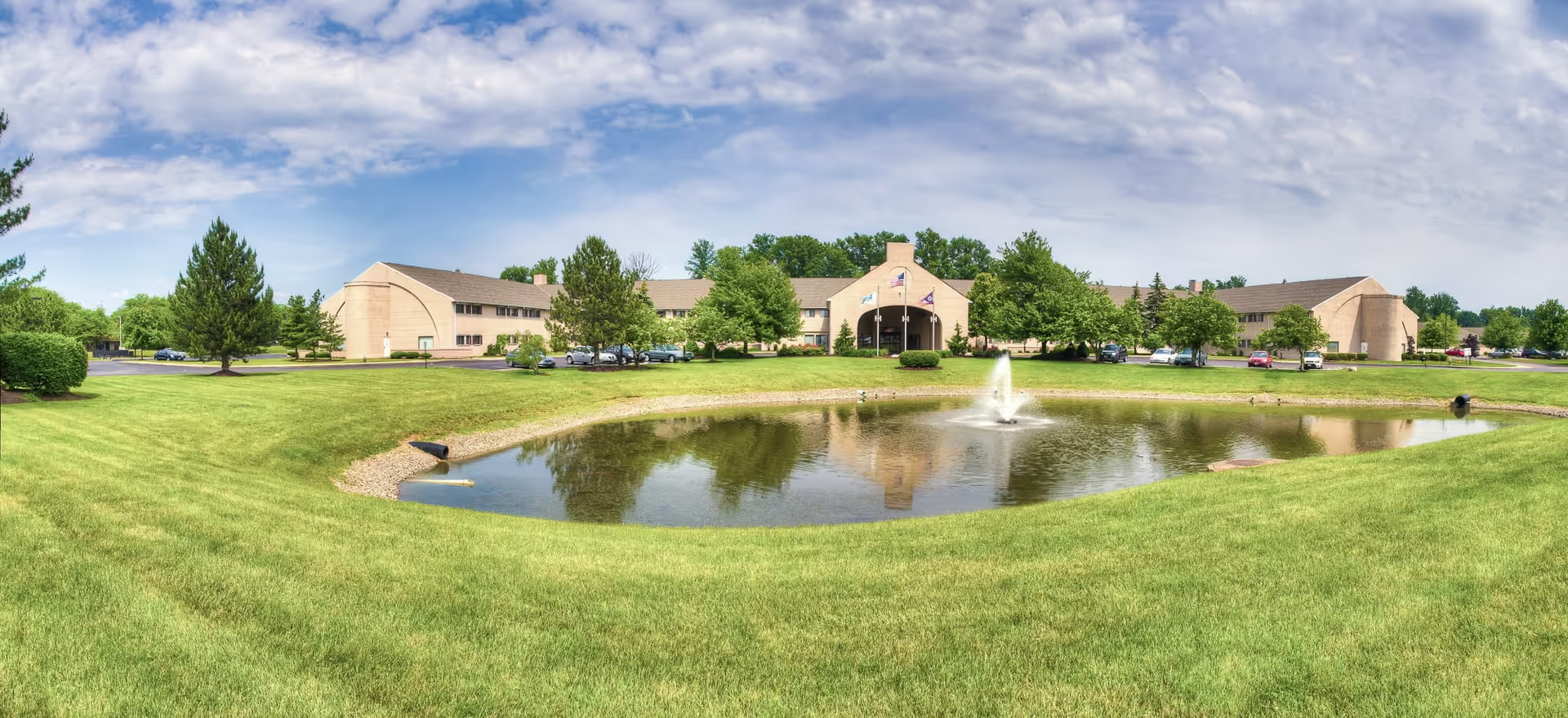
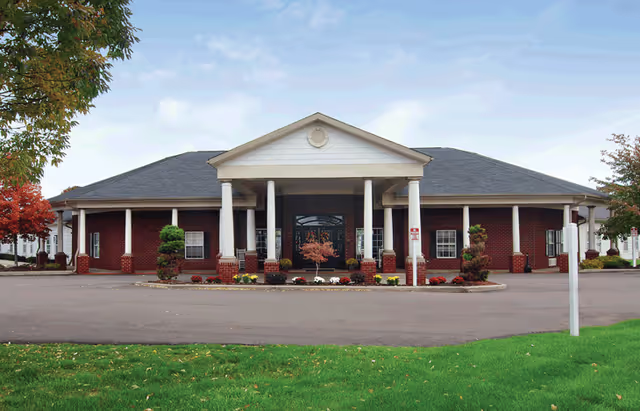
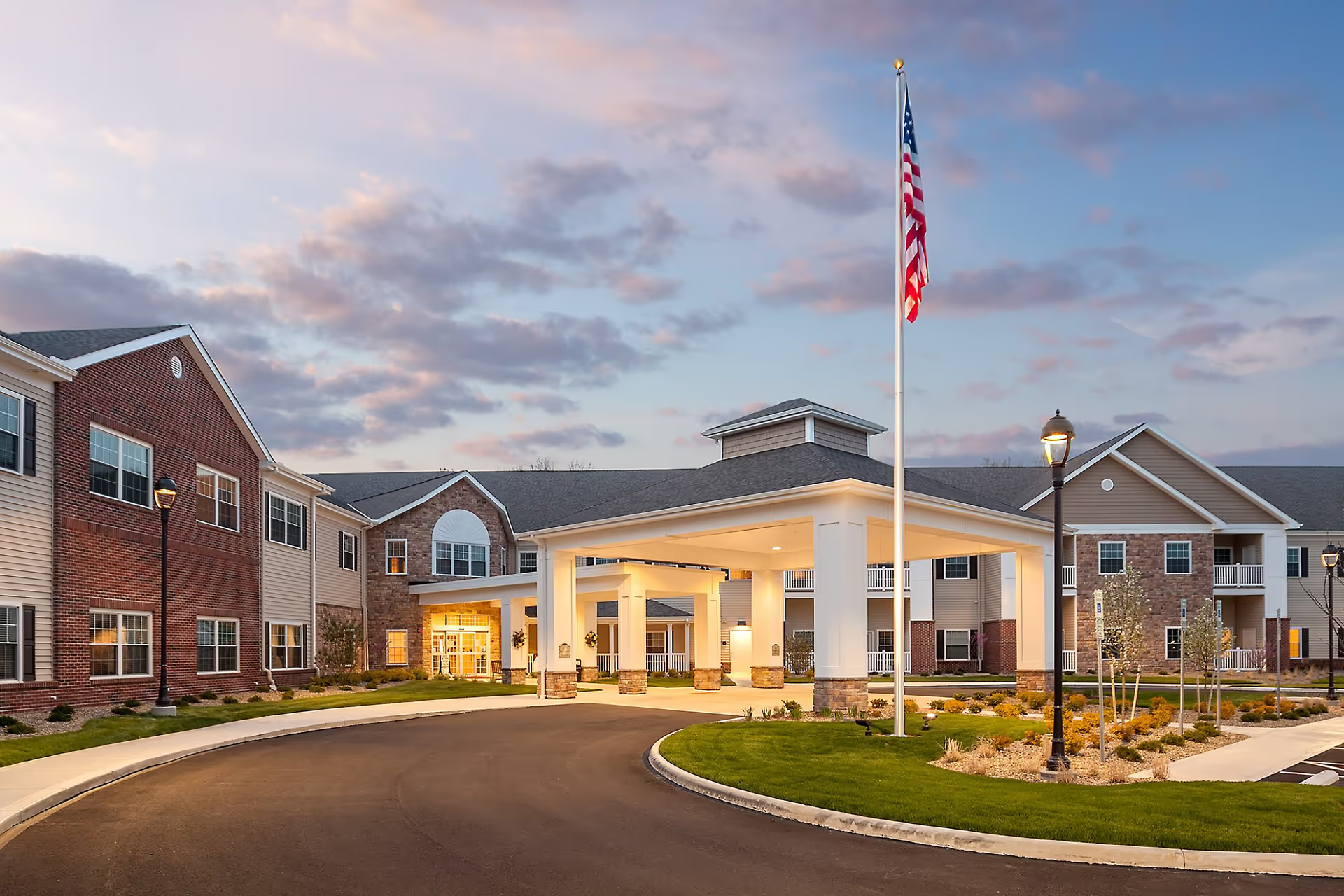
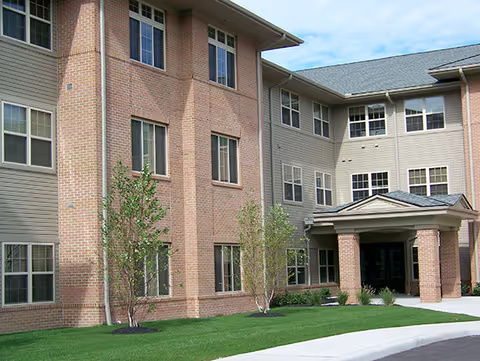
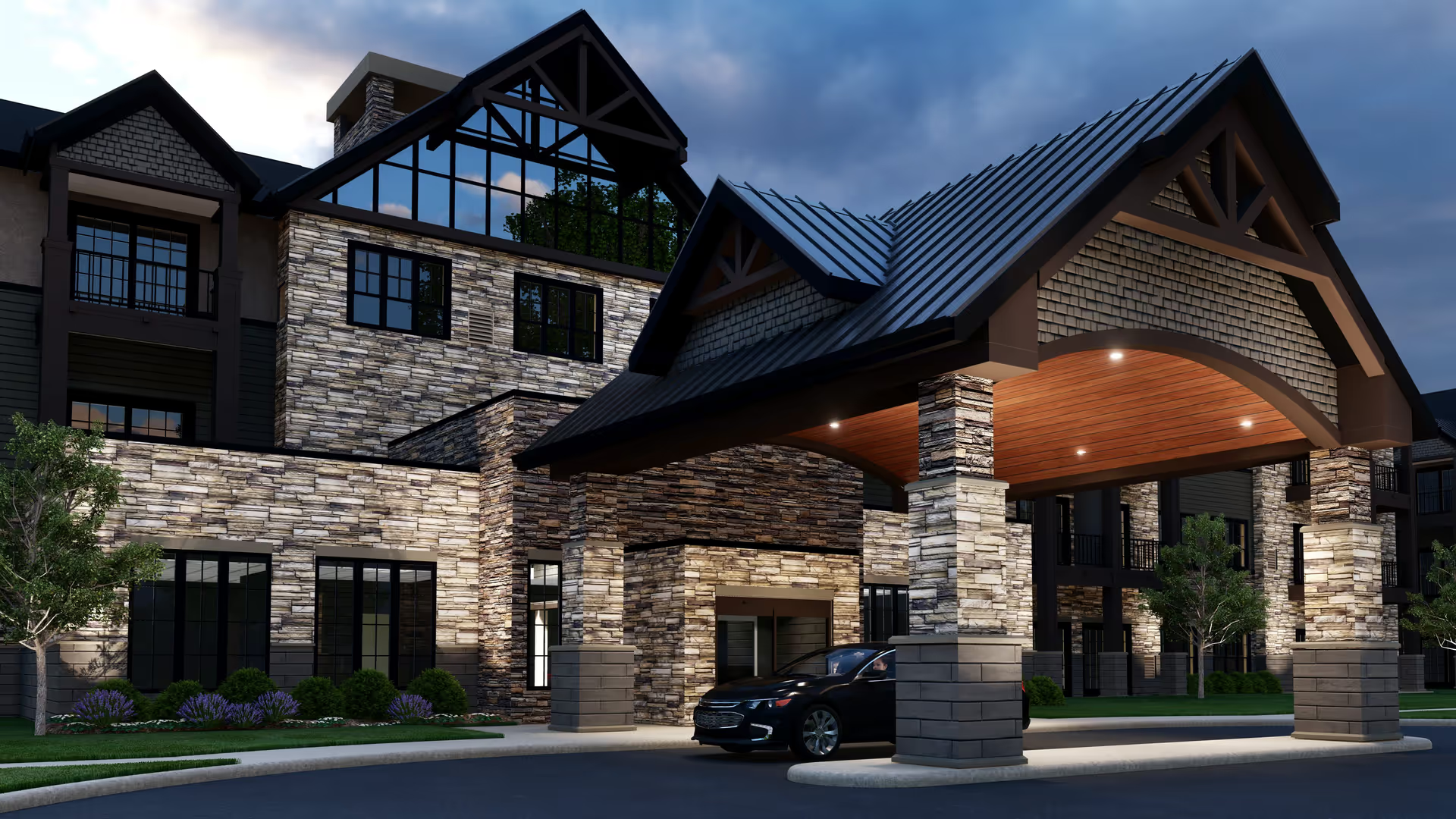
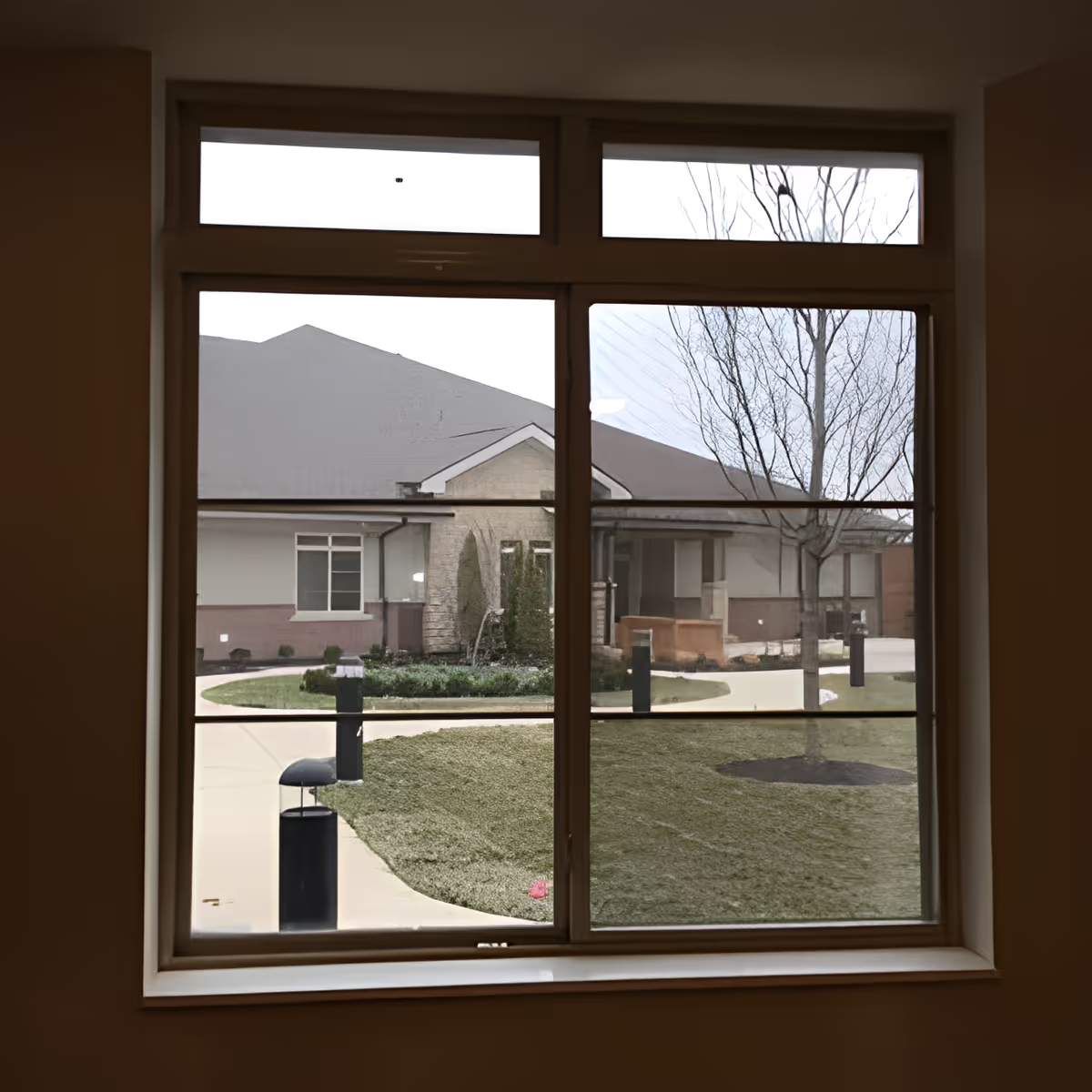
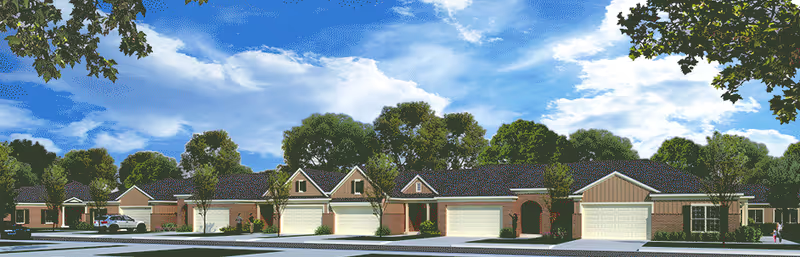
Kendal at Oberlin presents as a well-resourced, engagement-focused retirement community closely integrated with a college town. Strengths repeatedly cited include strong arts and music offerings, frequent lectures and conservatory performances, and the ability for residents to audit college classes. The campus environment is often described as attractive, walkable, and well maintained, with spacious, accessible residences and aquatic therapy amenities. Many families and residents highlight robust resident-led programming, committees, and a vibrant social life that supports active aging.
Dining and daily services receive mixed but notable praise: several accounts describe high-quality meals with appropriate portions and an overall upscale dining experience. Inclusive pricing that covers cottage maintenance and weekly housekeeping is viewed positively by those who value consolidated service packages. The facility's nonprofit status and proximity to a top university are recurring advantages that feed its cultural and educational programming. An onsite care center and references to attentive caregiving suggest a continuum of services available for many needs.
However, cost and fee structure are persistent concerns. The community operates with substantial entrance fees and elevated monthly charges, and reviewers describe numerous additional service fees; the buy-in model was also associated with limited resale liquidity. Prospective residents should evaluate the financial model carefully to ensure it matches their long-term plans. Dining quality is not uniformly praised — some commenters perceive a decline in food quality over time — so culinary expectations should be verified in person.
Care and staffing present a mixed picture. While some families and residents commend staff as caring and attentive — including around-the-clock assistance — others raise concerns about variability in clinical care, particularly for residents with higher dependency or frailty. Staffing issues are linked by reviewers to relatively low compensation, which can contribute to morale and turnover pressures; these staffing dynamics in turn appear to affect communication and responsiveness in some instances. Administrative and management perceptions are similarly polarized: some praise outstanding administration, others cite communication gaps, organizational shortcomings, and governance or reputational controversies that prospective residents may want to investigate.
Operationally, reviewers point to navigational/layout challenges on campus and occasional inconsistencies in enforcement of community standards, which can affect overall livability. There are also comments about a politically charged atmosphere for some residents; while this may not be a universal experience, it is a factor that can influence community cohesion.
In sum, Kendal at Oberlin is likely to appeal to active, culturally engaged seniors who value proximity to university programming, strong arts/music offerings, and a well-maintained campus with a continuum of services. Prospective residents and families should weigh those strengths against the facility's high cost structure, potential variability in care for higher-dependency needs, and reported staffing and administrative challenges. A focused visit, conversations with current residents across different care levels, and careful financial review are advisable before committing.