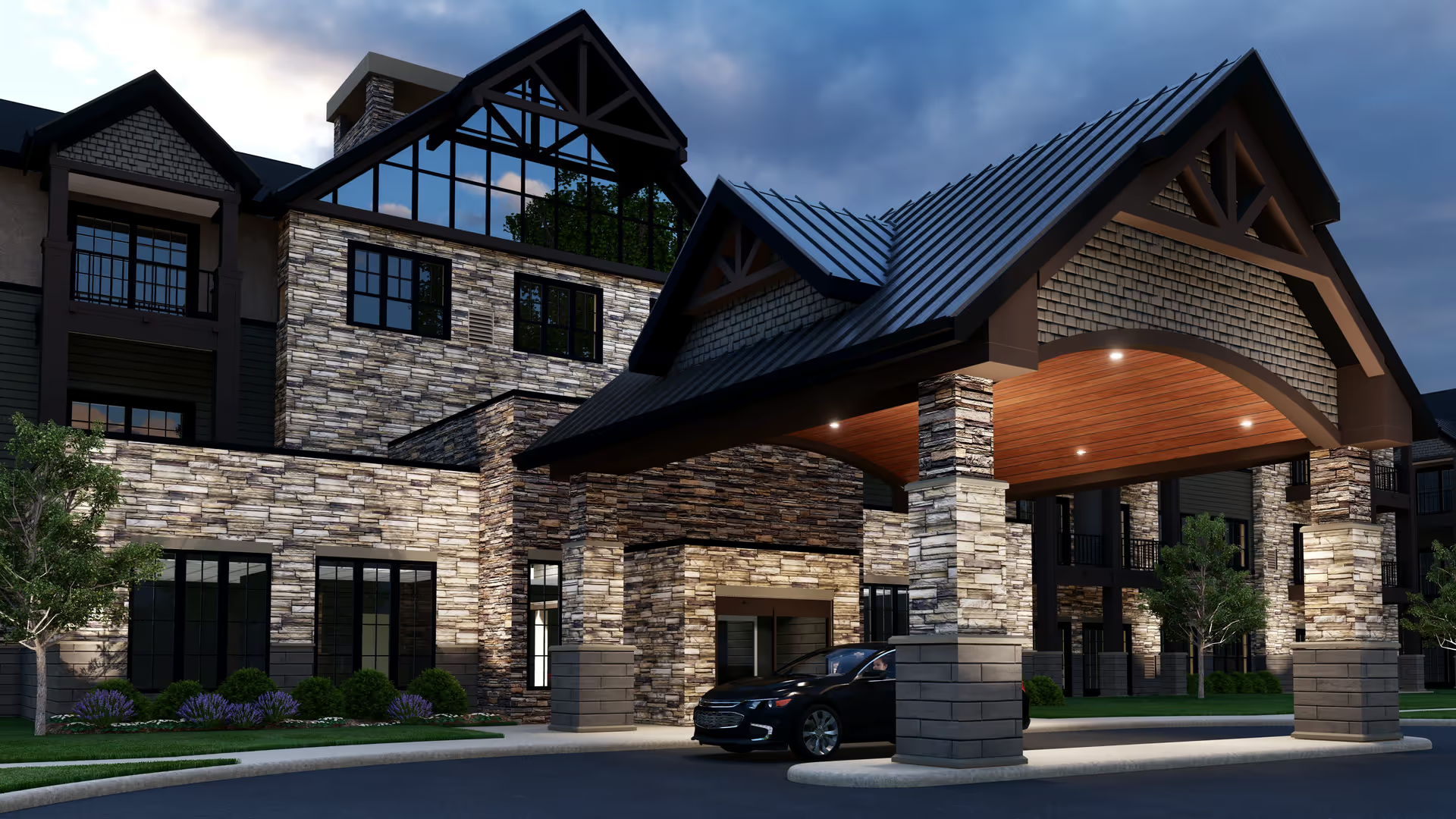
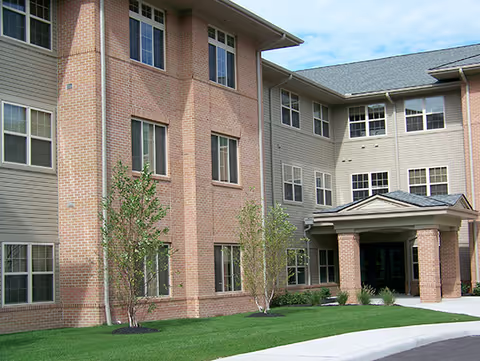
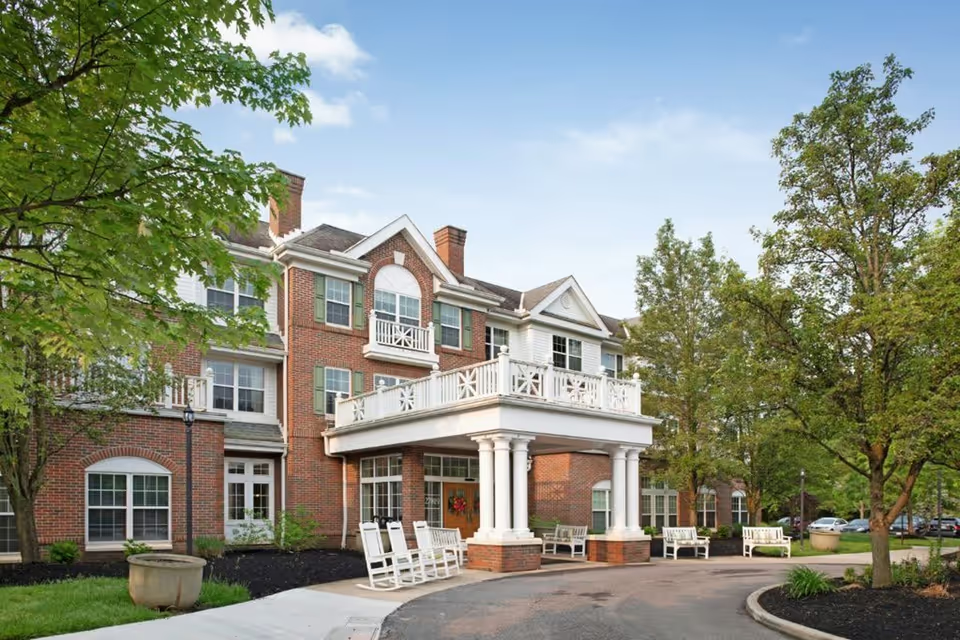
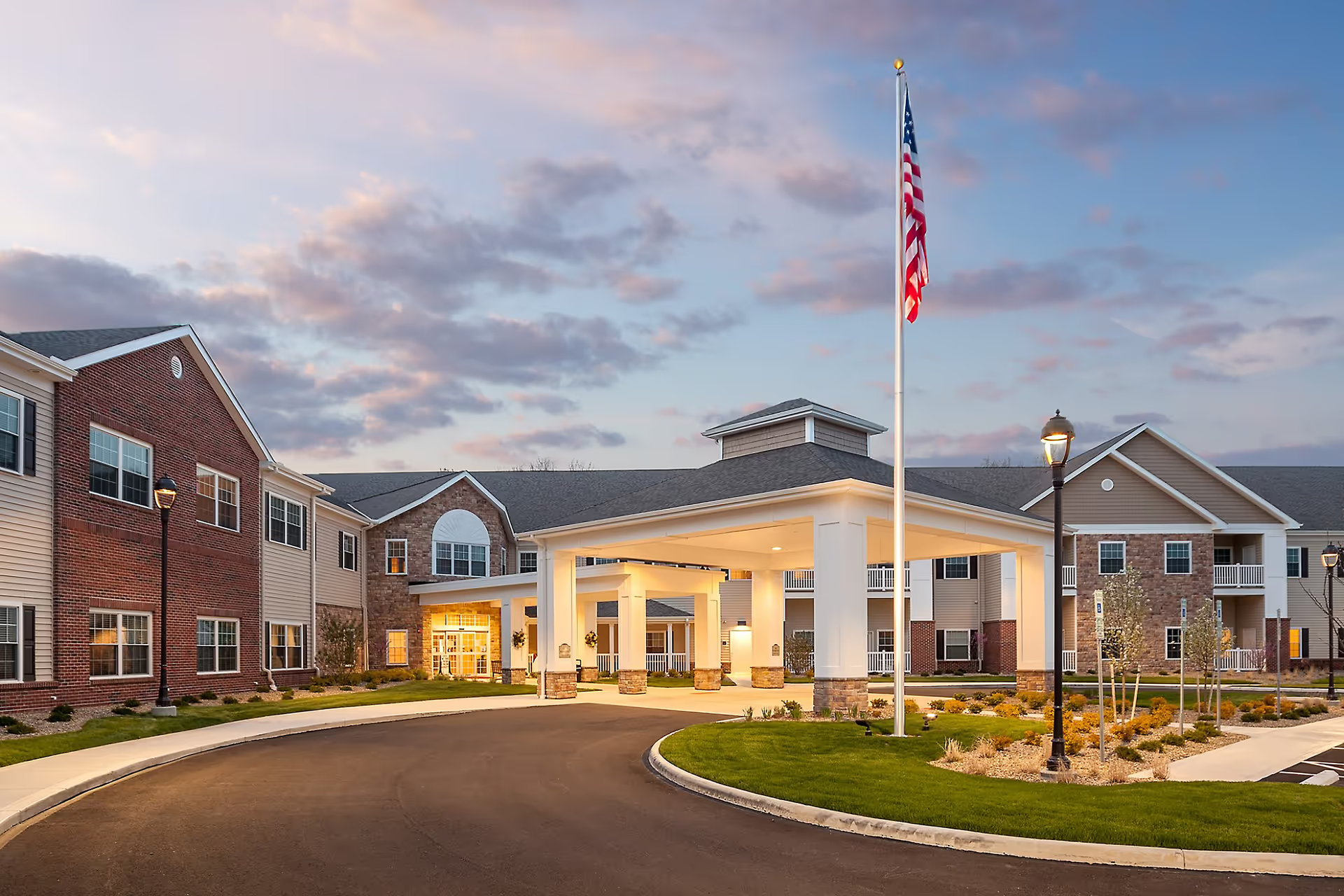
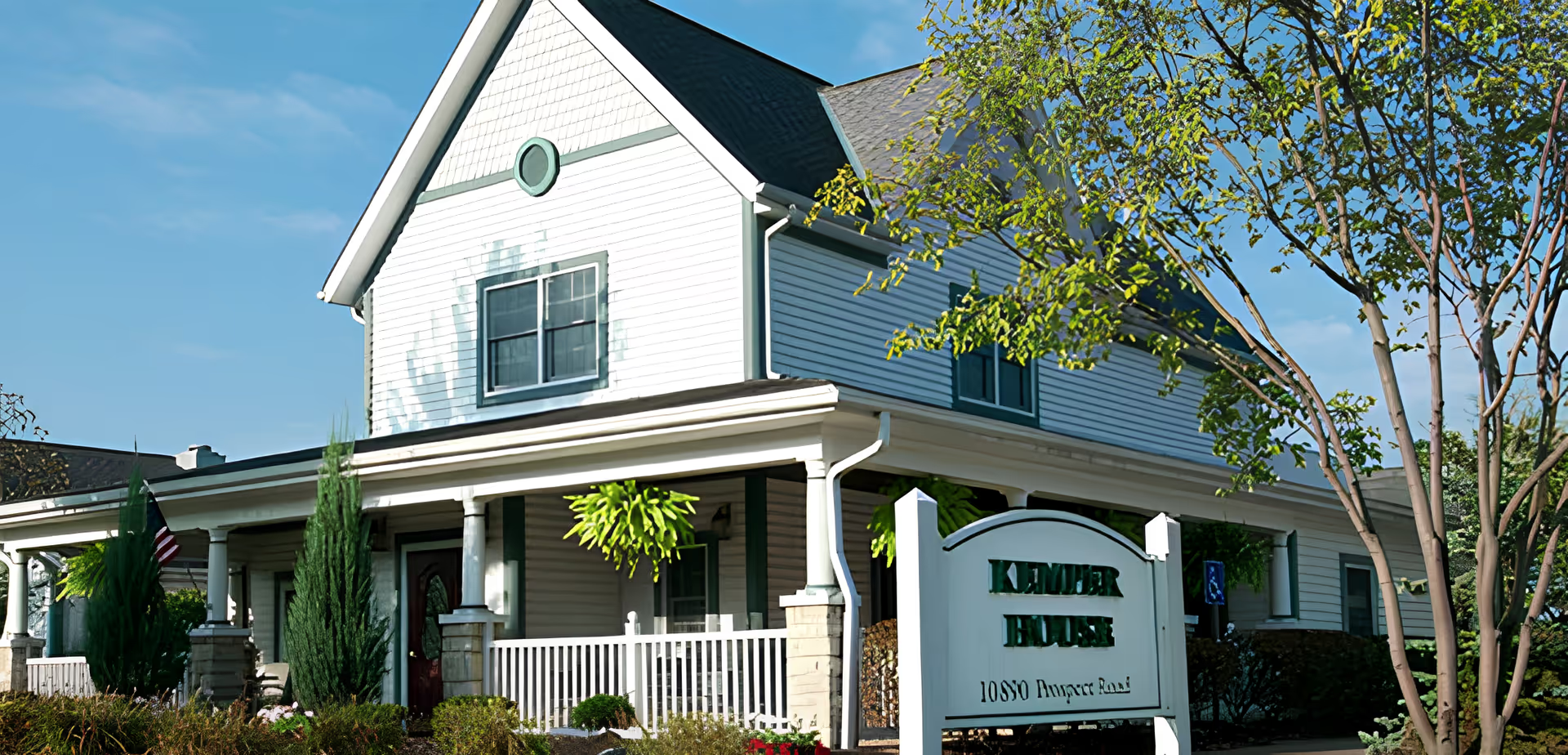
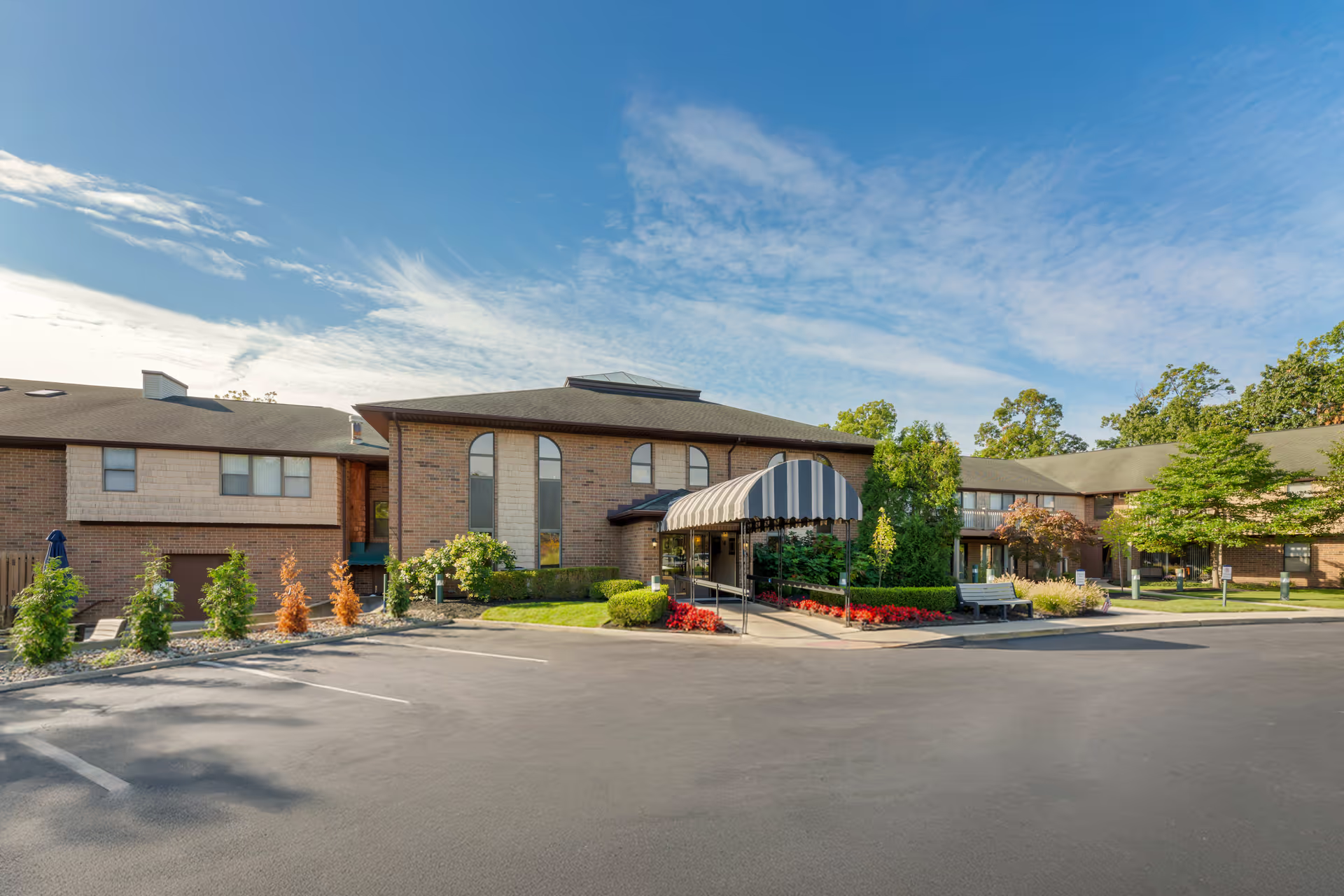
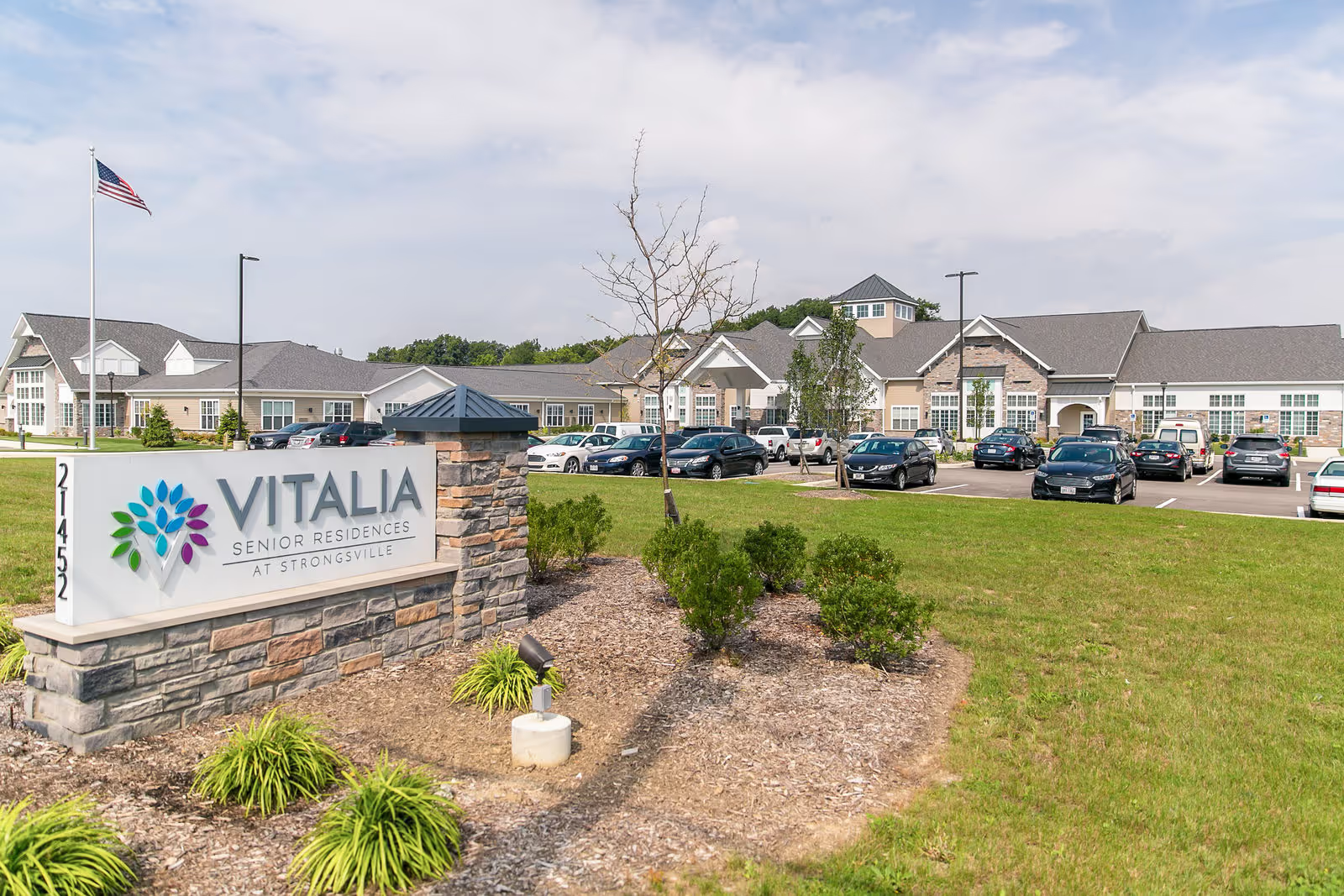
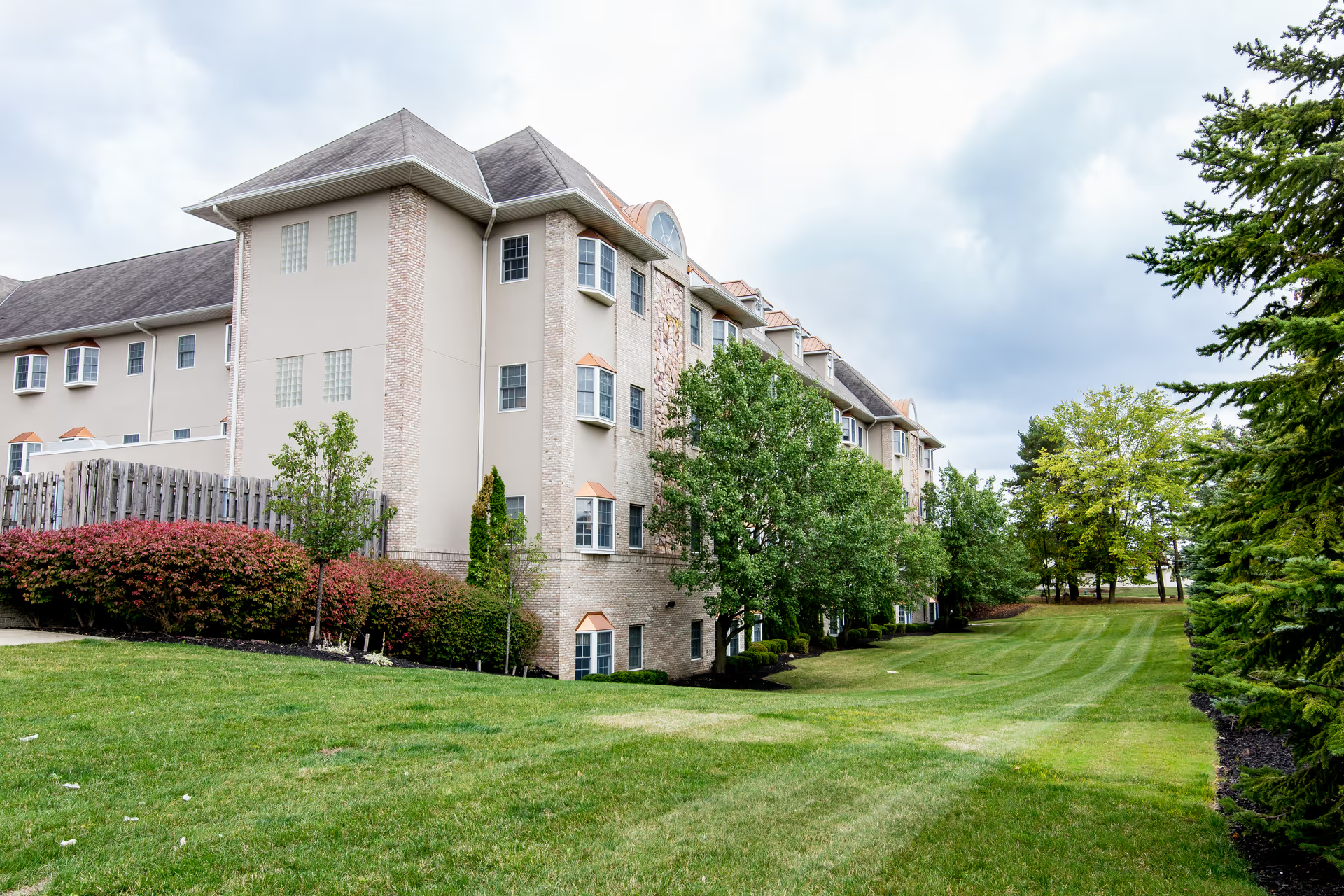
The Renaissance Retirement Campus presents a mixed picture. Many reviewers praise the campus amenities: attractive grounds with walking trails, ponds and wildlife; a full fitness and aquatic center; salon/barber services; and a range of apartment and villa living options. Independent living residents and families frequently describe an active social environment, varied activities and clubs, reliable transportation and flexible meal plans. Several accounts highlight positive rehabilitation outcomes, compassionate hospice support, and a strong sense of community among neighbors and long-term staff.
Care quality and staffing show notable variation across levels of care. Independent living and some rehab experiences are generally favorable, but accounts from the skilled and memory-care units describe inconsistencies in clinical nursing performance, medication handling, and responsiveness to care needs. Reviewers cited delays in personal-care assistance (including bathing and toileting support), inconsistent follow-through by agency aides, and gaps in communication between management, nursing leadership, and direct-care staff. Clinically significant events — transfers to acute care, concerns following a resident's death, and pressure injuries — were described by families; these instances were presented as symptomatic of broader operational shortcomings rather than isolated compliments.
Staffing and training emerge as central contributors to the variability in experience. Positive interactions with friendly, helpful, and compassionate employees are repeatedly noted; at the same time, persistent short-staffing, high use of agency personnel, and uneven training—particularly for dementia care and adaptive-equipment use—are linked to missed care, falls, and inconsistent assistance. Family communication and administrative responsiveness are uneven: some families report attentive leadership and clear updates, while others describe delayed or absent responses from admissions and administration and unclear chains of command.
Dining and activities are overall strengths but with caveats. Many residents applaud the food, multiple entrée choices, meal delivery and special-event dining; others report inconsistent food quality, meals served at suboptimal temperatures, and limited fresh-fruit or vegetarian options at times. The activity program, transportation for outings, and frequent social programming are consistently identified as assets that support resident engagement and quality of life.
Facilities and maintenance present a split picture. The campus, grounds and newer or refurbished units receive strong praise for cleanliness and aesthetic quality. Conversely, reviewers mention aging infrastructure in certain buildings: intermittent HVAC and airflow issues, plumbing and elevator reliability concerns, and delayed repairs for unit-level problems. These infrastructure items have operational implications for resident comfort and, in some reports, for safety and emergency egress.
Management and financial practices draw both positive and critical comments. Strengths include long-tenured staff, timely pandemic response in some areas, and availability of services such as housekeeping and maintenance. Criticisms focus on inconsistent administrative follow-through, lack of clear communication channels, perceptions of price increases and forced charges, and occasional admissions or customer-service responsiveness issues.
Overall pattern: the Renaissance offers a well-appointed campus with many lifestyle and social supports that suit independent-living residents and those seeking active, amenity-rich retirement housing. However, families considering higher-acuity services should probe staffing levels, medication and care protocols, HVAC and building maintenance practices, and how the facility supervises agency staff and trains for dementia care. Visiting the specific unit, asking for staffing and incident data, and speaking with current families in the intended level of care will help prospective residents and decision-makers evaluate whether the facility’s strengths align with their clinical and comfort needs.