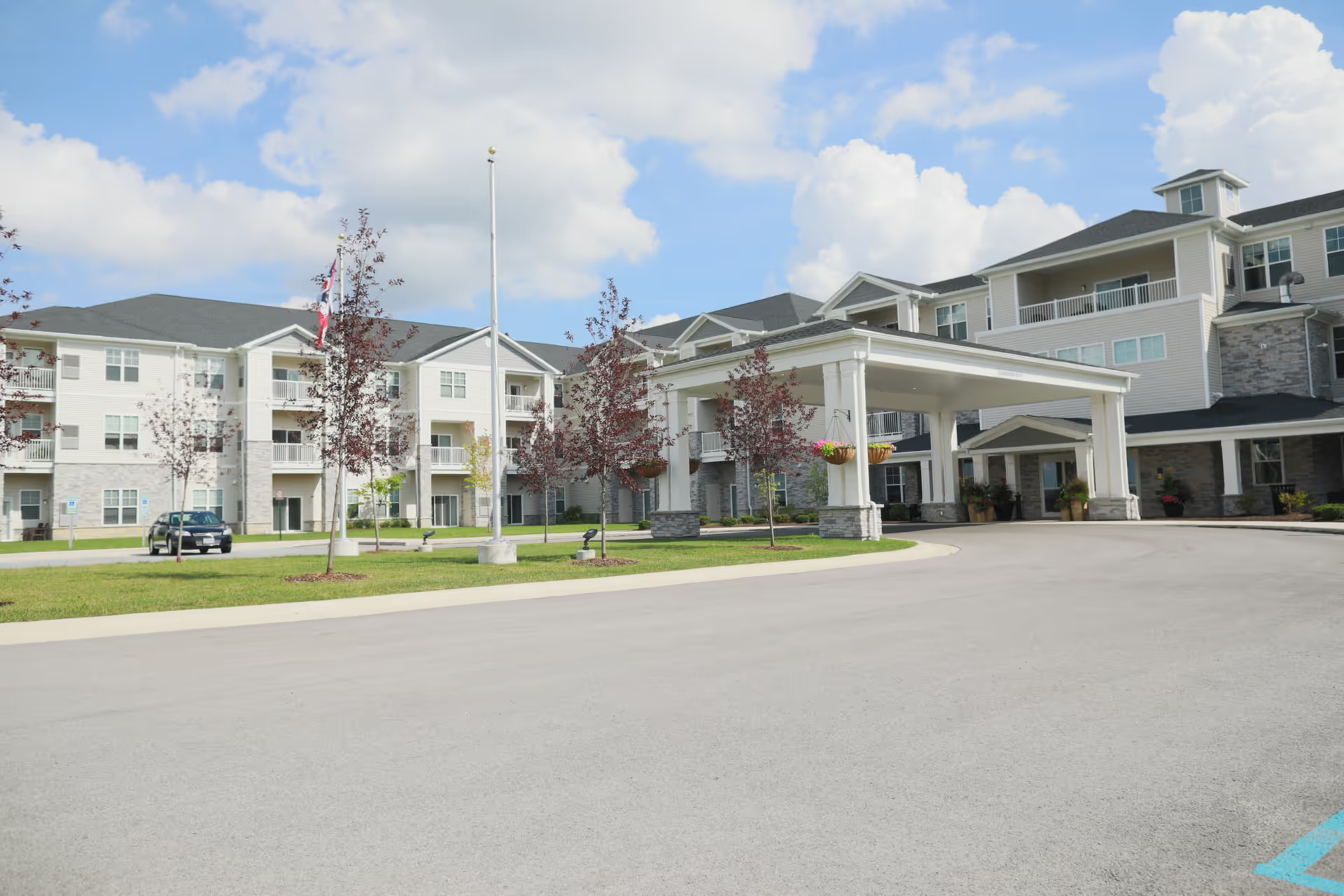
Overall impression: Reviews present a largely positive view of The Gardens of St. Francis’ physical environment, programming, and frontline staff, alongside recurring operational concerns about staffing, leadership decisions, and clinical incident handling. Many families described a clean, attractive campus with well-maintained gardens, bright common spaces, and an on-site chapel and Mass that contribute to a home-like, faith-oriented atmosphere. Short-term rehabilitation and therapy services receive strong praise; several commenters said therapy helped residents meet goals and return home.
Care and staff: The caregiving team — nurses, aides, and therapy staff — is frequently characterized as compassionate, attentive, and resident-focused. Reviewers highlighted staff who learn residents’ names, provide personalized attention, and go beyond expected duties to make residents comfortable. Memory-care programming and engagement from an activities director are often cited as strengths. At the same time, there are repeated concerns about inconsistent staffing levels and coverage, which reviewers link to delays in response, missed or delayed care interactions, and uneven supervision.
Dining and activities: Dining receives mostly favorable comments for meal quality, accommodating kitchen staff, and pleasant dining experiences. Activities programming is described as active and varied (bingo, concerts, family events, holiday luncheons, religious services), with staff who facilitate resident participation and social engagement. These offerings contribute strongly to resident morale and family satisfaction.
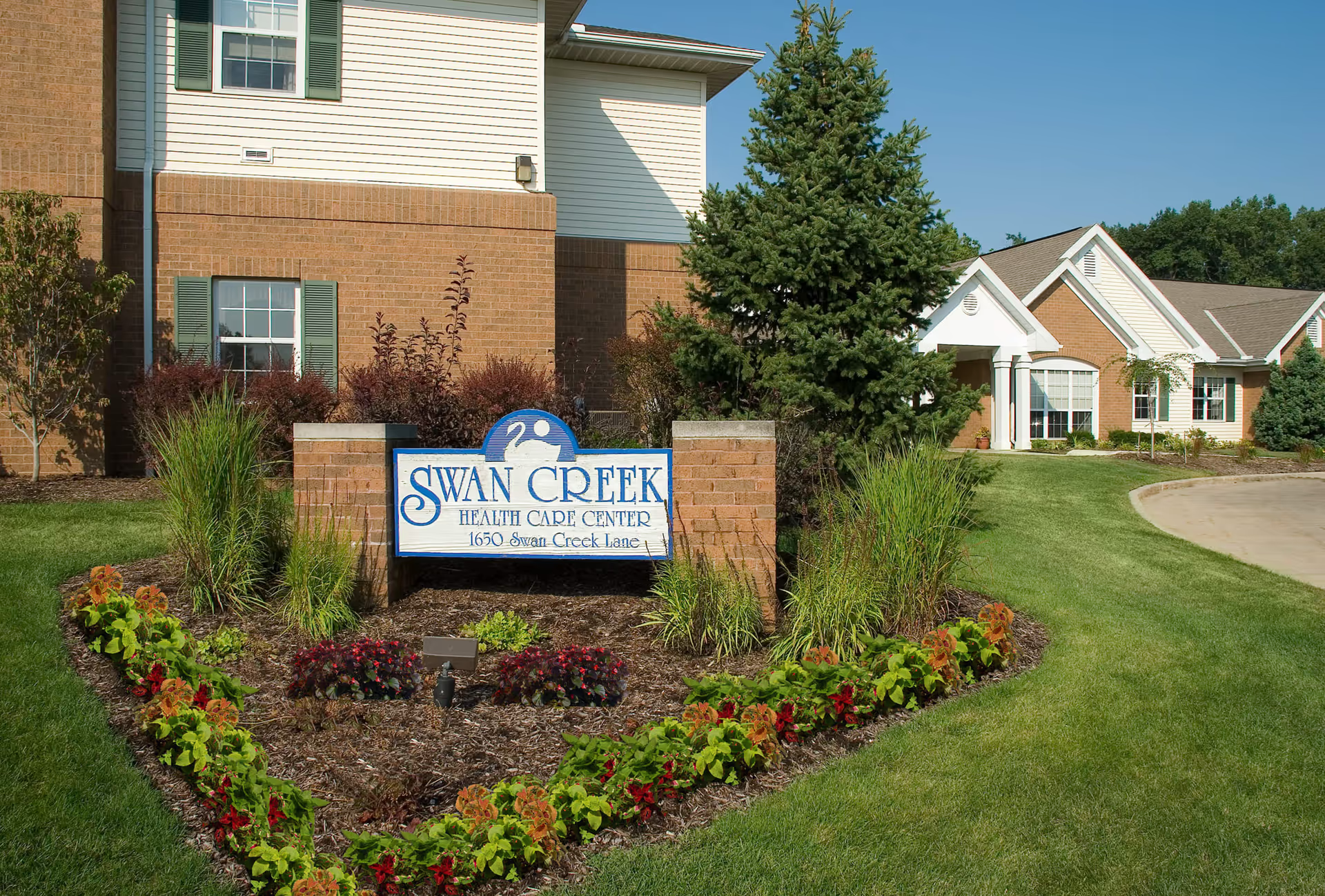
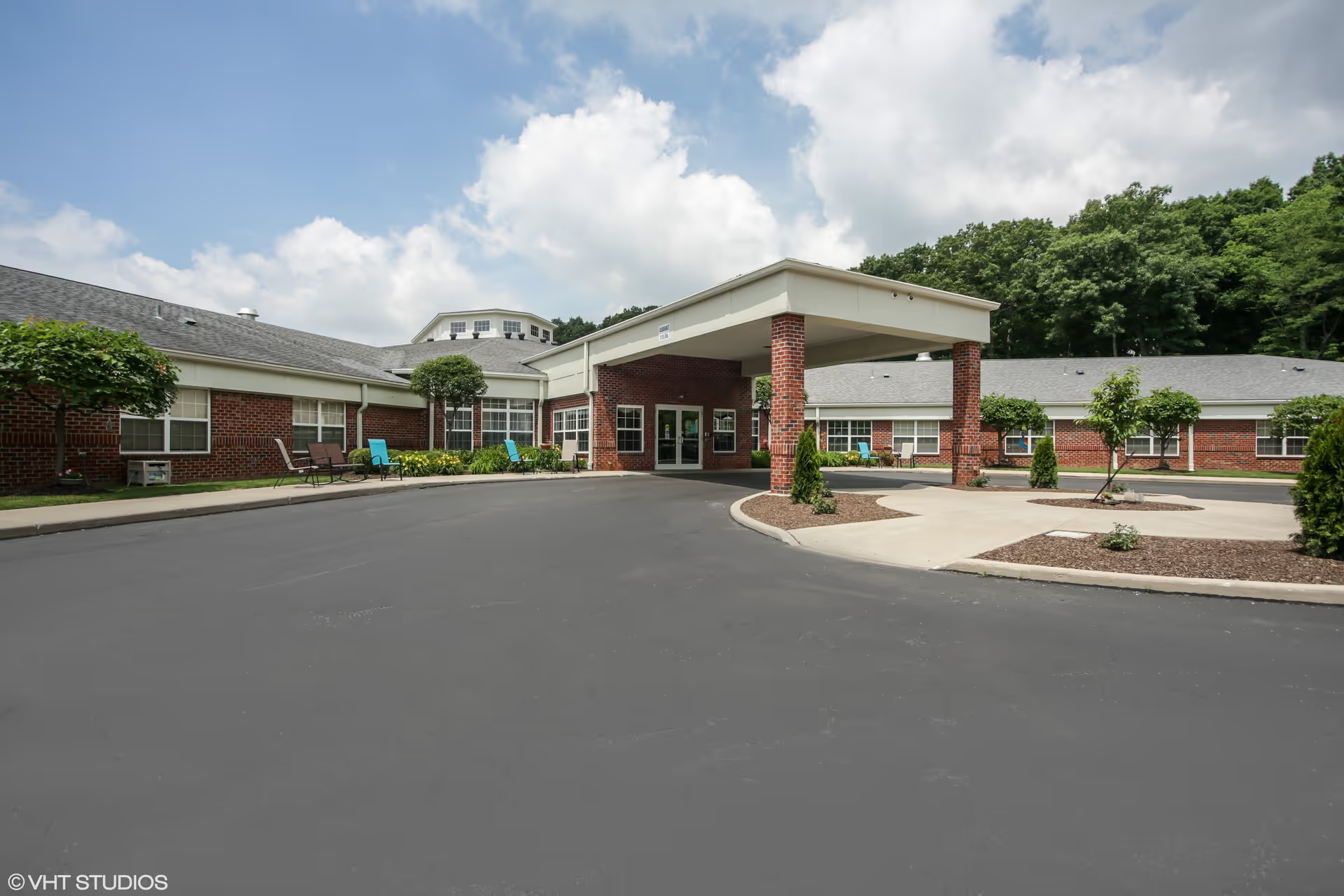
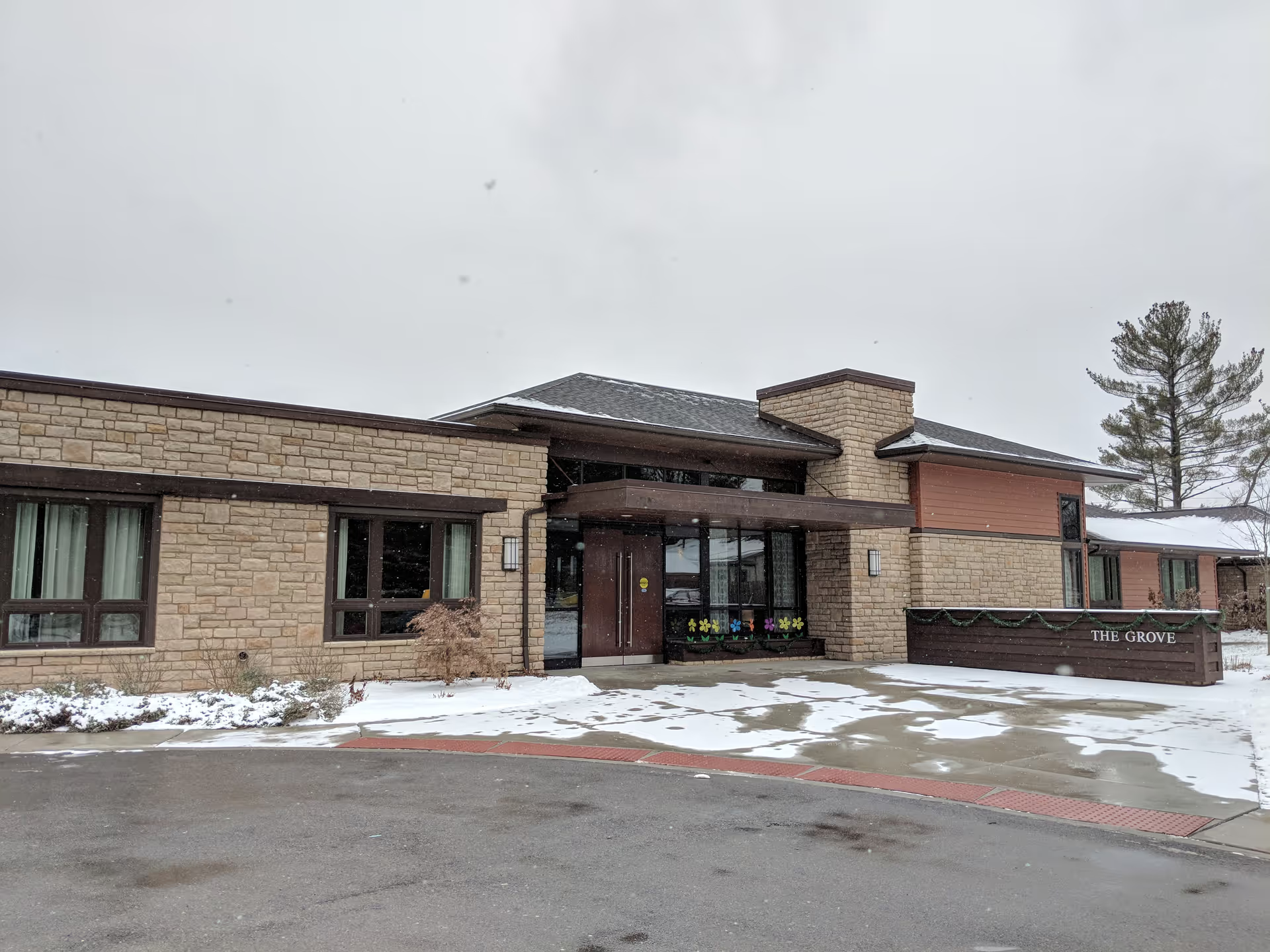
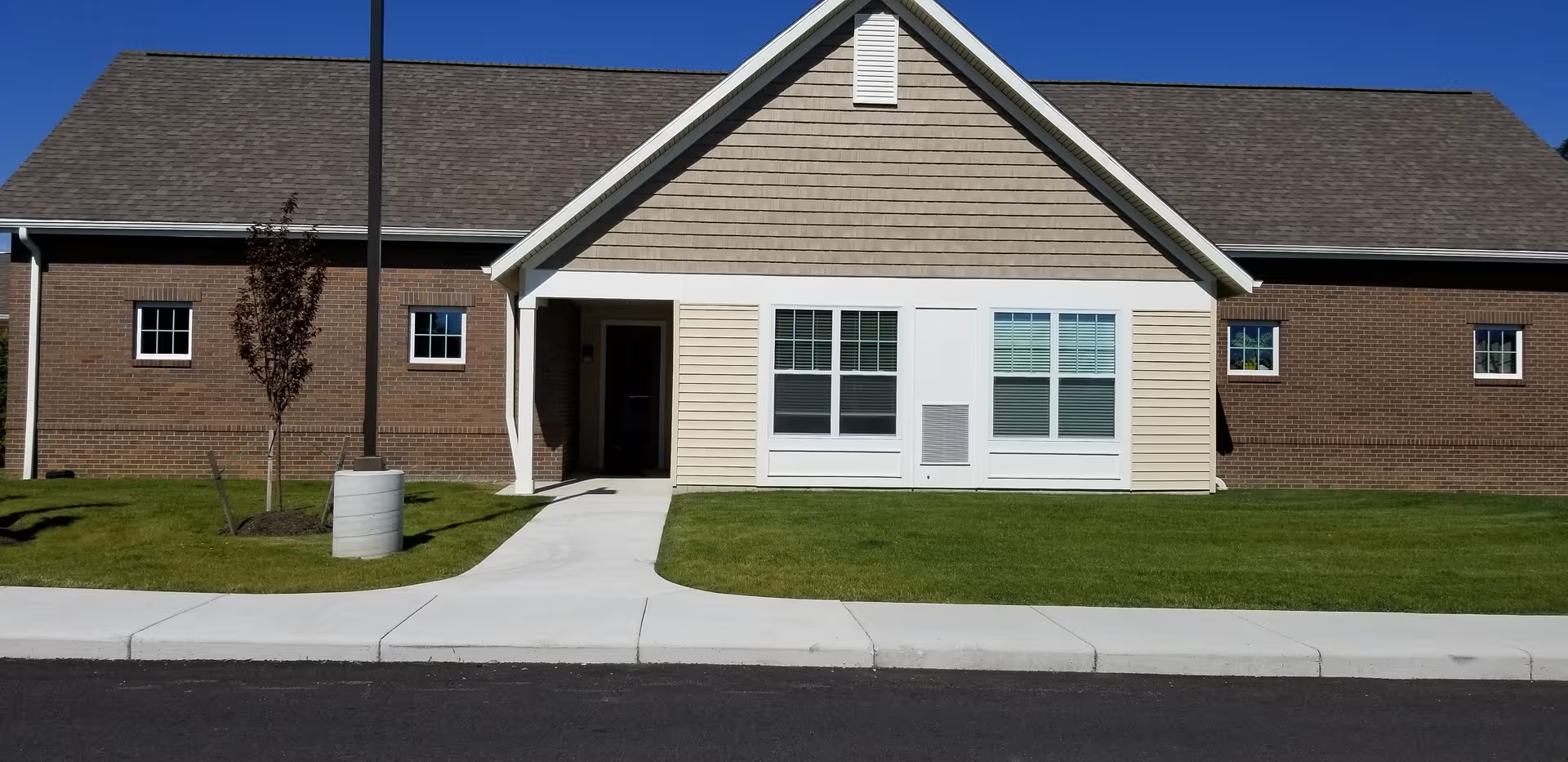
Facilities: The physical plant is a consistent positive: very clean interiors, well-kept grounds, attractive gardens and walking areas, and comfortable common rooms. Some reviewers noted that the building layout can be confusing to navigate and that rooms and temperatures may vary. Outdoor visiting options and scenic areas are valuable features for families and residents.
Management and operational patterns: Management receives mixed evaluations. Several families praised responsive managers and admissions staff who helped with placement and specific concerns; others described abrupt policy changes (particularly around visitation) and communication lapses. There are recurring themes of rigid visitation rules and after-hours access delays that have caused distress for some families, including concerns about end-of-life visiting flexibility. Reviewers also raised issues about medication management, inconsistent adherence to prescribed diets, and what they perceive as variable clinical oversight. There are allegations of serious incidents and concerns following a resident’s death; such claims are grave and underscore the importance of clarifying incident-handling, reporting practices, and regulatory history before placement.
What prospective families should ask about: Given the mix of strong caregiving and operational concerns, prospective residents and families should ask about current staffing ratios and turnover, fall-prevention protocols and supervision practices, medication-administration and documentation procedures, dietary accommodations and monitoring, visitation policies (especially for end-of-life flexibility), billing and financial charges, and the facility’s process for family communication after clinical incidents. Reviewing recent state inspection reports and speaking with admissions or nursing leadership about specific examples of care transitions and incident response may help clarify whether the facility’s strengths align with a family’s priorities.