The reviews present a mixed and polarized picture of care at the facility. Many families and residents describe attentive, compassionate caregivers, positive interactions with specific staff members (including the admissions team and certain nurses), improvement in health and mobility during stays, and an appreciation for the dining program and social opportunities. At the same time, a number of reviews raise operational concerns that affect perceived safety, cleanliness, and reliability of care.
Care quality appears uneven. Positive accounts note strong personal-care delivery, regular clinical progress reviews, effective assistance with assistive devices, and documented improvements in mobility and skin outcomes after transfers. In contrast, other accounts indicate inconsistent responsiveness to resident needs (for example, missed or irregular bathing and delays in personal-care tasks), gaps in incontinence-care and linen management, and broader infection-control practice gaps. A limited number of reviewers raised alleged mistreatment concerns and expressed worry about the facility’s response to serious clinical events; these claims merit careful follow-up by families and regulators.
Staffing and culture show similar variability. Several reviewers praise particular nurses and aides for compassion and helpfulness; the admissions process and some administrative staff are described as clear and supportive. However, recurring themes include chronic understaffing, high staff turnover, and apparent leadership instability after management changes. Families reported breakdowns in communication with clinicians and facility leaders, including instances where messages were not relayed and where financial or professional remarks undermined trust. There are also reported concerns about staff conduct around resident privacy and property handling.
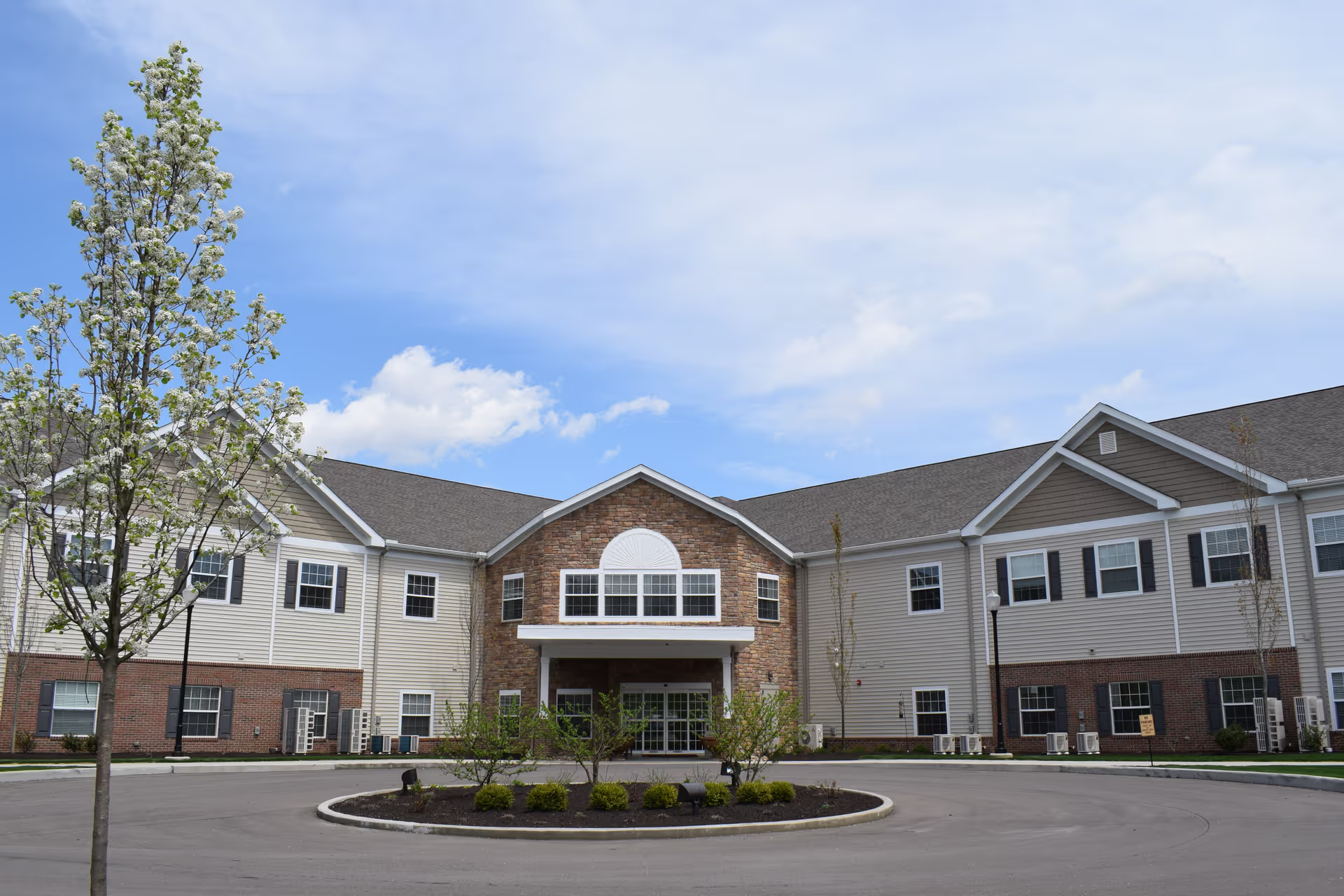
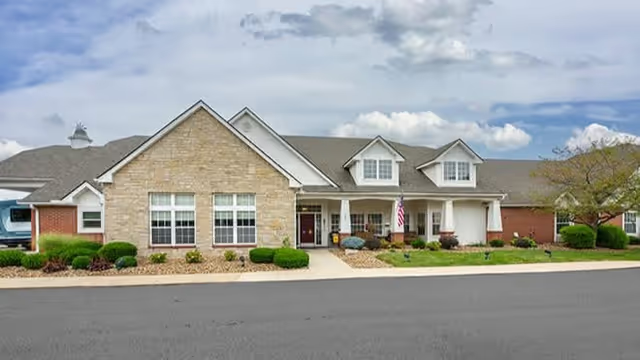
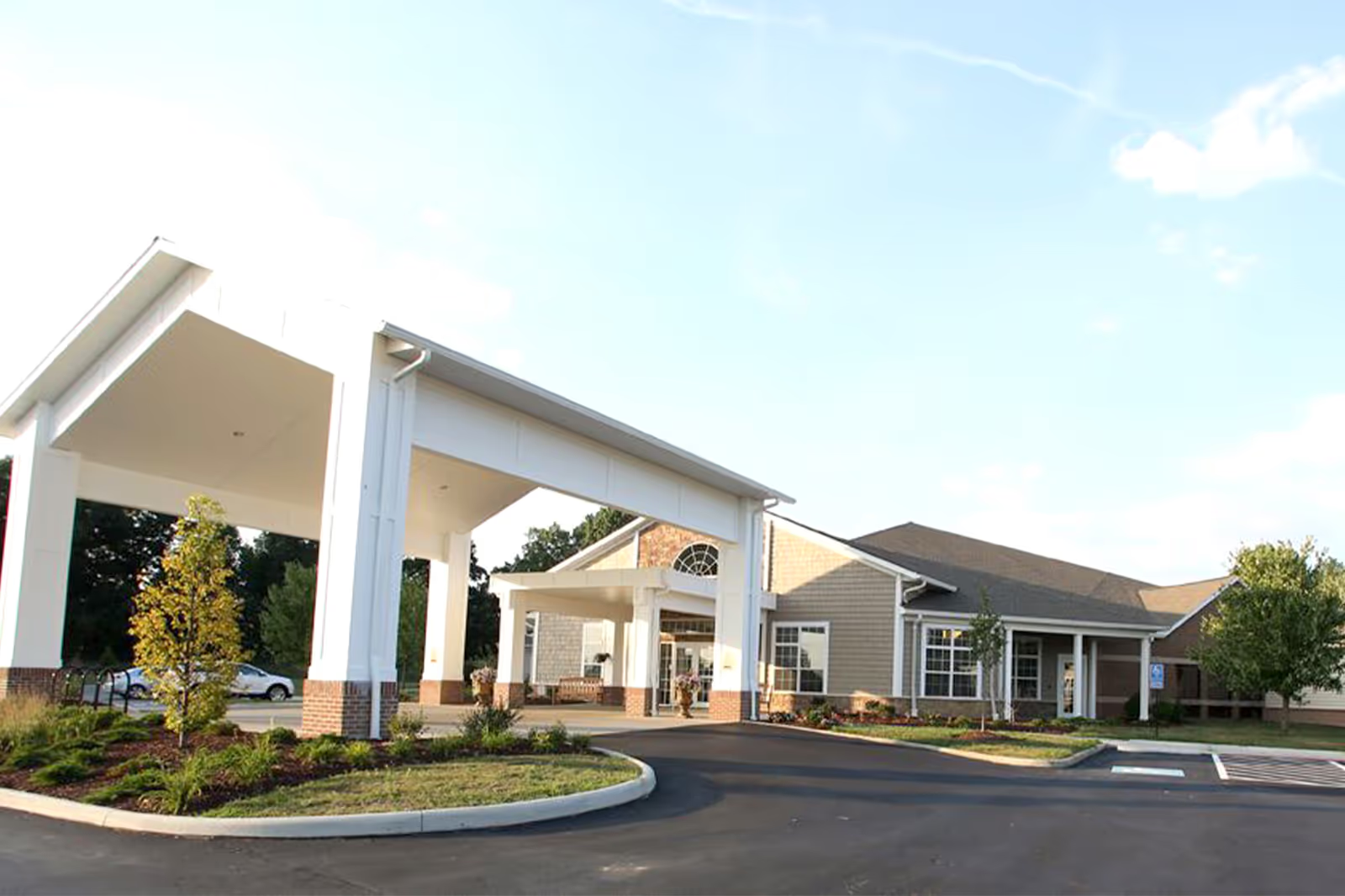
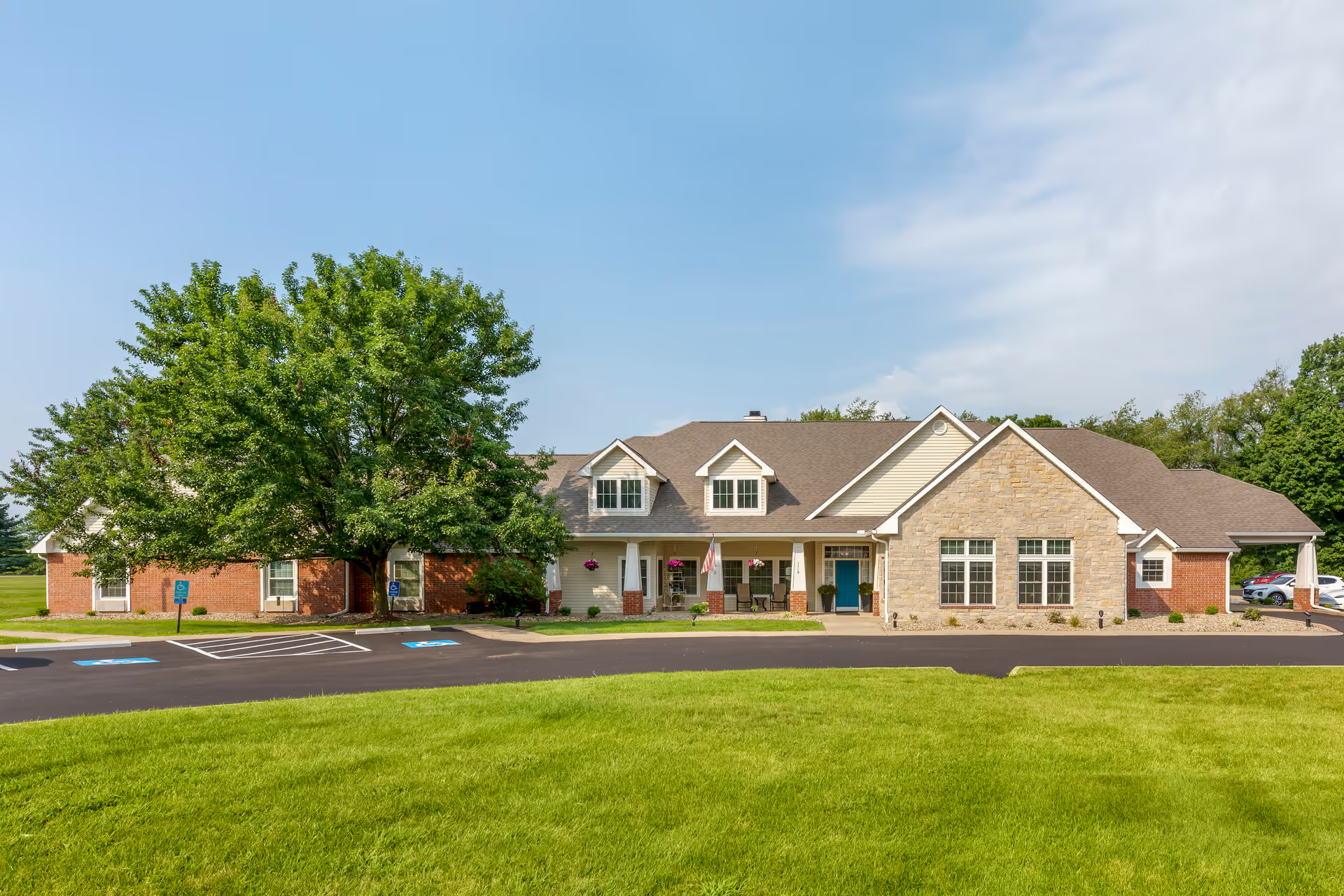
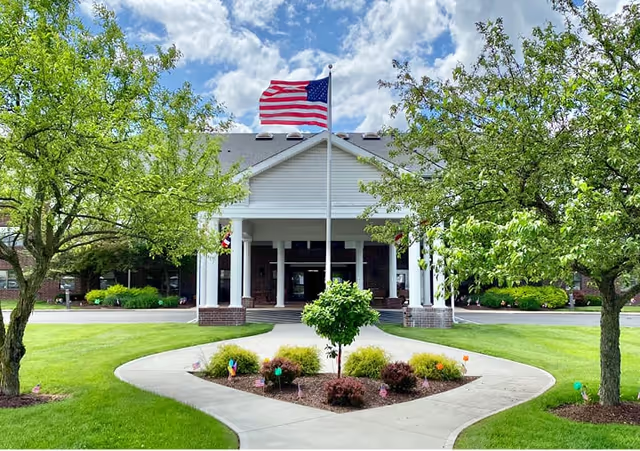
The facility’s physical environment and operations raise additional issues. Positive notes mention friendly staff and social connections among residents, but the building is described as aging with delayed maintenance (lighting, rusted fixtures) and environmental upkeep concerns. Sanitation and housekeeping shortcomings and odor concerns in certain areas were cited, and reviewers noted inconsistent laundry return and trash/linen-management practices. There is also commentary about a noisy or institutional atmosphere that some families found detracting from a homelike feel. Reviewers referenced a previous facility closure and later reopening under a different name, a notable operational history point for prospective families to investigate.
For prospective residents and families: consider in-person tours focused on cleanliness, infection-control policies, staffing ratios at the unit level, leadership tenure, and examples of routine care (bathing, linen change, incontinence protocols). Ask to review recent inspection or closure/reopening documentation, sample care plans and progress-review schedules, mechanisms for family–clinician communication, and procedures for handling resident privacy and possessions. Speaking directly with current family members about day-to-day staffing consistency and observing meal service and activities can help assess whether the facility’s strengths align with your expectations.
Overall, the facility shows clear strengths in individual caregiving relationships, meals, and some clinical improvements, but persistent operational issues—particularly around housekeeping, infection-control practices, staffing stability, leadership, and communication—are reported often enough to warrant careful inquiry before placement.