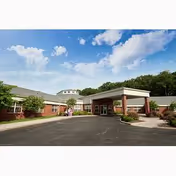
Kingston Residence of Perrysburg generates a largely positive impression for social life, dining variety, and staff engagement, but the overall picture includes notable variability in clinical consistency and facility condition. Strengths that recur across accounts include a warm, family-like atmosphere driven by long-tenured staff, a robust activities program (including themed meals, Bingo, entertainment performers, and frequent outings), and accessible rehabilitation and skilled-nursing services. Many families praised hands-on leadership, personalized care gestures, and reliable transportation for medical appointments, which contribute to resident satisfaction and peace of mind.
Staffing and care quality are mixed. A substantial portion of commentary emphasizes compassionate, attentive aides and nurses who know residents well, provide individualized attention, and communicate effectively with families. At the same time, a minority of accounts raise serious clinical and operational concerns: inconsistent nursing oversight, delays in responding to resident calls for assistance, and lapses in medication-management and transfer safety. These issues suggest variability in clinical performance that prospective families should assess directly during visits and intake discussions.
Dining and activities are clear strengths. Reviewers consistently mention varied menus, themed lunches and dinners, and positive meal experiences for many residents. The facility supports an active social calendar—on-site events, entertainment, outings to local restaurants, and therapy programs—that many residents find engaging. The memory-care unit and respite options were specifically noted as beneficial for social integration and transitional stays.
Facility condition and operations show a split profile. Common areas, dining rooms, and the outdoor courtyard are frequently described as attractive and well maintained. However, reviewers also point to an older building shell in places—worn carpeting, dated paint, and an institutional feel in some units—and operational gaps such as limited visitor parking and no formal parking plan. Financial considerations were mentioned repeatedly; cost is perceived as high by some families, and prospective residents should confirm current pricing and what services are included.
Management impressions are generally favorable regarding communication and a hands-on executive presence, but there are isolated accounts describing limited accountability or uneven management responsiveness. Given the combination of strong social programming and inconsistent clinical reports, prospective families should prioritize an in-person tour, ask for details on nurse-to-resident ratios (especially at night), medication-administration policies and pharmacy support, sanitation and housekeeping protocols, dementia-care staff training, and the facility’s contingency plans for staffing shortages and parking. This will help clarify whether Kingston Residence’s strong community features align with an individual resident’s care-safety and clinical needs.