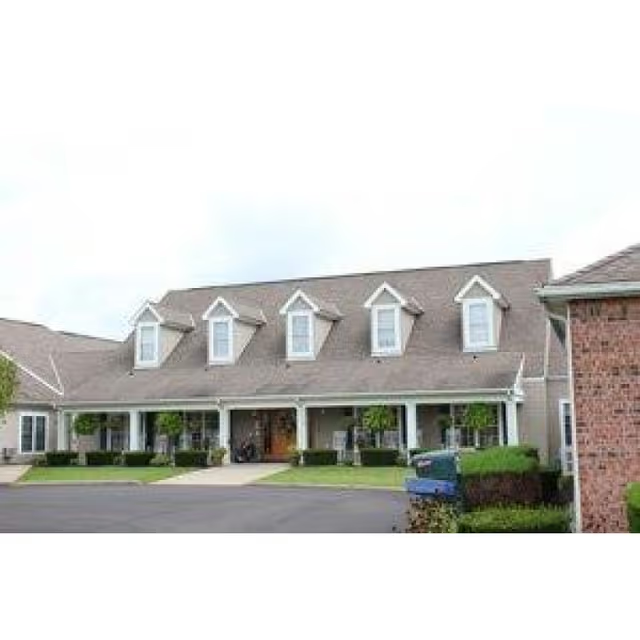
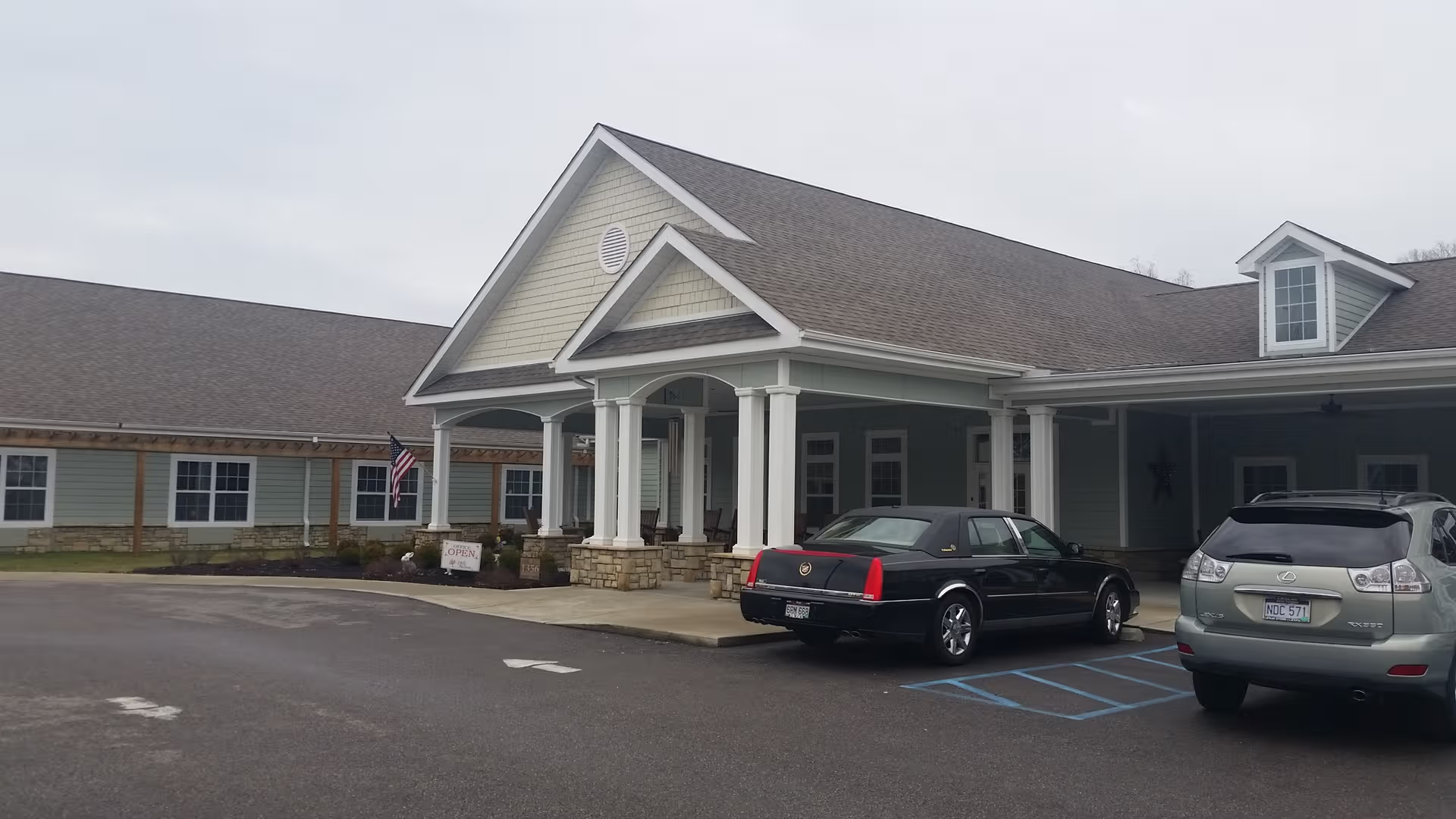
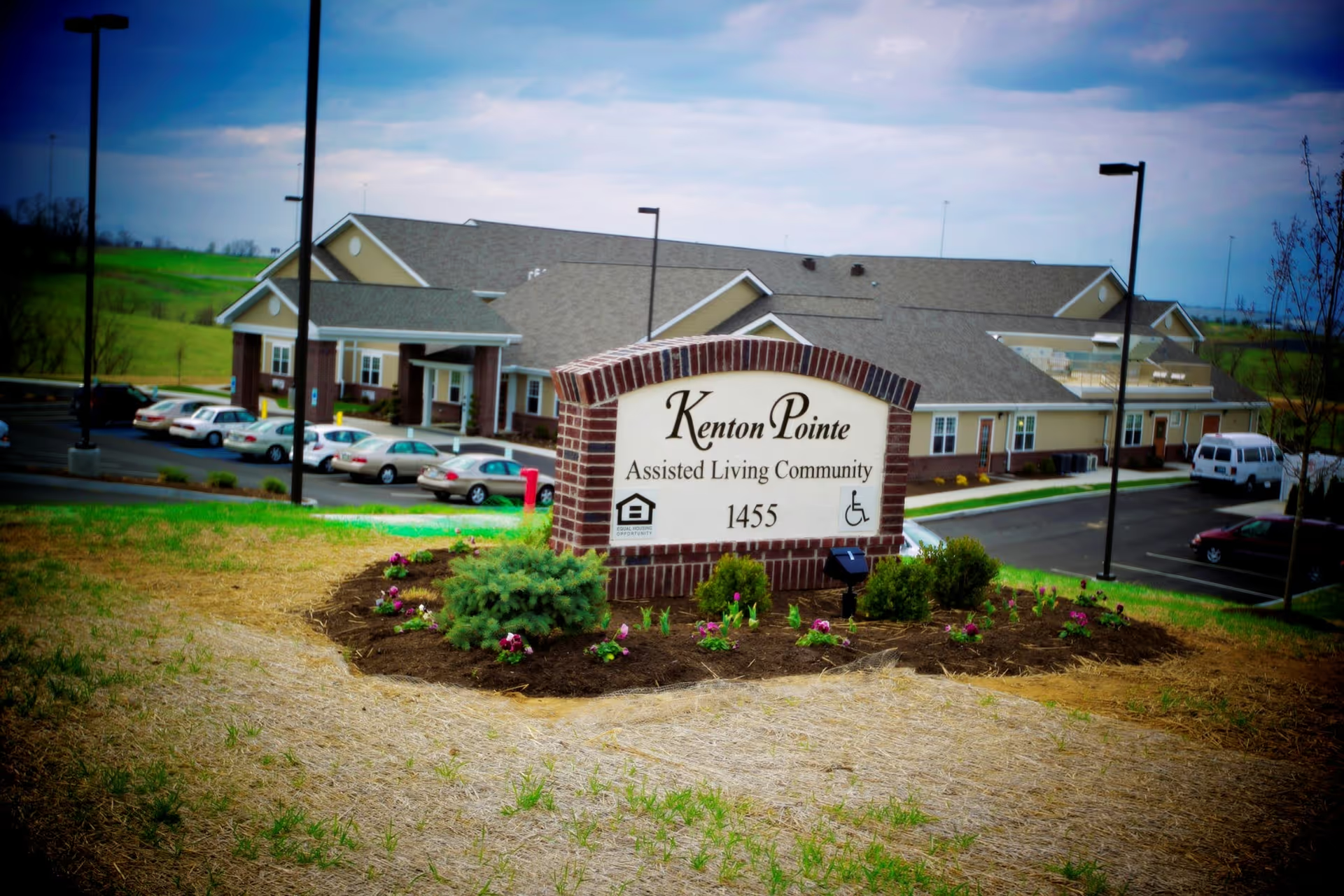
Reviews of BridgePort Healthcare Center display a mixed pattern of strengths and operational weaknesses. The facility is repeatedly identified as having a capable rehabilitation program — including an Advanced 360 unit — and several reviewers praised the rehab team's clinical skill and effectiveness for short-term recovery. Spacious private rooms with en-suite bathrooms and accessible respiratory therapy support were also described as positive aspects suitable for both short-term and long-term residents.
Staffing and direct-care quality are described unevenly. Many accounts characterize nursing, STNA, hospitality, and laundry personnel as compassionate, attentive, and responsive; those reviewers emphasize respectful interactions and timely support for basic needs. Conversely, other reviews describe inconsistent responsiveness to routine care tasks (for example, bathing, assistance with sitting or transferring, and aide response times). There is a recurring theme of variability by shift or unit: some families report excellent, engaged caregivers while others report delays in attending to residents and concerns about staff conduct and communication tone.
Clinical care shows a dichotomy as well. While rehabilitation services receive positive comments for expertise and outcomes in some cases, several reviewers reported inconsistent therapy intensity, stalled progress, and administrative/documentation gaps that affected payer decisions and care continuity. Wound-care management and dressing-change frequency were cited as areas where follow-up appeared inconsistent. Families also noted instances where care transitions and clinical-incident responses (including communication with families) were handled poorly.
Dining and nutrition attract regular criticism for limited menu variety, repetitive offerings, and inconsistent meal temperature and portioning. Some reviewers expressed concern about the adequacy of between-meal nourishment. At the same time, a number of reviewers were grateful for specific dietary or therapy-related supports, indicating that meal experience may vary across residents and times.
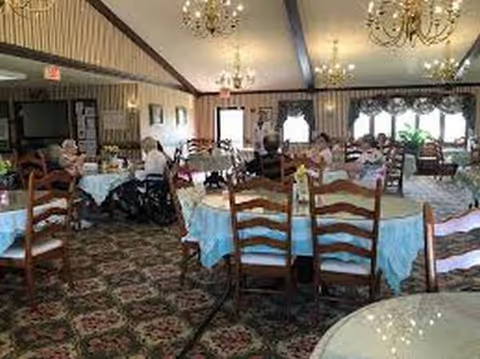
Facility and safety issues are a prominent concern for a subset of reviewers. While the physical rooms and therapy spaces were described positively, others raised sanitation and odor concerns in common areas and questioned the adequacy of infection-prevention practices. Security-related weaknesses were noted, including parking-lot safety and gaps in surveillance or asset-control. A particularly serious cluster of comments referenced privacy breaches and allegations of theft; these items contribute to worry about policy enforcement and resident dignity protections.
Management impressions are mixed: some families commend a strong administrative team that responds to complaints, while others point to administrative shortcomings (paperwork delays, poor coordination with hospitals, and regulatory complaints). The overall pattern is one of variability — the facility demonstrates clear strengths in rehabilitation, several caring staff teams, and useful amenities, but also shows recurring operational weaknesses in staffing stability, daily-care responsiveness, sanitation and security practices, documentation, and communication.
For prospective residents and families, the reviews suggest performing focused, in-person checks: observe staffing levels on the expected unit and shift, review current therapy plans and measurable goals, ask about wound-care and medication protocols, inquire about infection-control and surveillance policies, inspect dining options and meal schedules, and clarify the facility's process for incident reporting and family communication. The facility may provide very good care under certain teams or shifts, but variability across operational domains indicates the importance of direct verification of the items that matter most to an individual resident.