Reviewers present a polarized picture of Buckeye Forest at Rosemount Pavilion: many accounts describe engaged, compassionate caregivers and a strong therapy program, while others describe significant operational and clinical weaknesses. Families praised individual staff members and leaders for responsive problem-solving, smooth transitions, effective rehabilitation, and a welcoming, family-like atmosphere. At the same time, several reviews raise serious concerns about care consistency and systems of oversight.
Care and clinical operations: Positive comments emphasize skilled nursing and therapy teams that produce good short-term rehabilitation outcomes and attentive bedside care when staffing and processes function as intended. However, reviewers also describe systemic problems including medication-management and monitoring weaknesses, delays in responding to oxygen or other urgent needs, and concerns about pressure-injury prevention and treatment. There are recurrent complaints about delayed assistance with activities of daily living, inconsistent bathing and personal-care schedules, and missed or late medication administration. Reviewers also cite gaps in physician consultation and follow-up, which families felt contributed to poor clinical outcomes in some cases.
Staff and workplace culture: Many reviews highlight compassionate, dedicated individuals and strong teamwork among certain shifts or units; named staff and directors were credited with resolving issues promptly and providing attentive family communication. Conversely, other accounts point to inconsistent staff performance, variable professionalism, and distraction by personal devices. Staffing coverage appears uneven across shifts, contributing to long call-light wait times and delayed assistance. Documentation and recordkeeping accuracy concerns were raised, including allegations that therapy or nursing records were not always reliable.
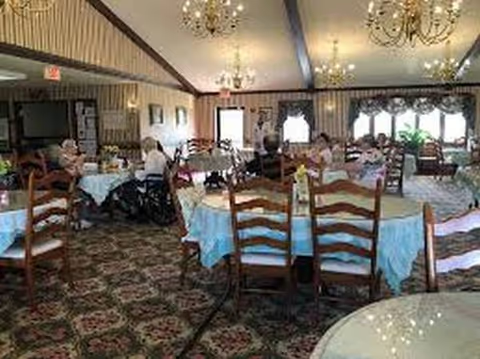
Dining, activities, and therapy: The therapy and rehabilitation program is consistently cited as a strength, with families describing good progress and a supportive therapy team. Dining and kitchen staff receive positive remarks for service and resident support. Activity offerings and the general social environment are described as warm and engaging by many residents and families, contributing to a home-like atmosphere for those who are satisfied with their care.
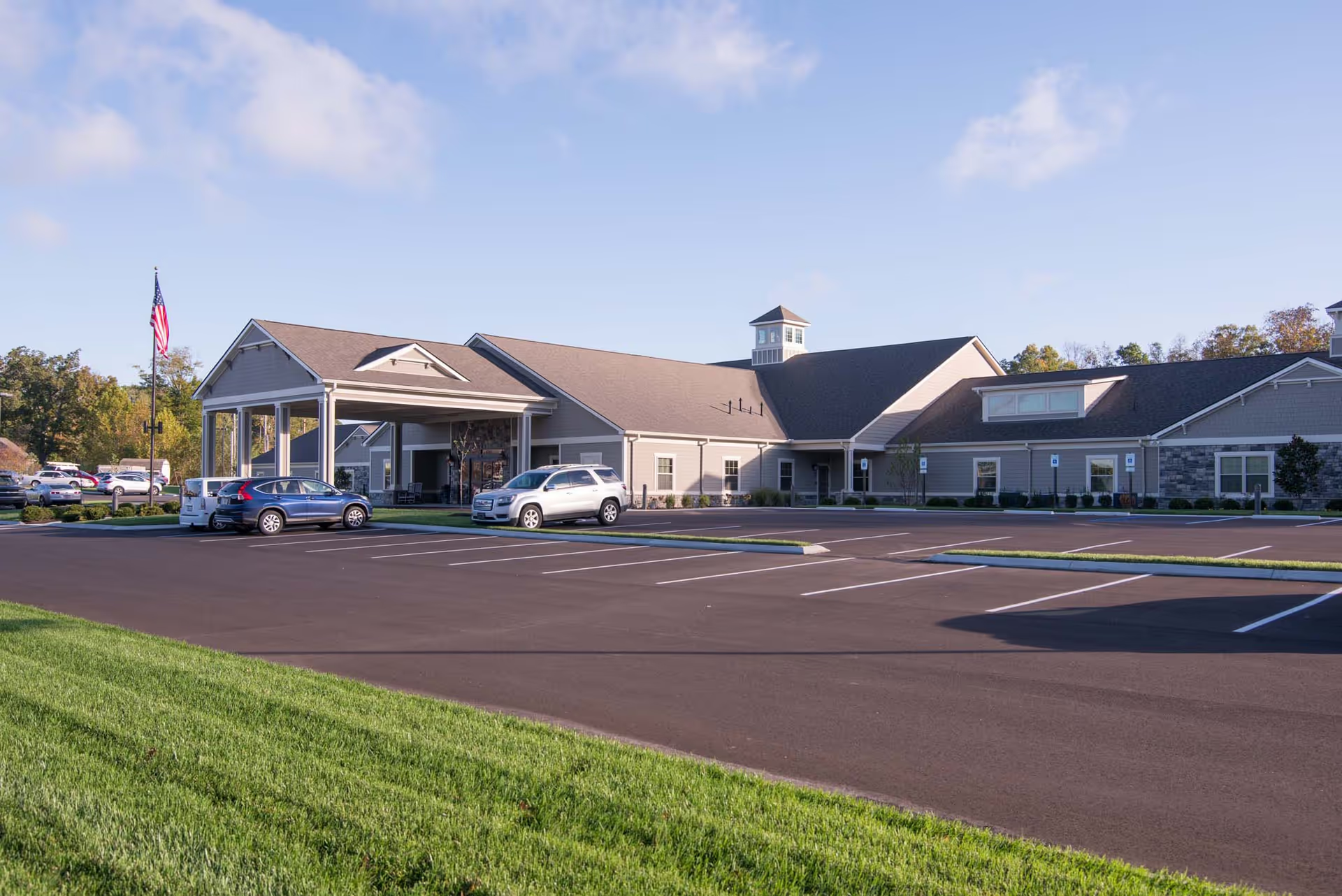
Facilities, cleanliness, and safety: Comments about the physical plant are mixed. Some reviewers describe a clean, safe environment; others note sanitation and odor concerns in particular areas and express that parts of the facility need upgrades. Equipment maintenance and infection-control practices were questioned in a few accounts, suggesting the need for clearer protocols and regular safety checks.
Management and communication: Administrative leadership receives both praise and criticism. Several families reported timely interventions by directors and nursing leadership that resolved problems; many reviewers recommended specific staff by name for their responsiveness. At the same time, others reported restricted or inconsistent family communication and visitation policies, delays or failures in phone response, and poor coordination with outside physicians. A small number of reviewers raise serious allegations, including financial and criminal concerns, which some families pursued beyond informal complaints.
Notable patterns and recommendations for prospective families: The overall pattern is one of uneven performance — strong clinical and rehabilitative capabilities exist alongside operational and supervision gaps that affect some residents' experiences. Prospective residents and families should plan a focused tour and ask targeted questions about staffing ratios, medication administration and oversight, pressure-injury prevention protocols, documentation practices, visitation and family communication policies, and how leadership handles complaints. Verifying recent inspection or regulatory history and requesting examples of how management has resolved prior concerns may help assess whether the facility’s strengths are consistent and whether operational weaknesses are being addressed.