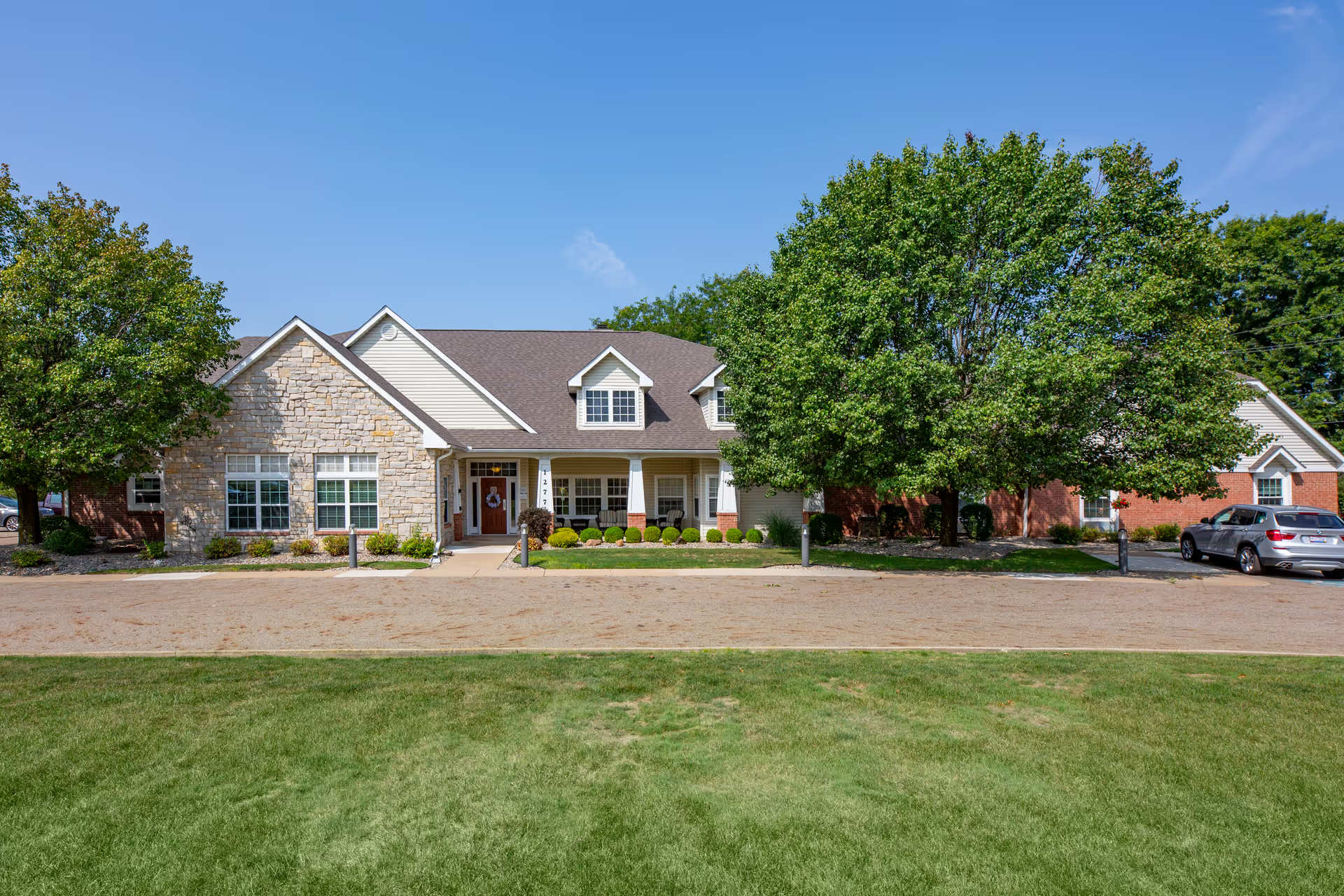
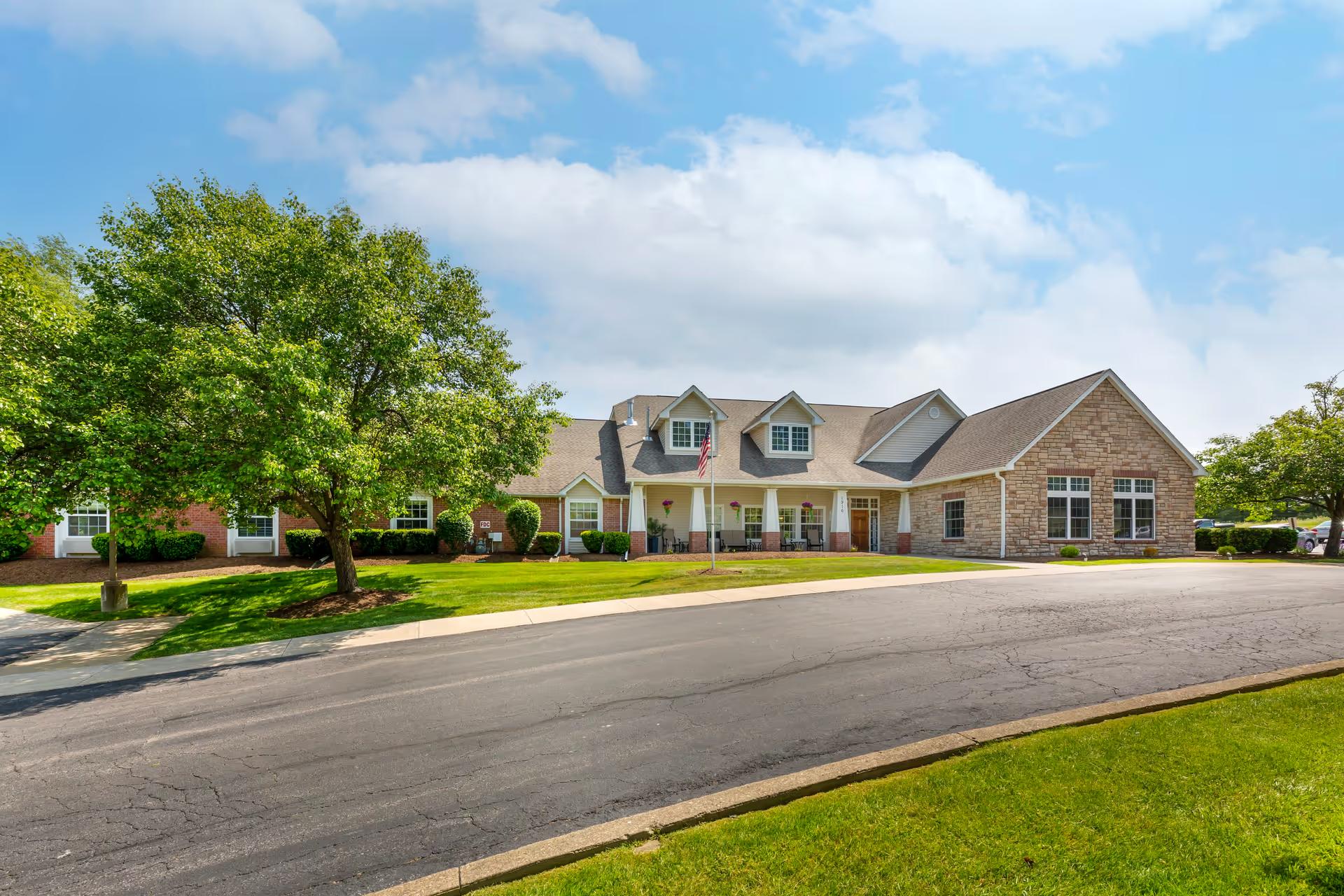
Copeland Oaks presents as a large, full-service senior living campus with extensive on-site amenities and a rural, small-town atmosphere. Strengths commonly noted include a dedicated medical wing, a broad set of campus services (post office, bank, gift and thrift shops, mini market), multiple dining venues, indoor/outdoor pools, landscaped grounds with lake-side walking paths, and a wide variety of activity options ranging from arts and music to woodworking and regular outings. The community offers tiered care levels and villa units that appeal to residents seeking space and fewer maintenance responsibilities.
Care and staffing impressions are mixed. Many accounts praise professional, caring staff and a supporting medical infrastructure; maintenance response is frequently described as timely. At the same time, there are recurring operational concerns about inconsistency in caregiver skill and training, occasional delays in clinical responsiveness and mobility assistance, and unclear boundaries between independent and assisted living services. These issues suggest variability in day-to-day caregiving quality and the need for prospective residents to ask specific questions about staffing models, shift coverage, and clinical-response protocols.
Dining and programming are overall strong selling points: reviewers note good food selection, multiple dining settings, and an active calendar including clubs, classes, and trips that promote independence and socialization. Some feedback indicates food quality has varied over time, and activity availability appears to be more limited in certain assisted-living areas than on the independent-living side. Prospective residents should verify activity schedules and meal-service consistency for the specific care level they are considering.
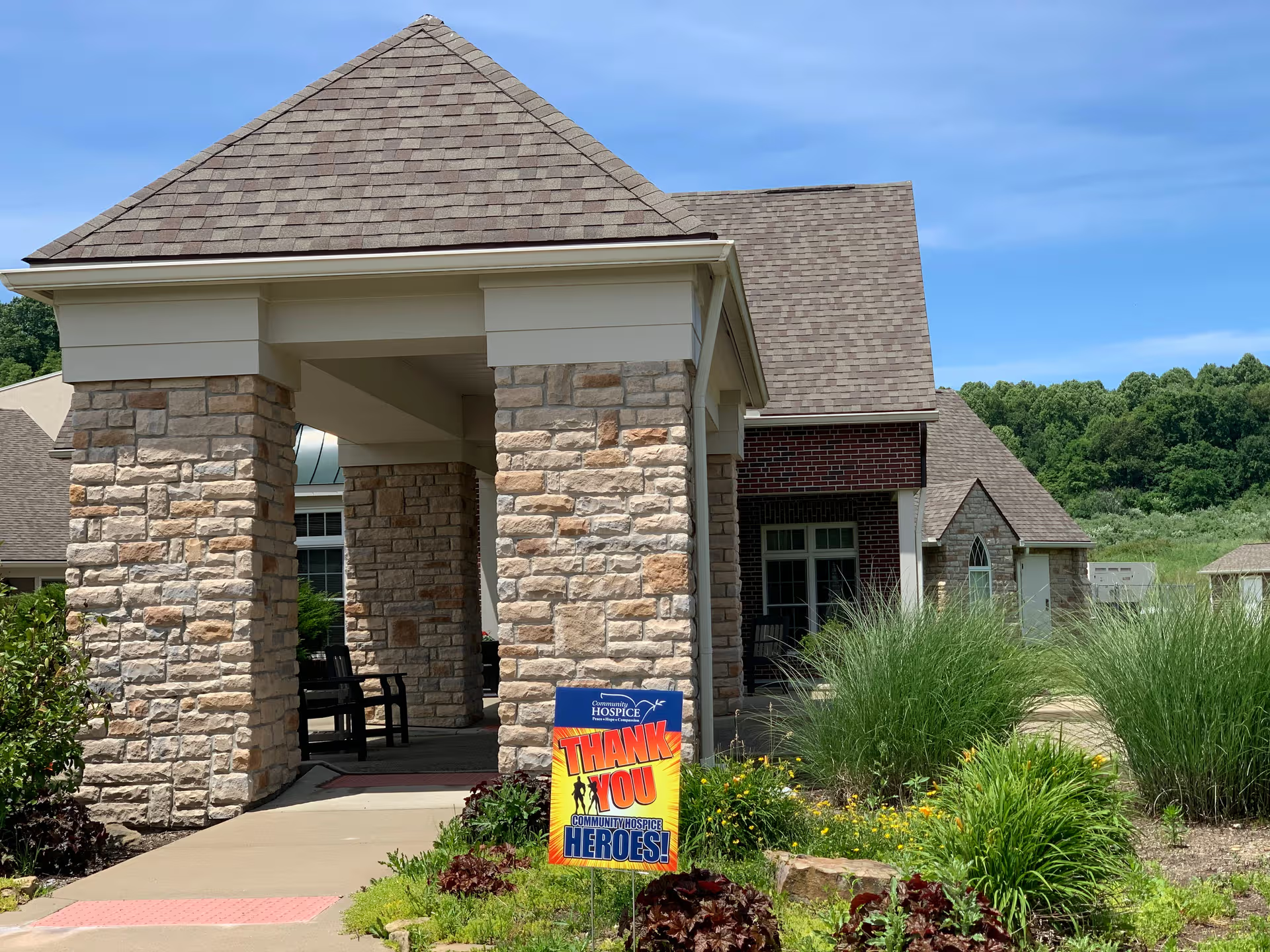
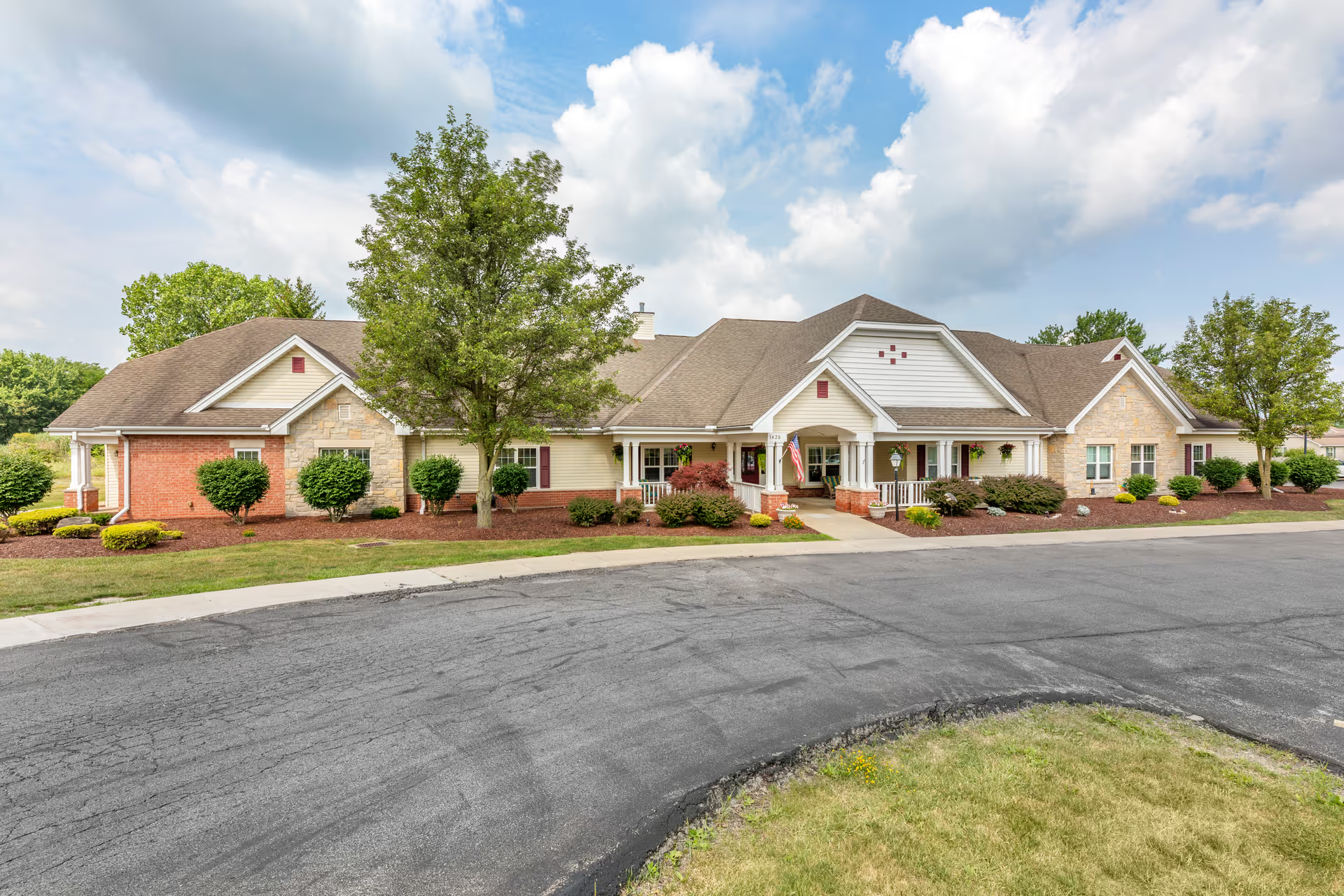
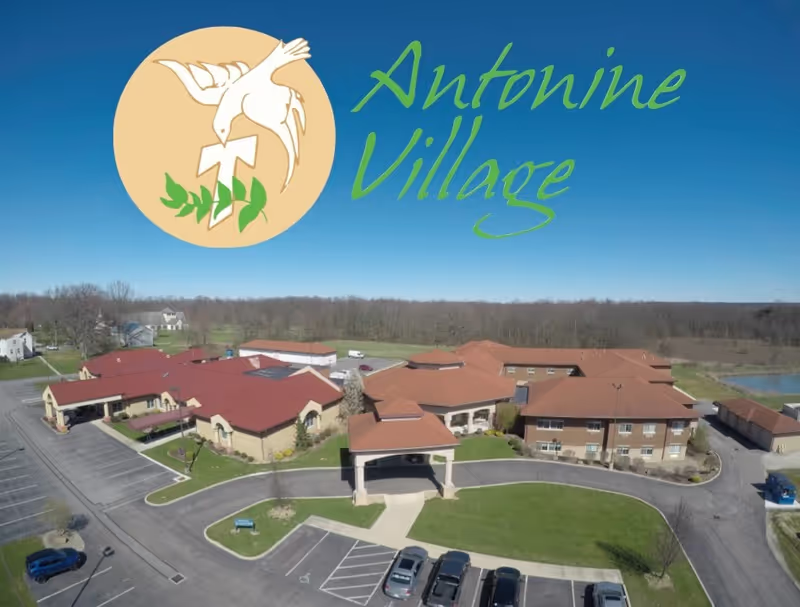
The physical campus and management present both advantages and trade-offs. Grounds, amenities, and specialty rooms are well developed and support many resident interests, but the large, sprawling layout can be confusing for visitors and new residents; smaller apartment units in some buildings can feel cramped compared with the larger villas. Cosmetic updates and targeted sanitation or housekeeping attention were noted as areas for improvement, and ongoing renovations may cause temporary disruption. Cost and distance from urban centers may affect suitability for some families. Overall, reviews reflect a broad range of experiences from highly satisfied residents to serious operational concerns; an in-person visit focused on staffing, clinical responsiveness, assisted-living programming, unit size, and current renovation status is advisable before making a decision.