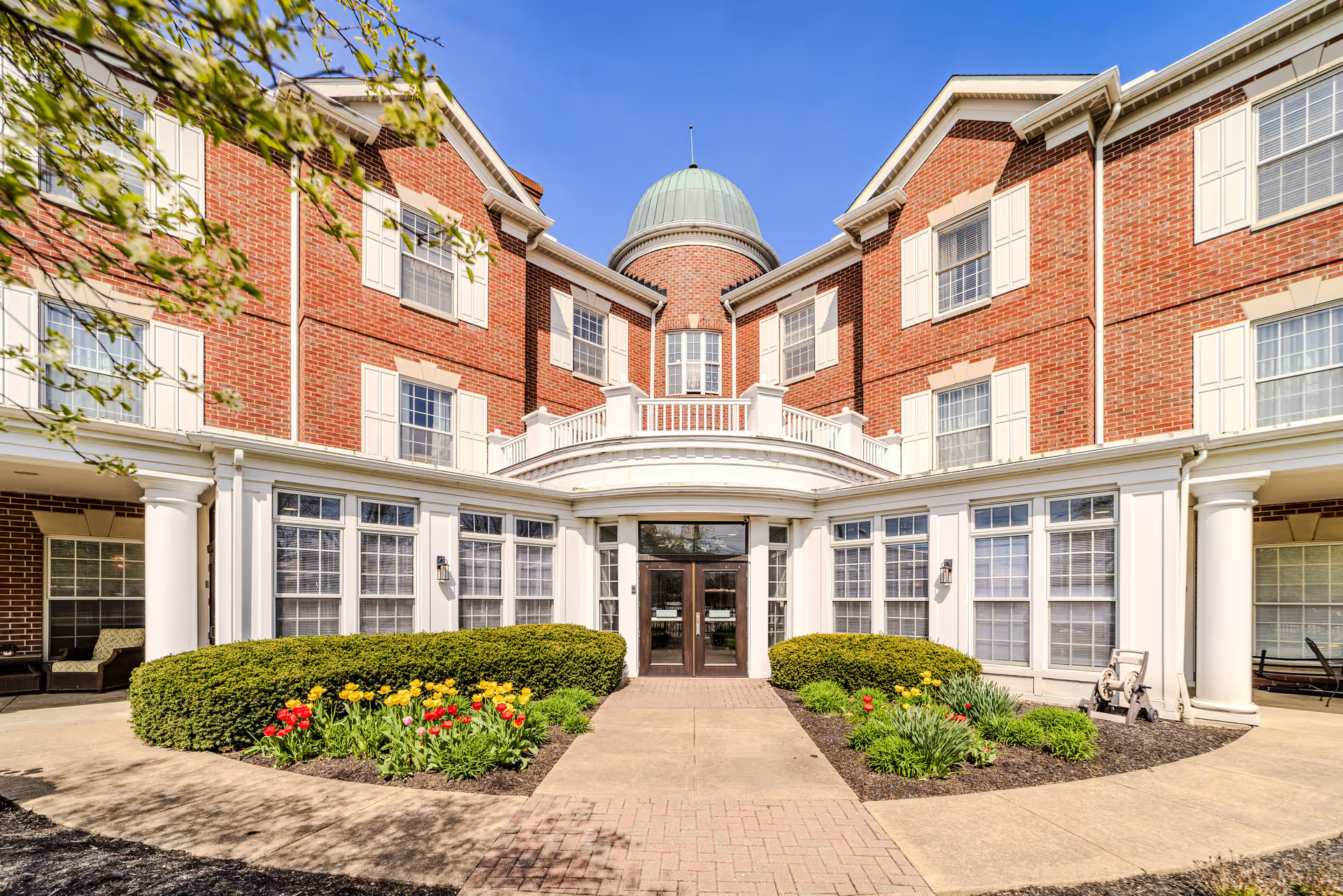
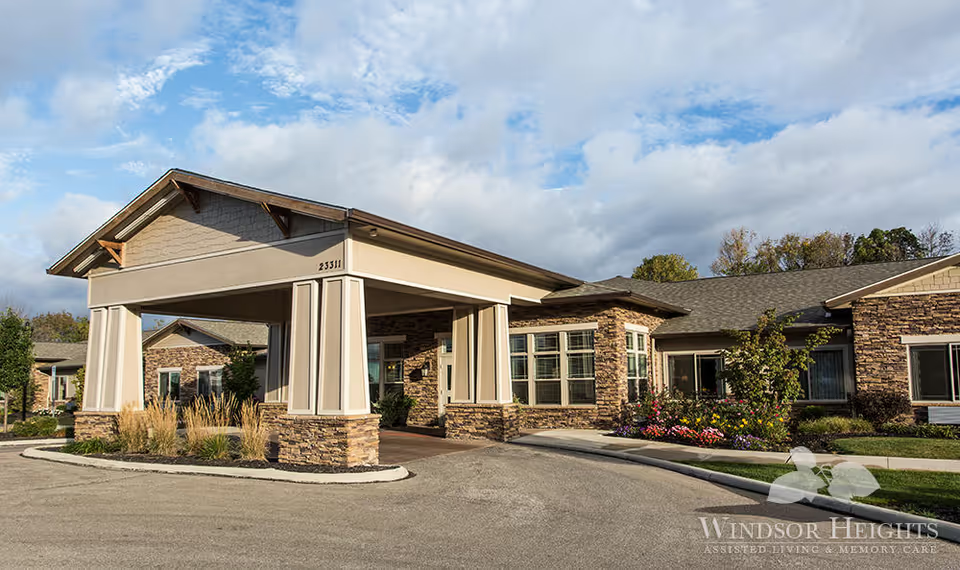
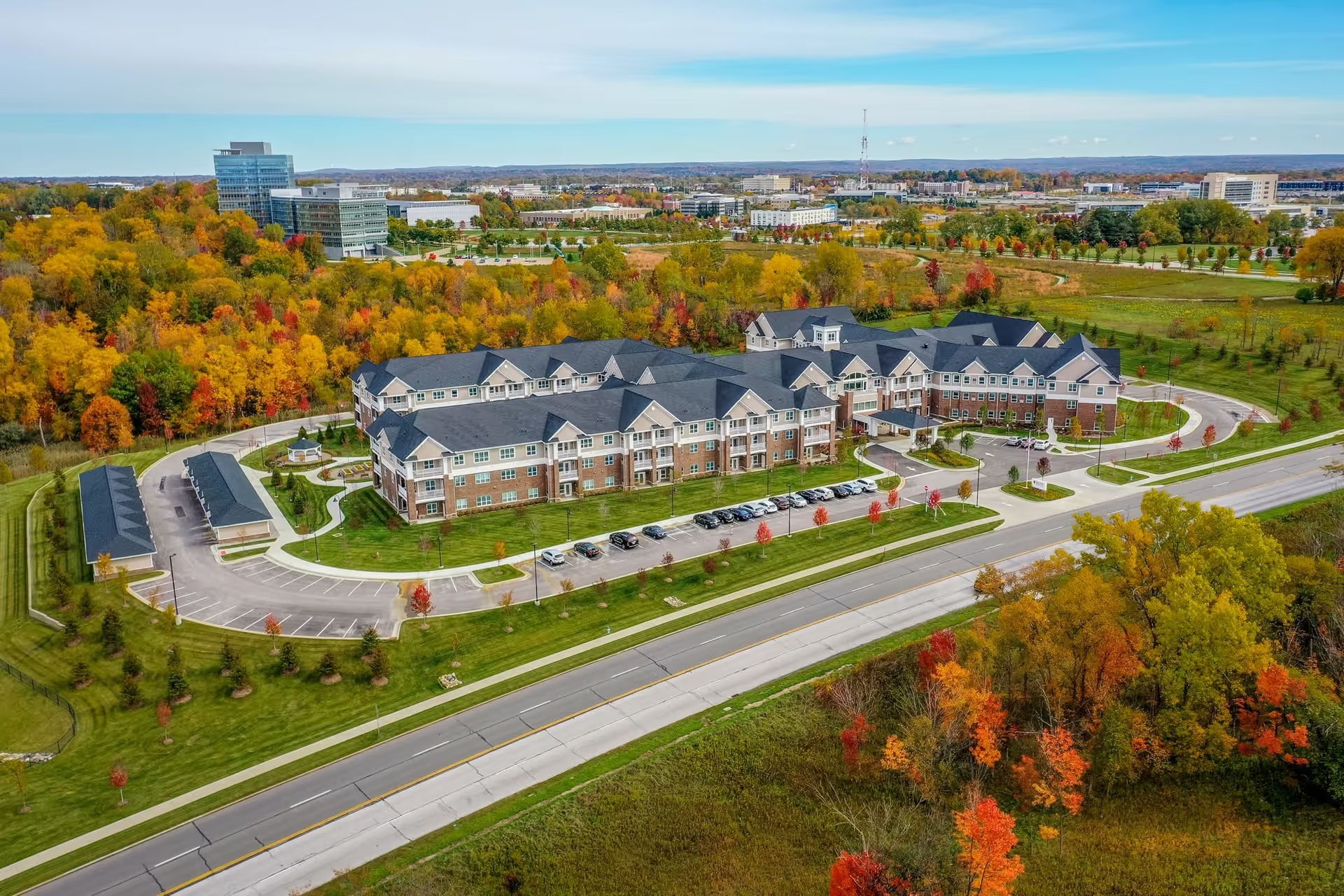
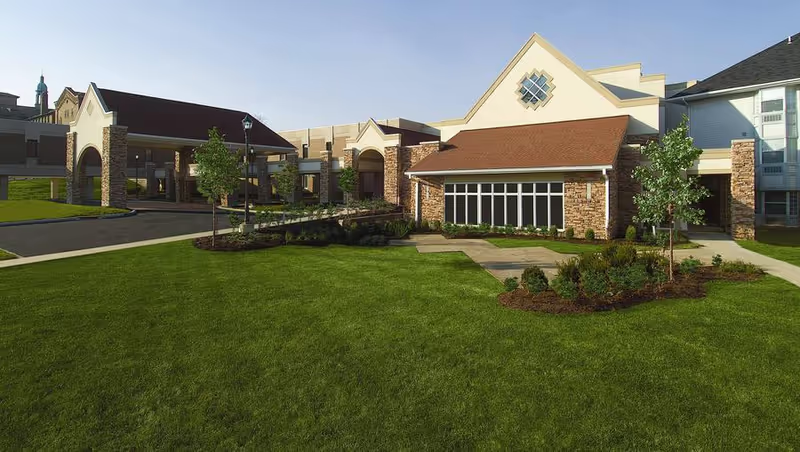
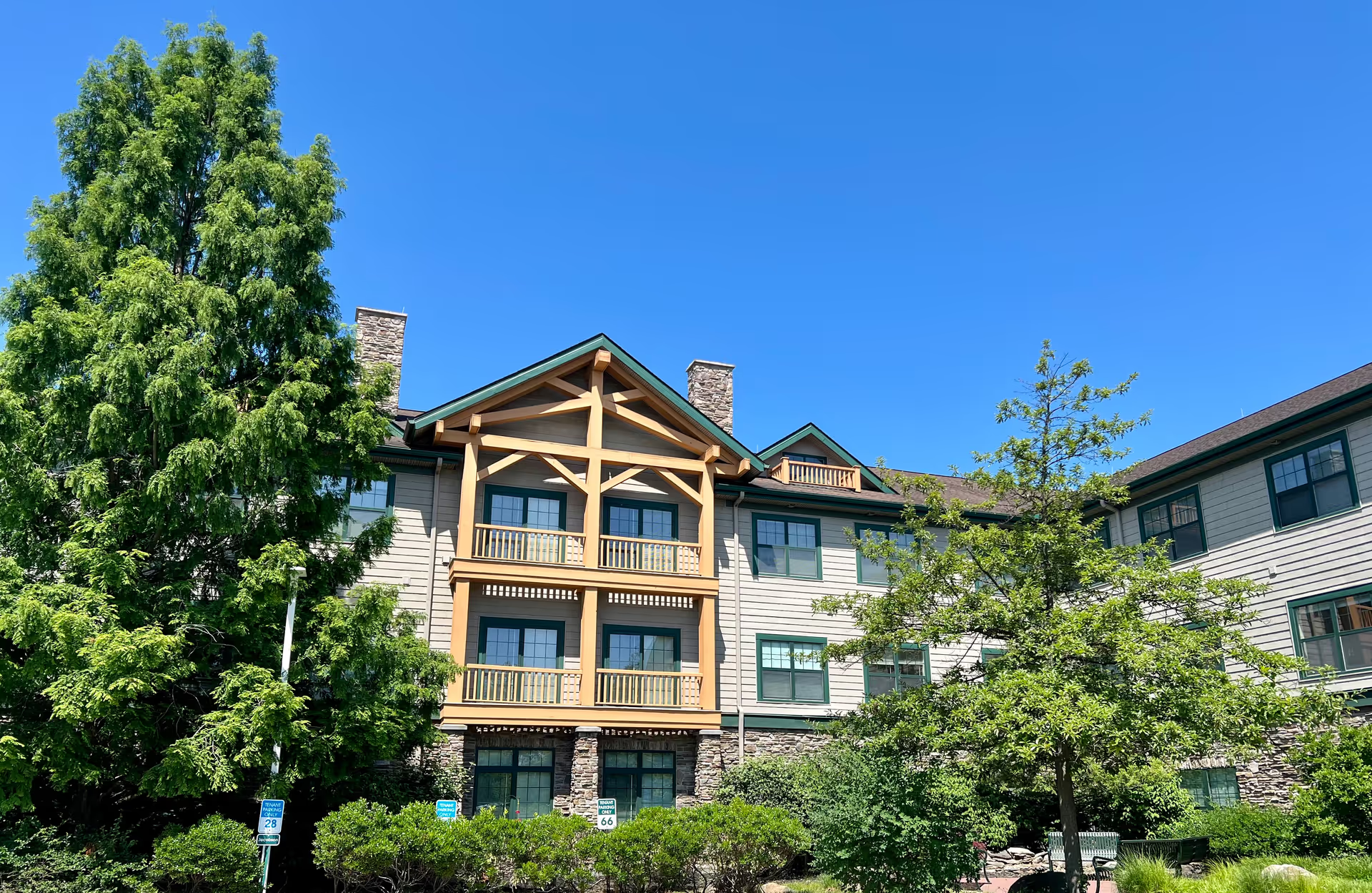
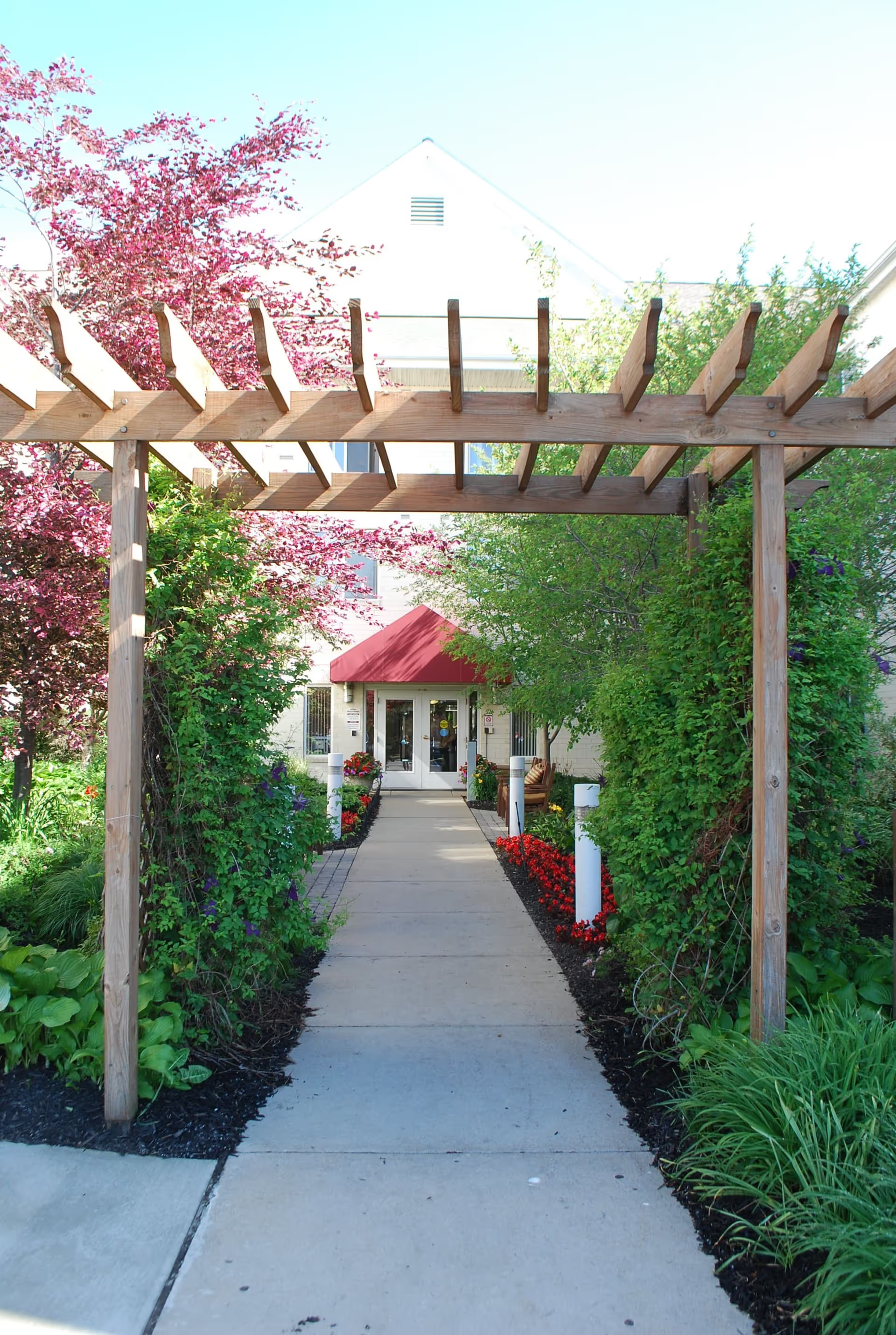
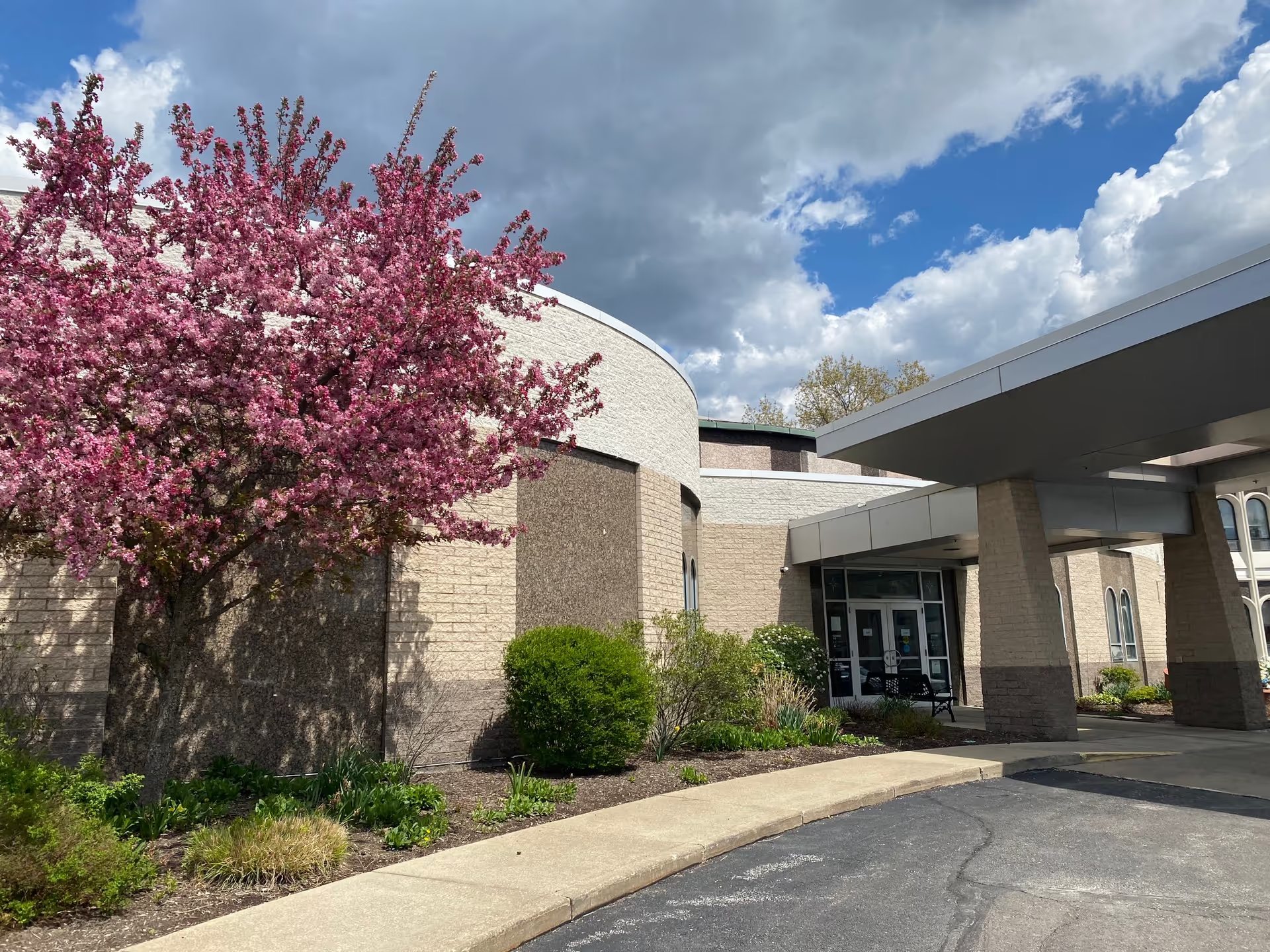
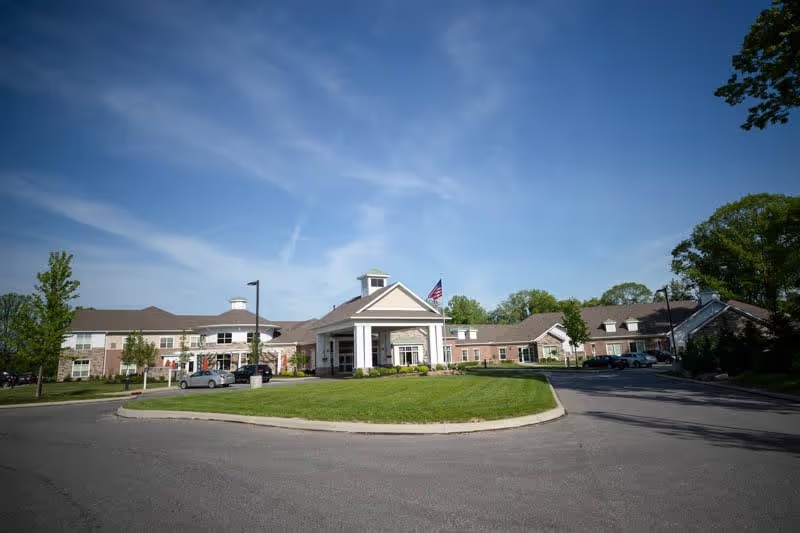
Across the summaries there is a notable split between strong hospitality offerings and uneven clinical and operational performance. The facility is consistently described as modern, attractive, and well-appointed: public spaces and dining areas are frequently praised, apartments are described as generous in size, and the building presents as clean and resort-like. Dining is a clear strength—restaurant-style service, chef-prepared meals, accommodating servers, and high-quality presentation are recurrent positives. Programming is also a strength when staffed and executed: reviewers mentioned a broad activities calendar, outings, live music, field trips, and engaging in-house events.
Care and frontline staffing were described with mixed impressions. Many accounts highlight warm, personable caregivers and attentive nurses who provide individualized attention and effective admissions/discharge coordination. At the same time, there are repeated operational concerns: high turnover among caregiving staff, inconsistent training and competency of aides, and reports of inadequate staffing levels—particularly in memory care—leading to delays in responding to call lights and in attending to repositioning, toileting, feeding, and hydration needs. These patterns suggest variability in day-to-day clinical reliability and skin-integrity management rather than uniform failure across the community.
Sanitation and personal-item management emerged as recurring operational issues. Some summaries cite bathroom cleanliness needs and other sanitation concerns in specific areas. There are also notes about lost personal items and the discovery of items in common spaces, which points to weaknesses in personal-item security and inventory practices. Several reviewers also raised concerns about clinical-incident response and family communication following serious events; such concerns center on process and transparency rather than confirmed regulatory findings.
Management and organizational themes are mixed. Reviewers praised effective admissions staff, some strong administrators, and moments of proactive leadership that improved resident comfort and family confidence. However, other accounts describe administrative turnover, perceived prioritization of hospitality and revenue generation over consistent clinical oversight, and frustrations with fee transparency (including sizable nonrefundable community fees). These contrasts suggest leadership and operational execution have been uneven over time, with service quality fluctuating as staffing and management change.
Practical takeaways for families: the property offers strong hospitality amenities, high-quality dining, and an active social program when fully staffed. At the same time, ask specific, operational questions during any tour or decision process: current staffing ratios (day/night) for the intended care level, turnover rates and training programs for aides, protocols for repositioning and toileting in memory care, skin-care and compression stocking policies, call-response times, sanitation inspection routines, personal-item tracking procedures, and full disclosure of fees and refund policies. Observing mealtimes and a scheduled activity, and speaking with current family members about recent trends, can help determine whether the community’s clinical consistency matches its hospitality strengths.