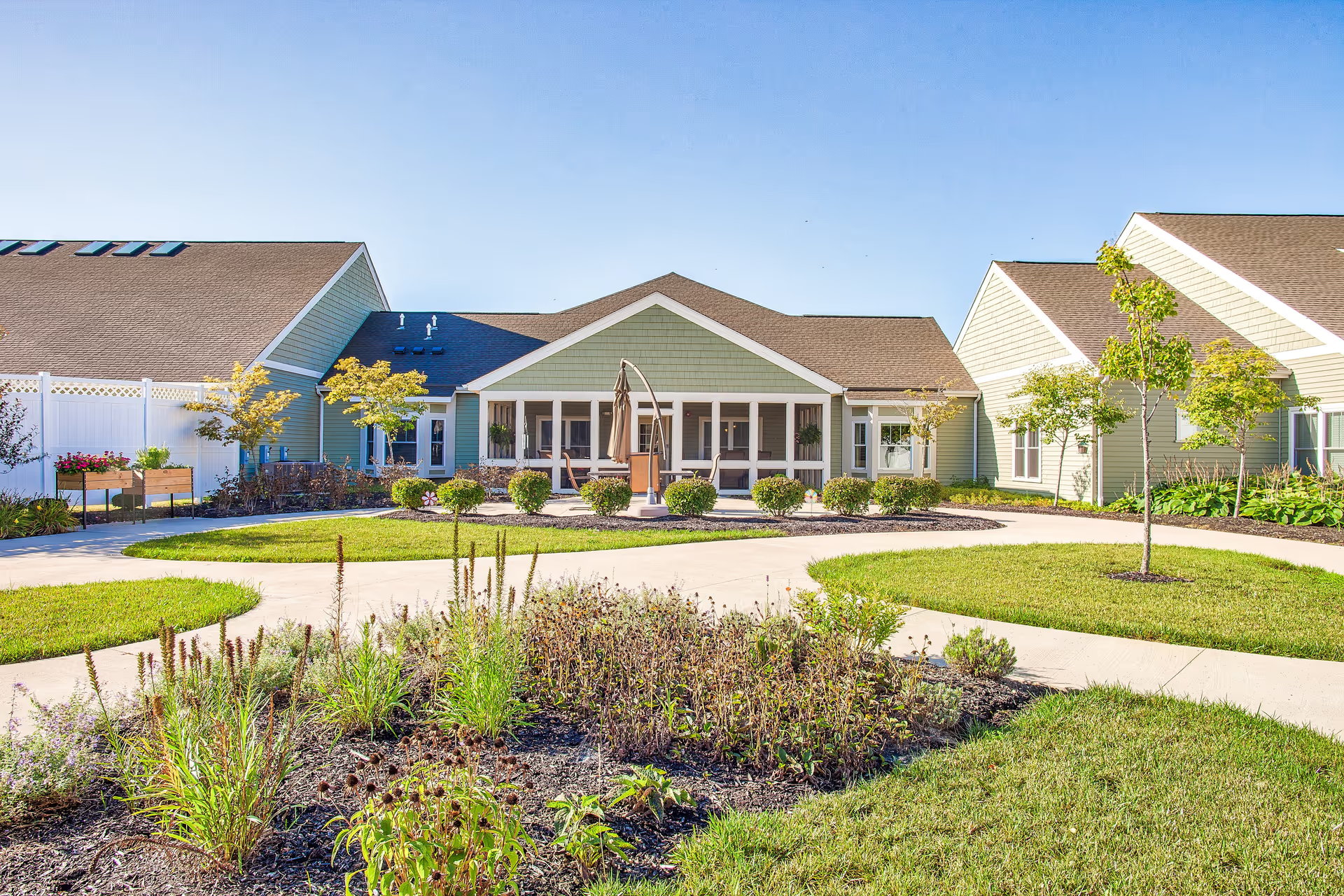
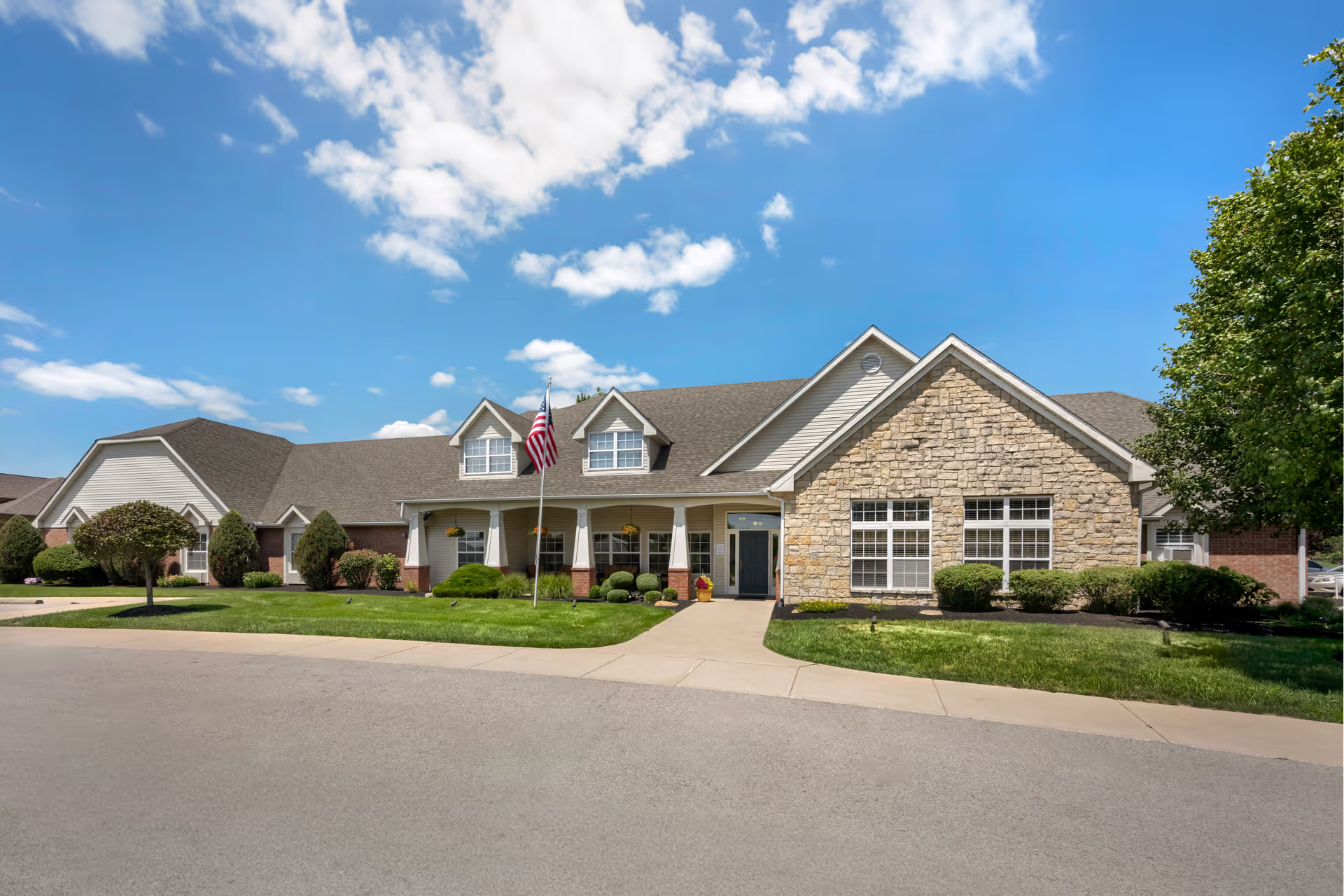
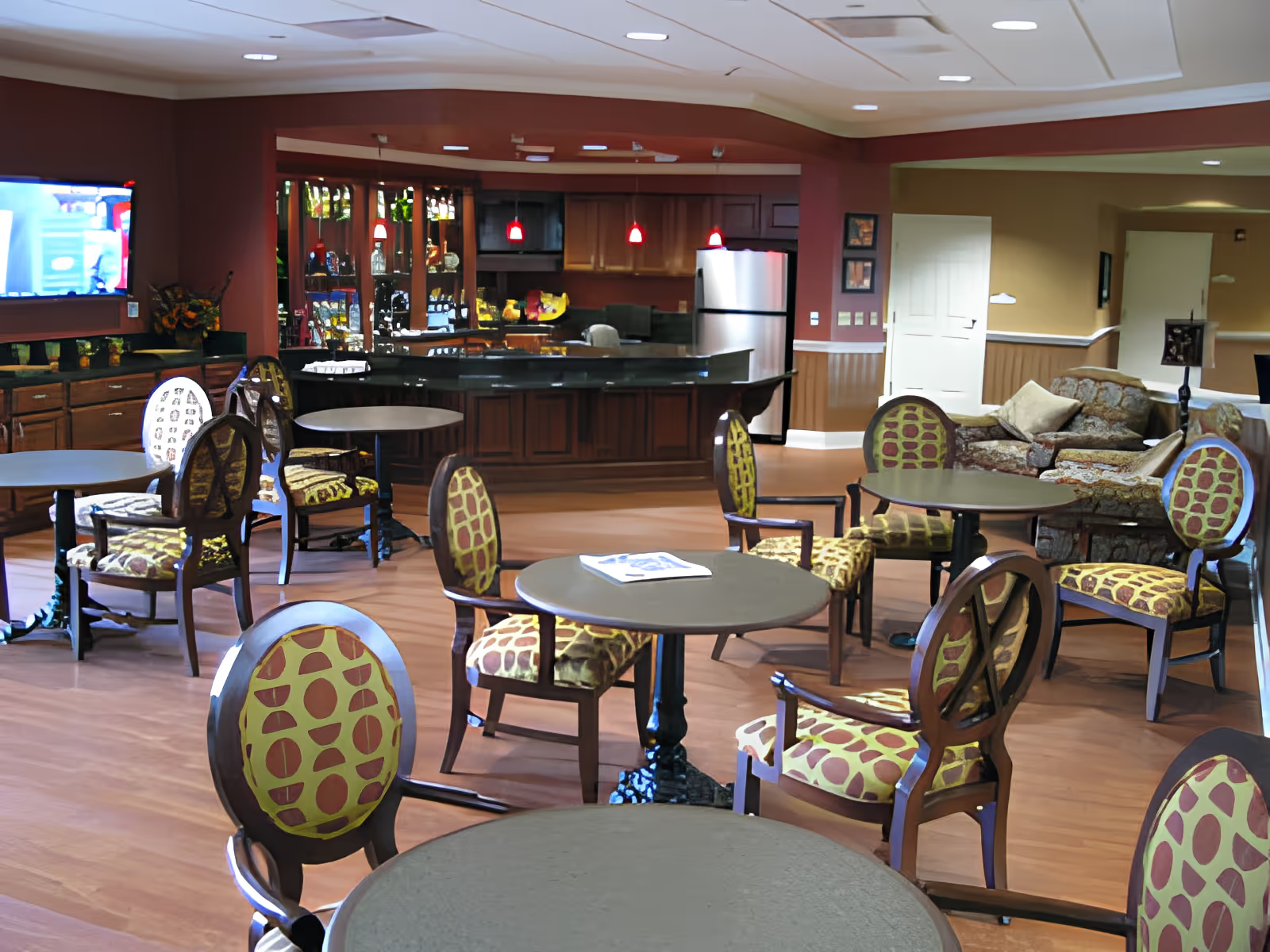
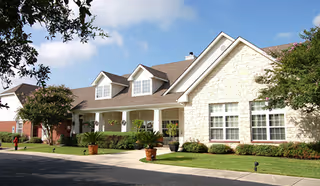
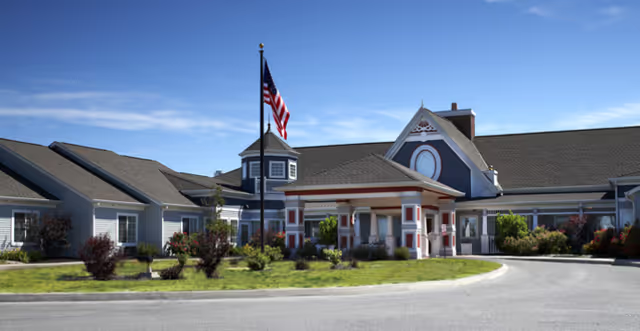
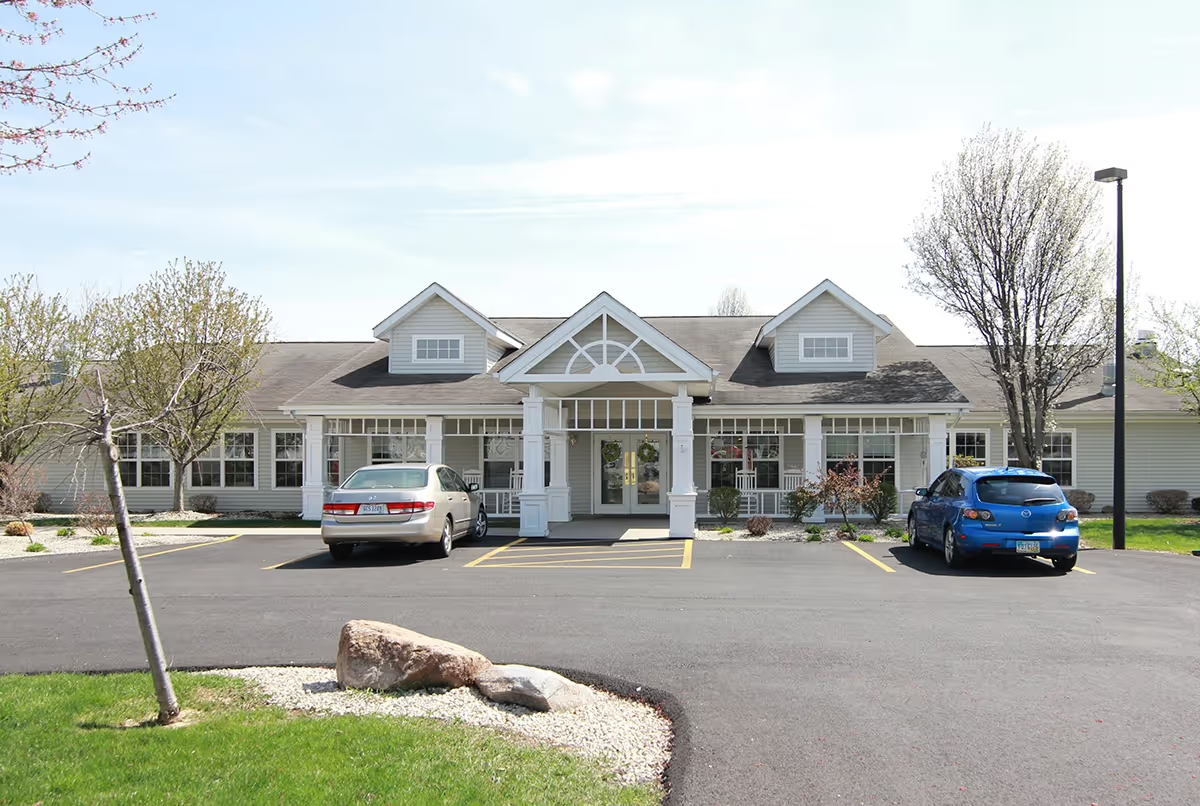
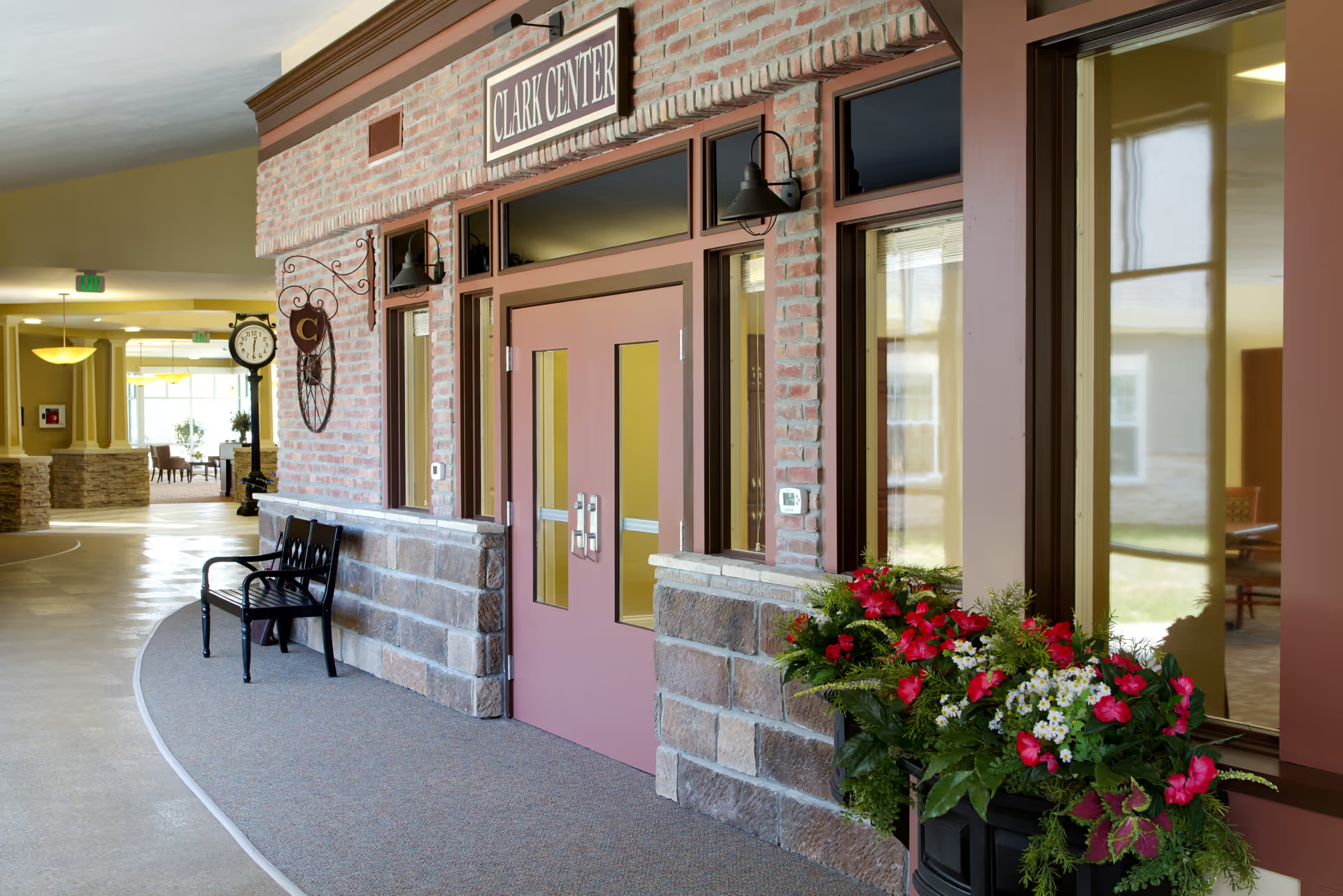
The reviews for this facility present a mixed but clearly patterned picture. Many families and residents describe warm, respectful interactions and attentive nursing care. Therapy services are frequently highlighted as a strength: reviewers cite motivating therapy teams, strong physical and speech therapy programs, and measurable rehabilitation outcomes that in several cases enabled discharge home. Dining and housekeeping also receive positive mentions — tasty, varied hot meals and well-maintained rooms and common areas are described by numerous reviewers. The facility’s small size and long-tenured staff contribute to a family-like, homey atmosphere and allow for personalized end-of-life care in some cases.
At the same time, a set of operational weaknesses recurs across reviews. Staffing appears variable: reviewers describe both dedicated caregivers and instances of staff shortages or overwork that affect reliability. Relatedly, there are complaints about gaps in clinical follow-through (including pain and medication management) and inconsistent therapy quality or follow-up. Several reviews raise specific concerns about delays in responding to resident needs and incontinence-care delays and hygiene lapses; these are tied to descriptions of an unreliable call-light and response system in some units. Cleanliness and odor-control are polarized experiences — while some reviewers report improved and well-maintained areas, others describe odor concerns and inconsistent cleanliness standards in parts of the building.
Management and administrative performance is another area of divergence. Some families note a visible management presence on the floor and praise for compassionate, hands-on leadership, especially around end-of-life care. Others describe organizational and communication shortcomings, including inventory/record-keeping and tone-of-staff communication. There are also serious individual allegations that raise concerns about staff conduct and responsiveness; these appear alongside positive accounts, indicating variability rather than a uniform pattern.
For prospective residents and families: the facility shows clear strengths in therapy-driven rehabilitation, compassionate caregiving, meal quality, and a small, familiar environment. However, important operational issues merit direct inquiry during a visit — ask about current staffing ratios and overtime, call-light reliability and response times, protocols for pain and medication management, how incontinence care and bathing schedules are managed, recent sanitation and odor-control measures, therapy caseloads and outcomes, pet policies, and how management addresses family concerns and maintains records. Observing mealtime, an activity, and a hallway during shift change can help assess whether the positive aspects or the operational gaps are predominant at the time of evaluation.