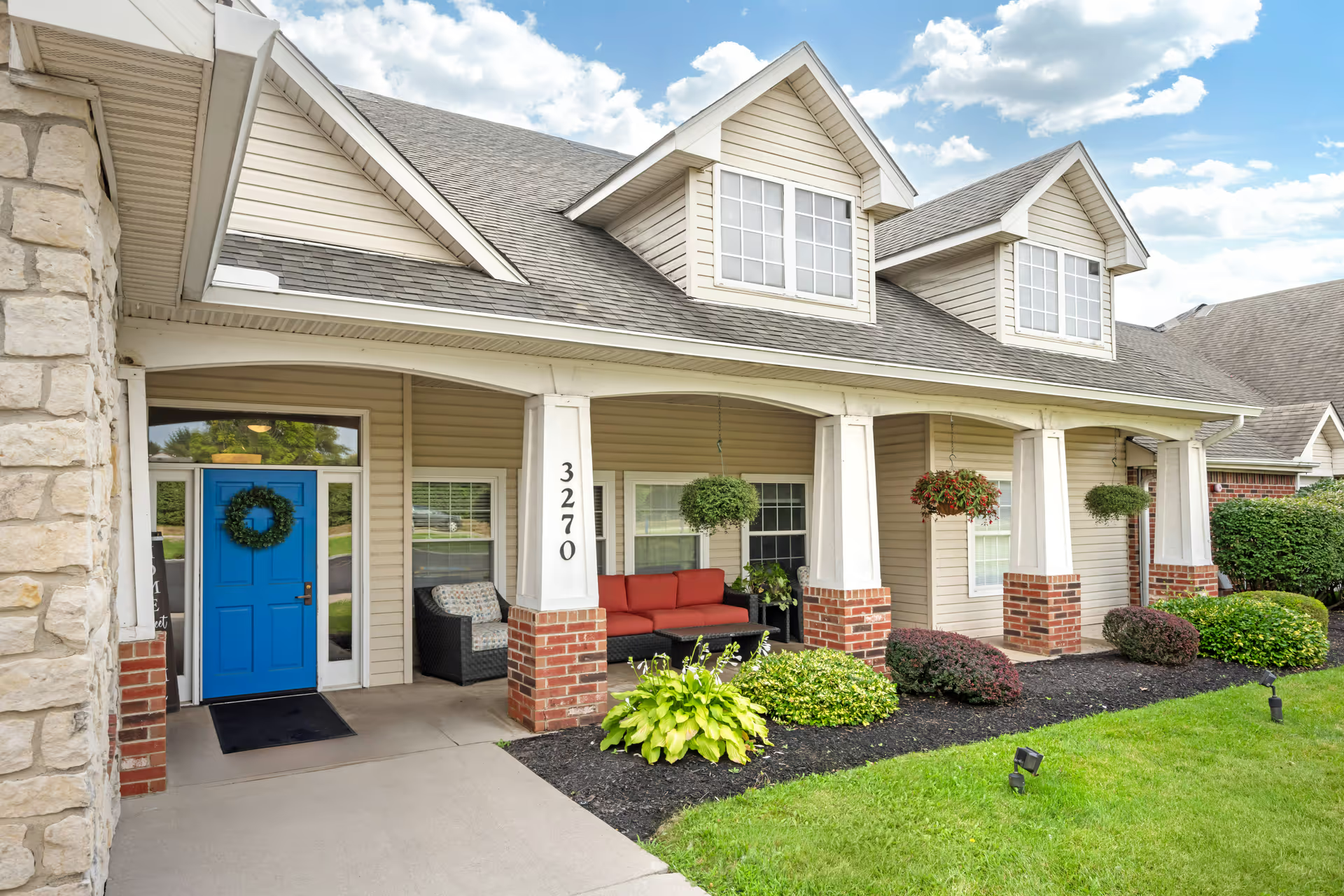
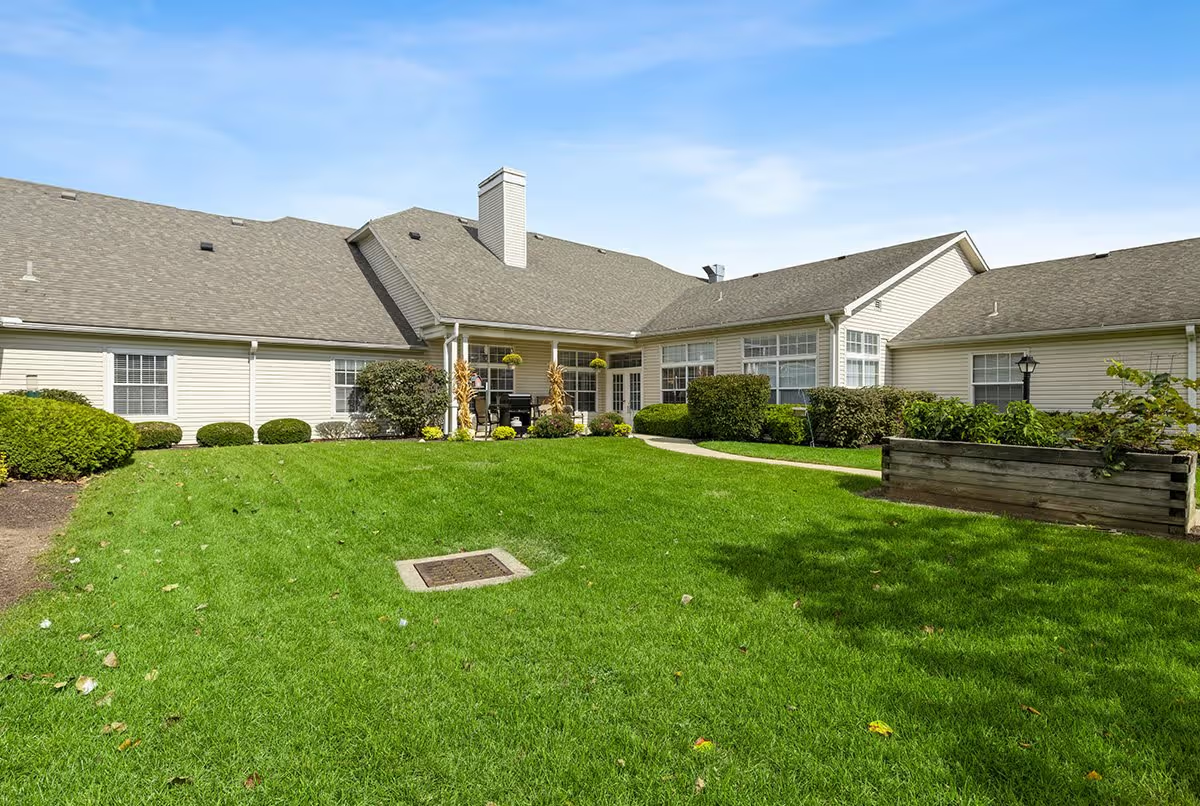
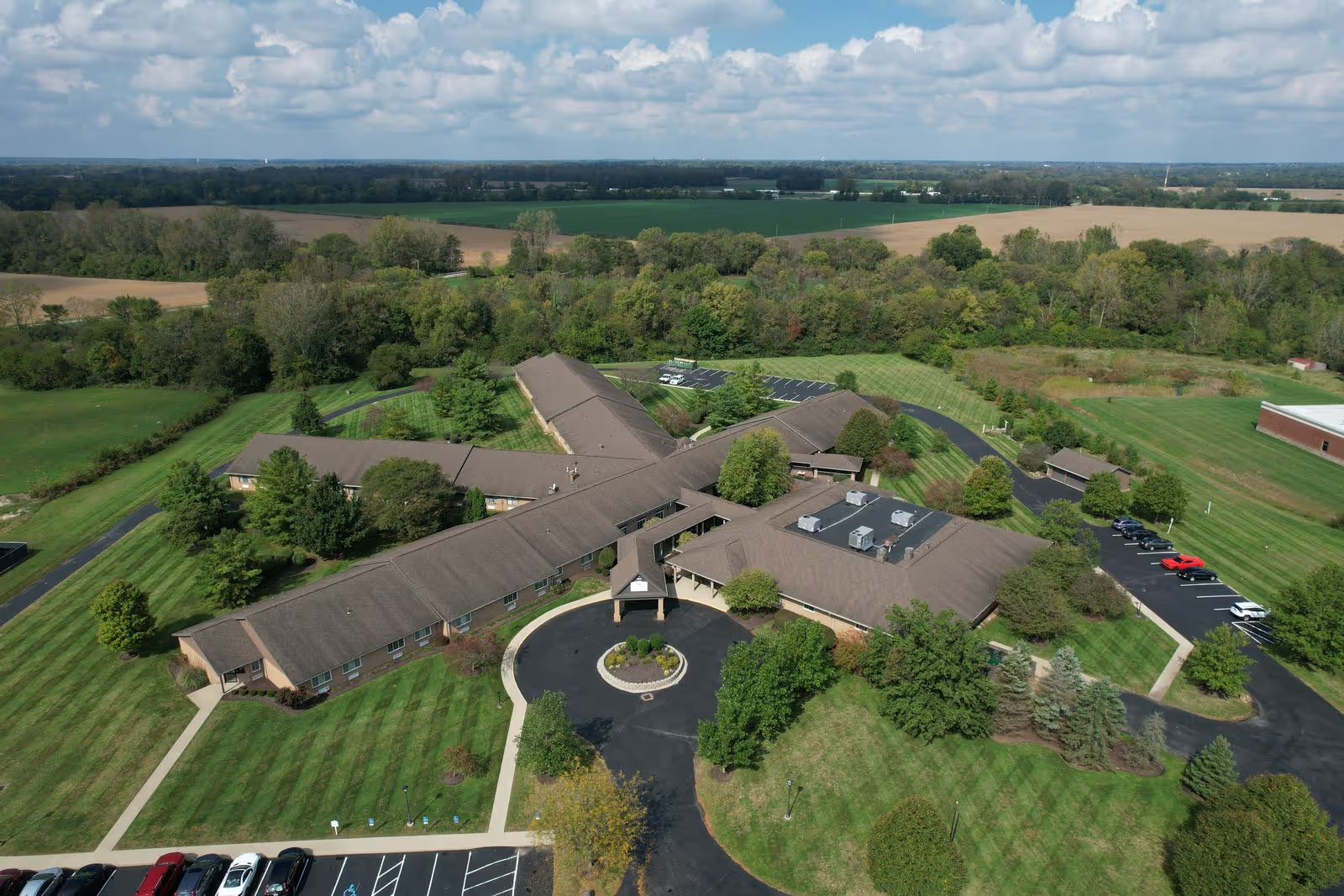
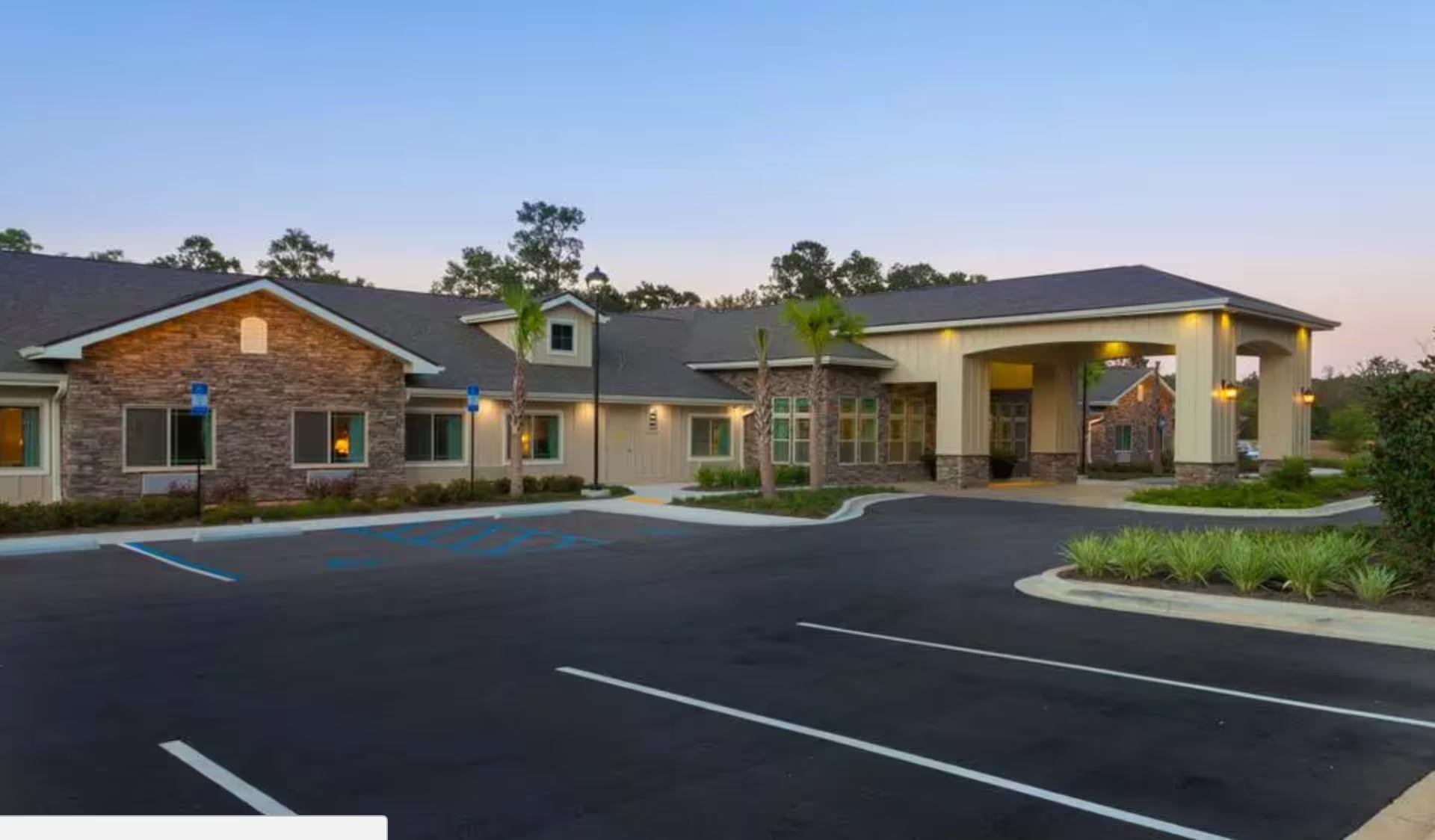
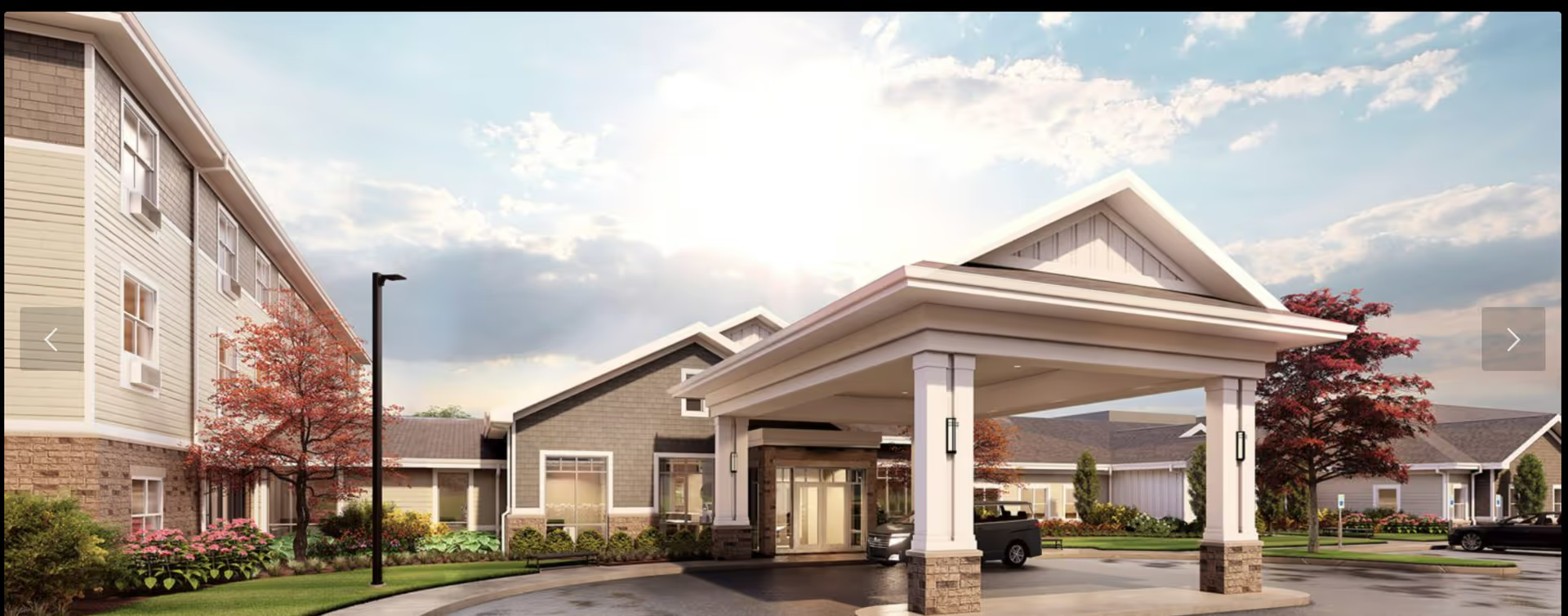
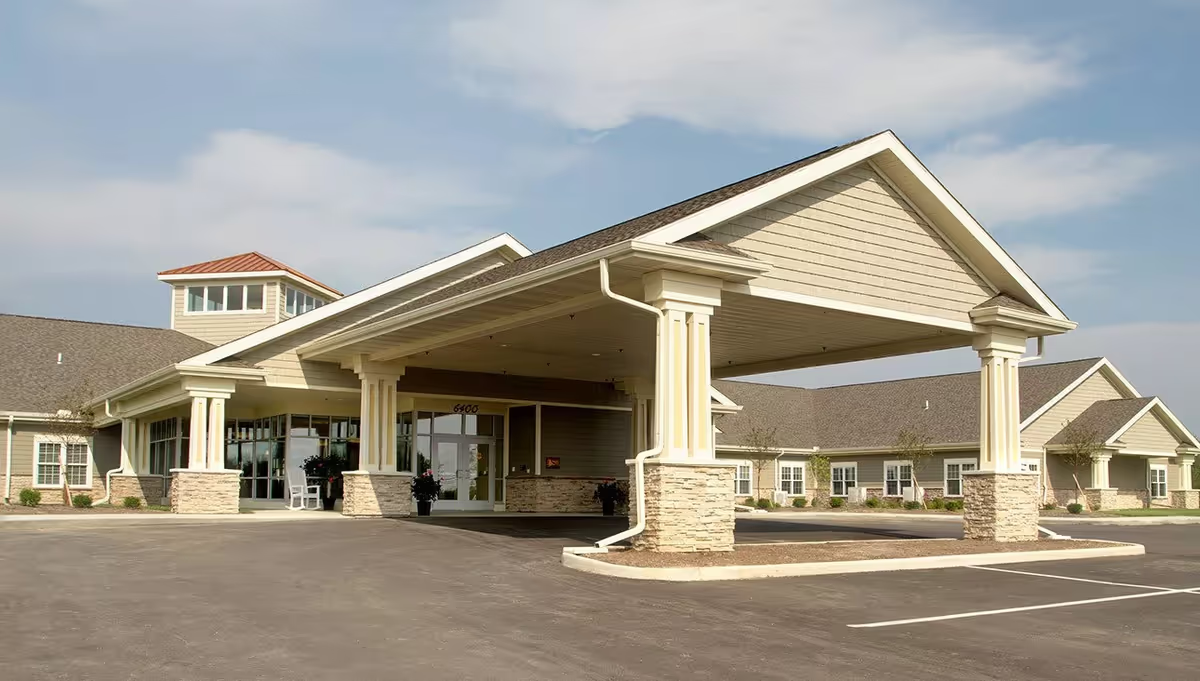
The reviews describe a facility with clear strengths alongside persistent operational challenges. Positively, many families praised the compassion and personal attention delivered by frontline caregivers, life-enrichment staff, and therapy teams. Reviewers consistently noted clean, well-kept grounds, a modern exterior, and a range of on-site amenities such as courtyards, a clubhouse, beauty shop, and private dining spaces. Private rooms, generous common areas, and options for in-room dining or scheduled meals were commonly cited as factors that enhanced resident comfort.
Care quality perceptions are mixed. Several accounts highlight attentive, dedicated staff who go beyond expectations, effective physical therapy, and supportive nursing that helped residents regain function or feel dignified. However, other accounts describe inconsistent clinical performance across shifts — with staffing shortages, high turnover, and periods of minimal staff presence cited as contributing factors. Operational weaknesses inferred from reviews include inconsistent dementia-specific training, lapses in hygiene and incontinence care, and shortcomings in wound and pressure-injury prevention and management. Some families reported delayed responses to pain or medication needs, and these clinical concerns appear tied to staffing levels and training variability.
Dining and activities show a split pattern. Many reviewers praised the kitchen and meal service—especially lunch and dinner offerings—and noted servers who learned residents’ preferences. In-room dining and generous portions were positive elements. At the same time, reviewers described irregular activity schedules or limited programming on certain days, and some communal spaces or activity resources were perceived as underutilized. Life-enrichment staff received repeated commendations where programming was active, but consistency of engagement varied.
Facility amenities and housekeeping generally received favorable comments: interiors were described as clean, rooms comfortable, and outdoor spaces well maintained. Yet some reviewers noted worn furniture in places and odor concerns in certain common areas, suggesting uneven maintenance attention. Accessibility features, single-floor layouts, and outdoor courtyards were seen as helpful for resident mobility and engagement.
Management and administrative practices emerged as an area of concern. Several reviewers described poor communication about billing, sudden rate increases, and perceived nickel-and-diming for services that were previously included. Families also reported inadequate follow-up after clinical incidents and poor coordination of care conferences. Infection-control and visitor-practice enforcement were inconsistent in some accounts, including concerns raised during outbreak periods.
A small number of serious accounts allege theft of personal items and significant failures in clinical attention, including end-of-life care concerns and wounds that required follow-up. These reports indicate potential isolated but serious failures in operations and oversight; families considering the community should request recent compliance records, staffing ratios by shift, and written protocols for wound care, dementia training, and incident follow-up.
Overall, Forest Glen Health Campus - Memory Care appears to offer many institutional strengths—amenities, clean grounds, committed staff members, and solid therapy/dining services—but prospective residents and families should evaluate consistency of staffing, clinical oversight, and management transparency. Recommended next steps for decision-making include an in-person visit across multiple shifts (including evenings/nights), meetings with nursing leadership about dementia care protocols and wound prevention, review of the facility’s infection-control and incident reporting policies, and clarification of current fee structures and notification practices for rate changes.