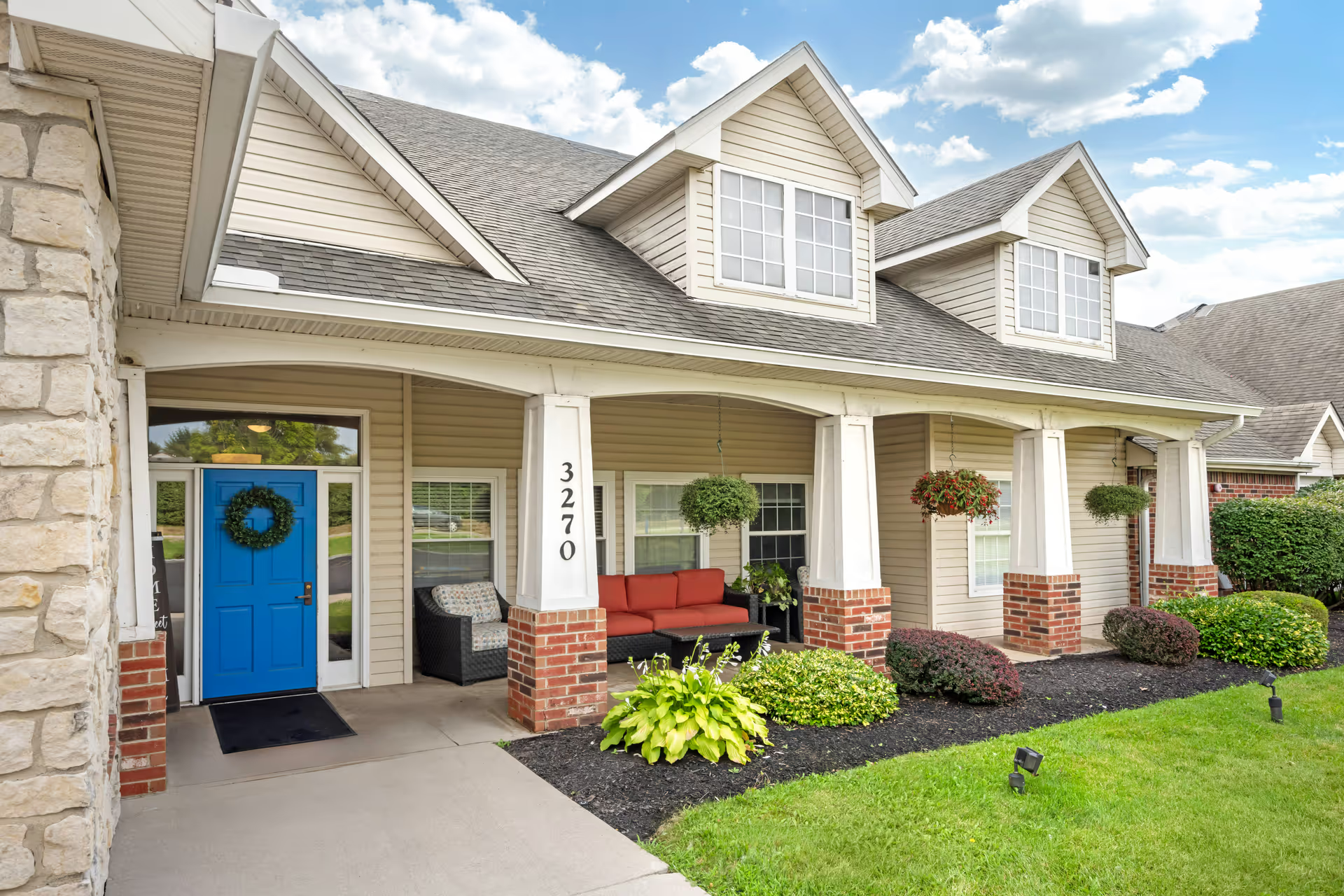
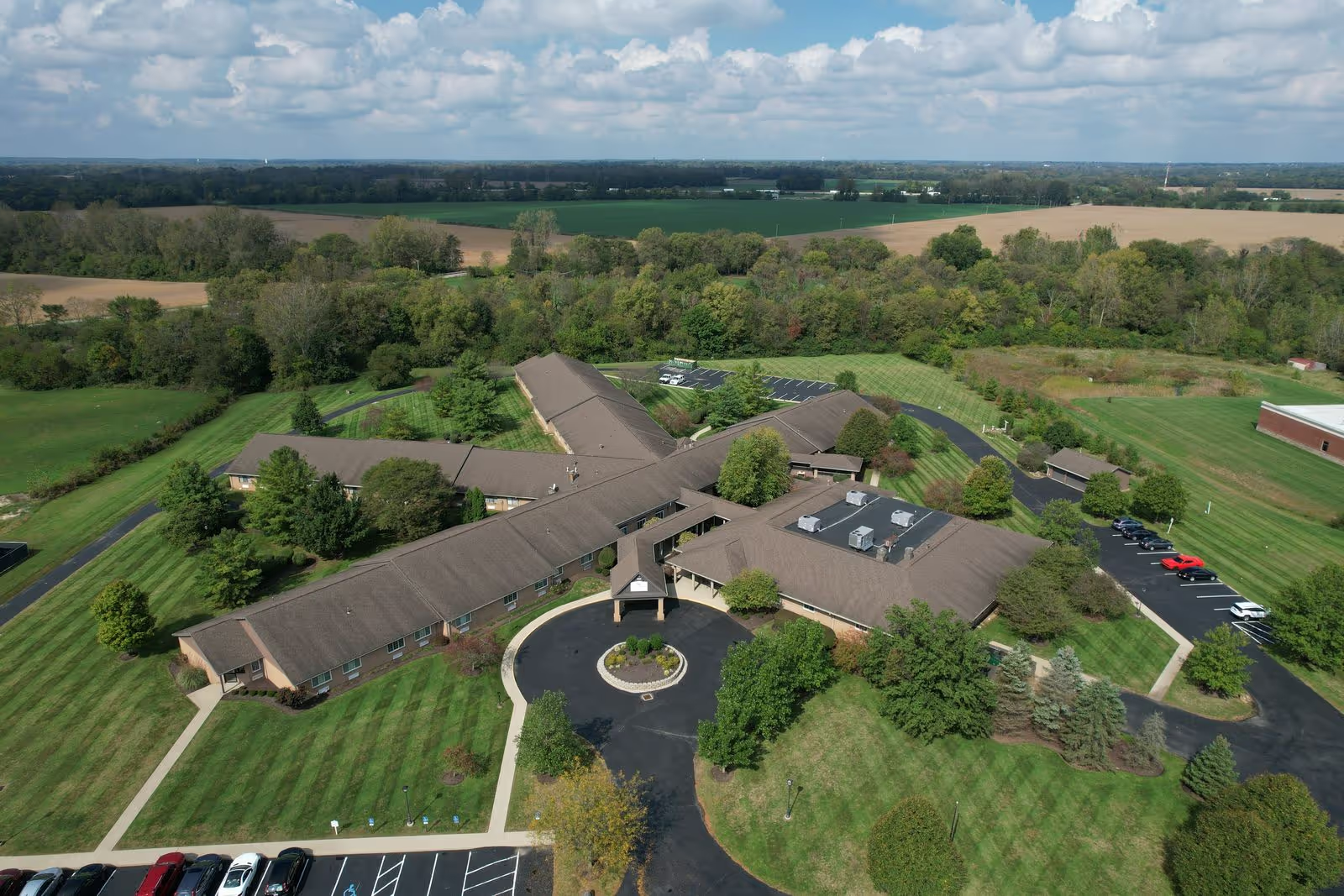
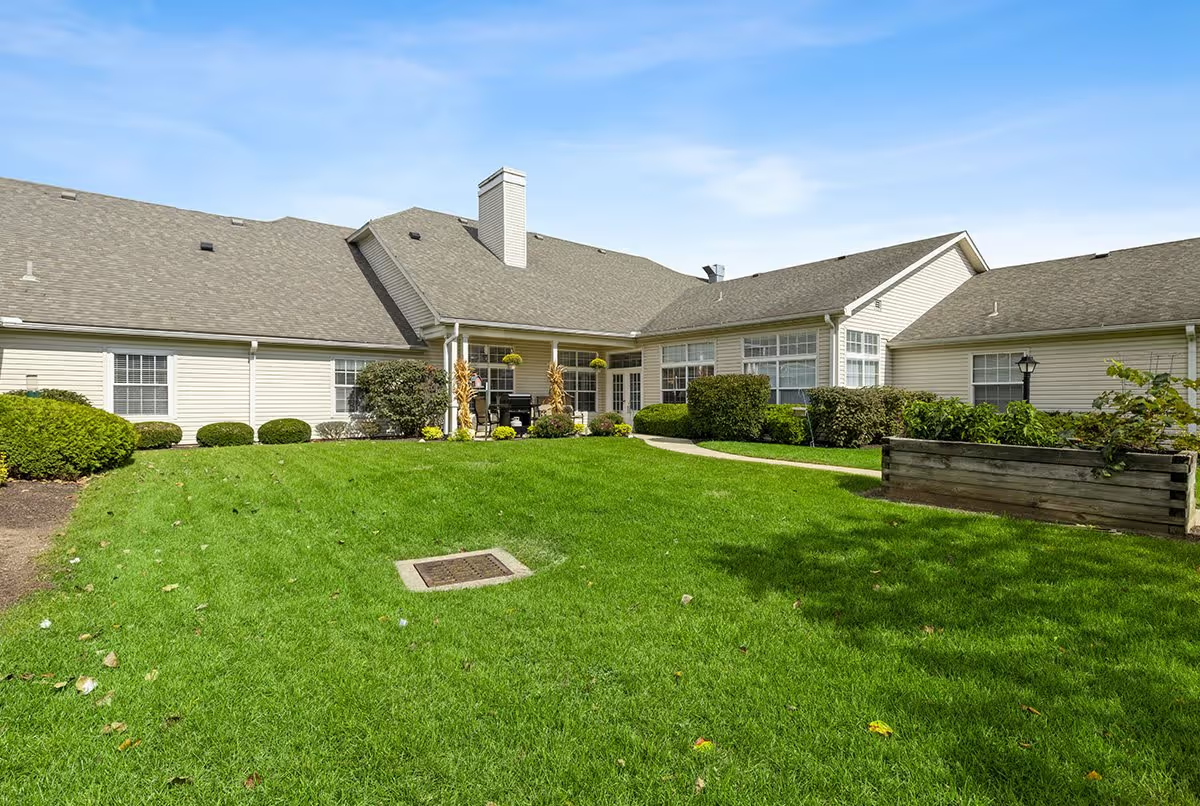
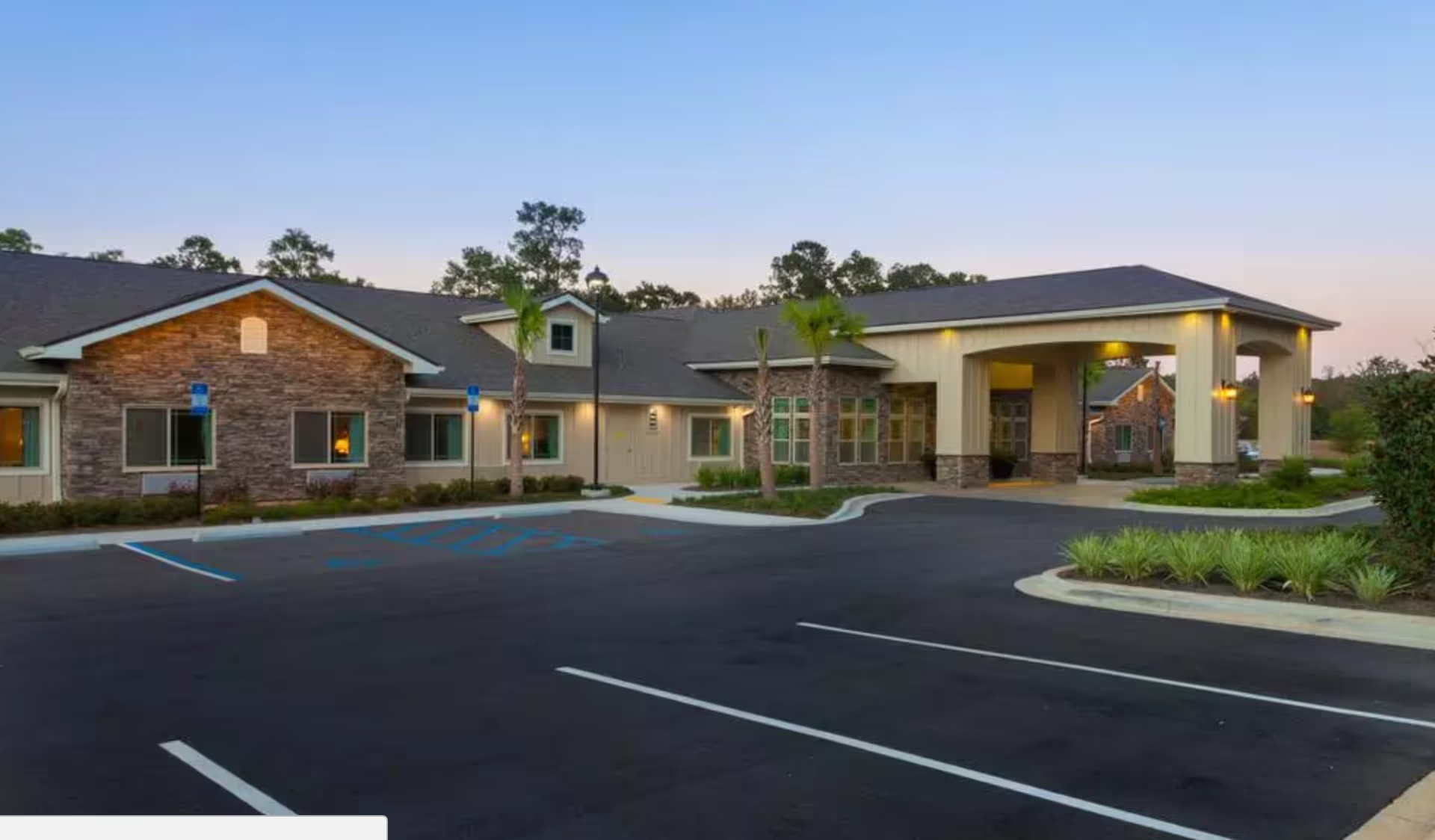
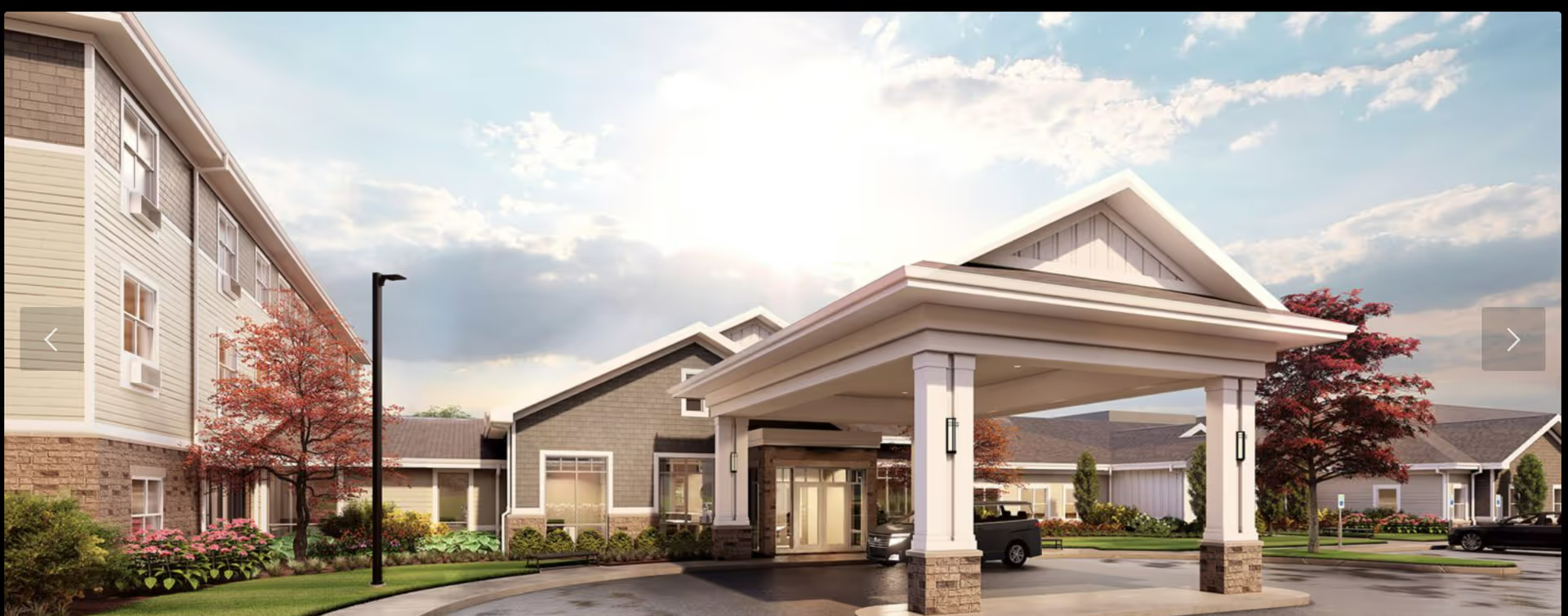
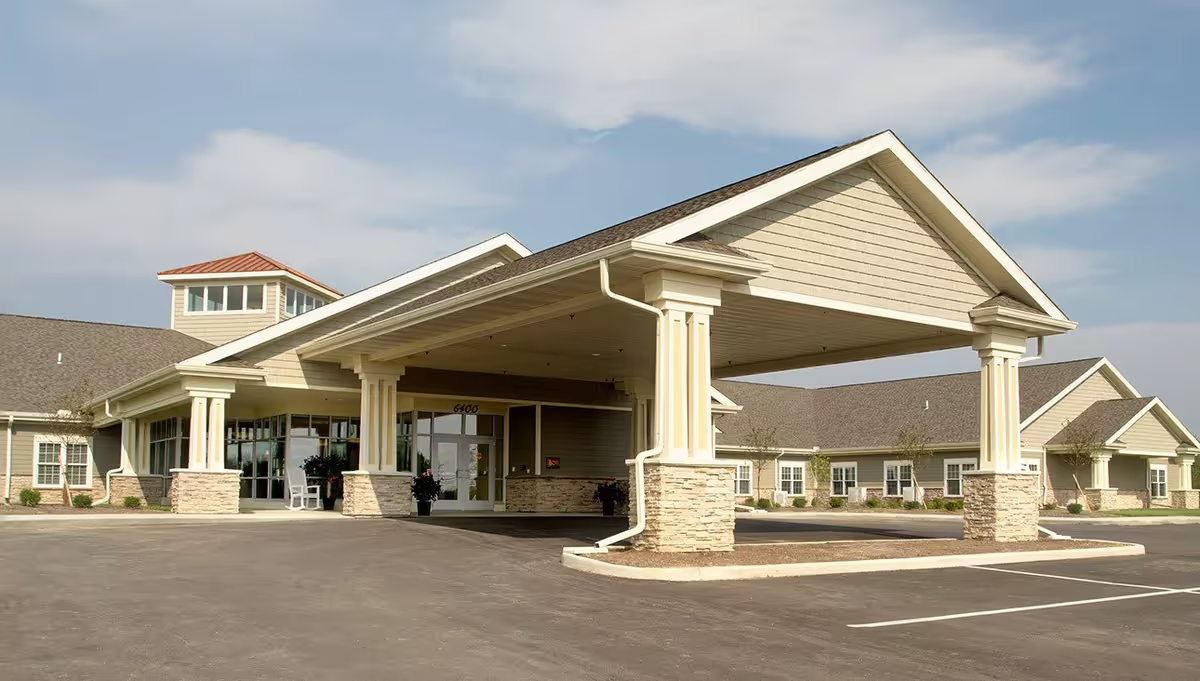
Overall sentiment across the reviews is strongly positive about Springfield Masonic Community as an independent-living option with high-end physical accommodations and a welcoming social atmosphere. Many reviewers emphasize the size and quality of the apartments and rooms, describing them as spacious and well-appointed. Cleanliness and maintenance are repeatedly noted as strengths — people describe the facility as spotless and very well maintained. Visitors report good tour experiences and several reviewers explicitly recommend the community to other families.
Staff performance is a clear positive theme. Reviewers consistently describe staff as friendly, helpful, and responsive. This fosters a sense of safety and support for residents who live independently but want access to assistance when needed. Residents appreciate the comfort and responsiveness of staff members, and this contributes to social connection and the formation of friendships within the community. The environment is also described as open-minded and welcoming to diverse people, which reviewers felt was an important cultural plus.
Dining and amenities receive high marks overall. Multiple comments frame the dining experience as restaurant-style with menus and even a "five-star" feel, and several reviewers highlight the community center and on-site exercise facility as valuable amenities. Social programming is active when staffing allows: reviewers mention themed events such as football parties and luaus, which support a lively community atmosphere. These activities, together with the exercise options and communal spaces, support social engagement and contribute to residents making friends.
However, there are consistent concerns to weigh alongside the positives. Cost and affordability are important negatives cited by multiple reviewers: several found the community expensive, and at least one person could not qualify to move in because of income rules. Staffing constraints also surface as a practical issue — while staff themselves are praised, reviewers indicate that activities have been reduced at times due to staffing shortages. Another operational concern is that some therapy services are perceived as disorganized and inefficient; reviewers wanting rehabilitative or therapy support noted inconsistent or poorly coordinated therapy delivery.
Other recurring, smaller issues reflect personal preference and logistics. A number of reviewers wished for kitchenettes in apartments, indicating that some residents want more opportunity for independent meal preparation. Food quality receives mixed feedback: while many praise the restaurant-style dining, a few reviewers suggested the food was merely "alright," indicating variability in satisfaction. The campus layout also requires an orientation period — maps are helpful, but navigation takes a while to learn for newcomers. Finally, a few residents expressed a desire for more independence than the current service model permits, suggesting that the balance between assistance and autonomy might not meet every individual's expectations.
In summary, Springfield Masonic Community is portrayed as a clean, attractive, and socially engaging independent-living community with strong staff support and high-quality physical amenities and dining. It tends to attract positive recommendations from tours and residents who value spacious apartments, restaurant-style dining, and an inclusive community. Prospective residents should balance these strengths against the higher cost, occasional staffing-related reductions in activities, the need to qualify financially, and some operational issues around therapy services and apartment kitchen options. For families and seniors prioritizing facility quality, social life, and responsive staff — and who can manage the financial requirements — reviewers generally consider this community worth recommending.