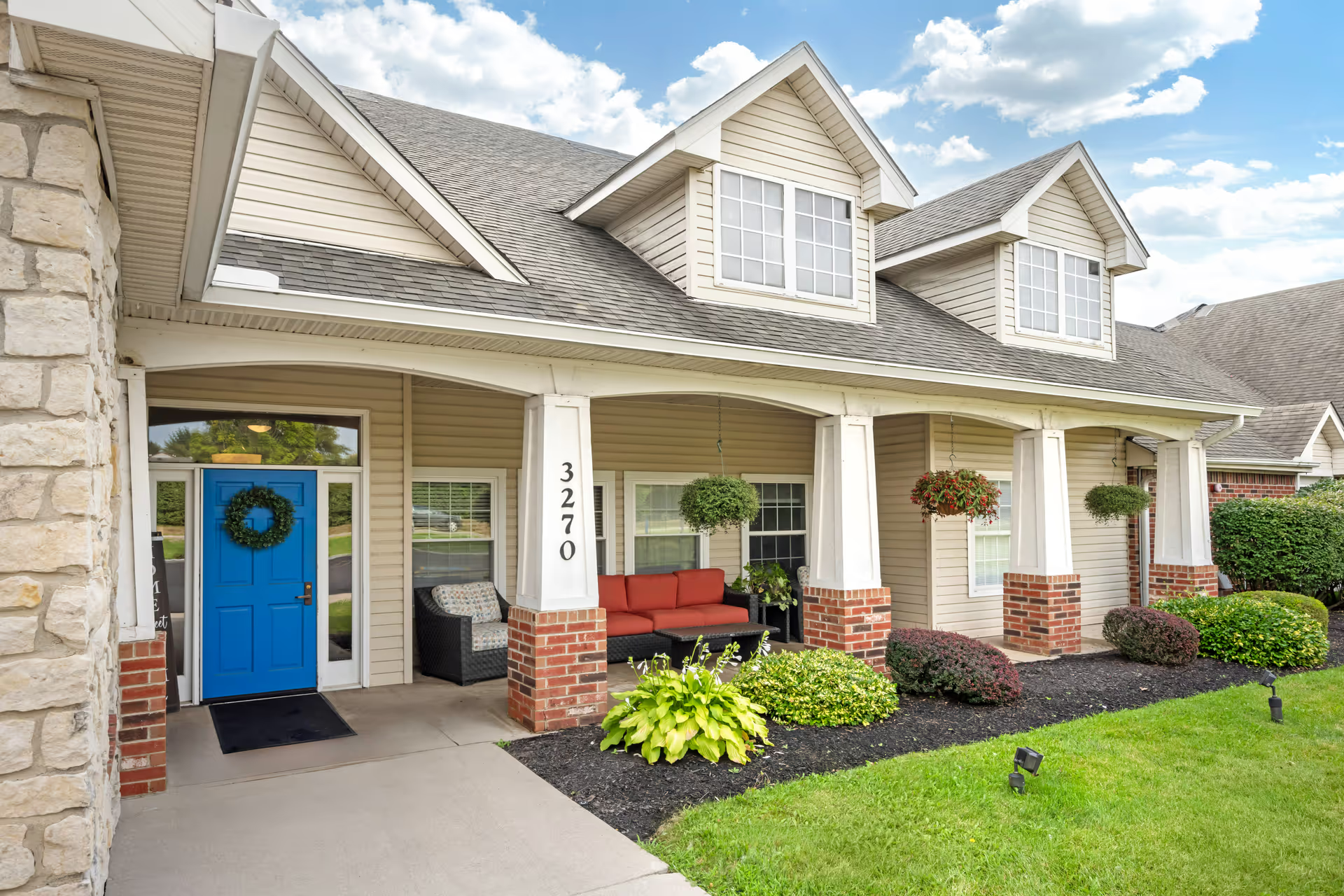
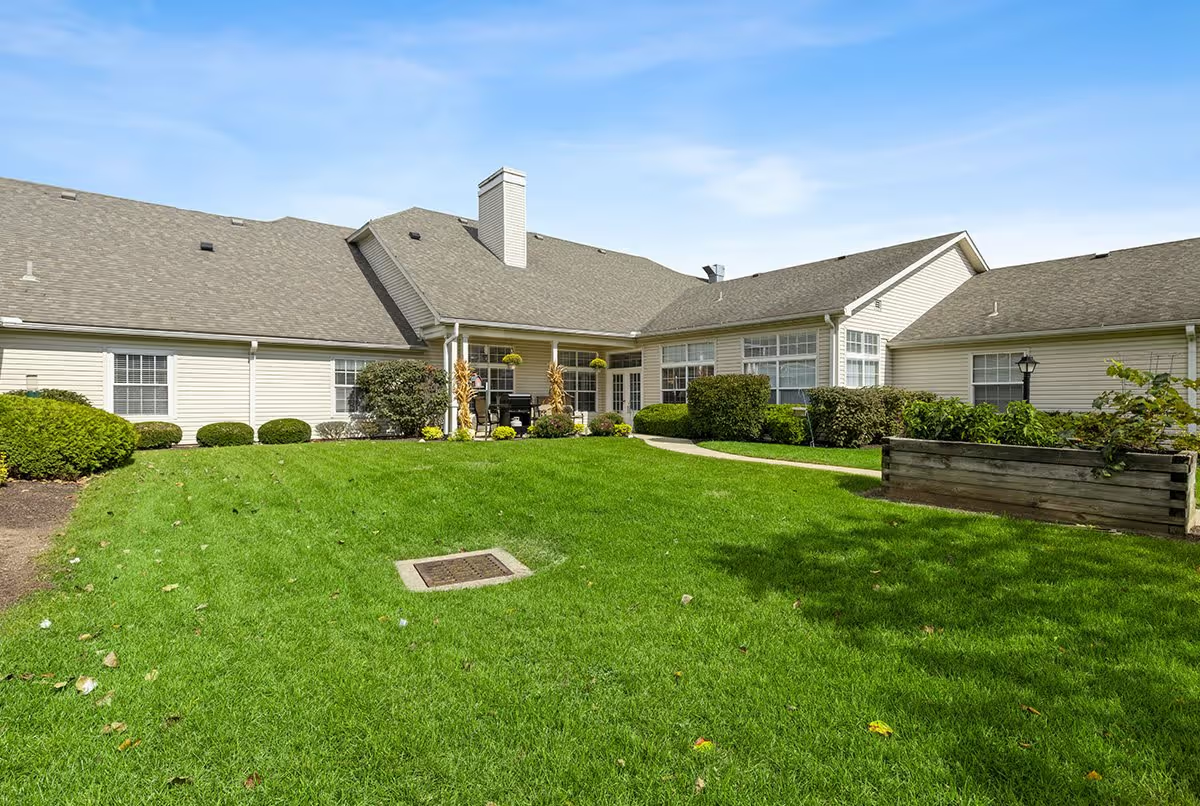
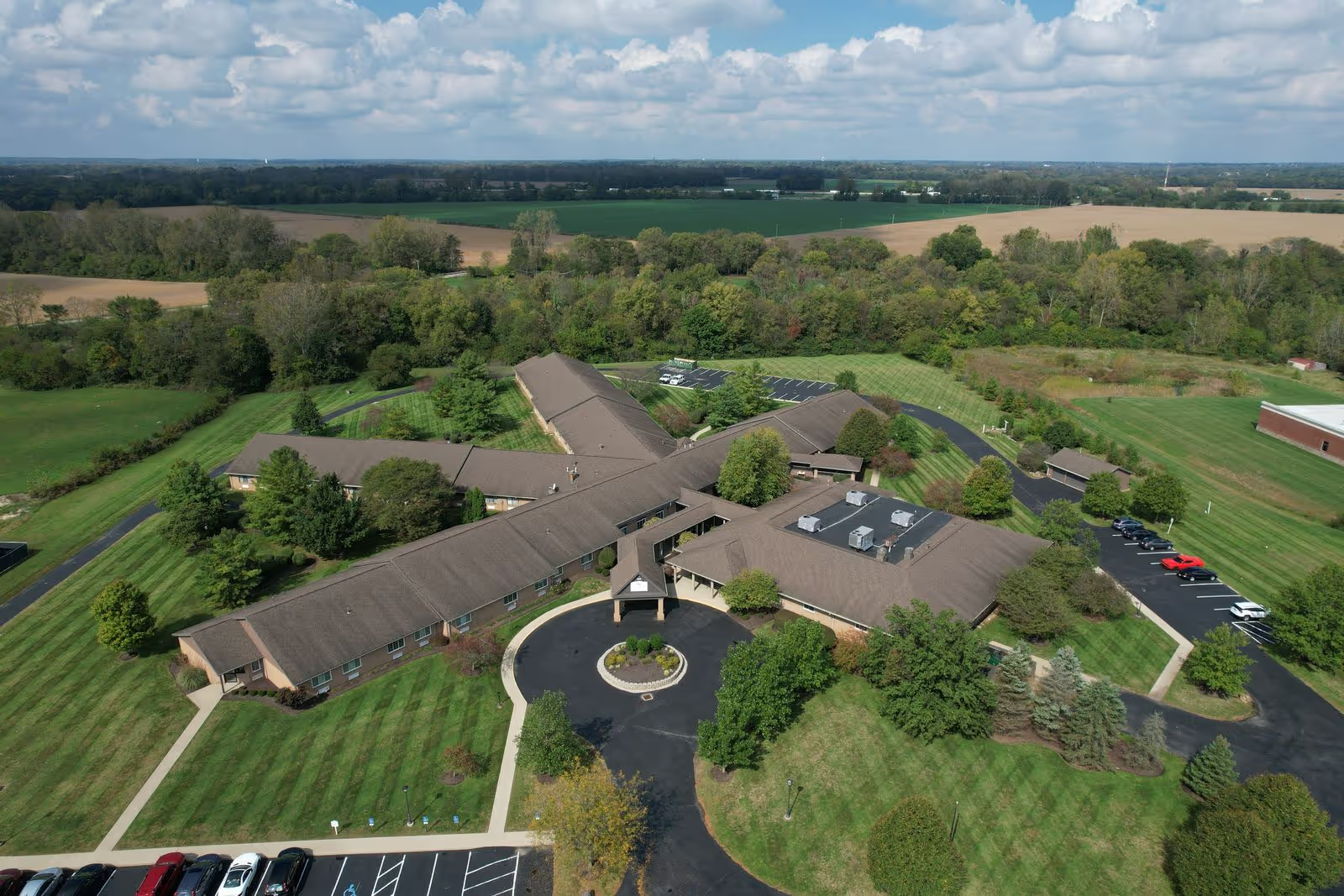
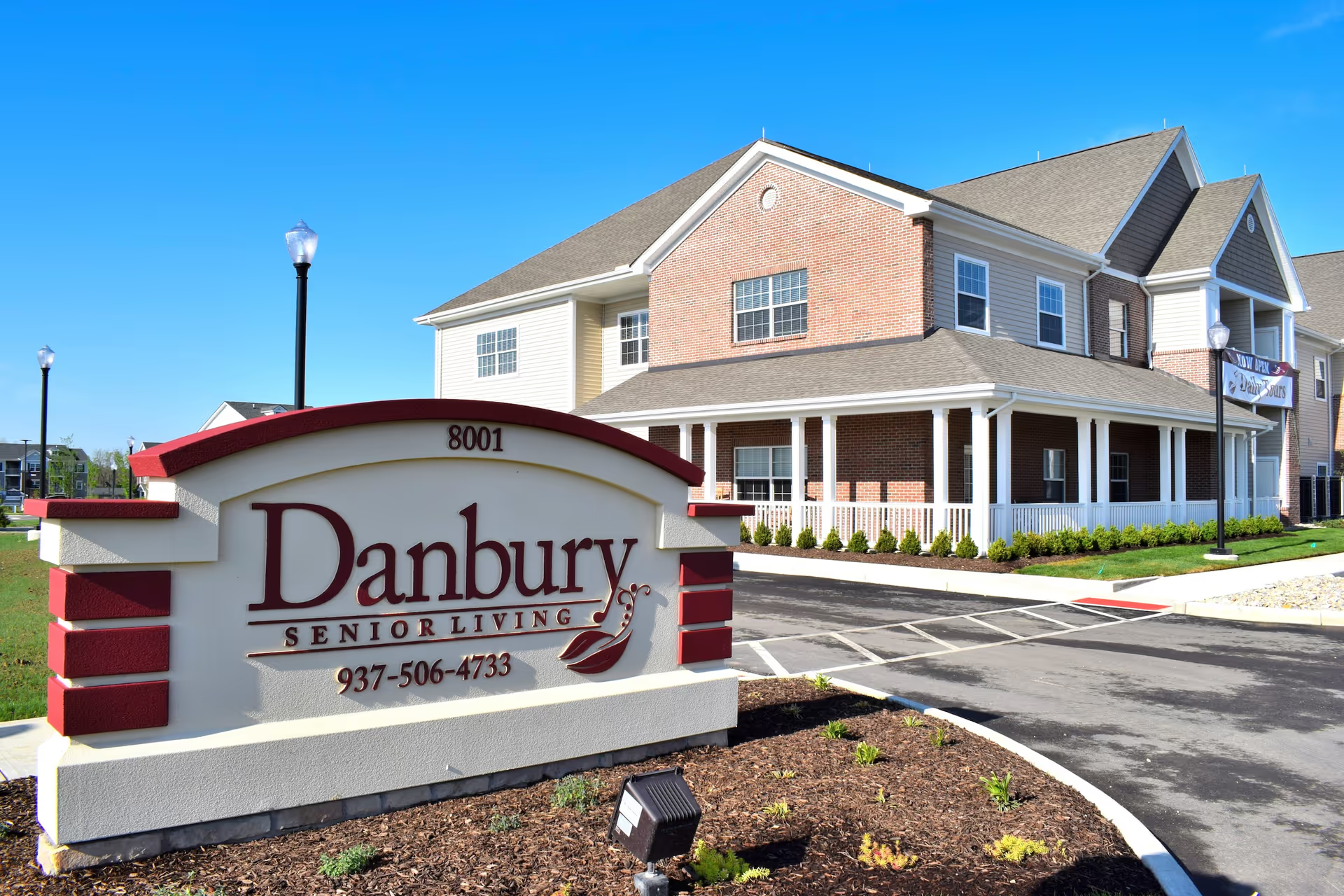
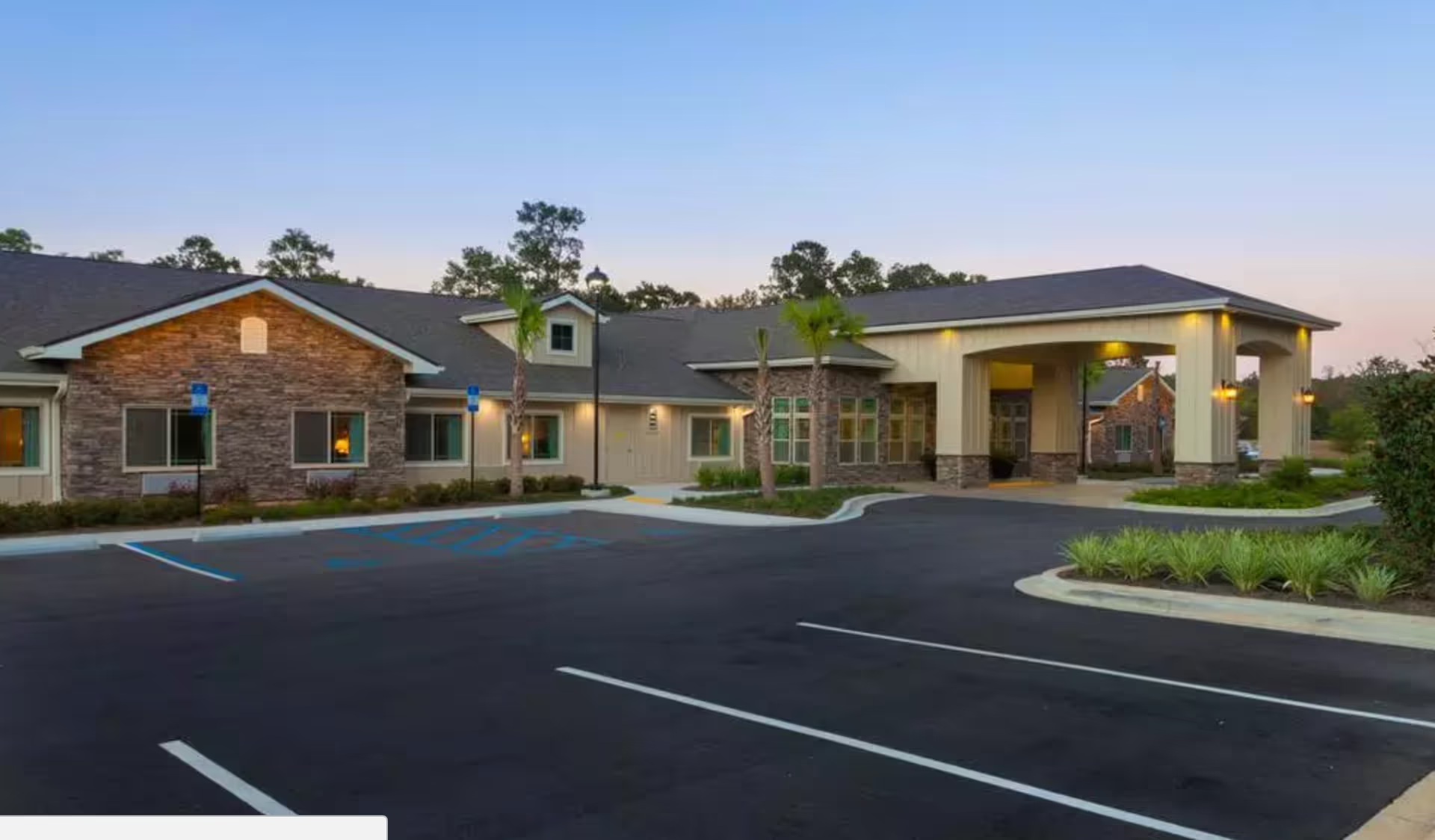
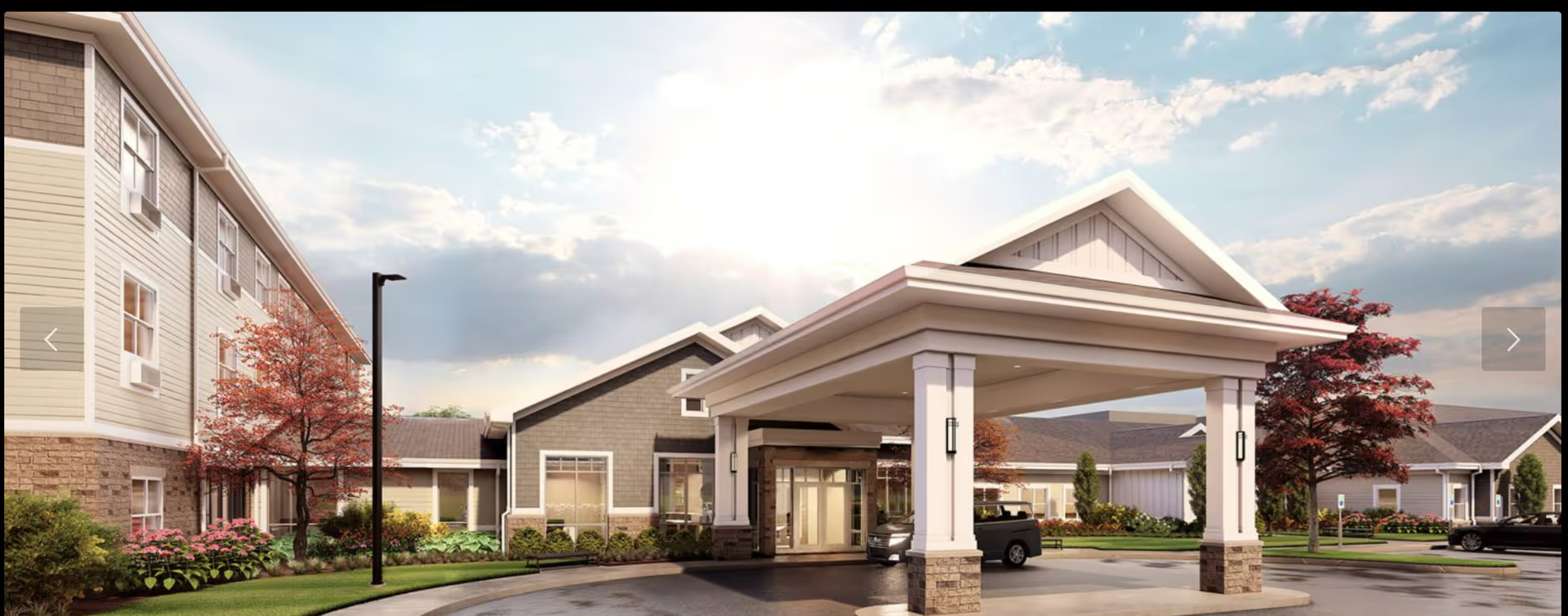
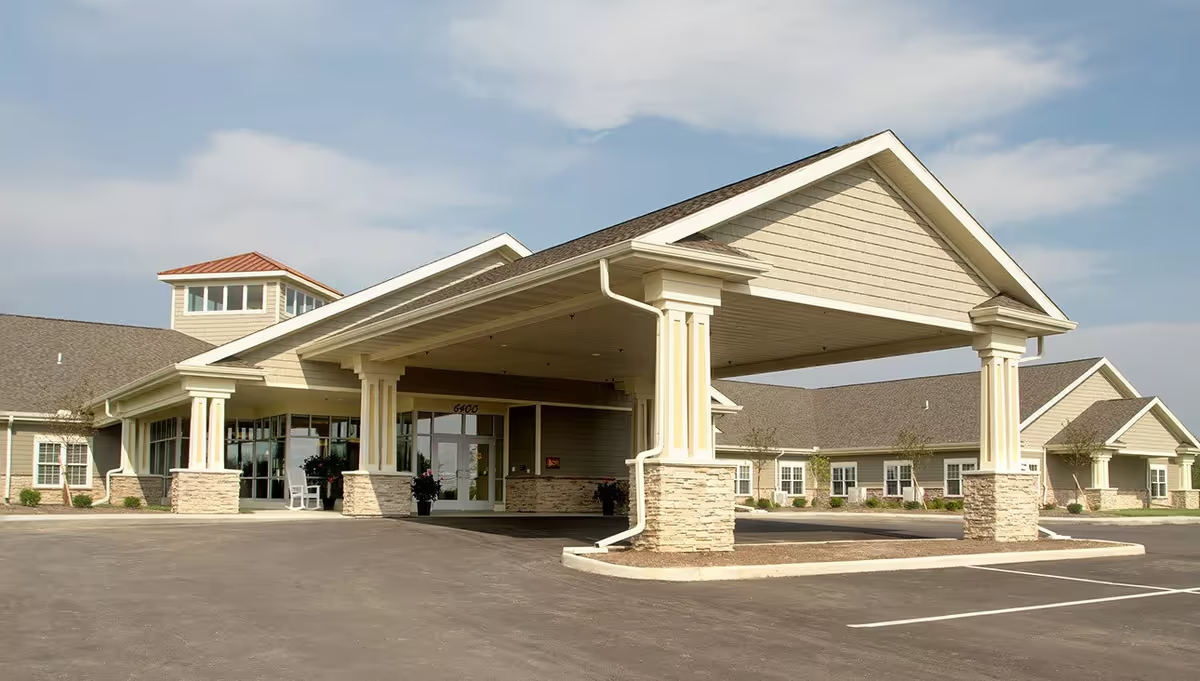
Overall, reviewers describe a facility with many operational strengths alongside a set of recurring operational weaknesses. Strengths most commonly cited include compassionate and attentive direct-care staff, a strong rehabilitation program led by experienced physical and occupational therapists, and generally clean, odor-free public and resident spaces. Families frequently praised housekeeping, maintenance, and management responsiveness; several accounts emphasized a family-like atmosphere, effective coordination for appointments and transportation, and pleasant outdoor and common areas that contribute to resident comfort.
Care quality is described as mixed but leans positive for rehabilitation and routine skilled nursing services. Many reviewers reported meaningful therapy progress and professional, knowledgeable therapists who facilitated discharge goals. Nursing and aide staff receive repeated praise for kindness, attentiveness, and clinical skill; specific staff and leaders were named for exemplary performance. At the same time, a minority of accounts describe serious clinical-event concerns and wound- or infection-management issues. Those descriptions raise questions about clinical-incident response and family communication in particular cases; prospective families should request current clinical quality indicators and ask how the facility manages and communicates about adverse events.
Staffing and responsiveness are the most consistent operational concerns. Multiple reviewers noted inconsistent staffing levels that translate into delays answering call lights, slower assistance with activities of daily living, and variability in the timeliness of medication or drop administration. These patterns also relate to limited front-desk coverage, occasional weak initial admissions experiences, and uneven follow-through on small requests. Families should ask during a tour about typical staff-to-resident ratios by shift and how the facility manages peak-demand periods.
Dining and resident comfort are areas of mixed feedback. Several reviewers appreciated pleasant meal aromas, a separate menu option, and basic amenities such as water and towels in public areas; others described inconsistent food quality and a desire for greater meal personalization or alternative offerings for residents with poor appetite. Facility infrastructure also drew dual comments: the building and public spaces are generally well kept, but some resident rooms and furnishings were described as dated or in need of replacement. Privacy for family meetings and concerns about personal-property handling were raised by some families, suggesting opportunities for clearer administrative procedures and private meeting space.
In summary, Villa Springfield Rehabilitation and Healthcare Center appears to offer strong rehabilitation services, compassionate staff, and a clean environment, making it a viable option for many short-term therapy needs. However, prospective residents and families should explicitly evaluate staffing patterns, clinical-incident protocols, meal customization options, room condition, and administrative practices during their assessment. Requesting data on staffing ratios, therapy minutes by diagnosis, recent quality audits, and examples of how the facility communicates after clinical events will help families weigh the facility’s strengths against the operational gaps described in reviews.