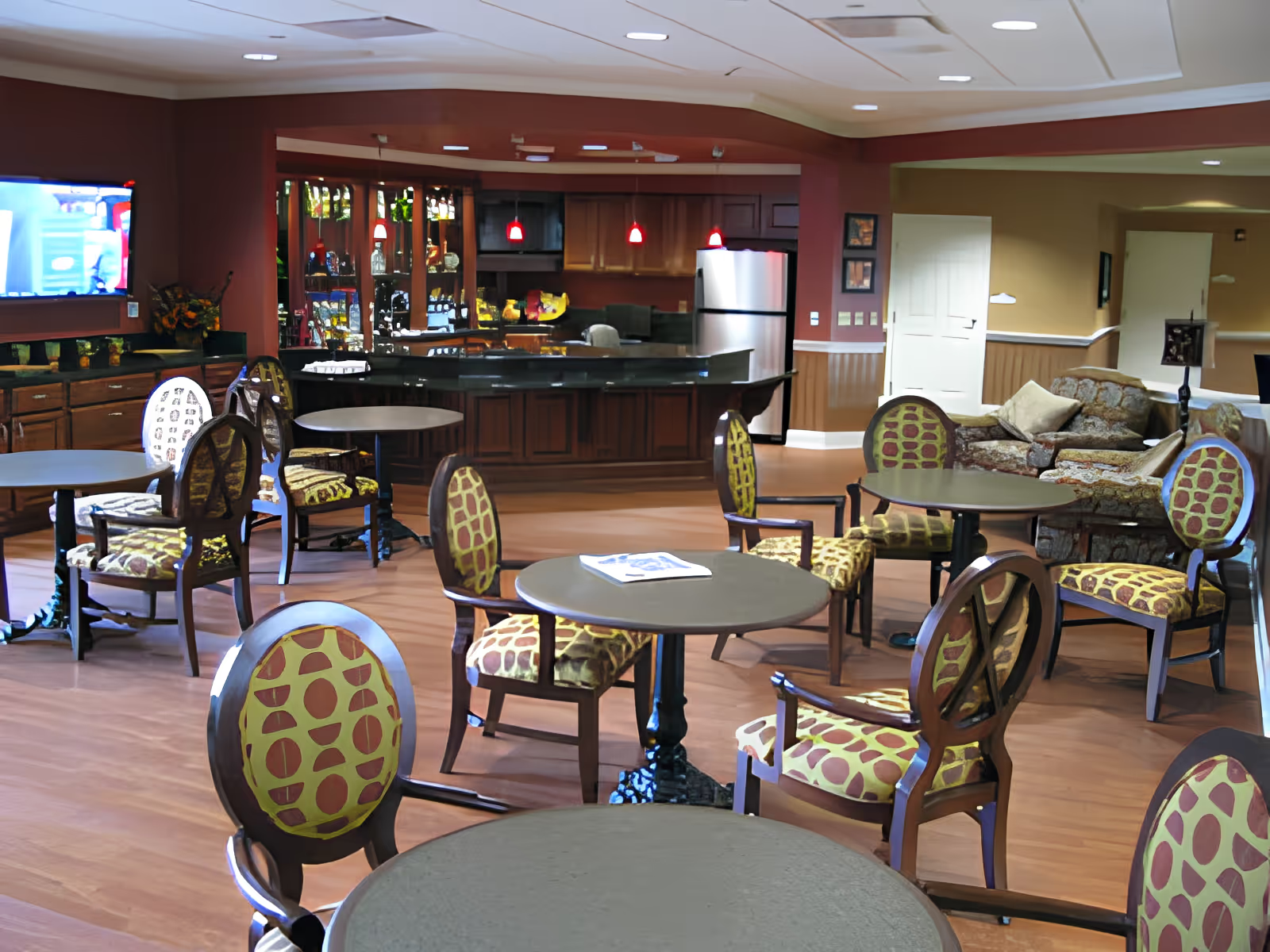
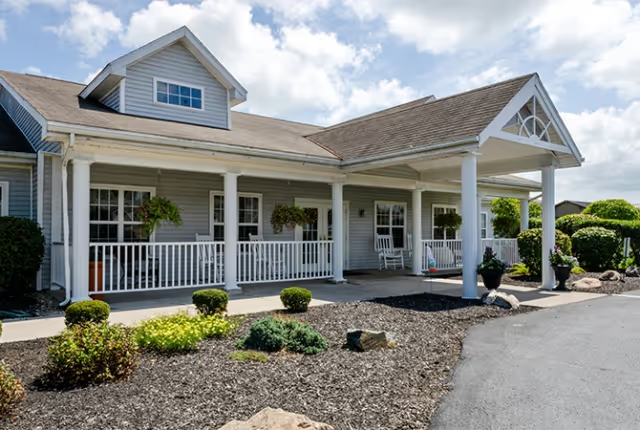
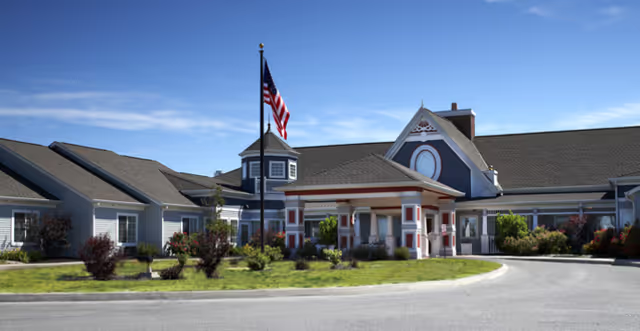
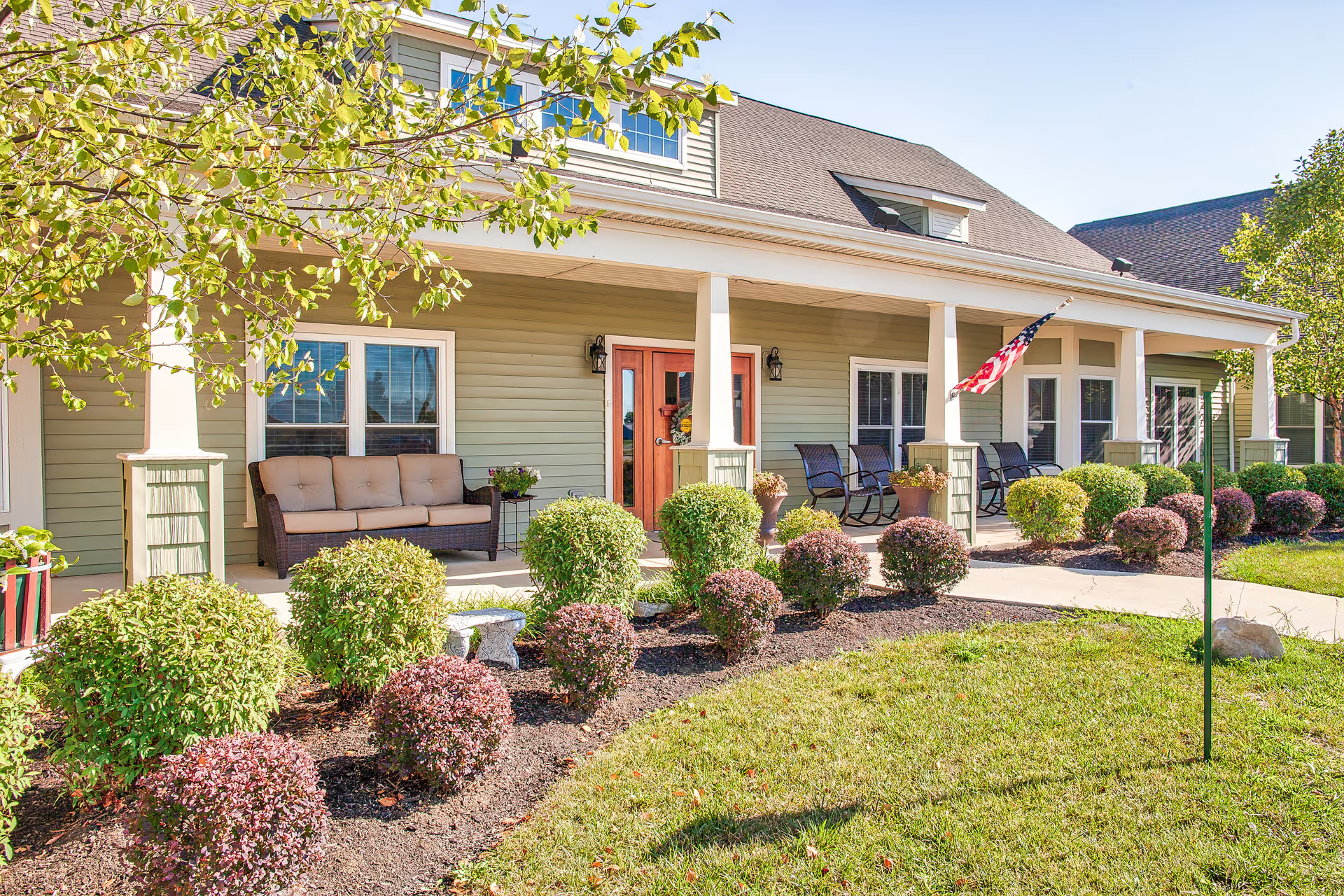
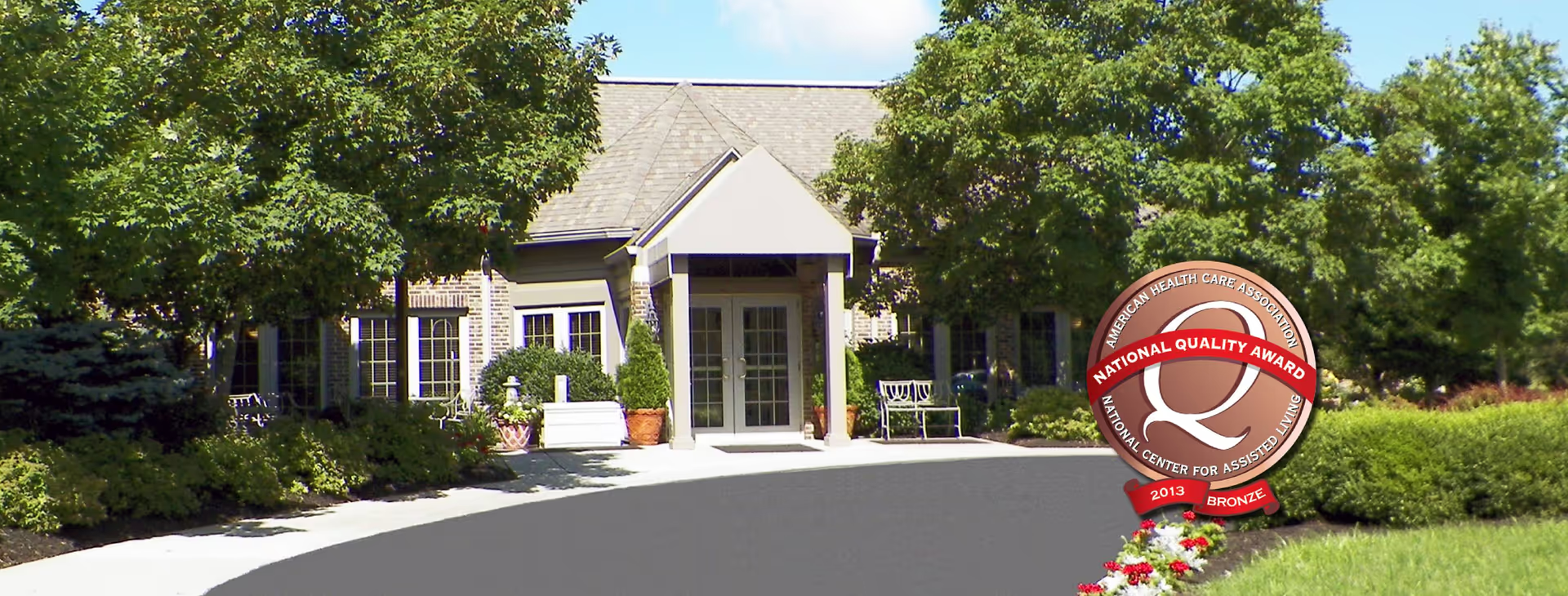
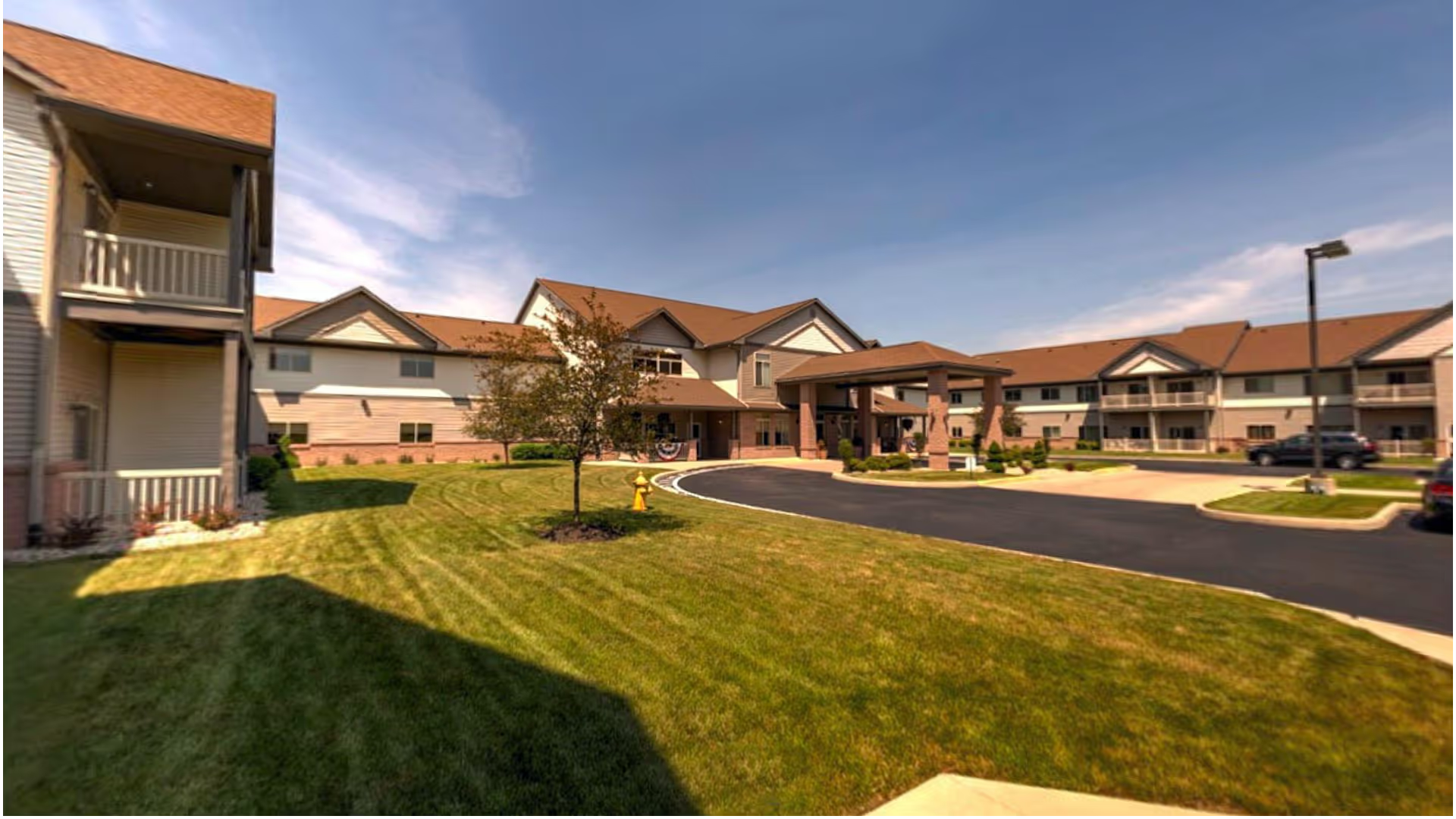
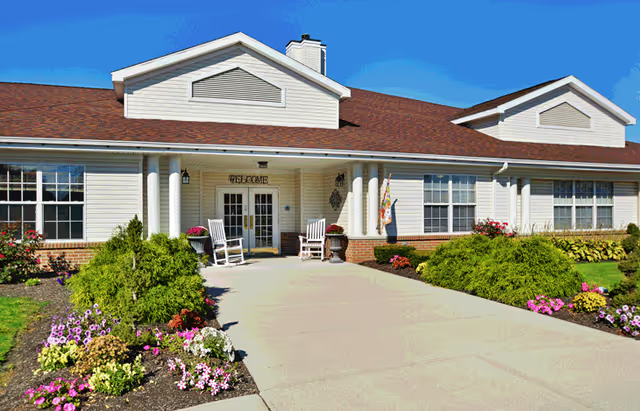
Otterbein St. Marys SeniorLife Community is frequently described as an attractive, lakefront senior living campus with well-kept grounds, private apartments and patios, and an active social program. Reviewers commonly praise the friendliness and compassion of front-line staff, the attentive nursing and aide teams, prompt maintenance response, and a strong sense of community. The property offers a range of amenities — waterfront access, organized special events, varied on- and off-campus activities, and meal events — that many residents and families find engaging and enjoyable.
Clinical and personal-care strengths are highlighted by multiple comments about caring nurses and aides and the availability of an on-site step-down level of care between independent living and hospice. At the same time, there are recurring operational concerns. Reviewers describe inconsistent staffing levels and workforce retention that correlate with delays in personal-care tasks and variable clinical follow-through (for example, timeliness of wound care or bathing assistance). These patterns have produced perceived variability in the quality of care between independent living and higher-acuity units, and several accounts raise questions about whether management decisions about care-level placement are financially motivated.
Front-desk reception, maintenance, and event coordination receive consistently positive feedback; many describe move-ins as smooth and the meals and specialty dining events as well organized. The activity program is a clear strength — residents note abundant, diverse options ranging from onsite entertainment and themed dinners to outings and pontoon-boat trips — and this contributes to a strong social environment and resident satisfaction.
Management and communication practices appear mixed. While some families report a supportive, long-tenured manager and visible attention to grounds and campus appearance, others reference organizational changes, staff turnover and disciplinary actions that have affected continuity of care. Communication with families and timely updates are identified as an area needing improvement by several respondents. Additionally, a small number of comments reference odor concerns in parts of the facility, which prospective visitors should observe during a tour.
For prospective residents and families: the community offers many lifestyle and amenity strengths — scenic setting, active programming, attentive front-line staff, and a maintained campus — but it is important to evaluate clinical oversight and operational consistency. Recommended questions include current staffing levels and retention rates, protocols for personal-care and wound-care follow-up, how care-level changes are decided and communicated (and any financial implications), and opportunities to tour both independent-living and higher-acuity areas to assess cleanliness and odors firsthand. These checks will help balance the strong lifestyle offerings against the operational concerns some families have raised.