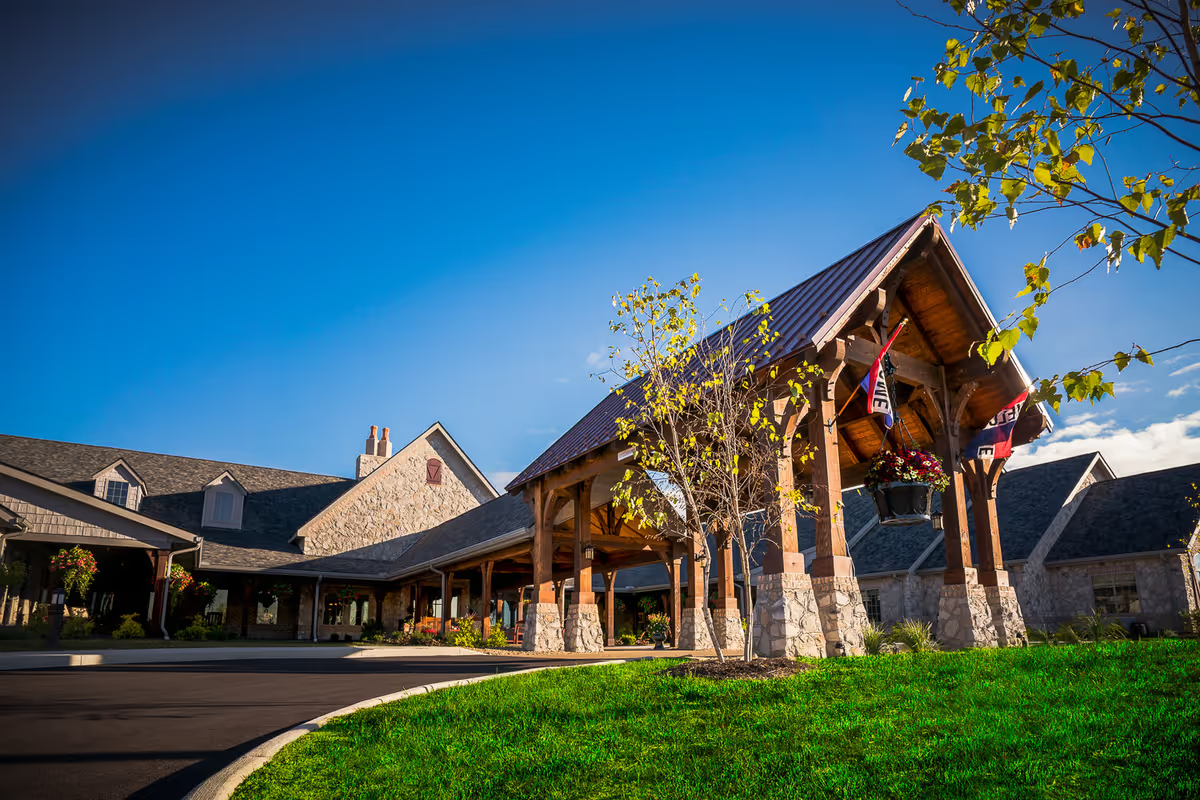
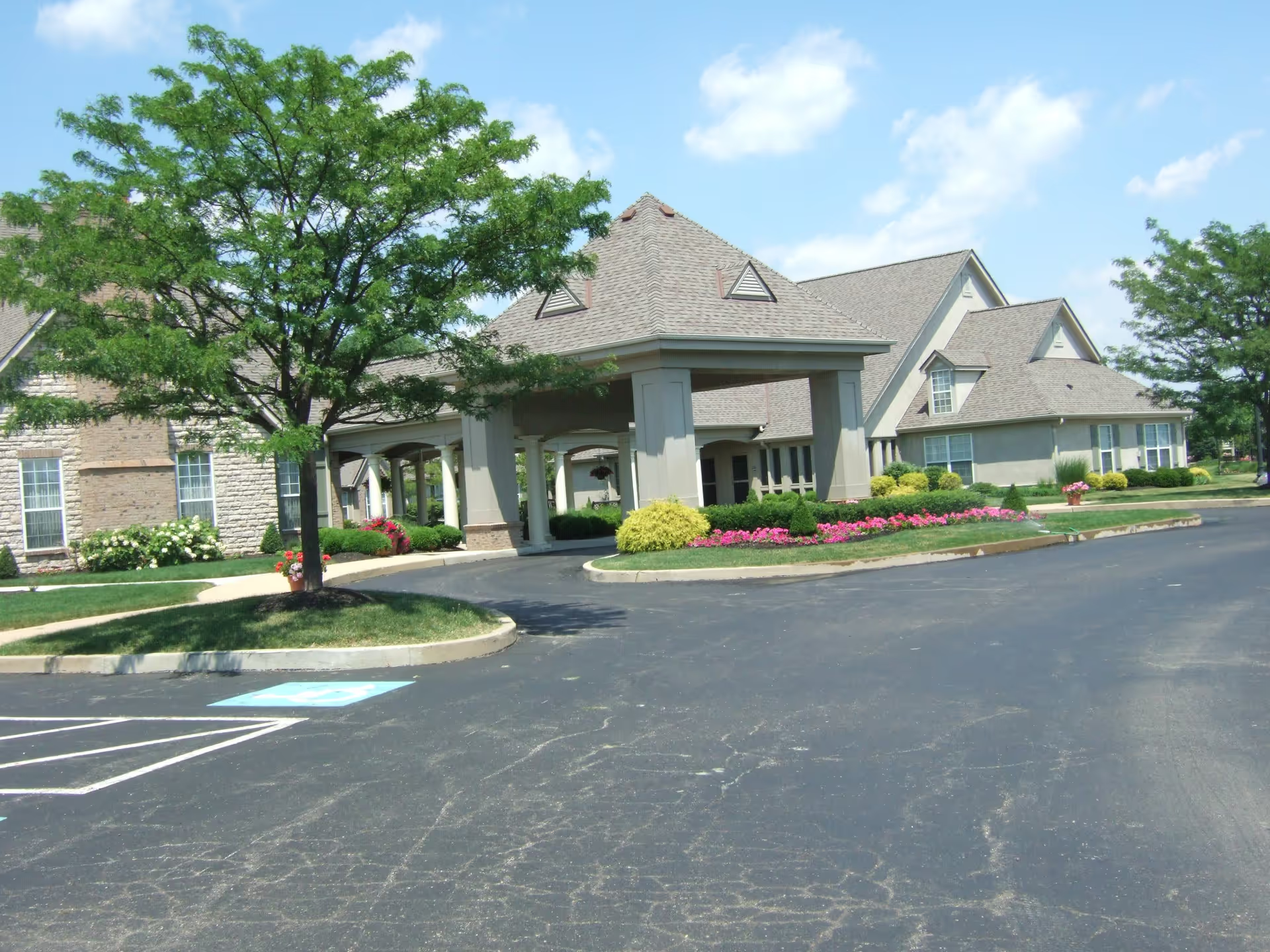
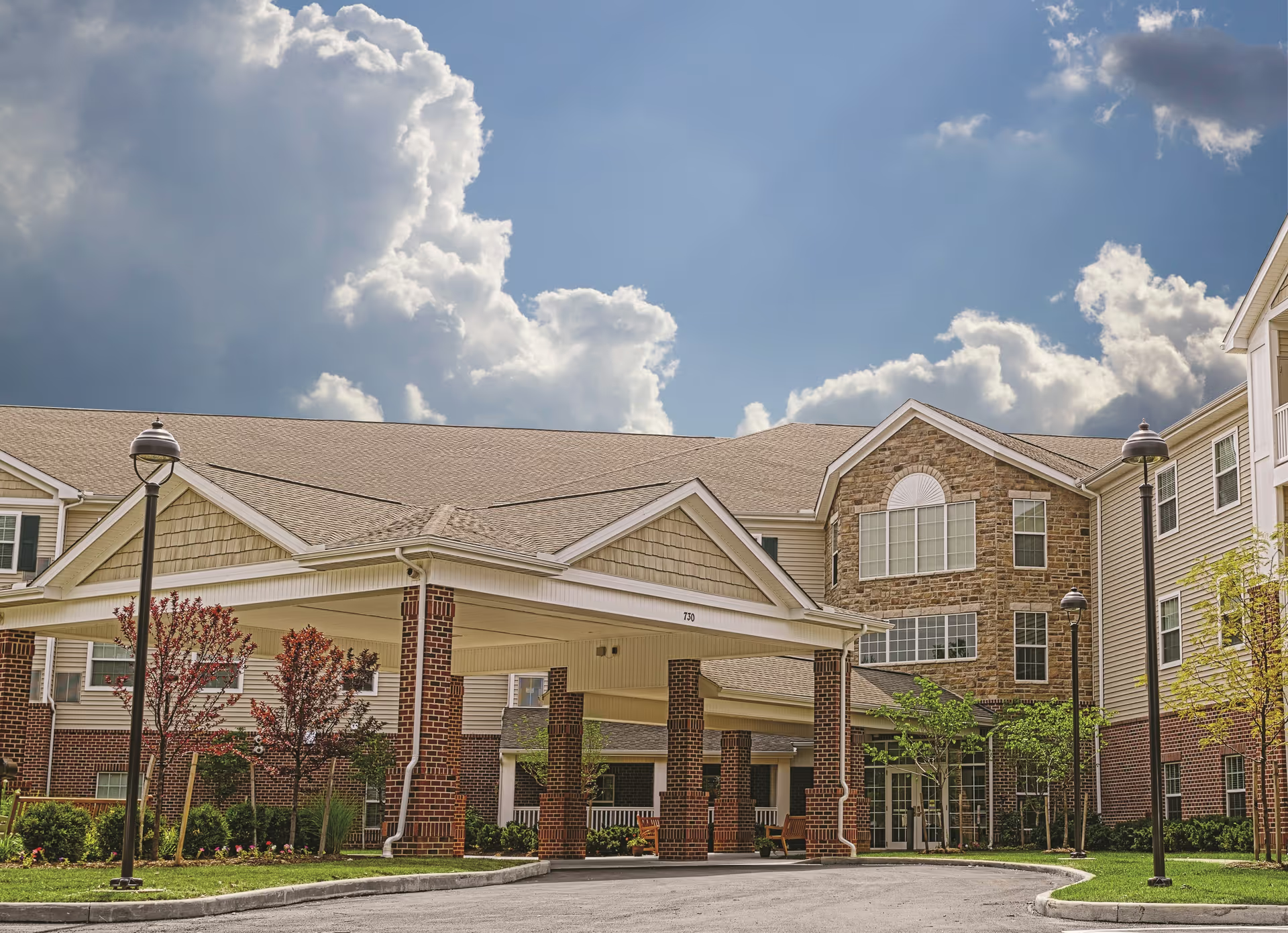
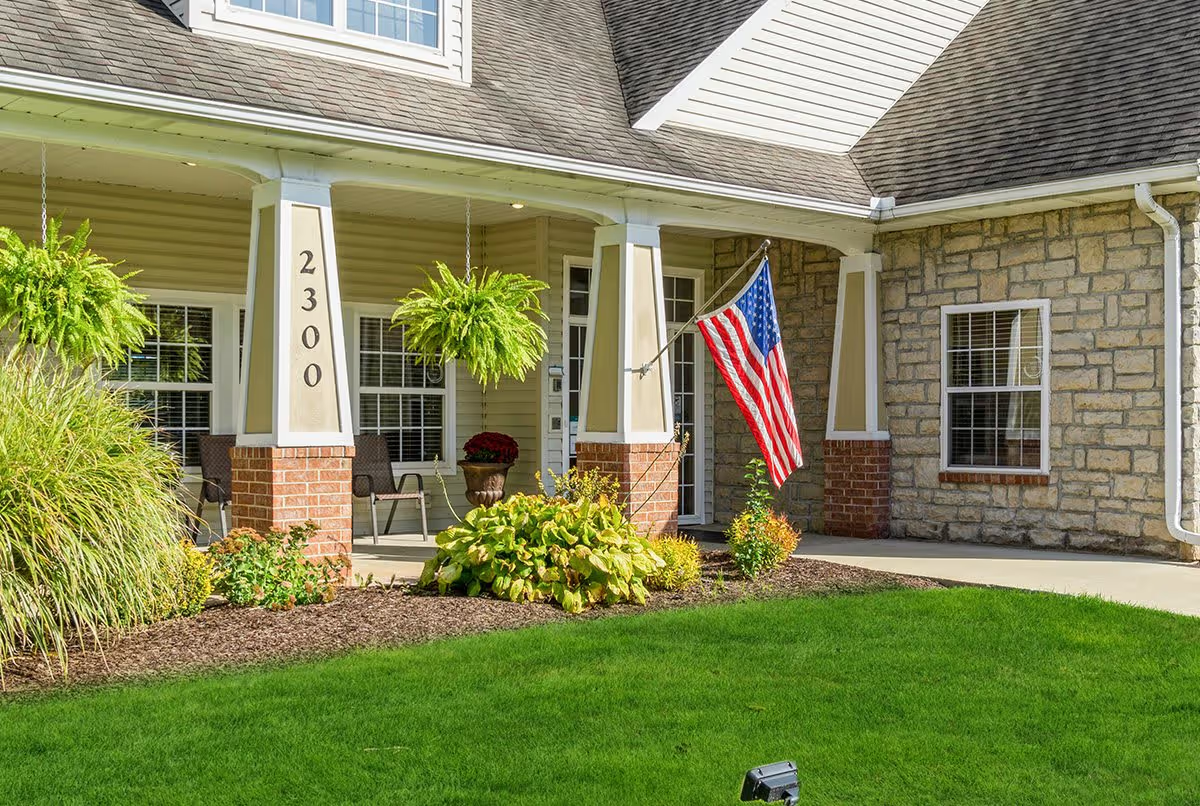
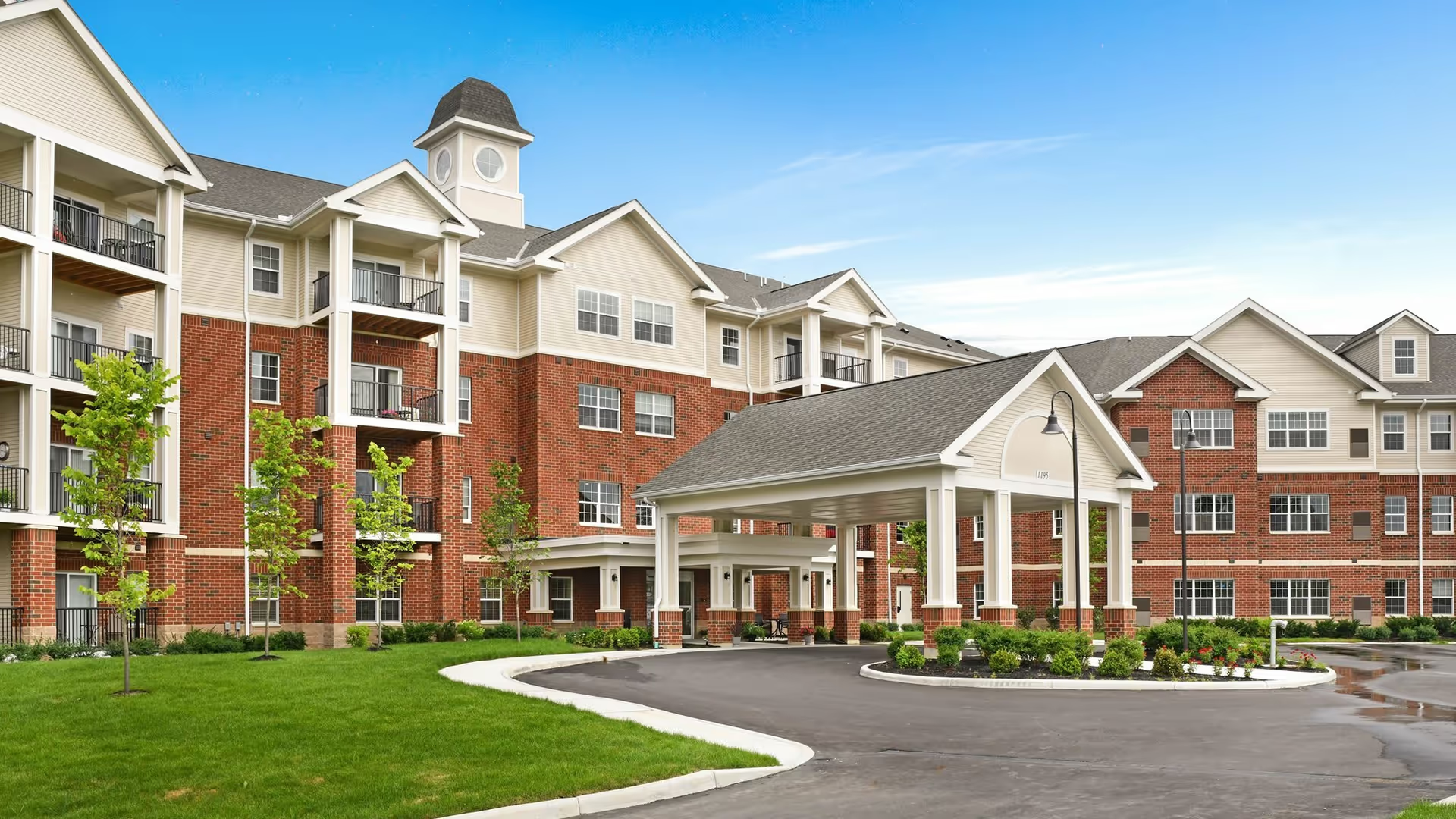
Country View of Sunbury elicits strongly polarized impressions: many families praise compassionate staff, a home-like environment, robust activities, and effective short-term rehabilitation, while other families describe concerning clinical and administrative breakdowns. The facility's strengths include spacious private rooms with en-suite bathrooms, clean and well-maintained common areas, an expansive dining room with restaurant-style service, and an active social calendar that features live music, puzzles, reading materials and frequent events. The therapy department and short-term rehab program receive consistently positive feedback for energetic, resident-focused care. An on-site memory-care unit and hospice services are available, and several reviewers described the environment as family-oriented and welcoming.
At the same time, a number of operational weaknesses emerge as consistent themes. Clinical concerns center on inconsistent nursing responsiveness, delayed attendance to call lights, and gaps in wound-care and pressure-injury prevention practices. Families also described delays or failures in medication coordination with pharmacies and external providers, which points to weaknesses in medication-management and care-coordination workflows. Personal-care scheduling appears inconsistent at times, with examples indicating missed or delayed bathing and dressing assistance.
Dining and activity offerings are notable strengths, but meal quality and service continuity appear variable. While many reviewers praised the dining experience and large communal areas, others described unsatisfactory meals on occasion. Facilities and housekeeping are generally viewed positively: rooms and common areas are described as clean and well-kept, and daily housekeeping is noted by several families.
Management and administrative patterns are an important area for consideration. Multiple families described weak communication, limited follow-up after complaints, and an apparent emphasis on upfront payment and billing processes during admissions. There are also concerns about informed-consent and documentation practices in select instances, and some families reported adversarial interactions with business-office or administrative staff. Reports indicate variability in care quality across units and shifts, including the memory-care unit, suggesting inconsistent implementation of policies and staffing allocation.
Taken together, Country View offers tangible strengths—particularly in environment, activities, therapy services, and many individual caregivers—but prospective residents and families should actively evaluate operational reliability and clinical safeguards. Recommended steps prior to placement include: confirming staffing ratios and shift coverage; reviewing wound-prevention, repositioning and pressure-injury protocols; asking about medication-ordering and pharmacy coordination processes; observing mealtime service; clarifying hospice and external-provider coordination procedures; and obtaining clear, written policies on consent, complaint escalation, and financial obligations. Direct, specific questions and multiple visits across different shifts can help assess whether the day-to-day operations align with the positive experiences described by many families.