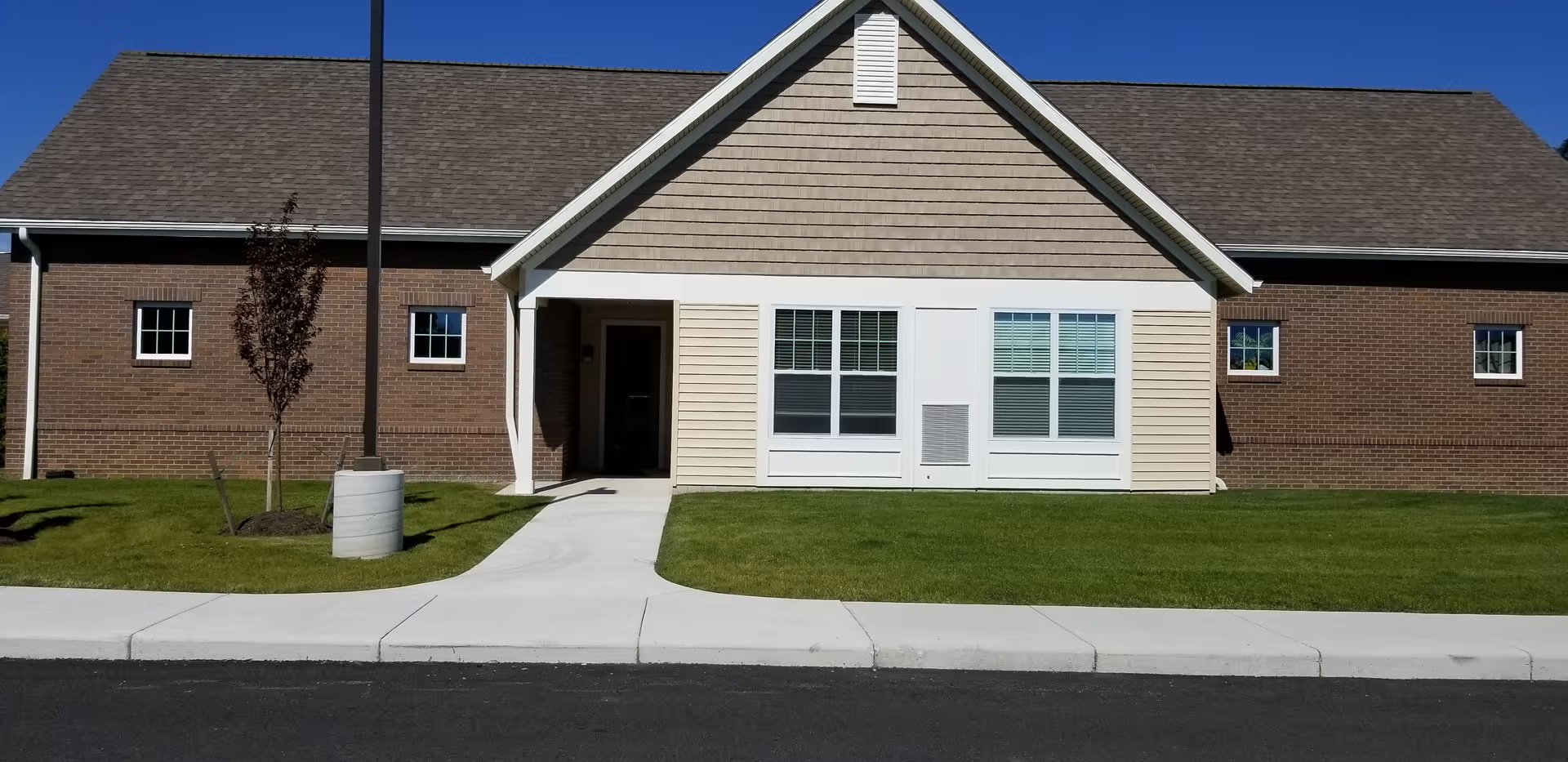
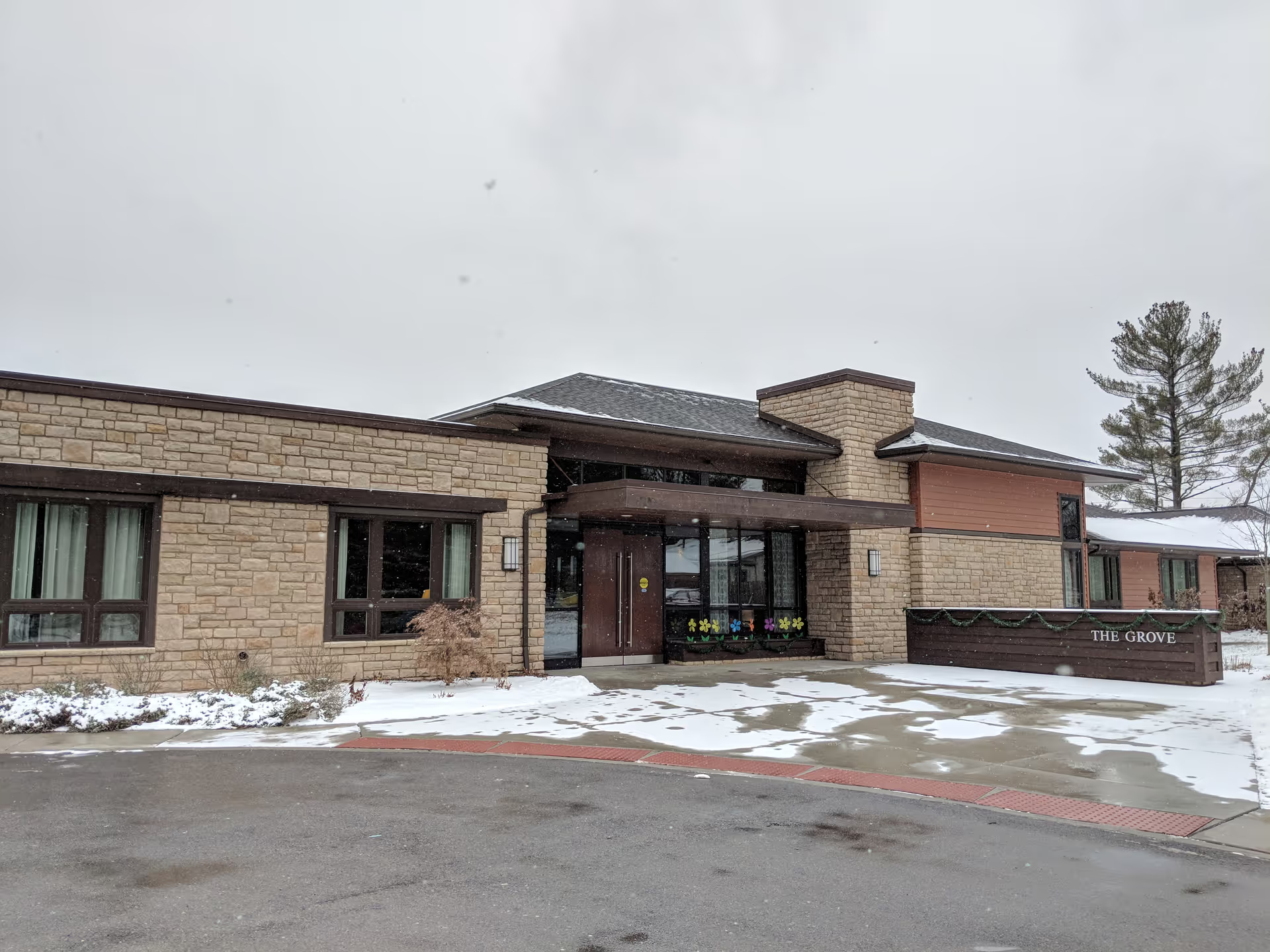
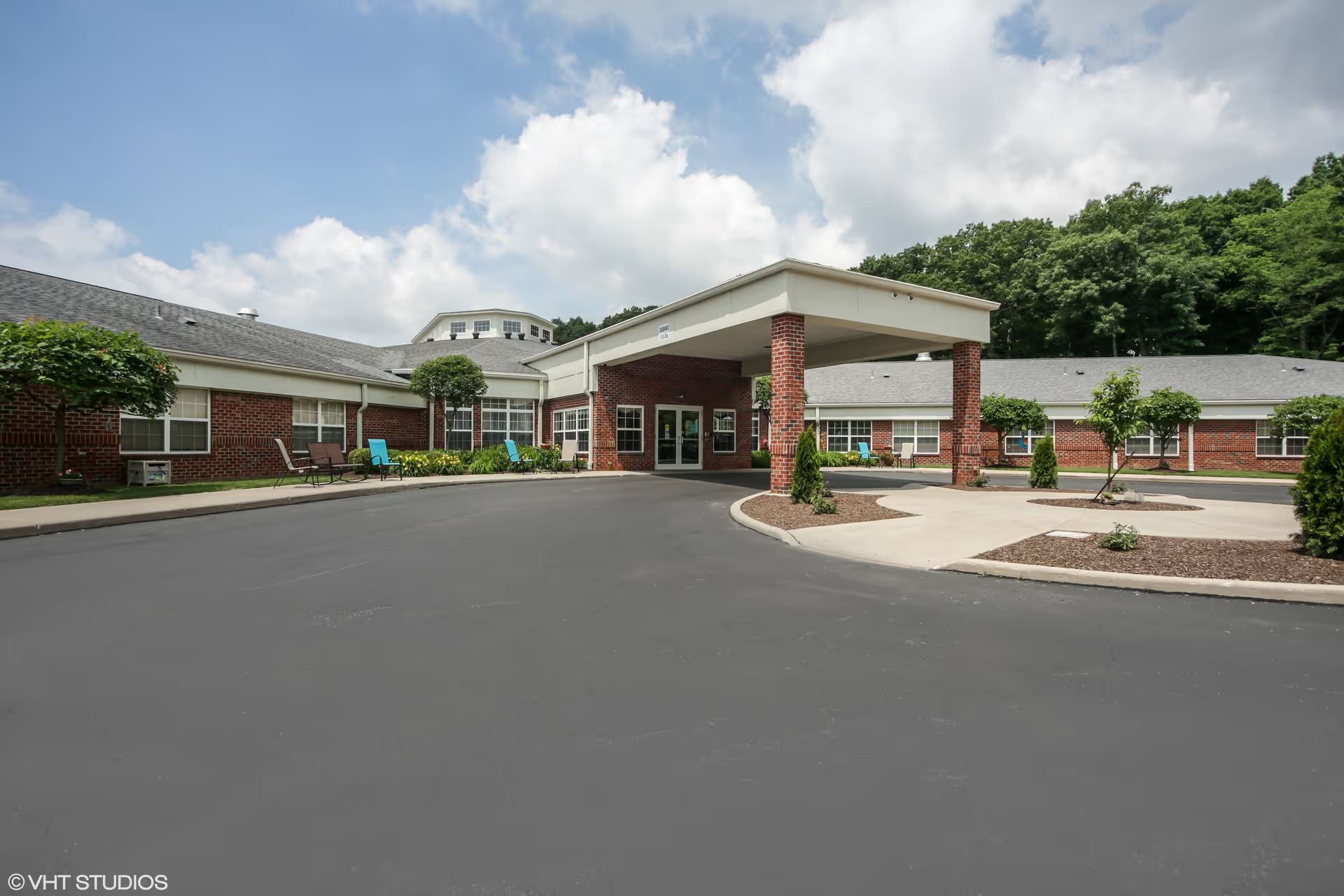
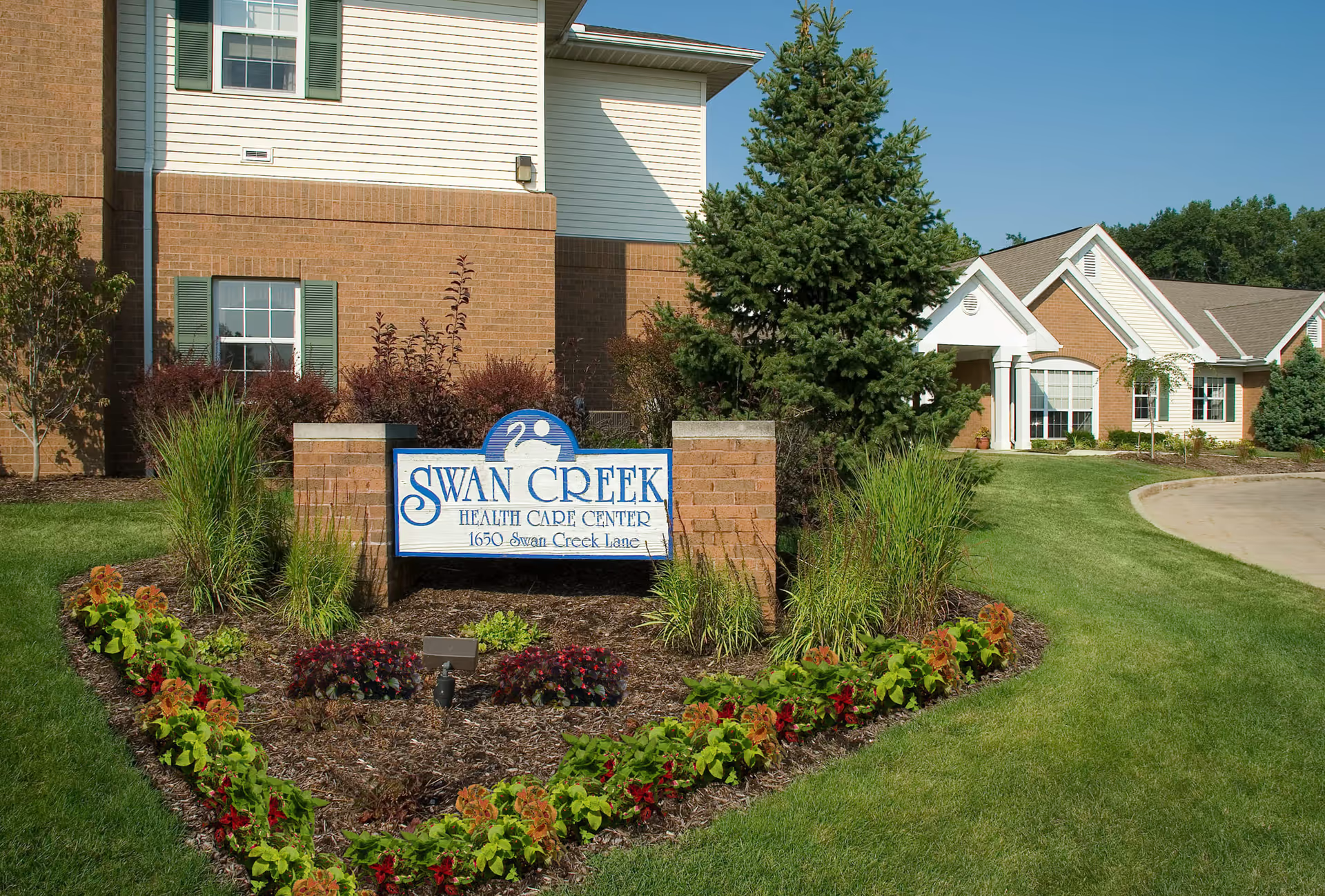
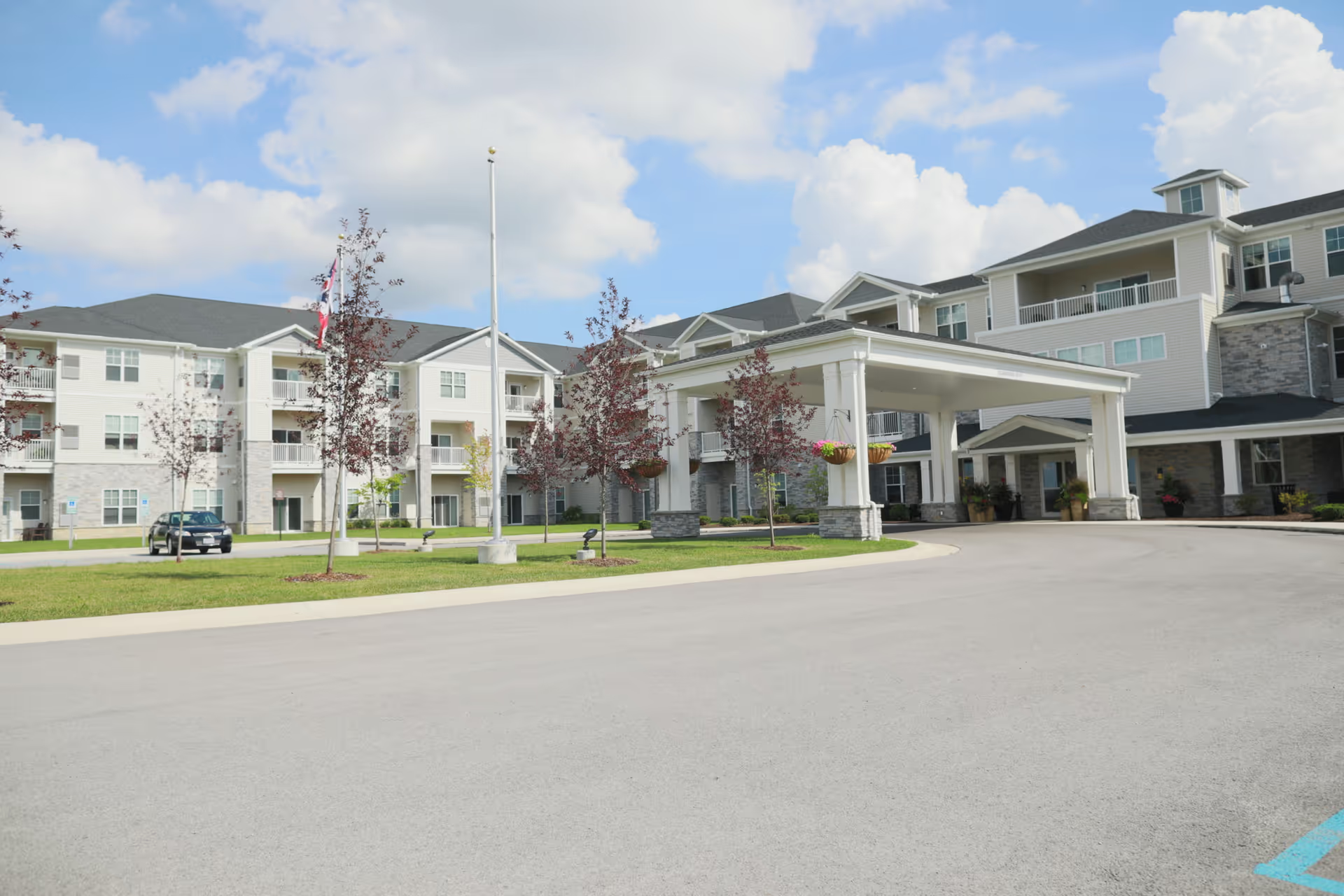
Otterbein Sunset Village presents as a well-appointed, full‑service senior campus with strong offerings in rehabilitation, social programming, and residential amenities. The property and independent living villas are frequently described as attractive, well maintained, and designed for daily comfort — remodeled apartments, wide doors, ample natural light, and accessible bathroom features are noted. Grounds, walking trails, and clubhouse spaces contribute to an active community atmosphere. On‑site amenities such as a Sweet Shop, clubhouse, activity kitchens, laundry on each floor, and room‑service dining options add convenience for residents.
Clinical and therapy services are a consistent strength. The facility’s physical, occupational, and speech therapy programs — including well‑equipped gyms and aquatic therapy — receive high praise for outcomes and professionalism; several families attribute measurable functional improvement to the rehab teams. Nursing and aide staff are described by many as caring and attentive, and move‑in/admissions coordination is frequently highlighted as smooth and supportive, providing families with reassurance during transitions.
Quality-of-life features are substantial: chef‑prepared meals, dessert emphasis, organized social events, frequent outings (restaurants, concerts, casinos), and a broad activity calendar support social engagement and resident satisfaction. Independent living residents report active social networks, while assisted and skilled units offer programming and services aimed at maintaining residents’ routines and independence.
At the same time, reviews indicate operational inconsistencies that prospective residents and families should evaluate. Medication management and administration controls are occasionally described as unreliable, and there are examples of delays or errors in delivering medications. Relatedly, families have raised concerns about clinical escalation practices — delays in obtaining timely medical evaluation or emergency transfer have been cited. Response times for personal assistance can be variable, with intermittent understaffing noted as a contributing factor. Several accounts describe variability in staff tone and professionalism, and some families experienced limited administrative responsiveness when raising concerns.
Maintenance and ancillary operations show contrasting signals: many note prompt, helpful maintenance and an attentive housekeeping presence, while others describe slower repair turnarounds or inconsistency in nonclinical staffing practices. There are also isolated concerns about care processes for residents with cognitive impairment and about bedside attentiveness in certain units, suggesting uneven performance across parts of the campus.
Overall, Otterbein Sunset Village appears to offer a high level of rehabilitative care, engaging social programming, and an attractive campus that many residents and families find comforting. Prospective residents should weigh these strengths against reported operational variability by asking targeted questions during a visit — for example, about medication administration protocols, average response times for assistance, staffing ratios on the unit of interest, incident escalation procedures, and how administrative concerns are tracked and resolved. An in‑person tour and conversations with therapy, nursing leadership, and current residents can help clarify how consistently the facility delivers on the positive aspects highlighted here.