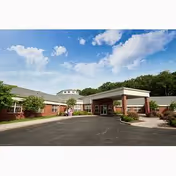
The Lakes of Sylvania presents a polarized picture in family and resident feedback. Many reviewers praise the facility's new, well-kept physical plant, restaurant-style dining, active life-enrichment program and especially the therapy teams. Physical and occupational therapy, wound care and short-term rehabilitation receive consistently strong mentions, with families crediting the therapy staff for measurable recovery and successful transitions home. The campus is frequently described as clean and modern, with furnished rooms that include in-room kitchenette features and conveniences that support resident comfort. Frequent family events, brunches, and an active calendar of on- and offsite activities are described as meaningful quality-of-life strengths.
Staffing and bedside care elicit mixed responses. A substantial number of comments highlight compassionate, personable caregivers, nurses who know residents by name, and clear communication when staff are engaged and available. At the same time, an equally visible set of concerns centers on variability in nursing and aide performance between shifts. This variability manifests as delayed responses to call bells, inconsistent assistance with personal care tasks, and uneven bedside manner. These operational inconsistencies appear to track to staffing levels and shift coverage; families frequently link slower response times and missed care tasks to understaffing.
Clinical operations show a similar pattern of highs and lows. Reviewers often commend clinical teams for effective, proactive therapy and some examples of strong nursing leadership and wound care. Counterbalancing this are repeated concerns about medication management, delayed clinician notification for infections or pain, and occasional medication-administration errors. Families should view these as operational risk areas: they are not uniformly described, but they are sufficiently recurrent to warrant targeted questions during a tour (for example, staffing ratios, medication-safety protocols, and physician notification procedures).
Dining and activities are generally described as institutional strengths: food quality, menu variety, and social dining are frequently praised, and life-enrichment programming with crafts, exercise, bingo, and daily bus outings adds to resident engagement. A minority of comments point to inconsistent dining logistics—long meal waits, condiment availability, and occasional slow service—suggesting that meal service continuity can vary depending on staffing and timing.
Facility maintenance and management responsiveness are another source of mixed impressions. Many reviewers describe an attractive, well-maintained facility and responsive administrative staff who communicate care plans clearly. Conversely, others describe slow repairs, unfulfilled maintenance promises, and administrative unresponsiveness when clinical or environmental concerns are raised. Pricing and perceived value also appear as a practical consideration: several families felt that charges did not always align with the level of service received, and periodic rent or fee increases were noted.
Notable patterns for prospective residents and families: rehabilitation and therapy services are a consistent strength; the facility's physical environment and dining often rate highly; and life-enrichment programming is active and well-received. Areas meriting careful investigation during a visit include staffing levels and typical call-response times, medication-safety protocols and clinical escalation procedures, consistency of personal-care routines (bathing, oral care, linen changes), and the process for reporting and resolving maintenance or care concerns. A limited number of reviewers raised allegations involving serious conduct and end-of-life care concerns; while these appear to be isolated within a larger set of mostly operational complaints, they are significant and should prompt families to review incident history, regulatory reports, and how the facility documents and addresses serious events.
In sum, The Lakes of Sylvania offers notable strengths in therapy, dining, and an attractive campus with active programming, but families should be attentive to variability in staffing and direct-care consistency. A structured tour and targeted questions about staffing levels, clinical oversight, medication safety, and complaint resolution will help determine whether the facility’s operating practices align with an individual resident’s care needs and expectations.