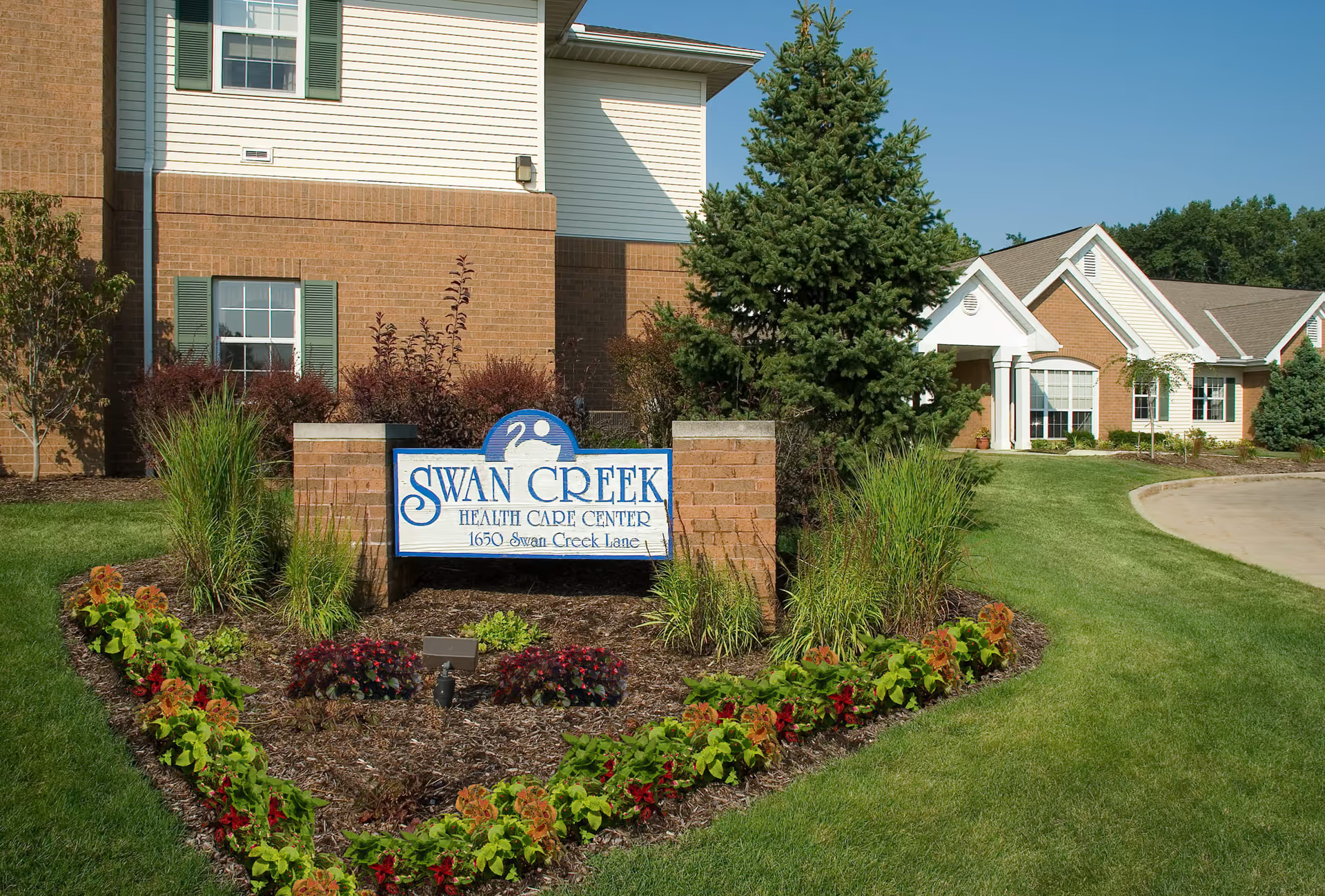
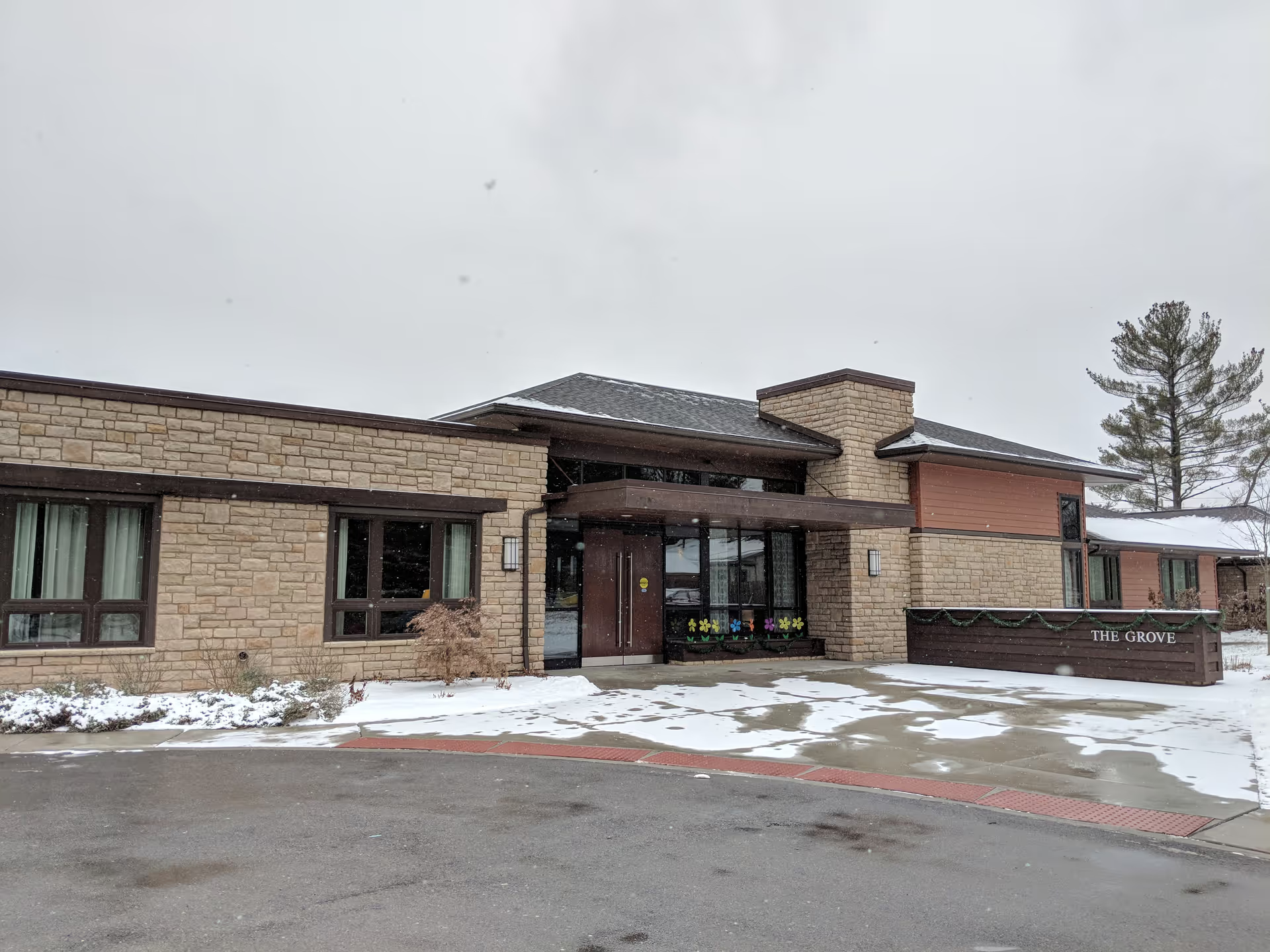
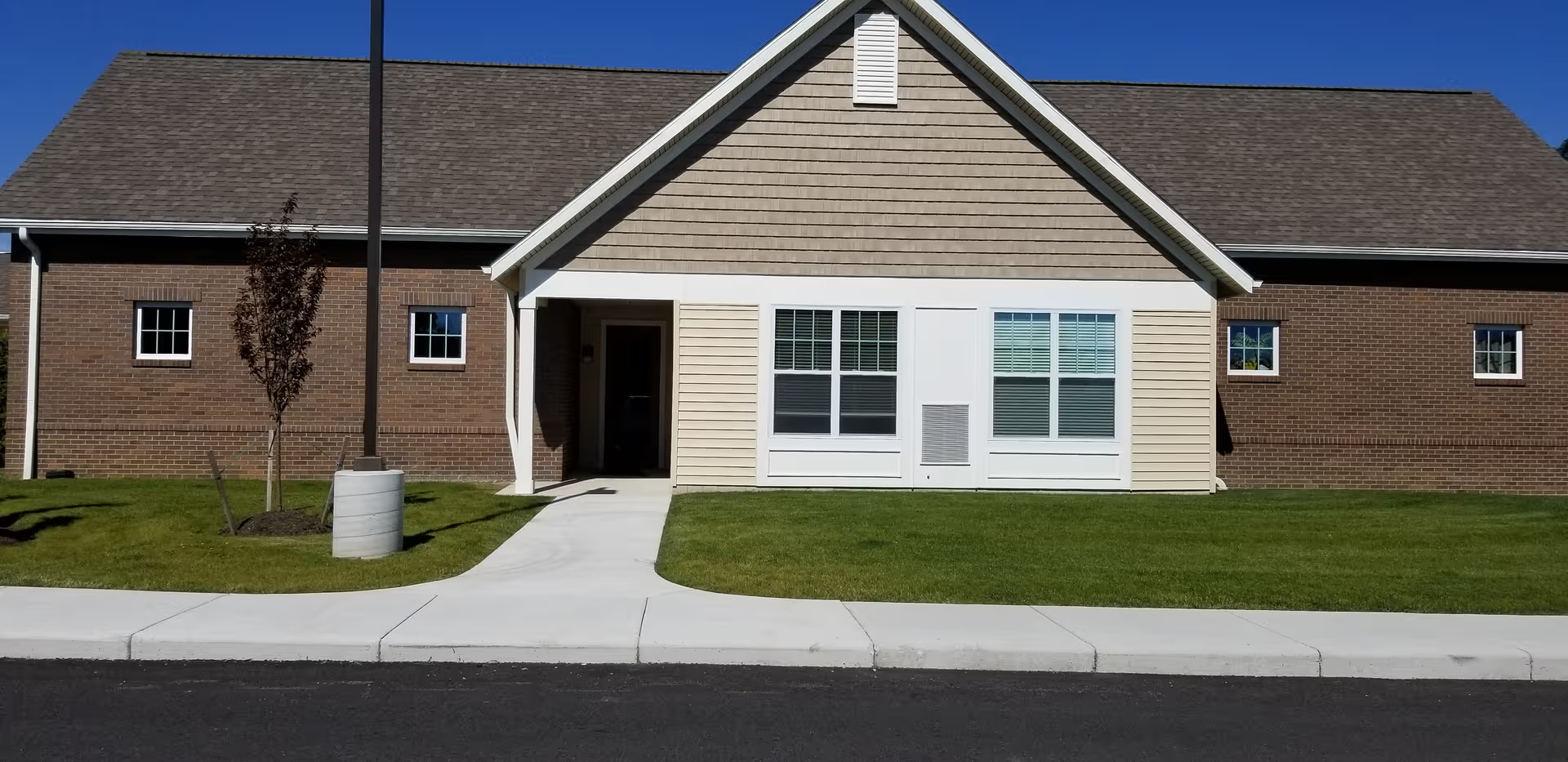
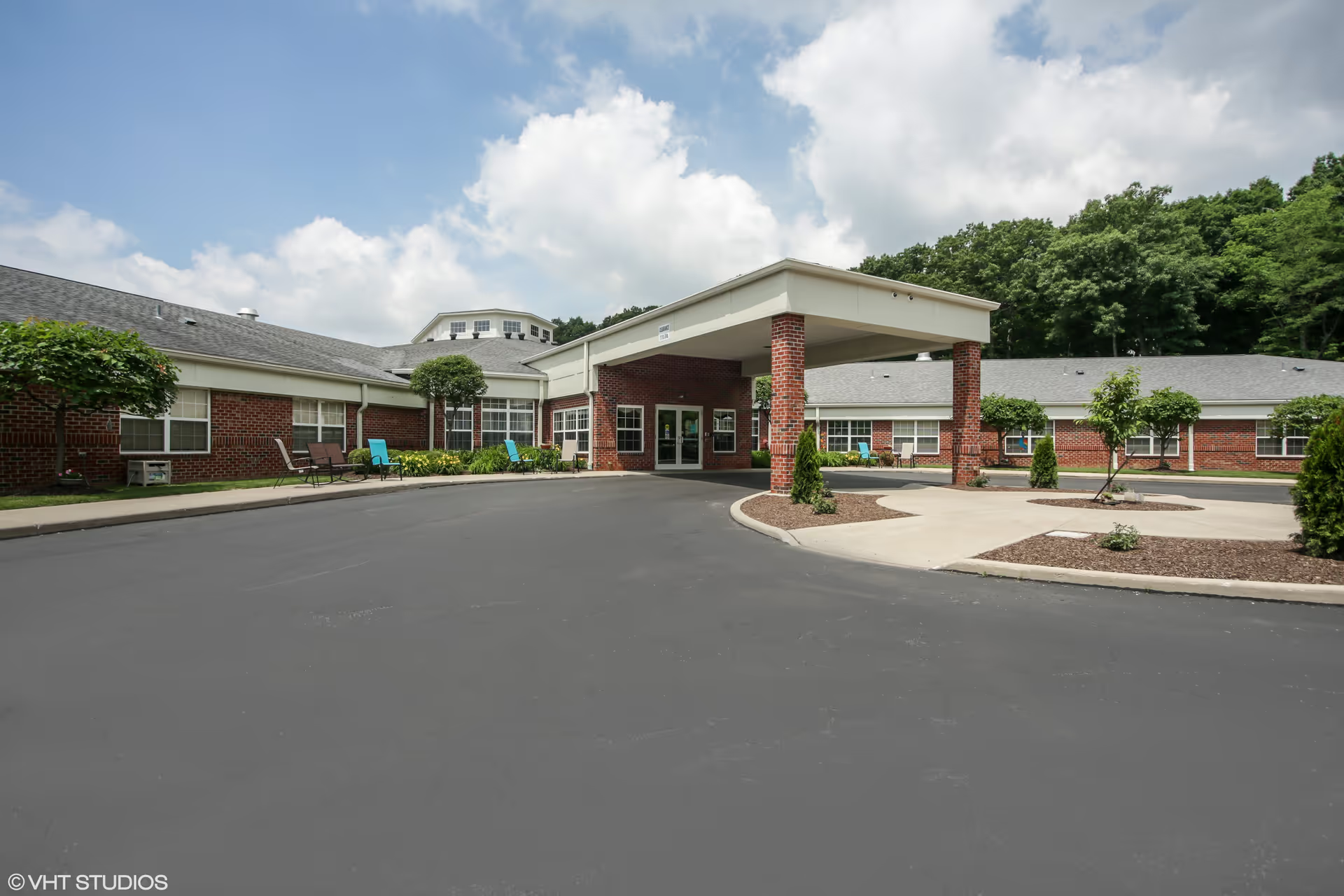
The reviews for Advanced Healthcare Center present a highly mixed picture with distinct positive experiences alongside persistent operational concerns. Many families and residents praised the facility's rehabilitation programming and specific therapy staff, noting effective physical and occupational therapy that supported successful discharges. Several accounts highlighted compassionate, attentive caregivers and therapists, strong family communication in those cases, personalized attention, and leadership that has enacted corrective changes. Positive comments also referenced home-style meal offerings, an engaging activities program, a greenhouse/common-area amenity, and areas that feel clean or hotel-like.
At the same time, a recurring theme is variability in care quality. Reviewers described long nurse-response times, delays in medical attention, and inconsistent medication and catheter management. These clinical gaps were associated with concerns about hydration, infection prevention, and wound care in some accounts. Staffing instability — frequent call-offs, high turnover, and chronic understaffing — appears to be a major driver of inconsistent care and service delays and contributes to uneven experiences across shifts and units.
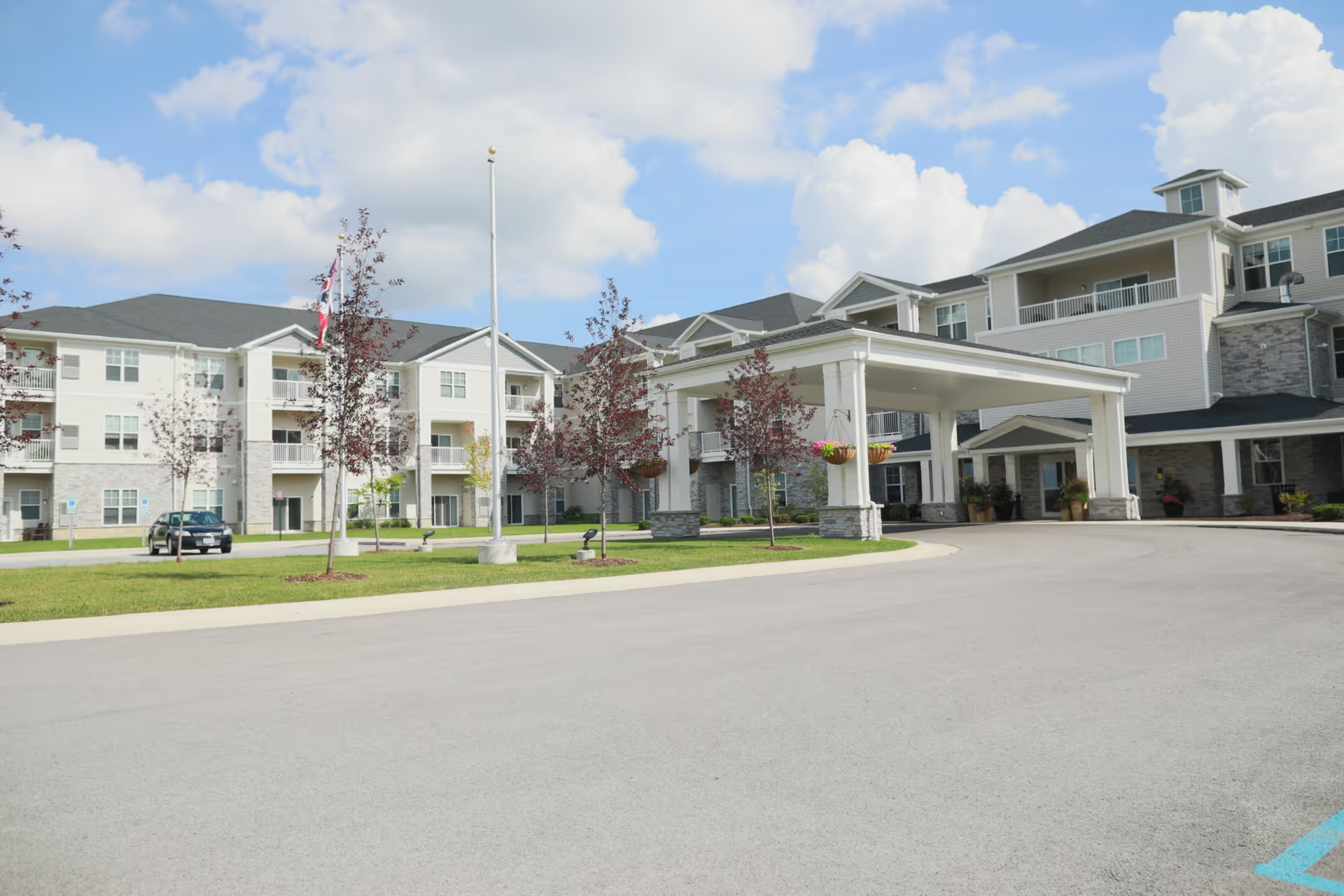
Facility and amenities feedback is similarly polarized. Some families found the environment welcoming and well maintained, while others raised sanitation and odor concerns in rooms and common areas, as well as pest-control issues. Several reviewers described outdated or dark decor and a lack of visitor amenities (no café or vending areas) that affected the family experience. Dining comments ranged from praise for home-cooked meals to concerns about small portions, slow meal service, and the need for families to supplement resident meals.
Management and administrative practices were another frequent concern. Reviews mention payroll and HR problems, inconsistent leadership availability, poor follow-through on belongings and reimbursements, and broader communication breakdowns with families. There are also more serious claims: some reviewers made allegations of missing personal items and theft, and a number of accounts raised concerns following resident adverse events; these types of claims undermine family trust and merit careful external review.
Notable patterns: experiences at this facility appear highly dependent on unit, shift, and individual staff. Positive accounts often emphasize specific staff members, engaged therapy teams, and proactive managers who corrected problems. Negative accounts cluster around staffing shortages, cleanliness and safety practices, inconsistent clinical competence, and administrative lapses. Prospective families should conduct an in-person tour, ask about current staffing ratios, turnover rates, infection-control and catheter-care protocols, medication-administration procedures, meal-service continuity, housekeeping schedules, pest-control measures, property-loss policies, and how the facility communicates with families and responds to incidents. These targeted questions will help assess whether the facility’s strengths align with a given resident’s clinical and psychosocial needs.