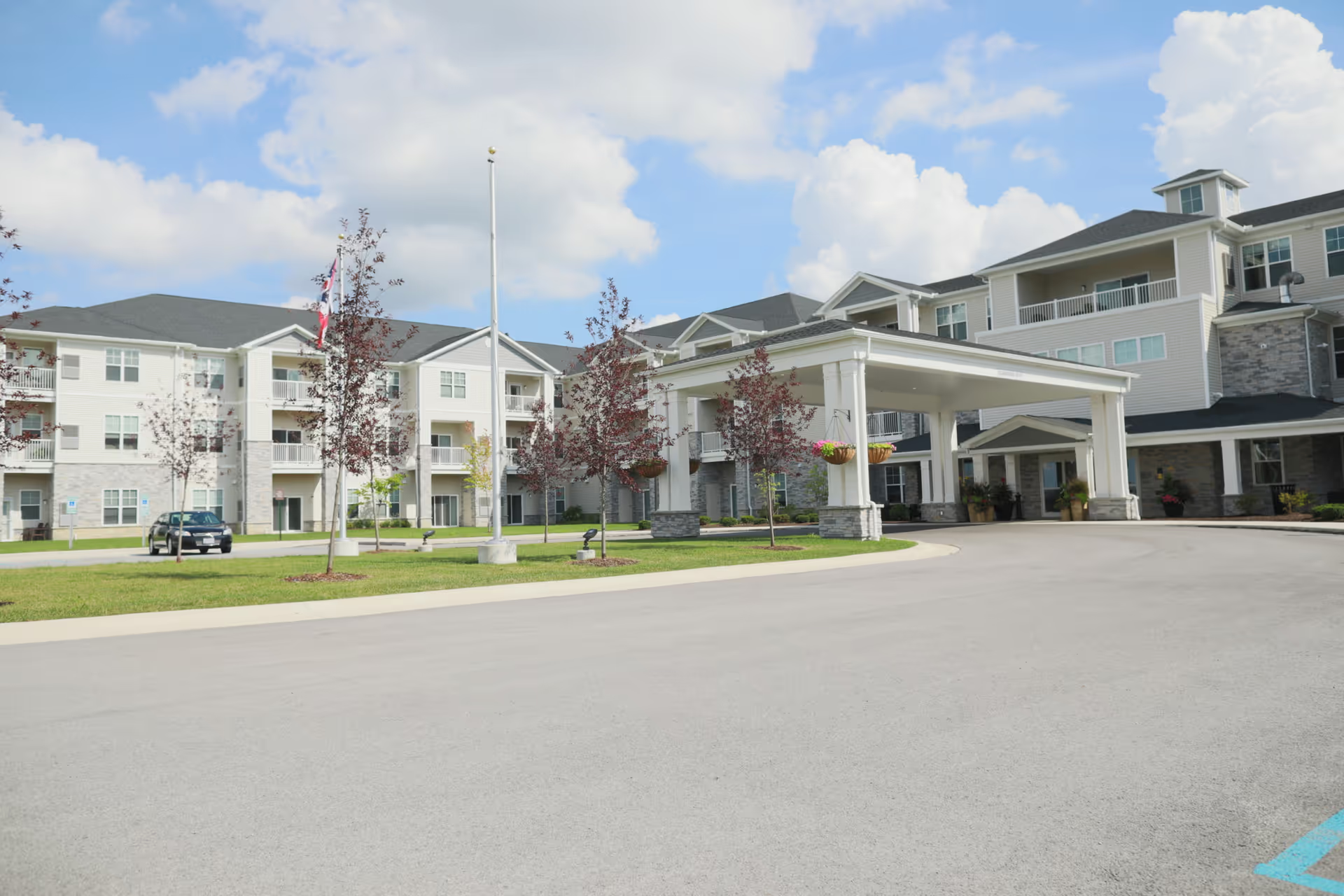
Feedback for Majestic Care of Toledo Assisted Living indicates a mixed operational picture: families praised the professionalism of many caregivers and described high-quality, compassionate personal care for residents, while also raising operational concerns that could affect day-to-day experience and safety.
Care quality at the personal level is commonly described as good — caregivers are seen as professional and capable in providing direct assistance to residents. At the same time, several comments point to gaps in continuous monitoring and responsiveness, particularly during overnight hours. These gaps have been framed as safety and monitoring concerns rather than as isolated administrative issues, suggesting an area for targeted improvement in night-shift coverage and protocols for regular resident checks.
Staffing and staff conduct emerge as an inconsistent area. Positive remarks about professionalism coexist with descriptions of staff being short-staffed and, at times, not as helpful as families expect. This pattern suggests variability between shifts or employees: when staffing levels and supervision are adequate, caregivers perform well; when staffing is constrained, service responsiveness and the perceived helpfulness of staff decline.
Dining service is a recurrent operational concern. Commenters described delayed dinners and late meals tied to short-staffing and workflow problems. This points to an unreliable meal-service schedule that can affect resident comfort and family satisfaction. Prospective families should clarify meal timing, meal-delivery procedures, and contingency plans for staffing shortages during their tour.
There was little specific feedback about activities, communal facilities, or housekeeping in the provided comments. Absence of commentary on these domains does not imply adequacy; rather, it indicates limited data. Families should directly inquire about activity schedules, social programming, dining menus, and the condition of common areas during a visit.
Management and communication implications: the recurring themes — night-shift monitoring gaps, meal delays, and variable helpfulness — suggest opportunities for operational changes such as adjusted staffing patterns, clearer night-shift check protocols, and strengthened training or supervision to standardize resident-facing behavior. For decision-making, families should ask management about staffing ratios by shift, documented overnight check procedures, meal-service routines, and how the facility addresses short-staffing events.