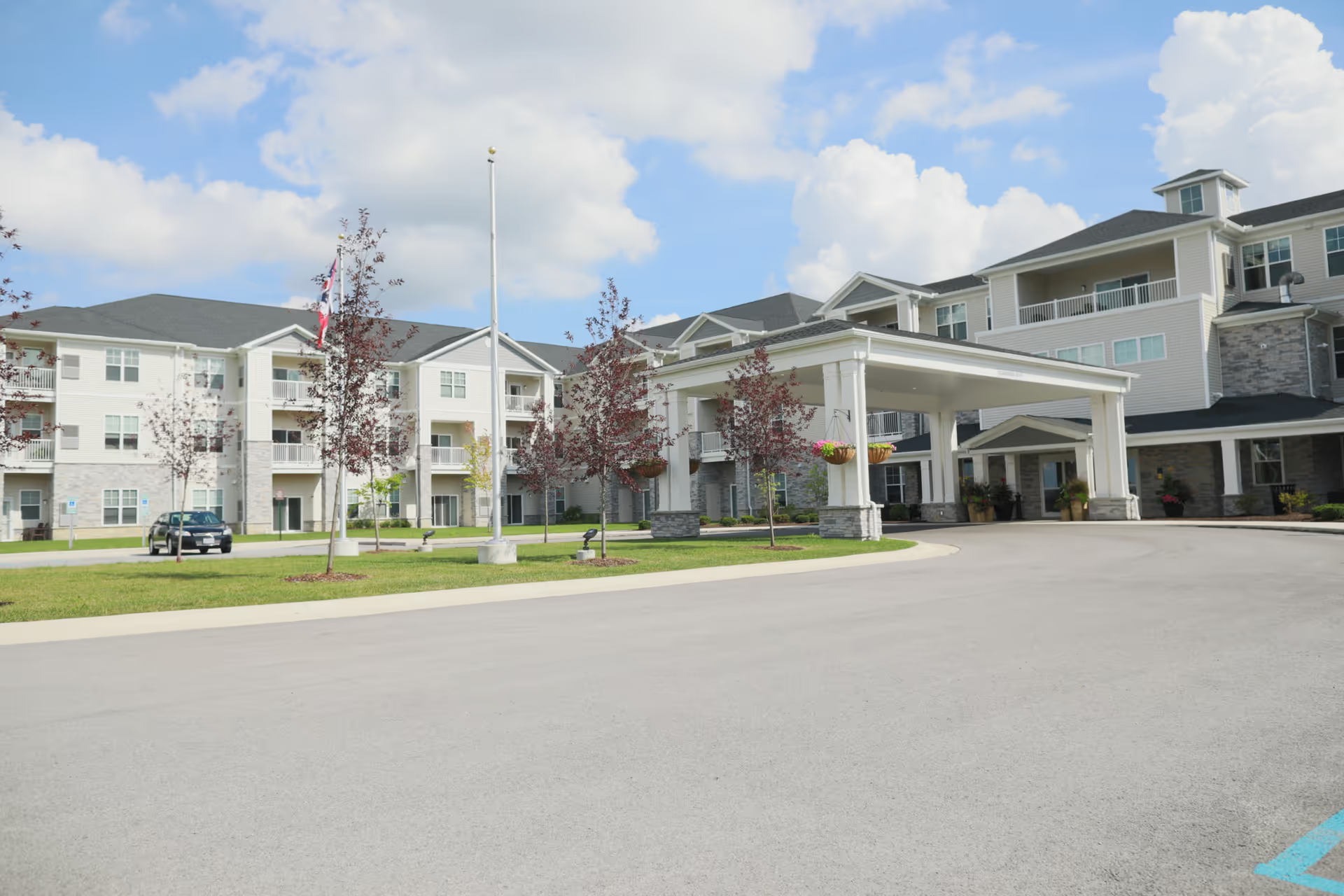
Reviews reflect a polarized picture of care at Old Orchard Nursing and Respiratory Center. Many families and visitors describe a compassionate, committed clinical workforce—particularly respiratory therapists, RNs, and certain nursing leaders—who provide effective ventilator care, dialysis access, and rehabilitation when those services are staffed and available. Multiple accounts praise the activities program, engaging social events, and a welcoming communal atmosphere. Several reviewers also noted measurable improvements in housekeeping, admissions processing, and leadership visibility over time.
At the same time, a consistent pattern of operational weaknesses emerges across the feedback. Staffing instability and high turnover were cited repeatedly and are associated with delayed responses to call lights, inconsistent assistance with activities of daily living, and variability in CNA skill. Several reviewers described prolonged waits for assistance and gaps in clinical oversight; these reports cohere into a facility-level concern about unreliable day-to-day staffing and shift-to-shift continuity.
Communication and care coordination are recurring themes. Families reported gaps in shift handoffs, poor follow-up on care plans, and inconsistent physician availability. Related operational issues include instances of incomplete discharge planning or failure to supply medications and wound-care supplies at discharge. There are also multiple mentions of irregular therapy availability beyond physical rehab, which can limit access to occupational or speech therapies for some residents.
Dining and housekeeping show mixed results. Positive comments reference menu improvements and occasions when food and service were acceptable. Conversely, reviewers describe uneven meal quality and kitchen-staff interactions, along with sanitation and odor-control variability in parts of the building. While some accounts point to meaningful housekeeping improvements, others indicate that standards are not yet consistent across all units.
Safety and property management are notable concerns. Reviewers described incidents involving missing belongings and raised allegations of theft; these accounts suggest gaps in inventory controls and resident-belonging protocols. There were also references to behavioral supervision shortfalls and at least one serious safety-related event that prompted legal attention, which together indicate opportunities to strengthen incident-management, resident supervision, and family communication following adverse events.
In summary, Old Orchard demonstrates clear strengths in specialized respiratory care, on-site dialysis, warm activities programming, and pockets of competent, compassionate staff and leadership. However, persistent operational issues—chiefly staffing instability, inconsistent clinical coverage, communication breakdowns, variable housekeeping and dining experiences, and weaknesses in discharge and belongings management—create uneven care quality. Prospective residents and families should weigh the facility’s clinical strengths and recent improvements against these operational risks, and when possible, discuss current staffing levels, therapy availability, discharge plans, and property-protection protocols with administration before placement.