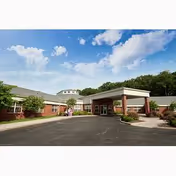
Overall impression: Otterbein Sunset House SeniorLife Community is frequently described as a beautiful, well-appointed campus with strong clinical and hospitality strengths, but reviewers also indicate recurring operational and management challenges. Families and residents commonly praise the caregiving teams, therapy services, dining, and activity programming; however, multiple operational issues — especially around staffing, communication, and infrastructure reliability — appear to affect consistency of care.
Care and staff: Reviewers consistently highlight compassionate nurses, dedicated frontline aides, and effective rehabilitation/therapy teams. Accounts note attentive bedside care, helpful LPN coverage at times, and staff who create a family-like atmosphere. At the same time, there are recurrent concerns about inconsistent staffing levels, staff workload, and resulting delays in attending to residents. Specific clinical gaps described include slow responses to time-sensitive needs, problems coordinating post-discharge logistics, and medication-administration issues. These themes suggest strong individual caregiver performance coexisting with systemic coverage and care-coordination vulnerabilities.
Dining and activities: Dining is a notable strength — many comments describe restaurant-style, country-club dining, attractive plating, frequent menu changes, and a skilled chef who produces meals residents enjoy. Life-enrichment and activities programming is also a positive attribute, with an active calendar of on- and off-campus events and rehabilitative programming that families report as engaging and beneficial. However, reviewers also note occasional interruptions to kitchen service and limited availability of meal supplements, indicating inconsistent meal-service continuity at times.
Facilities and maintenance: The campus and common areas receive consistent praise for aesthetic appeal, historic character, and maintenance of furnishings. Suite-style rooms and spacious living options are highlighted as comfortable and home-like. Offsetting this, reviewers cite infrastructure reliability problems such as inadequate air conditioning, hot rooms, intermittent hot water in showers and sinks, and broken windows. Supply and linen shortages and sanitation concerns in certain areas were also mentioned, suggesting gaps in facilities logistics and environmental maintenance.
Management and operational patterns: A clear pattern emerges of strong frontline teams paired with perceived weaknesses in management and corporate oversight. Families report difficulties with internal communication, perceived unresponsiveness from leadership, and inconsistent administrative follow-through. There are serious operational concerns raised around billing and property handling, including allegations of billing manipulation and personal-property mismanagement; these are significant and merit direct inquiry by prospective families. Pricing is frequently described as high relative to the variability in service consistency.
Practical takeaways for families: Prospective residents and families should weigh the facility’s strengths — exceptional therapy, engaging activities, high-quality dining, and compassionate caregivers — against operational inconsistencies in staffing, clinical coordination, infrastructure reliability, and management responsiveness. Recommended pre-admission questions include current staffing ratios and coverage plans, medication-administration and incident-response protocols, maintenance and HVAC repair schedules, laundry/property-management procedures, meal-service contingency plans, and transparency in billing and financial-assistance policies. Visiting during meal service and an activity period can help assess daily operations and staff–resident interactions firsthand.