The reviews present a highly polarized picture of Aventura at Shiloh Springs: many families and some staff praise strong personal care, therapy outcomes, and a welcoming community, while other accounts raise substantive operational and clinical concerns. Positive coverage emphasizes compassionate nursing and aide attention, effective rehabilitative therapy, a caring dietary team, and a generally clean, well-maintained facility with active maintenance support. Several reviewers singled out admissions staff, individual caregivers, and therapy staff for attentive daily check-ins and successful recovery outcomes, and highlighted organized community events that support resident engagement.
Care quality is described unevenly. Positive experiences note prompt on-call responses and attentive hands-on care that contributed to meaningful rehabilitation. Conversely, other accounts describe lapses in clinical oversight — examples include inconsistent medication administration practices, missed or unperformed pre-administration labs, incomplete documentation of incidents and falls, and hospital transfers following acute events. These contrasts suggest variability in clinical reliability across shifts or units rather than a uniform level of clinical practice.
Staffing and conduct are recurring themes. Many reviewers praise individual staff members and describe a family-like culture; others raise concerns about staff professionalism, tone, gossip, and an unhelpful social-work presence. There are also allegations of privacy/PHI breaches and more serious allegations involving property and conduct; such claims indicate potential gaps in staff training, supervision, and accountability. Staffing instability — including use of agency personnel and reports of reduced scheduling — is cited alongside praise for committed long-term employees, pointing again to uneven staffing patterns.
Dining and activities receive mixed feedback. The dietary team is frequently described as caring and capable of producing appealing meals, and activities are noted for being engaging and community-oriented (holiday events, parties, bingo, and family participation). At the same time, reviewers cite inconsistent portion sizes, delayed beverage service, and uneven food quality as operational issues that affect resident satisfaction.
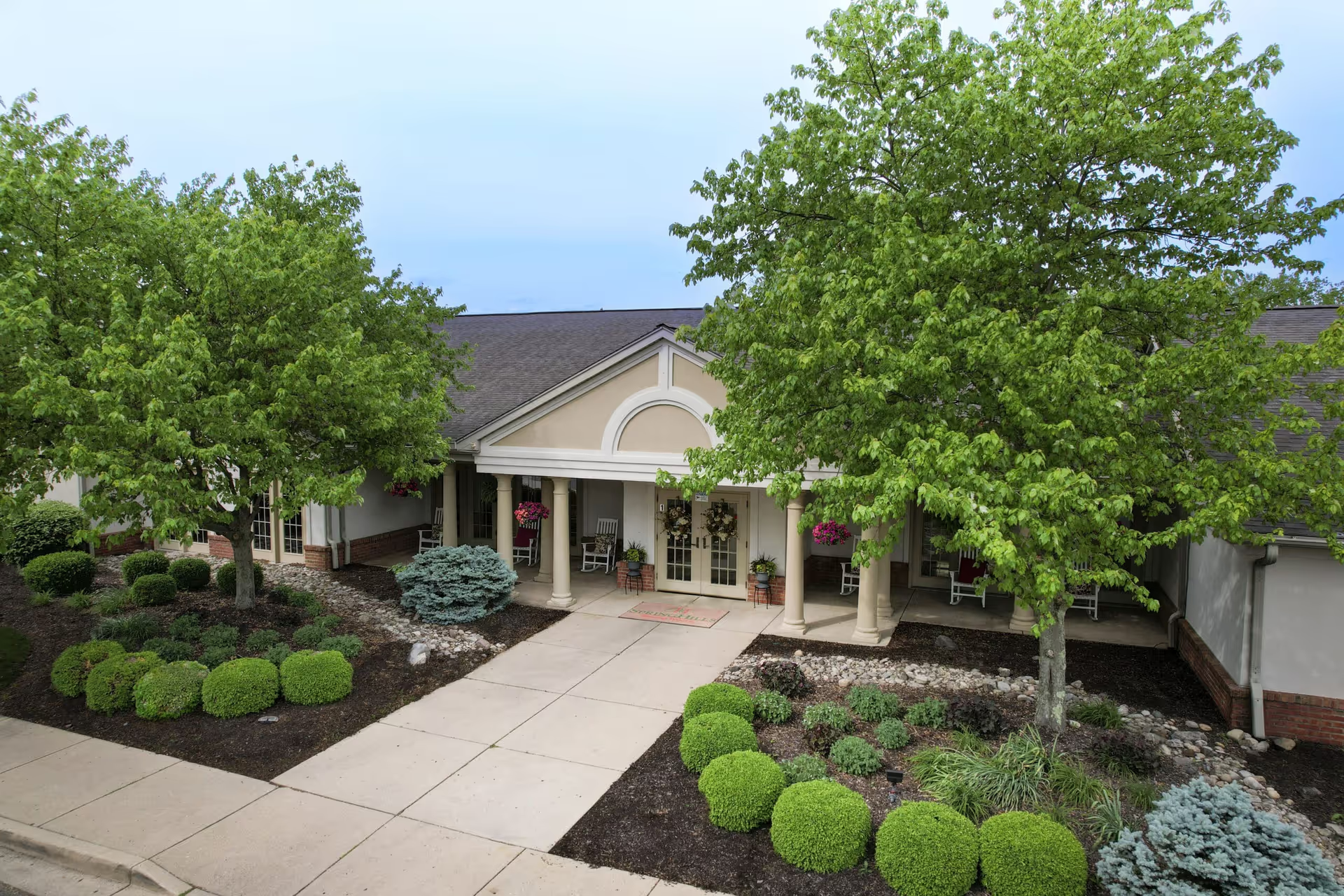
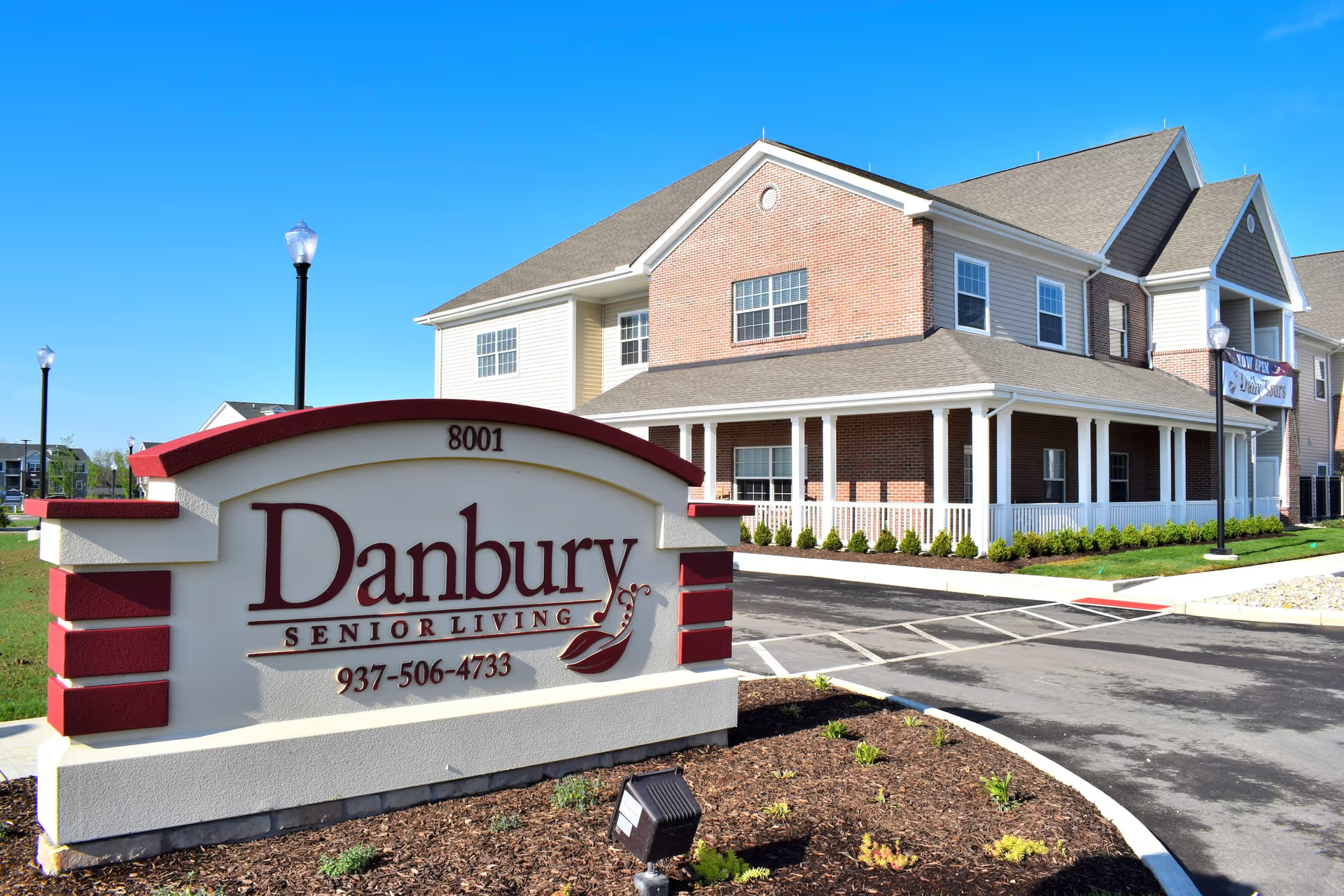
Facility and maintenance observations are similarly mixed. Many reviewers report a clean environment and responsive maintenance service, while others note specific maintenance delays, pest-control concerns in some units, and isolated issues with apartment fixtures and climate control. Communication infrastructure gaps (for example, limited in-room phone availability) and security concerns (allegations of theft) were also raised.
Management and corporate oversight appear to contribute to divergent experiences. Several reviews commend an engaged, communicative administration and helpful admission processes; other reviews describe poor follow-up from directors or clinical leadership, perceived cost-cutting affecting staffing and meal services, and weak accountability when serious concerns arise. There are also references to differing policies on infection control and vaccinations that affected family trust.
Overall, the pattern is one of strong individual caregivers and program strengths coexisting with operational inconsistencies. Prospective residents and families should weigh the facility’s demonstrated strengths in rehabilitation, some highly rated staff members, and community activities against reported variability in clinical oversight, responsiveness, staffing stability, and management follow-through. When considering placement, ask specific questions about current staffing patterns, medication-administration and documentation protocols, infection-control/vaccination policies, grievance and privacy-protection procedures, and recent quality reviews or corrective actions to clarify whether operational weaknesses have been addressed.