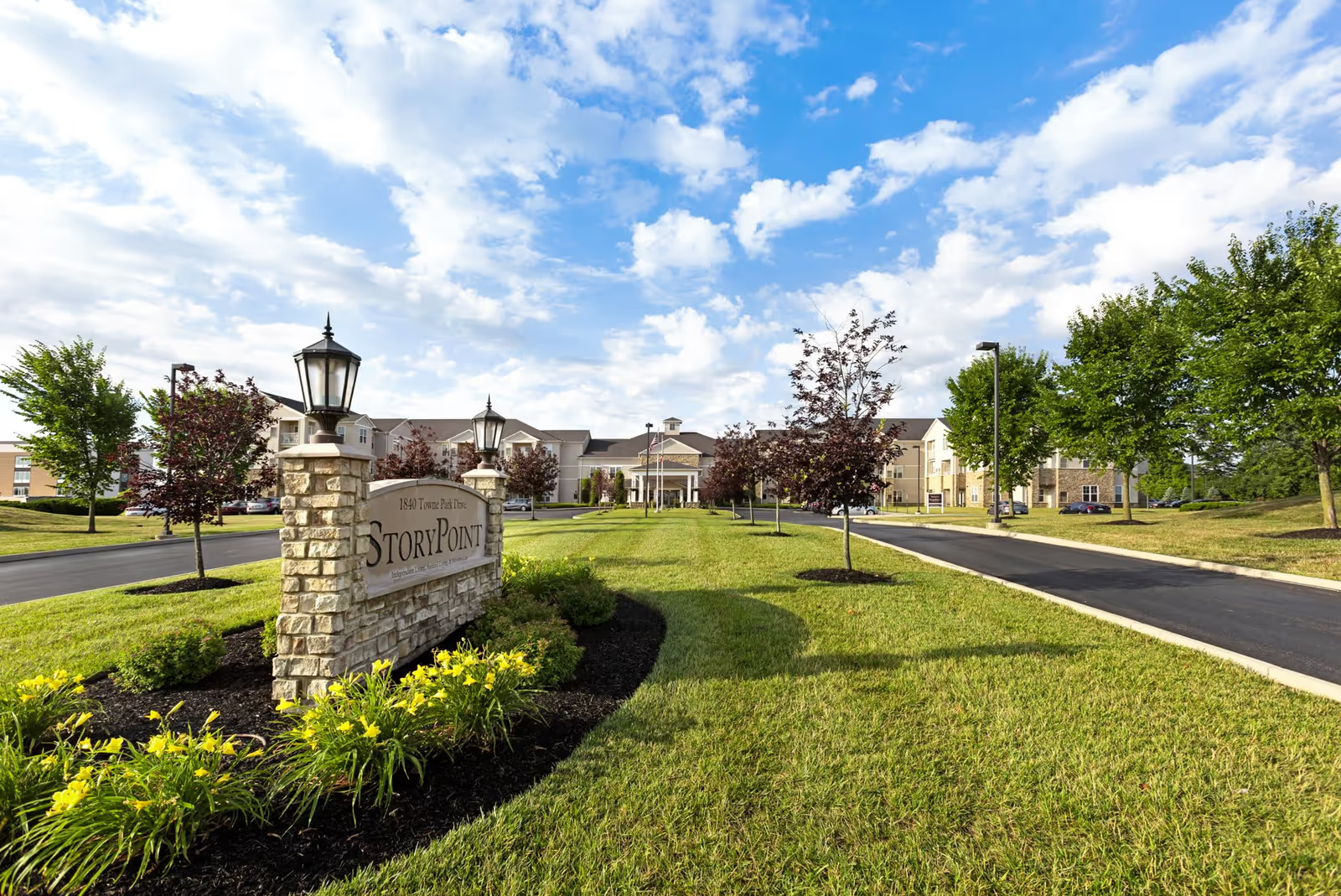
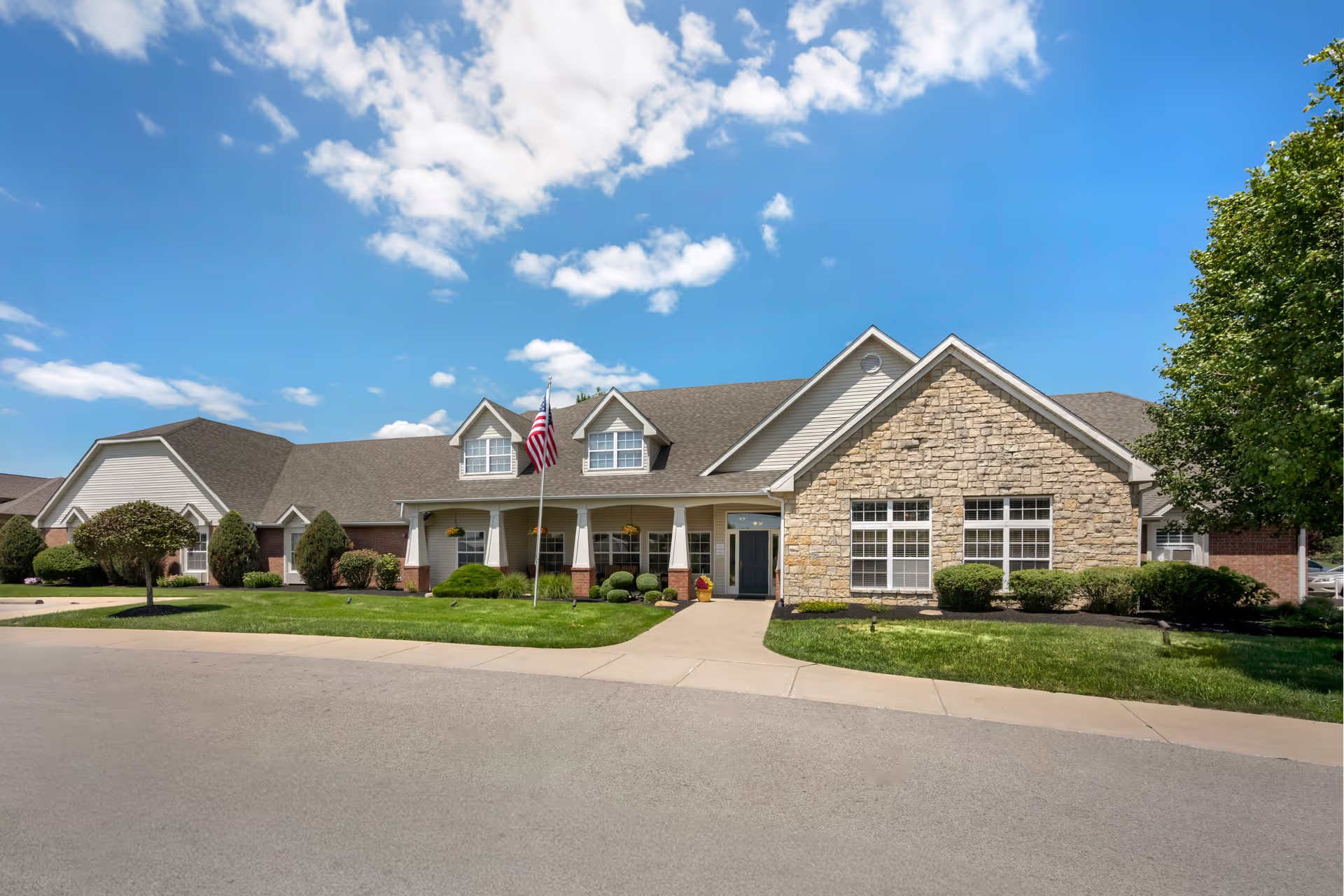
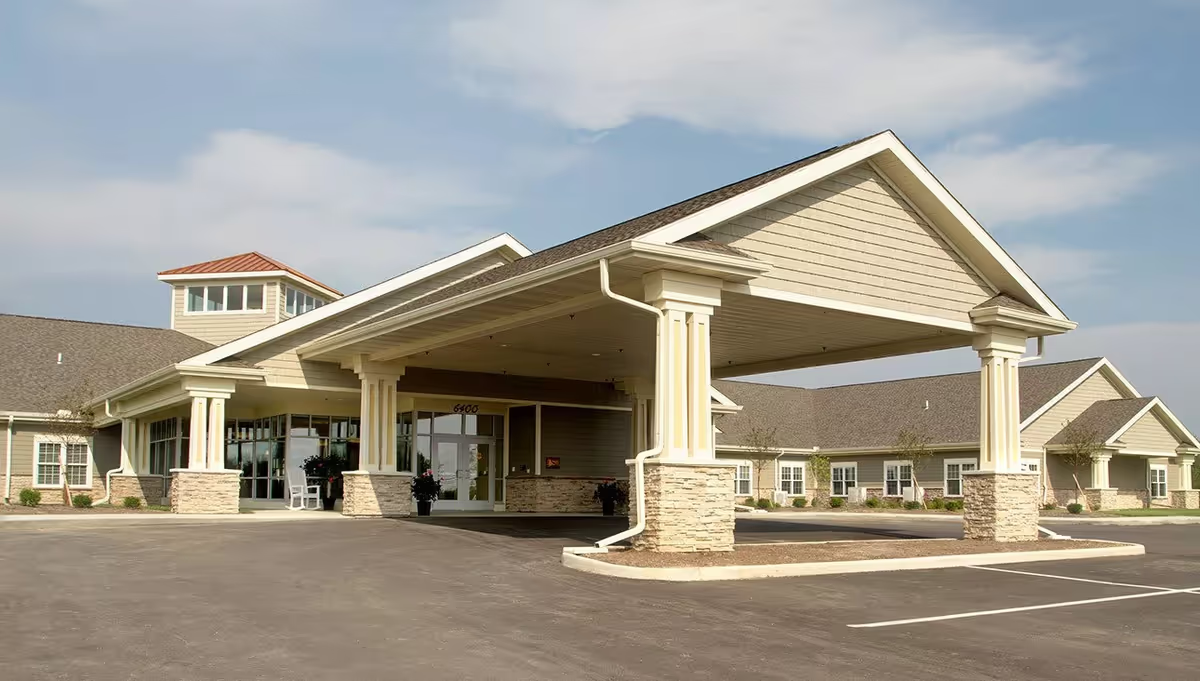
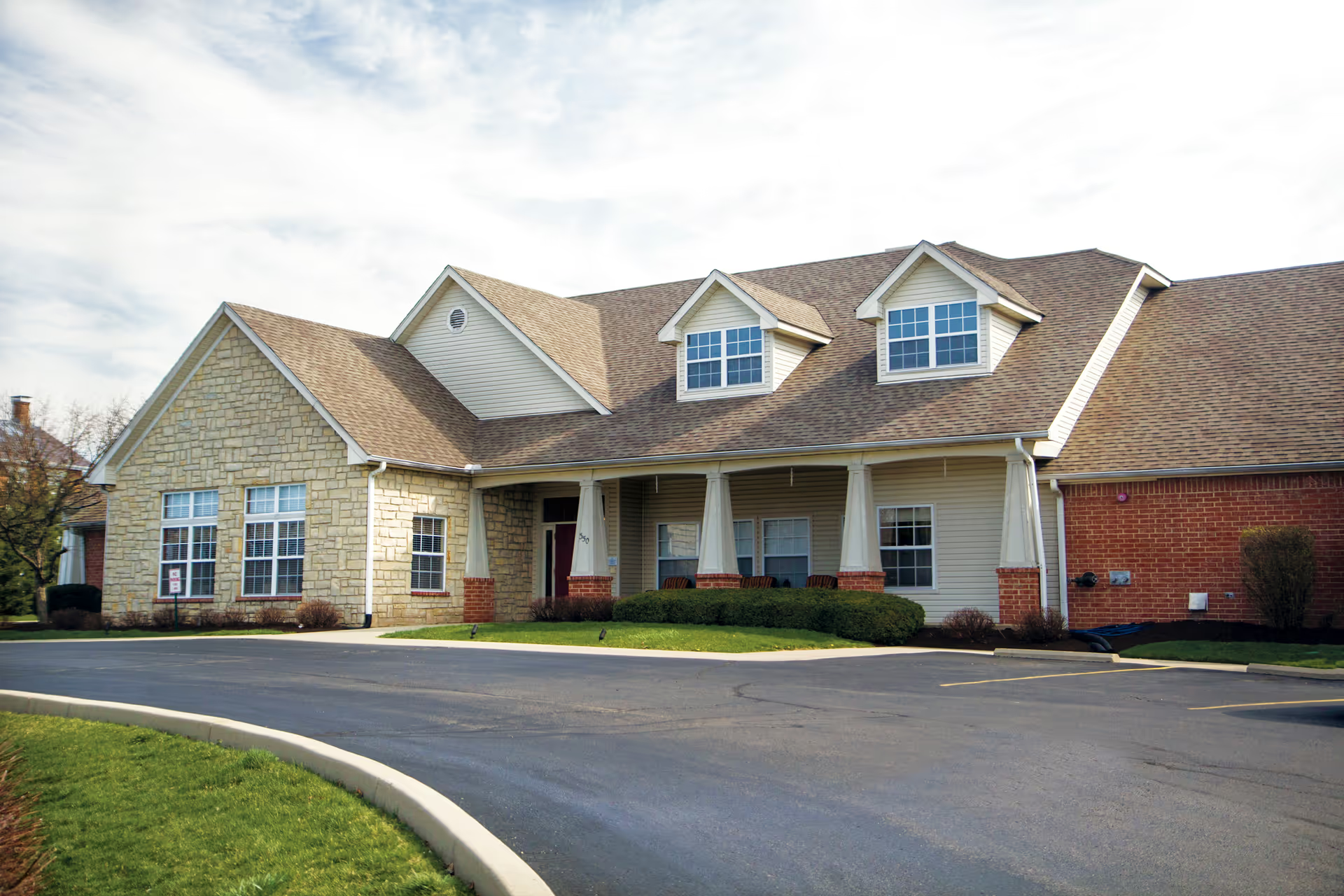
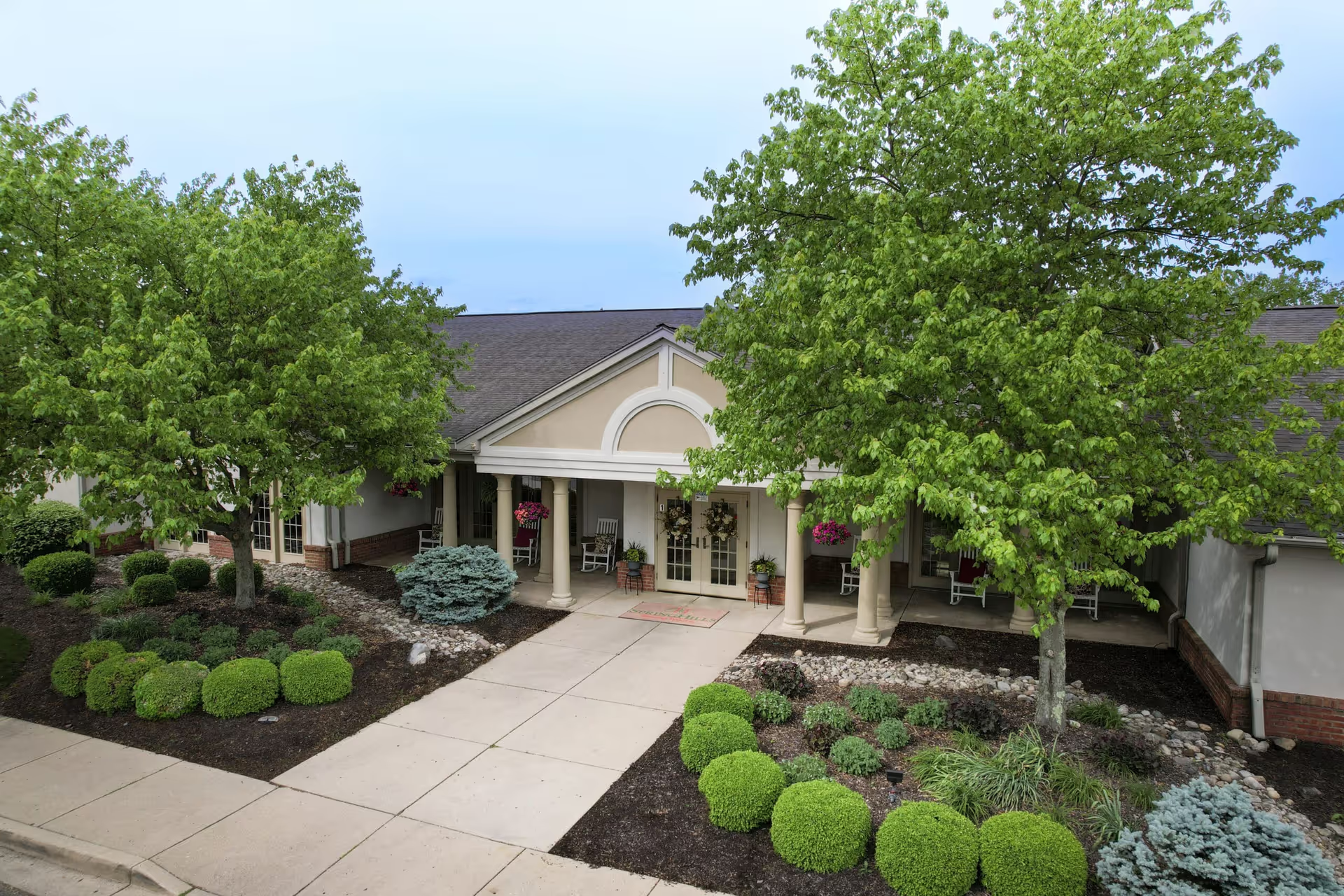
The Courtyard at Troy presents a mixed picture. Many accounts describe a small, close-knit environment with staff who provide warm, family-like interactions, prompt emergency response, and compassionate nursing — including positive notes about end-of-life care and quick communication with families. The property also receives praise for maintained grounds, accessible entryways, active programming and outings, supervised dining activities, and some recent interior upgrades. These elements make the setting attractive to families seeking a smaller, community-oriented residence where staff are reachable and social opportunities are available.
Care and staffing are the most polarizing areas. Positive descriptions emphasize attentive nurses, engaged aides, and administrators who communicate proactively with families. Conversely, there are repeated operational concerns: high turnover, reliance on agency staff, and inexperienced caregivers. These patterns are associated with inconsistent day-to-day service, variable caregiver assignments, and gaps in clinical oversight. Reviewers linked those staffing inconsistencies to delayed checks and insufficient supervision during personal care and mealtimes, which raises concerns about resident safety during routines that require close monitoring.
Dining experiences also vary. Several reviewers praised tasty meals, a pleasant dining room atmosphere, and supervised communal meals with activities such as live music. At the same time, others described interruptions in meal delivery, inconsistent scheduling, extra charges for meal delivery, and cleanliness issues in the dining process (including dirty dishes and sanitation concerns). These mixed reports suggest that dining quality and service reliability may depend heavily on staffing levels and shift coverage.
Activities and facilities receive generally positive comments: there are frequent social programs, outings, and a welcoming atmosphere in many areas. However, facility condition appears uneven. Some units and common areas are described as clean and recently updated, while other parts are characterized as dated or cramped. Reviewers also raised pest-control concerns and inconsistent housekeeping or laundry schedules, indicating variability in environmental maintenance.
Management and administration are another area of contrast. Several families commend administrators for responsiveness, empathy, and effective communication. In parallel, there are reports of billing errors, leadership turnover, and personnel changes that have disrupted continuity. These administrative inconsistencies may exacerbate the operational problems noted above (staffing, meal service, housekeeping).
Overall, The Courtyard at Troy tends to offer a small, community-oriented experience with strengths in family communication, compassionate caregivers, programming, and accessible grounds. At the same time, consistent delivery of care and services appears uneven, largely linked to staffing stability and administrative consistency. Prospective residents and families should tour the facility, observe staffing levels during mealtimes and activities, ask about caregiver continuity and use of agency staff, review meal-service and laundry schedules, inquire about pest-control and housekeeping protocols, and request clarification of billing procedures and recent leadership changes before making a placement decision.