Reviews present a polarized but consistent pattern: many families and residents describe a warm, family-like culture with strong therapy outcomes and engaging programming, while other accounts point to operational weaknesses that interfere with reliable day-to-day care.
Care quality is described in mixed terms. Positive accounts highlight effective OT/PT/ST services, strong outpatient therapy follow-up, and rehabilitation progress that improved mobility and independence. At the same time, several reviews cite delays in medication administration and inconsistent attention to basic personal-care needs (assistance with bathing, dressing, feeding, repositioning and incontinence care). Pain-management coordination and continuity of rehabilitative plans are also raised as areas where lapses can blunt recovery gains.
Staffing and staff conduct are central themes. A substantial number of comments praise compassionate, attentive nurses, STNAs, and activities staff who know residents by name and create a supportive environment. Named staff and memory-care personnel received particular commendation. Conversely, other reports describe variability in responsiveness, tone, and follow-through from frontline staff and supervision, and indicate moments when staffing levels did not meet resident needs.
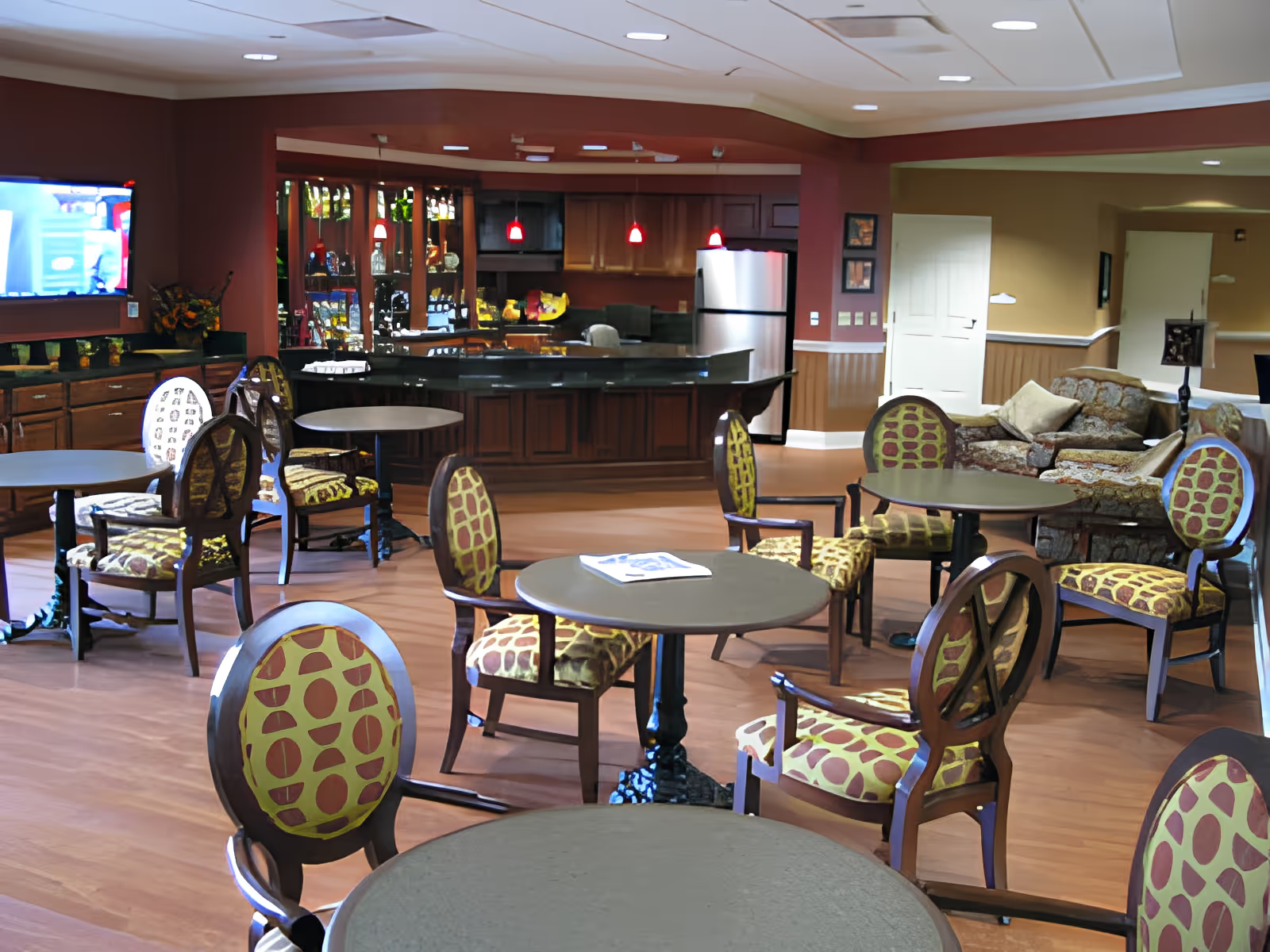
Dining and activities are generally described positively. Many reviewers enjoyed the food, noted attractive menu options (including fine-dining selections), and praised an active calendar with trivia, bingo, caroling and other programs. However, reviewers also mentioned inconsistent meal service — including temperature control and variety — that can diminish the dining experience when service issues occur.
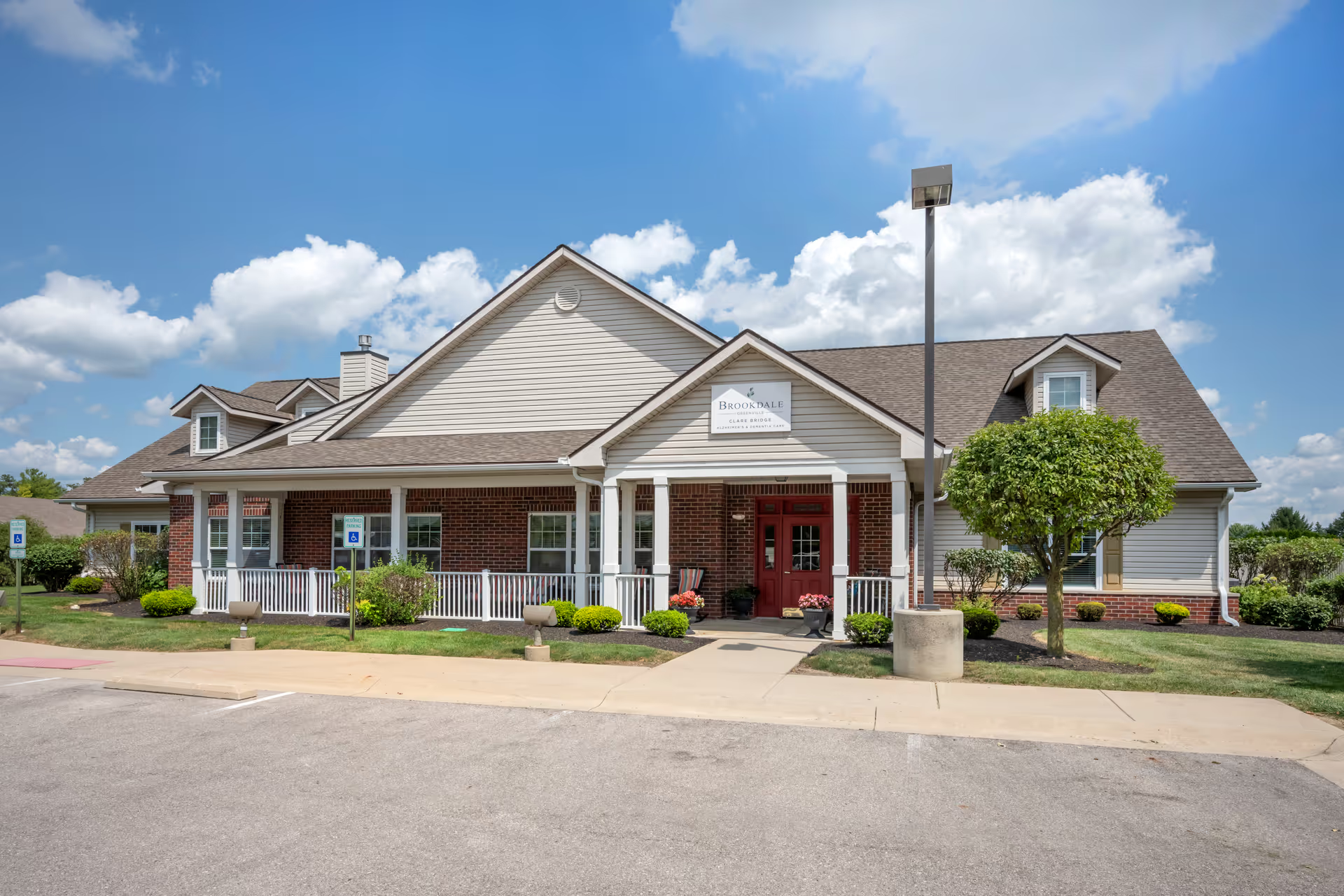
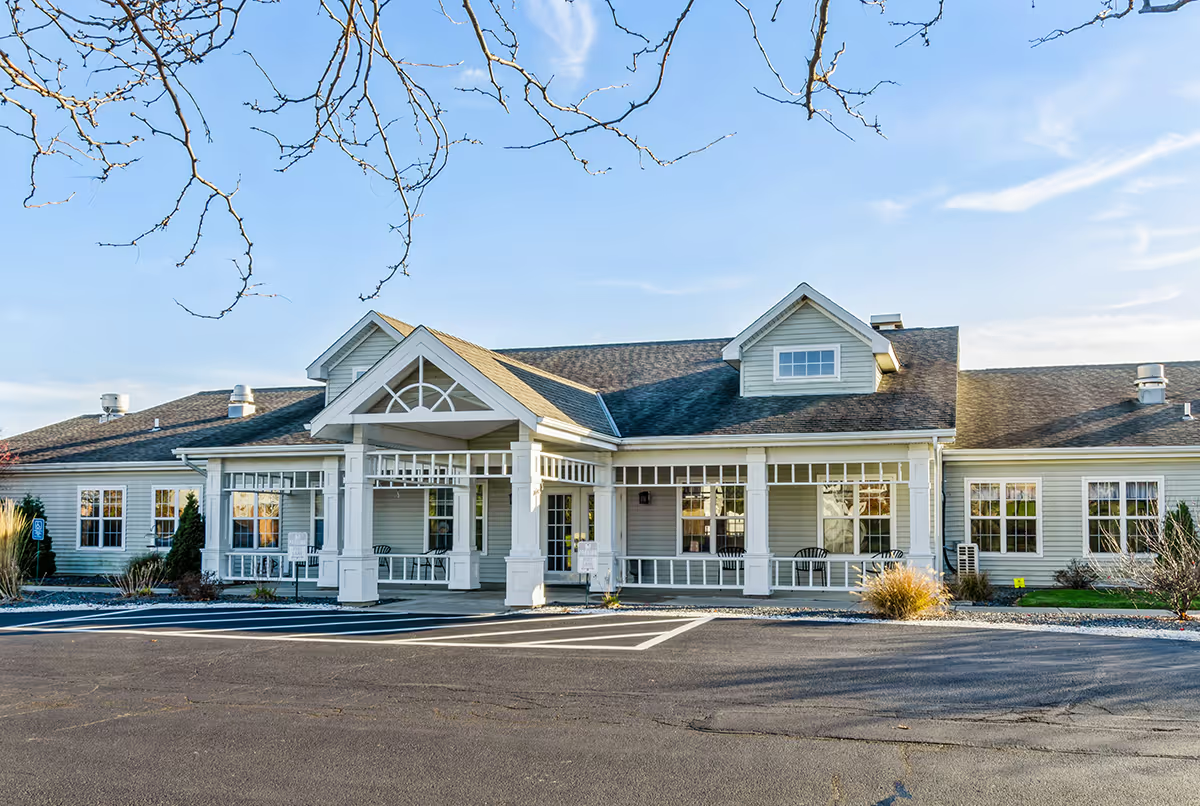
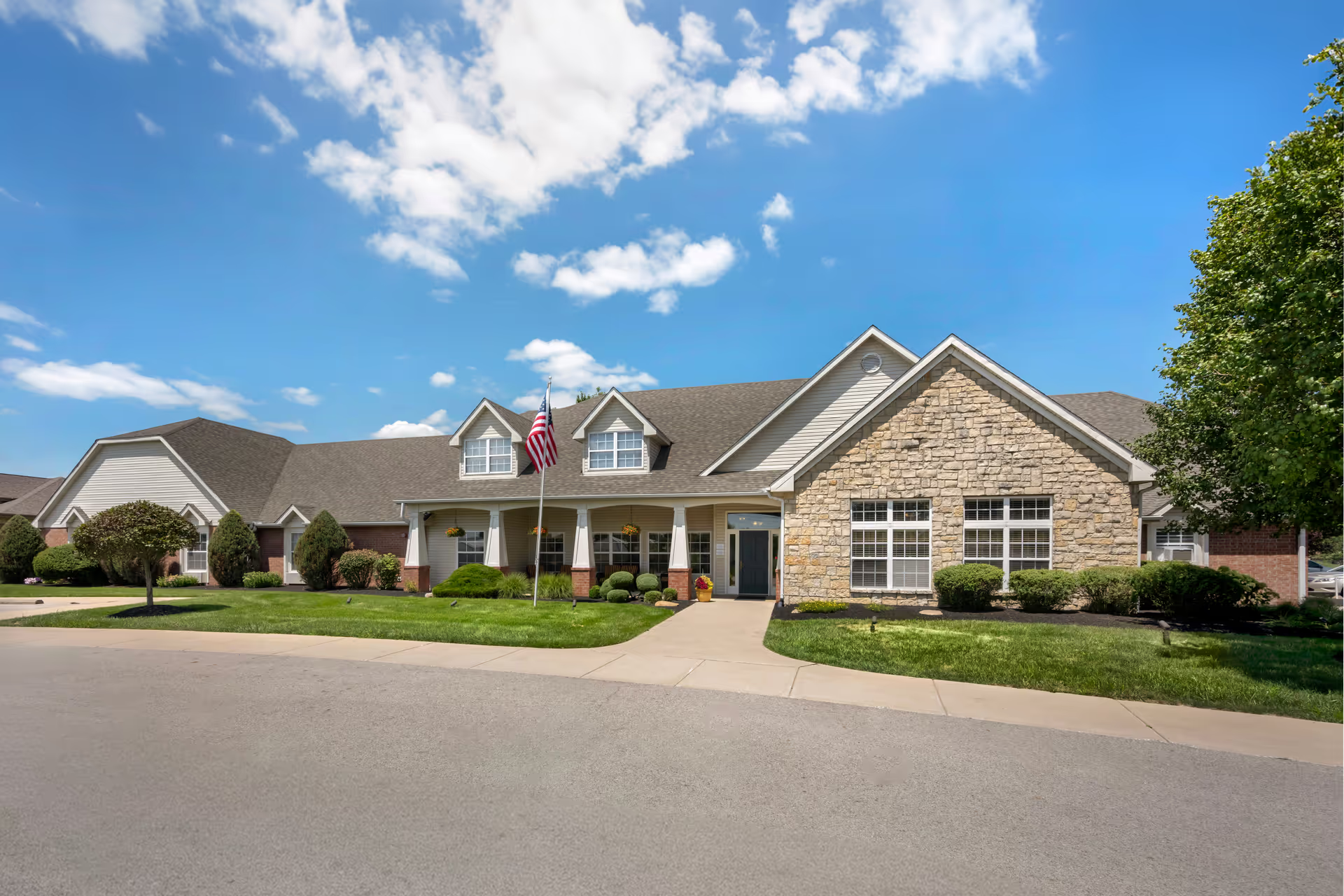
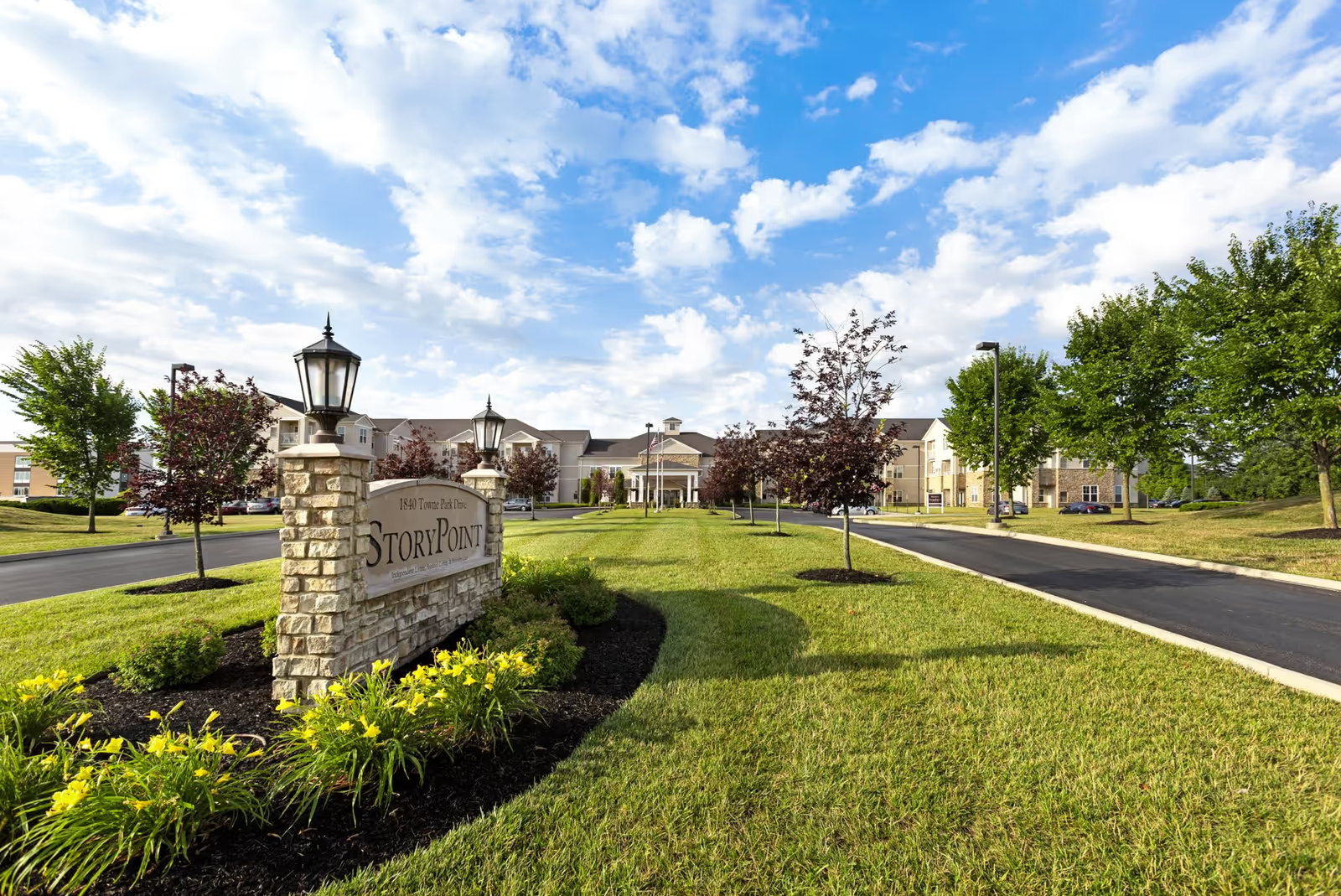
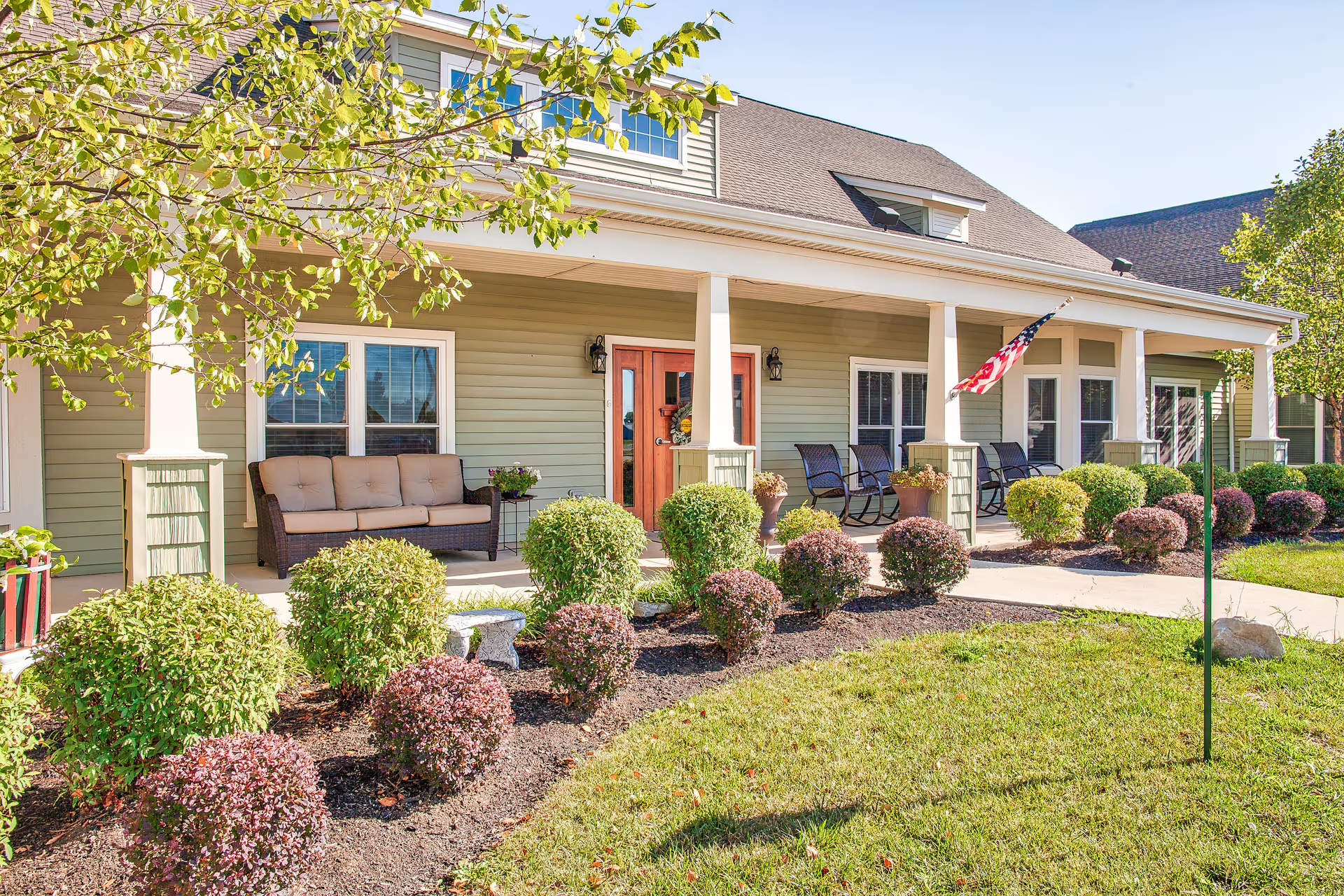
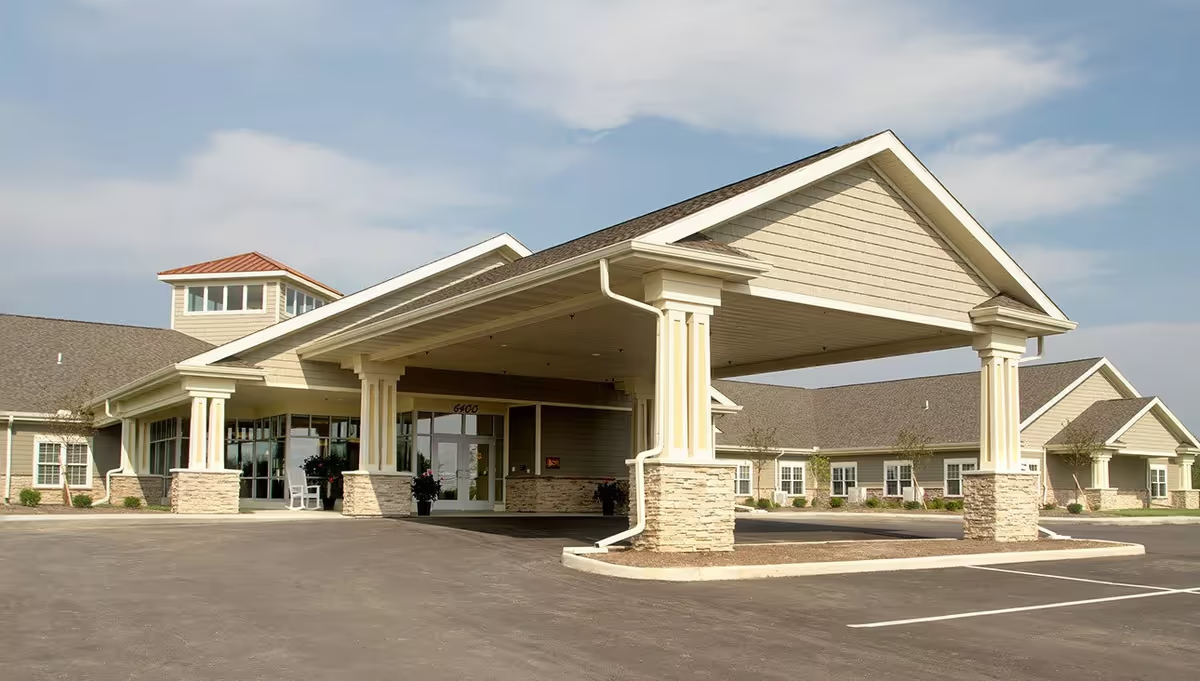
The facility and amenities are frequently described as clean, well-kept, and pleasant, with a homey atmosphere and accessible grounds. At the same time, a subset of comments flagged sanitation and odor concerns in certain areas and noted requests for outdoor access or environmental adjustments (for example, tree trimming).
Management and communication show mixed impressions. Some families report quick resolution of problems, encouragement of family involvement, and clear admissions support. Others describe difficulty reaching leadership, an unresponsive concern line, or insufficient follow-through from supervisory staff. There is also an isolated but notable concern about public-facing social-media content that some found objectionable and wanted addressed.
Notable patterns are the facility’s variability: strong therapeutic and social programming alongside recurring operational challenges, primarily around staffing consistency, medication timeliness, basic personal-care reliability, and complaint-response processes. Prospective residents and families may benefit from targeted questions during a tour — staffing ratios on the intended unit, protocols for medication administration and pain control, bathing and repositioning schedules, dining-service practices, availability of spiritual services, and the facility’s procedures for handling family concerns and public-content oversight — to clarify how the facility is operating on the specific unit and shift they would experience.