The reviews for Aventura at Walton Hills present a strongly mixed picture, with distinct clusters of positive and negative experiences. Many families and residents praise the facility for compassionate clinical staff, effective rehabilitation services, attractive common areas, and proactive administrative communication. At the same time, a substantial subset of comments outlines operational weaknesses that raise concerns about consistency and safety.
Care quality shows polarity. Positive accounts describe attentive, skilled caregivers and therapy teams who deliver effective rehab and keep families informed. Conversely, other accounts indicate lapses in clinical controls — particularly around medication management, timely assistance, and personal-care routines — that have resulted in delayed care responses and serious wound-care concerns for some residents. These differing narratives suggest inconsistency in day-to-day clinical performance rather than uniformly strong or poor care.
Staffing and the workforce environment are central themes. Numerous reviewers commend individual caregivers and leaders for professionalism, compassion, and dedication; admissions and leadership staff receive repeated positive mention for responsiveness and coordination. However, many comments point to chronic staffing shortages, high workload, and elevated turnover, which reviewers link to delays in care, variable continuity, and inconsistent resident attention. There are also recurrent concerns about communication tone and conduct during stressful interactions.
Dining and activities are similarly mixed. The facility earns praise for an active calendar, special events, and a sense of community; therapy and recreational programming are often described as engaging. Dining feedback ranges from favorable (varied, fresh meals) to critical (inconsistent temperature and quality). Families looking for strong social programming will likely find strengths here, while those prioritizing consistent meal service may want to verify current kitchen procedures.
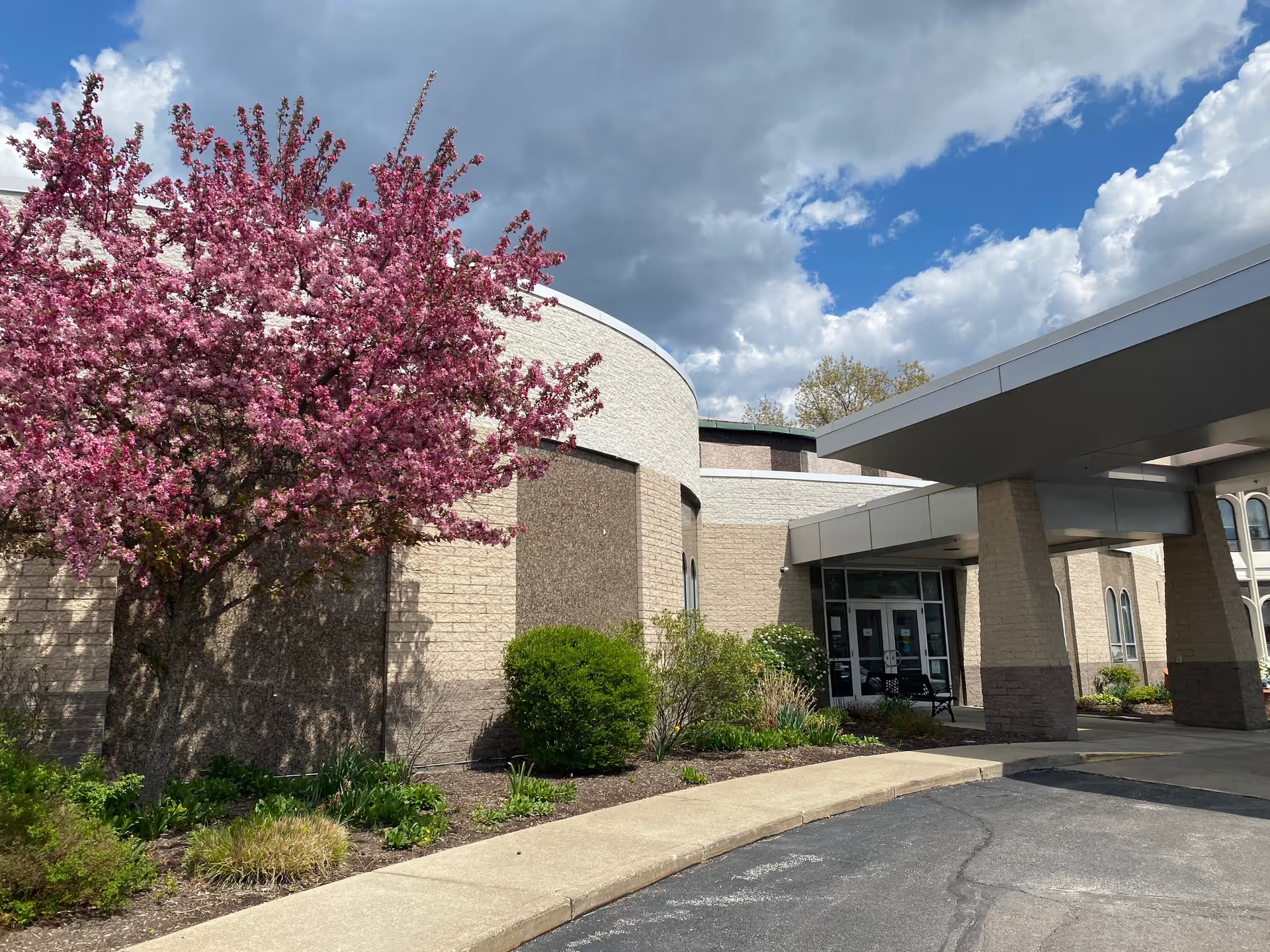
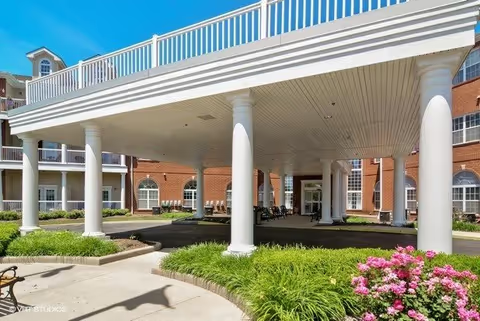
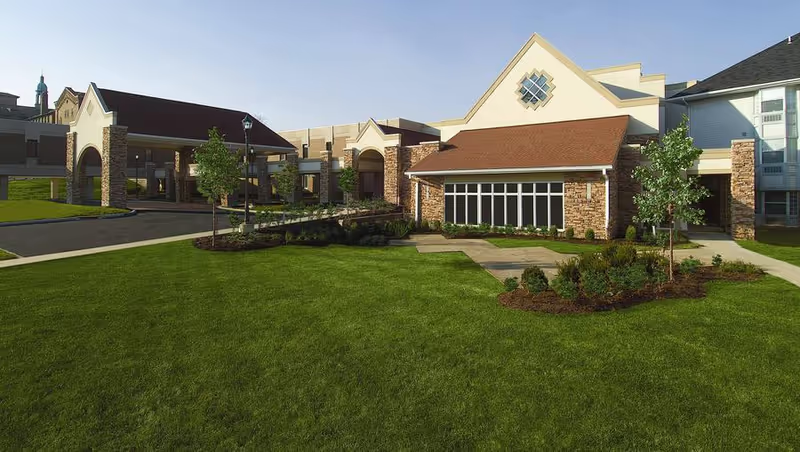
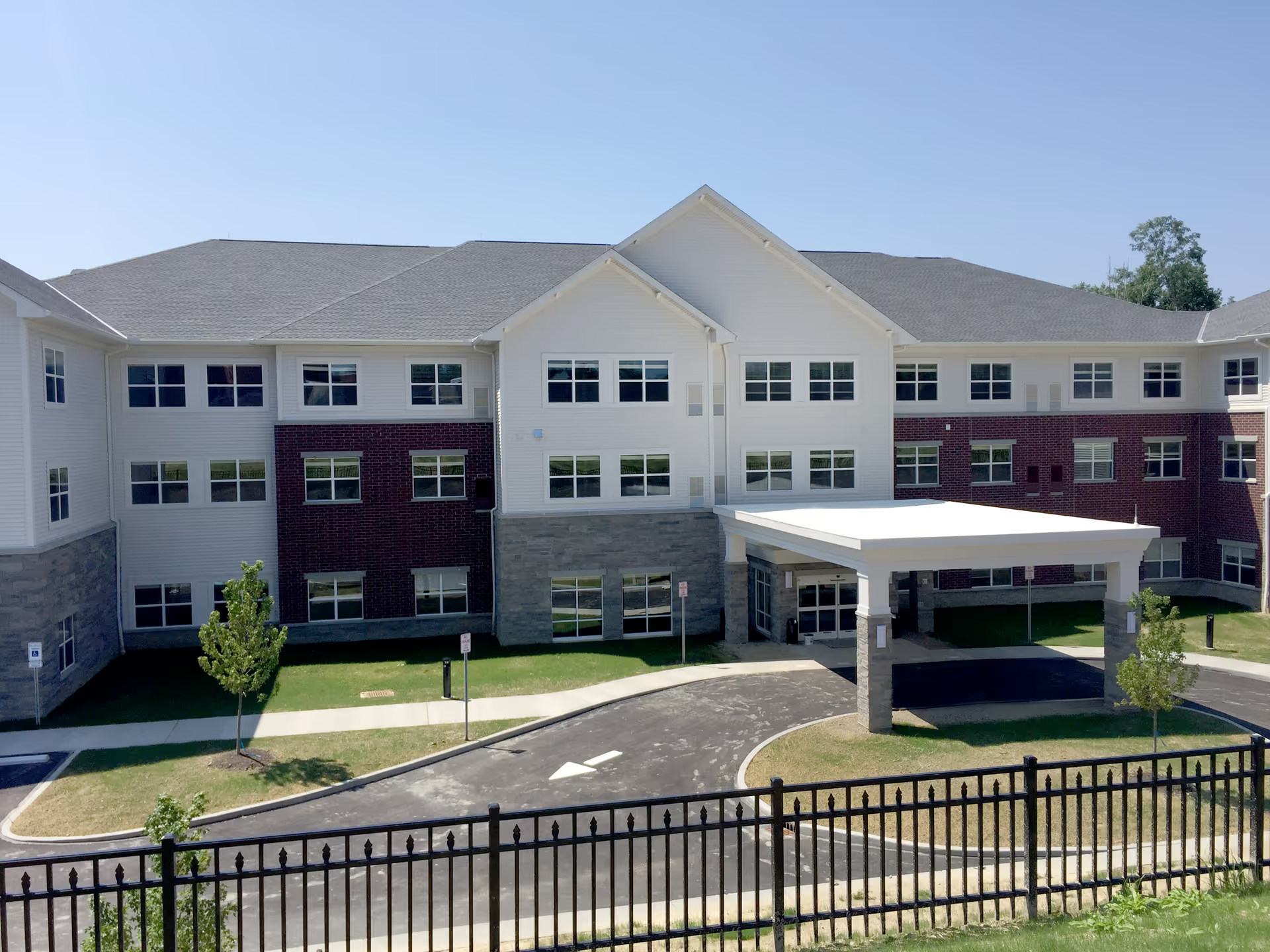
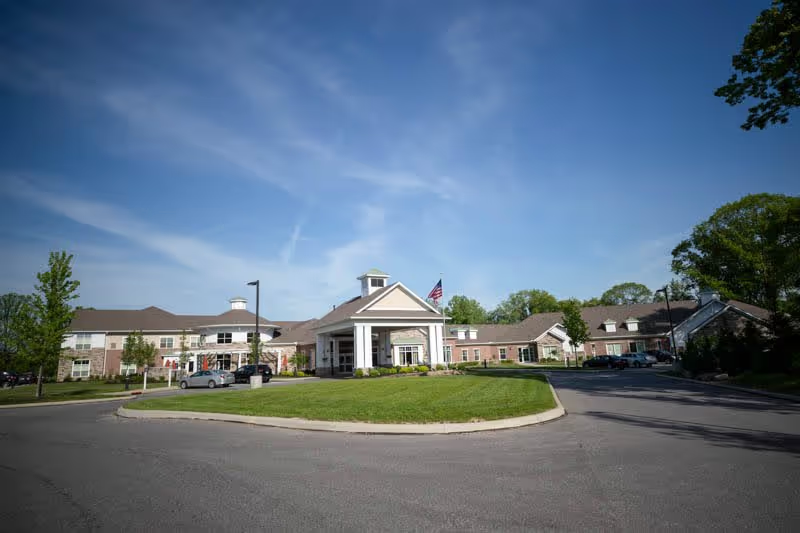
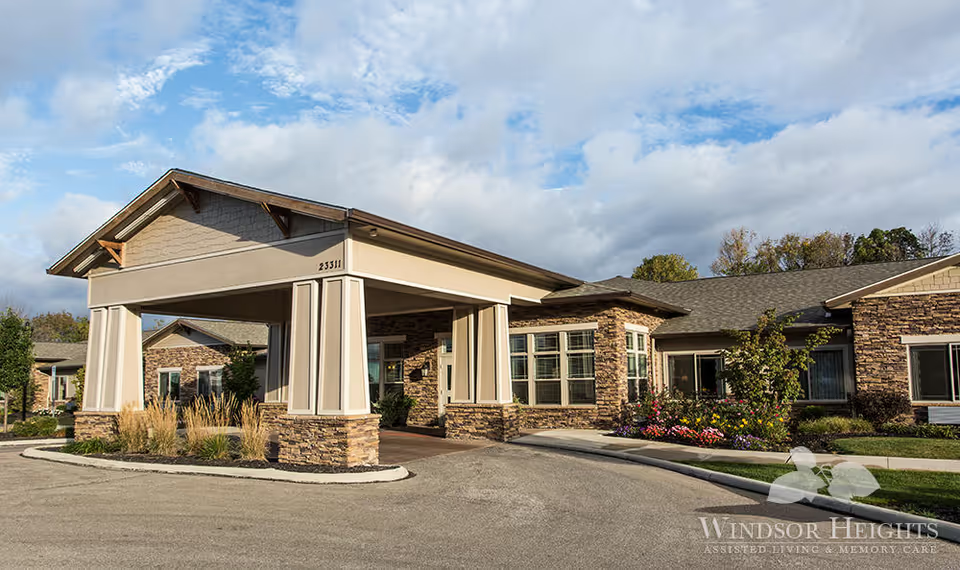
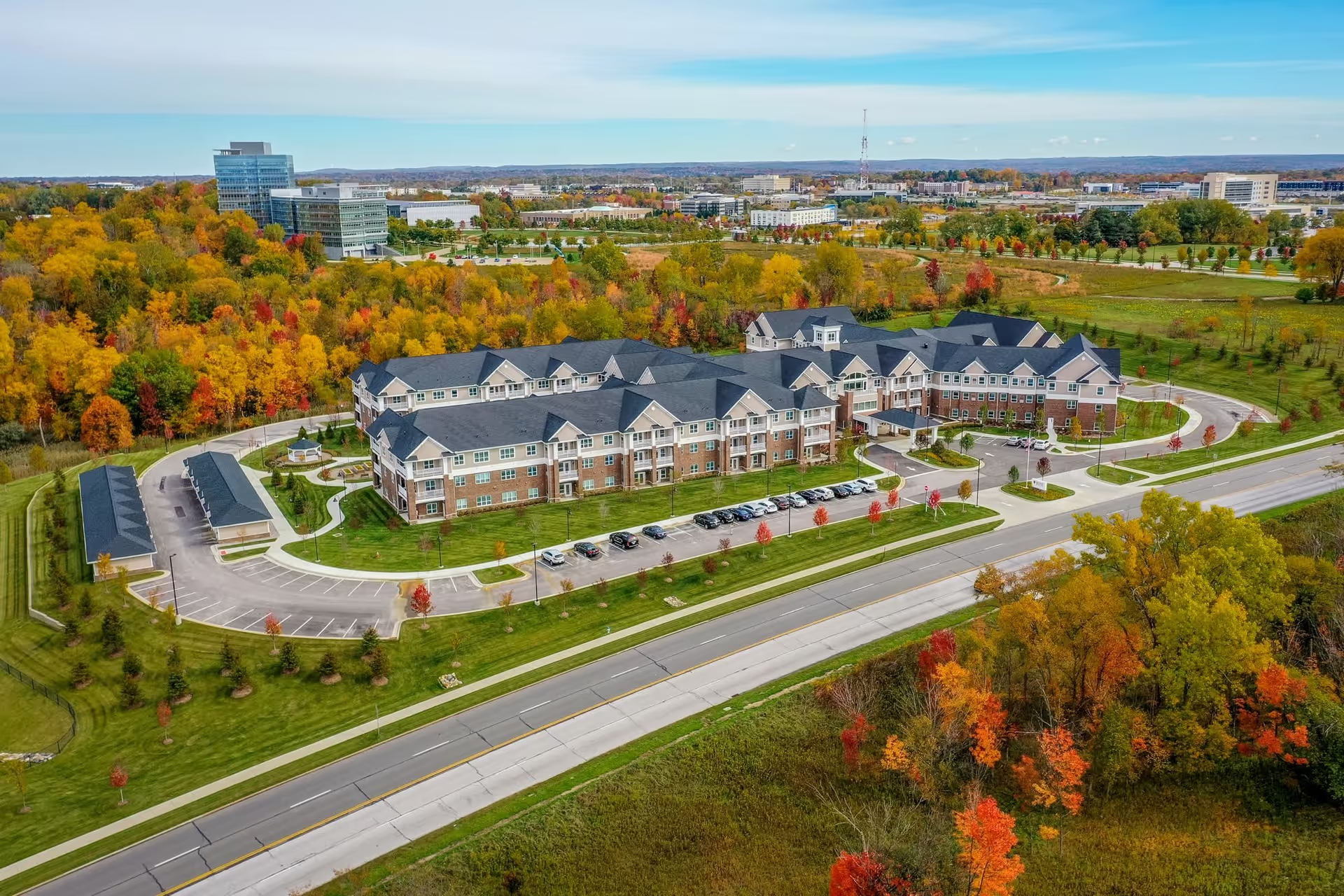
Facility condition and safety are described in largely positive terms with respect to building design, room size, and outdoor spaces; many reviewers find the environment attractive and well maintained. At the same time, several operational issues were raised: sanitation and odor-control inconsistencies in certain areas, pest-control concerns, equipment or furniture maintenance delays, unlocked doors and security process gaps, and occasional records-management lapses. Together these suggest the facility maintains a generally pleasant physical plant but has pockets of maintenance and process risk that require attention.
Management and administration receive both commendation and critique. Multiple families praise quick responses from admissions and executive leadership and describe smooth admissions and transfer experiences. Yet persistent operational complaints — including phone-system hold times, documentation errors, financial/property-security concerns, and uneven front-line supervision — point to areas where administrative processes and oversight could be strengthened. Prospective residents and families should weigh the facility’s clear strengths in staff compassion, therapy, and environment against documented variability in staffing, medication controls, sanitation consistency, and maintenance. Visiting the unit, asking about current staffing ratios, medication-safety protocols, pest control, incident reporting, and recent corrective actions will help clarify whether the facility’s prevailing environment matches a family’s expectations and care needs.