Overall impression: Reviews present a mixed picture. Several comments praise the facility environment and highlight a notably strong physical therapy program and a number of highly competent nurses; at the same time, reviewers describe significant variability in day-to-day clinical experience that affects overall care reliability.
Care quality and clinical issues: Strengths cited include an effective PT department and dedicated night-shift nursing staff who are described as attentive and skilled. Conversely, reviewers note inconsistent nursing performance between shifts, with specific concerns about the timing and accuracy of medication administration. There are also accounts that describe failures in communication and escalation of clinical concerns; one set of comments includes allegations of medication errors and a hospitalization following perceived gaps in care. Together these suggest a need for more consistent clinical oversight, stronger medication-management controls, and clearer escalation protocols.
Staff and management: Staff impressions are polarized. Many families described individual staff members as compassionate and capable, while others reported instances of discourteous conduct and poor communication tone from some personnel. This pattern points to variability in professionalism and suggests uneven training, supervision, or cultural consistency across shifts. Reviewers imply that management responsiveness and transparency could be improved, particularly around incident reporting and family communication after clinical events.
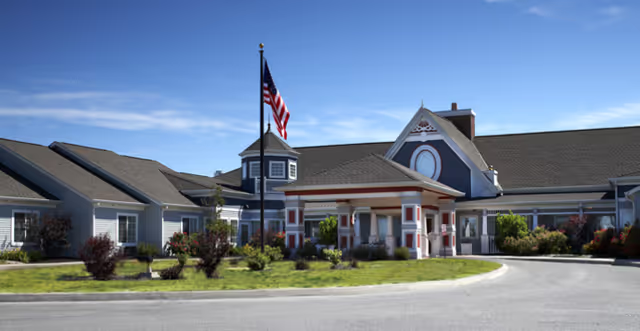
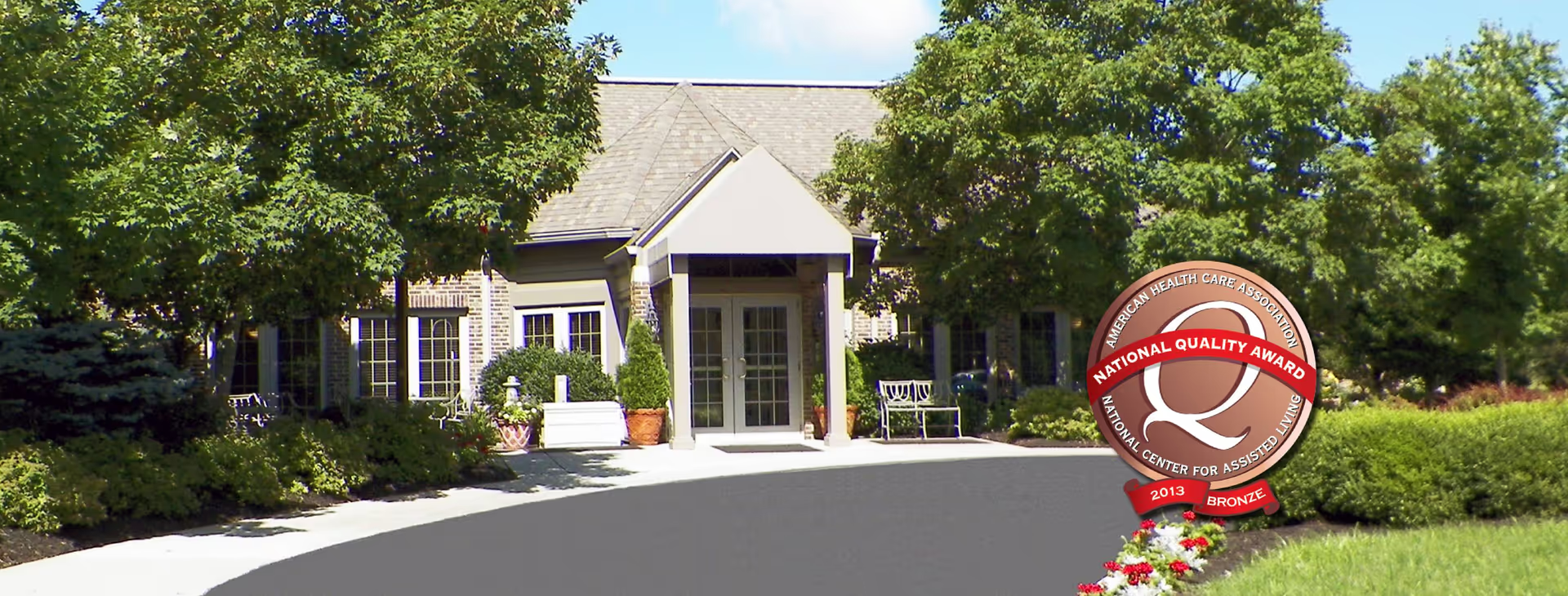
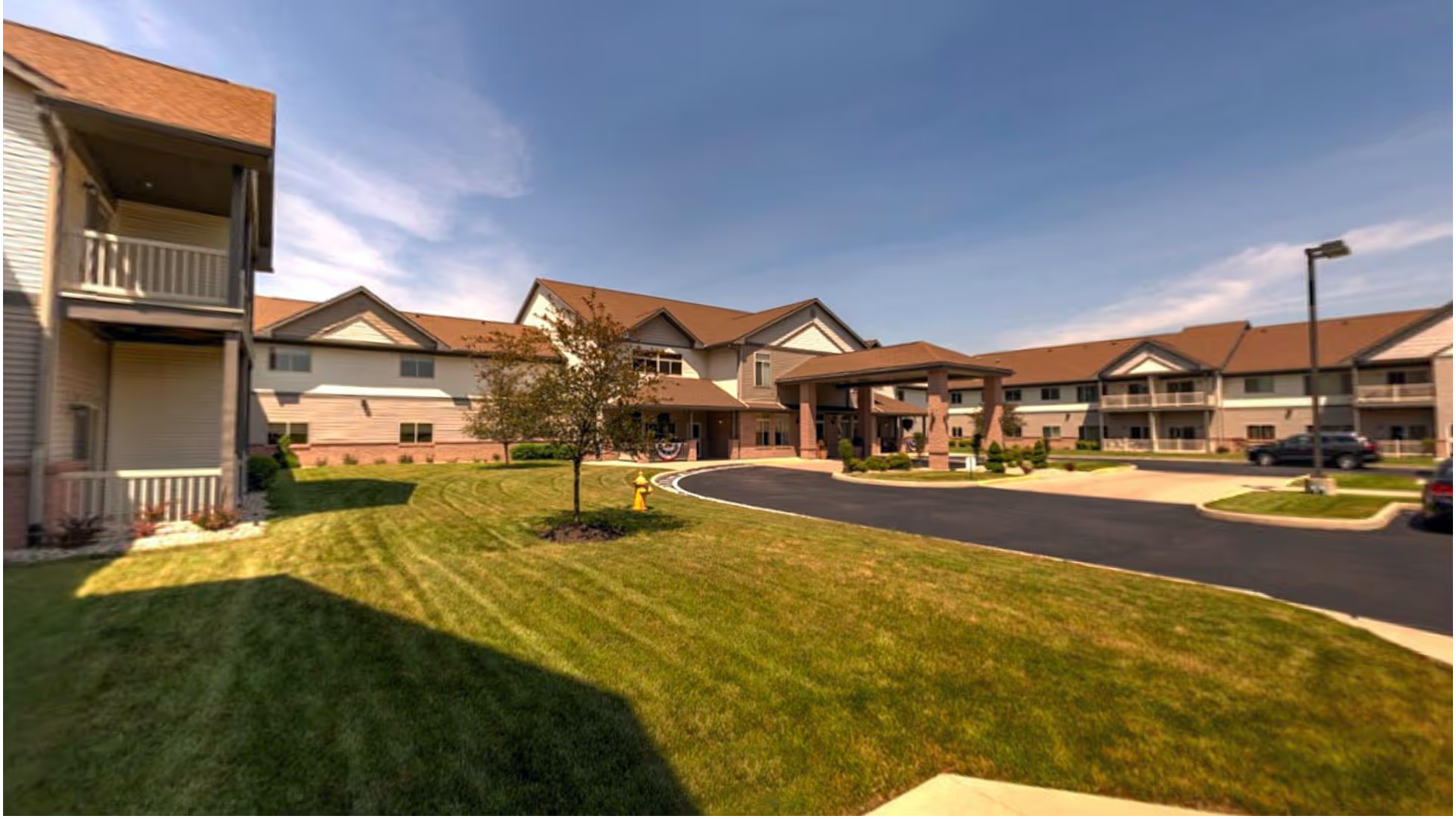
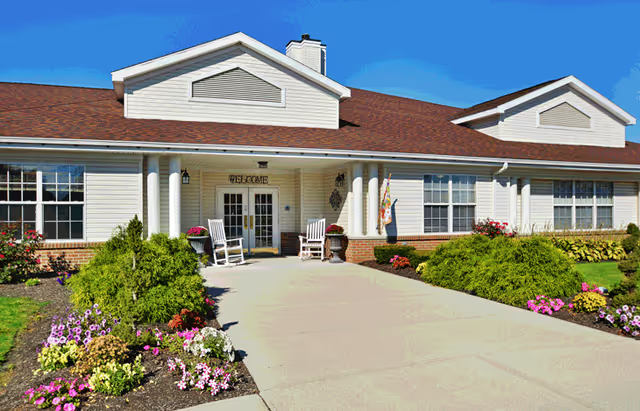
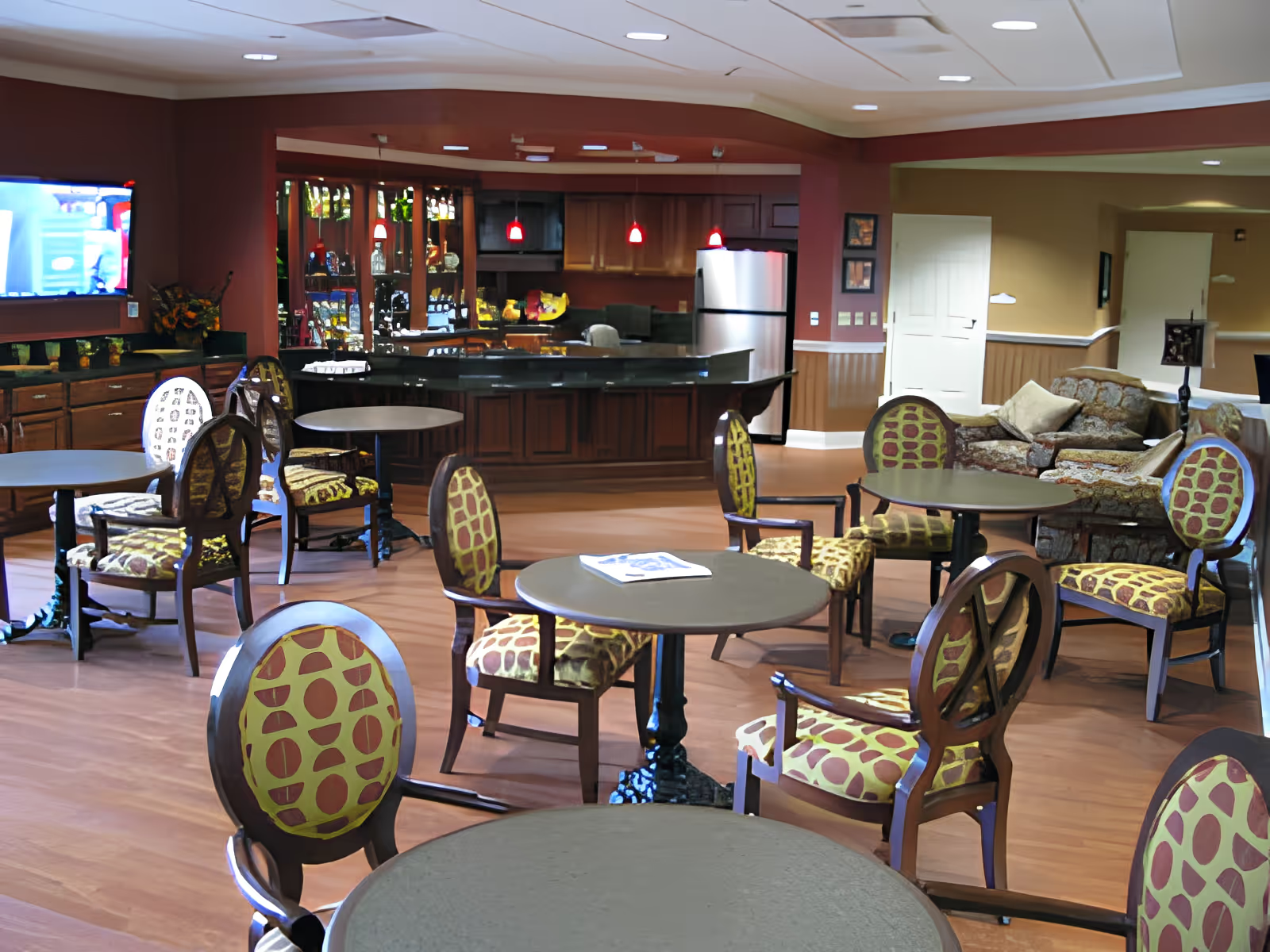
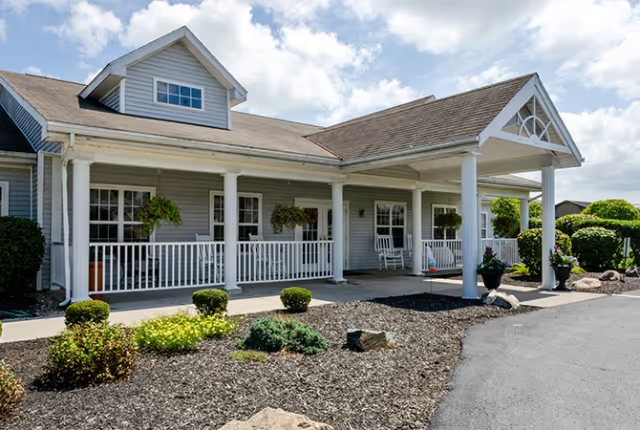
Dining, activities, and facilities: Review content did not include substantive commentary on dining quality or the activity program. The facility environment itself was described favorably in general terms, and the strong rehabilitation/therapy offering is a clear positive. Prospective families should request current dining menus, activity schedules, and a tour to validate fit and daily offerings.
Notable patterns and recommendations: The recurring themes are (1) strong rehabilitative services and some standout nursing staff, and (2) inconsistent care delivery driven by shift-to-shift variability, medication-management weaknesses, and occasional communication breakdowns. Prospective residents and families should inquire about staffing patterns by shift, medication-administration policies and audit practices, clinical escalation procedures, and how management addresses interpersonal conduct and training. For existing families, asking for incident logs, recent quality-improvement actions, and direct points of contact for clinical concerns may clarify how the facility is addressing the reported gaps.