Reviews for Avenue at Warrensville Care and Rehabilitation Center present a sharply mixed picture. Many families and visitors praise the facility’s activity program, therapy team and individual caregivers, while a substantial portion of accounts point to recurring operational problems. Prospective residents may find strong rehabilitative services and an engaging activities calendar alongside concerns about day-to-day nursing operations and facility management.
Care quality shows bifurcated experiences. Positive comments frequently highlight effective physical and occupational therapy, timely rehabilitation progress, and compassionate bedside caregivers. Conversely, numerous accounts describe delayed assistance, slow or missed medication administration, and lapses in routine clinical oversight such as transfer-safety and wound/incontinence care. A small number of reviews reference serious safety-related incidents and subsequent regulatory or legal attention; those reports accentuate the need for families to review state inspection findings and incident-response protocols when evaluating the facility.
Staffing and staff conduct are major themes. Several reviews commend individual staff members (including activity staff and select nurses) for responsiveness and warmth. At the same time, there are recurrent complaints about staffing shortages, especially on night shifts, high turnover and reliance on agency nurses, inconsistent professionalism, and variable communication tone with families. These patterns correlate with reports of delayed rounds, unanswered phones at the front desk, and challenges obtaining timely updates.
Dining and activities receive generally positive marks for programming and social engagement. The activities department is frequently identified as a strength: varied curricula, enthusiastic leadership, and programs that foster resident participation and closure rituals. Dining feedback is mixed — some reviewers praise the variety and friendly kitchen staff, while others note inconsistent food quality, meal delivery problems, and occasional service lapses.
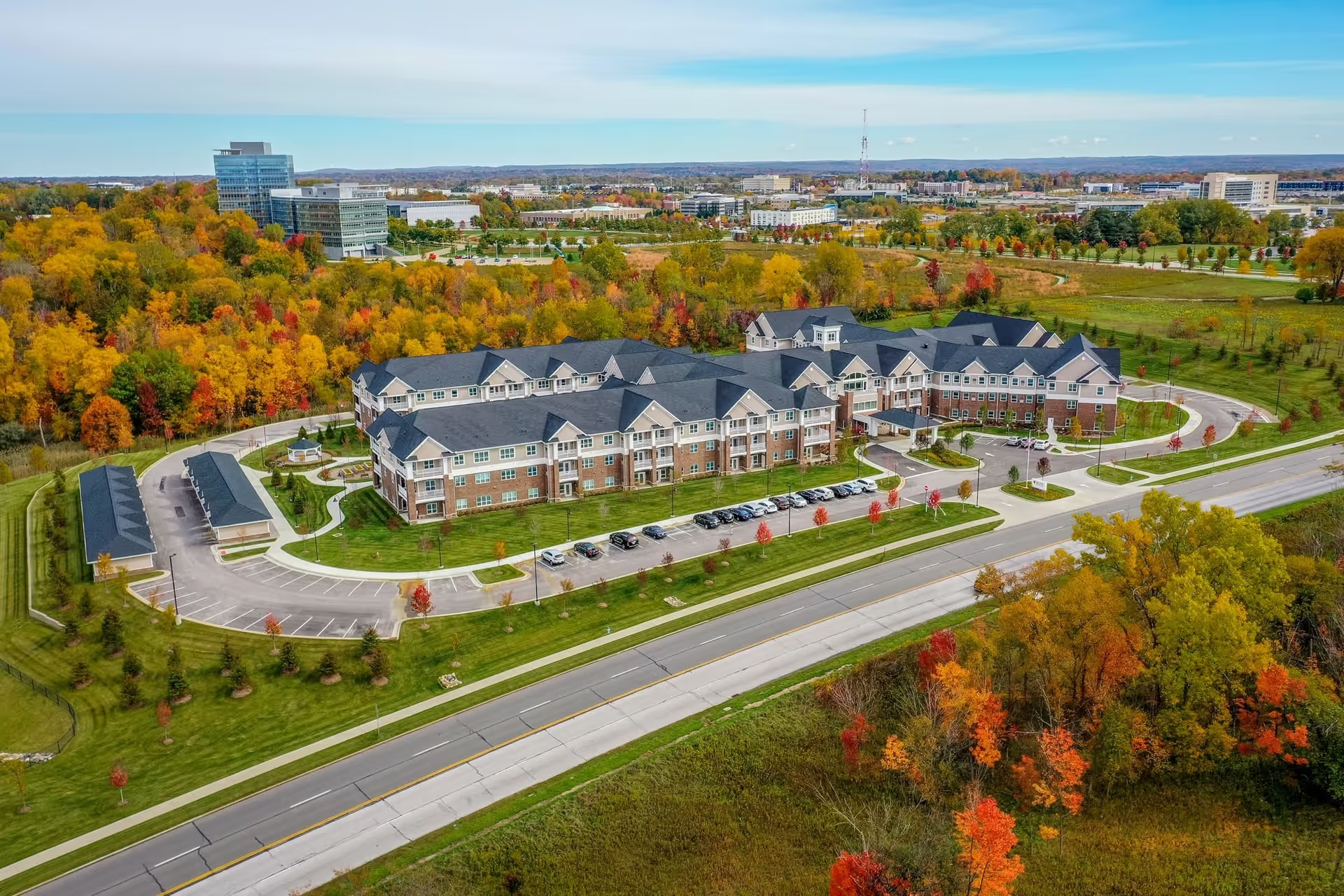
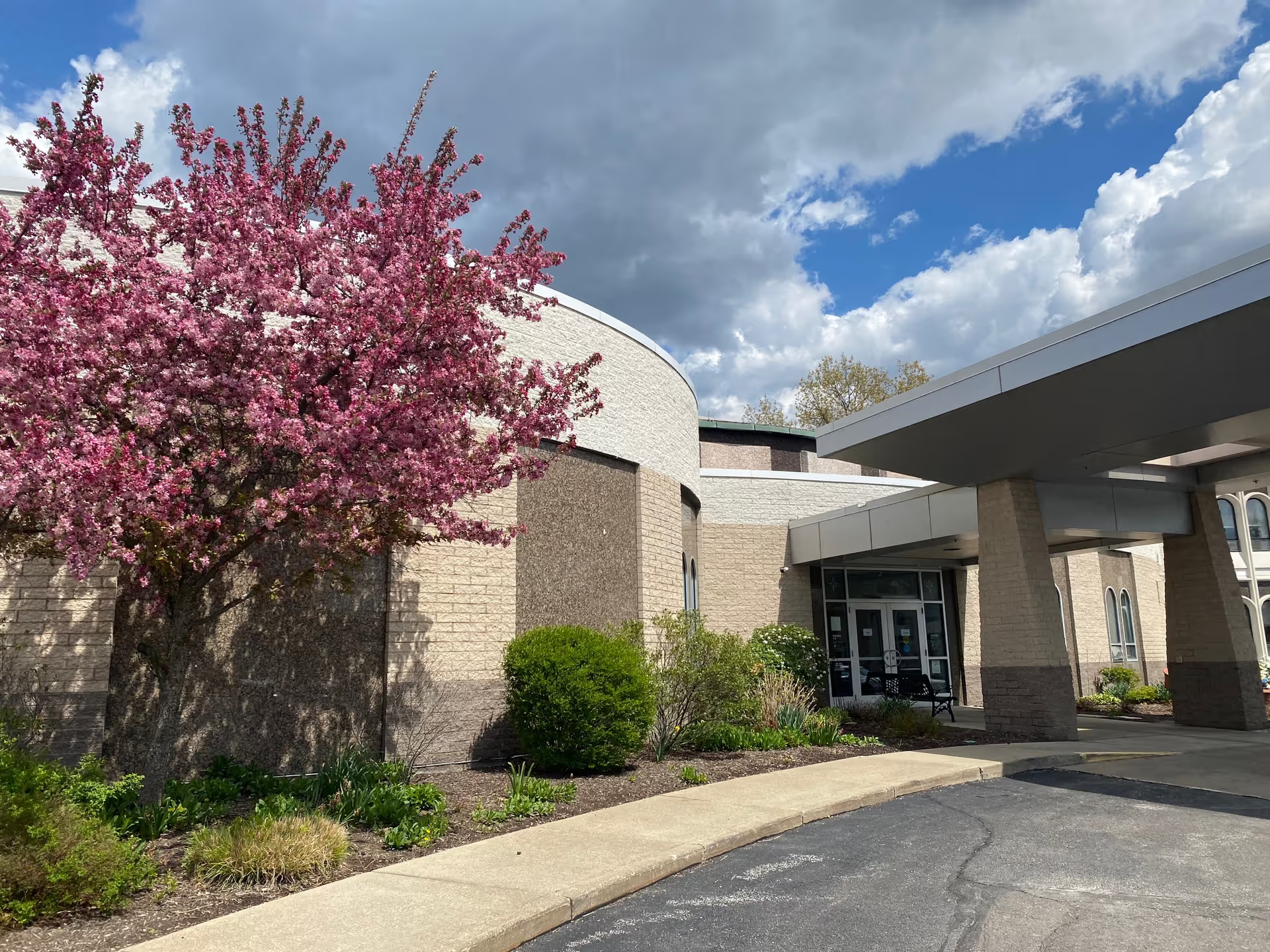
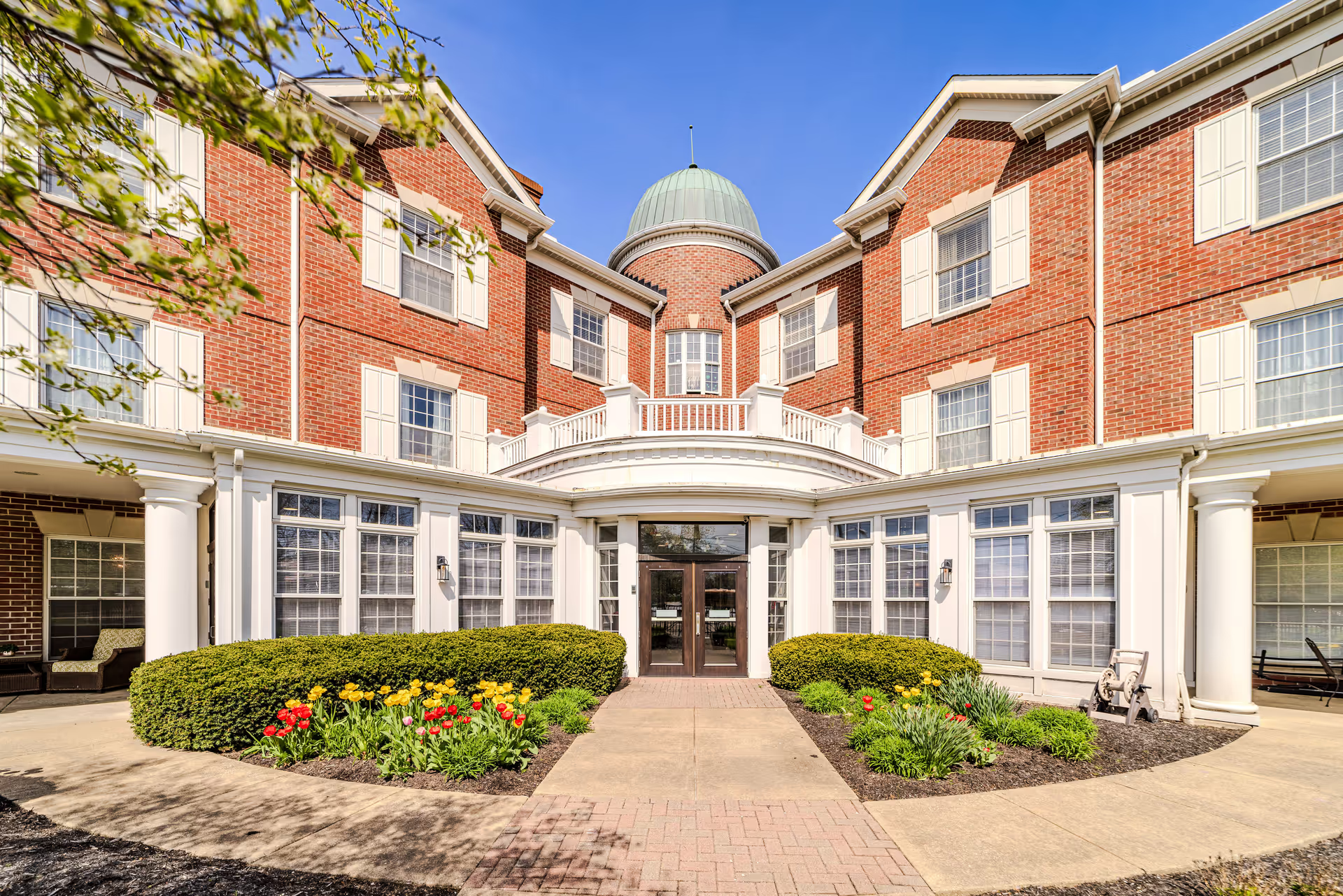
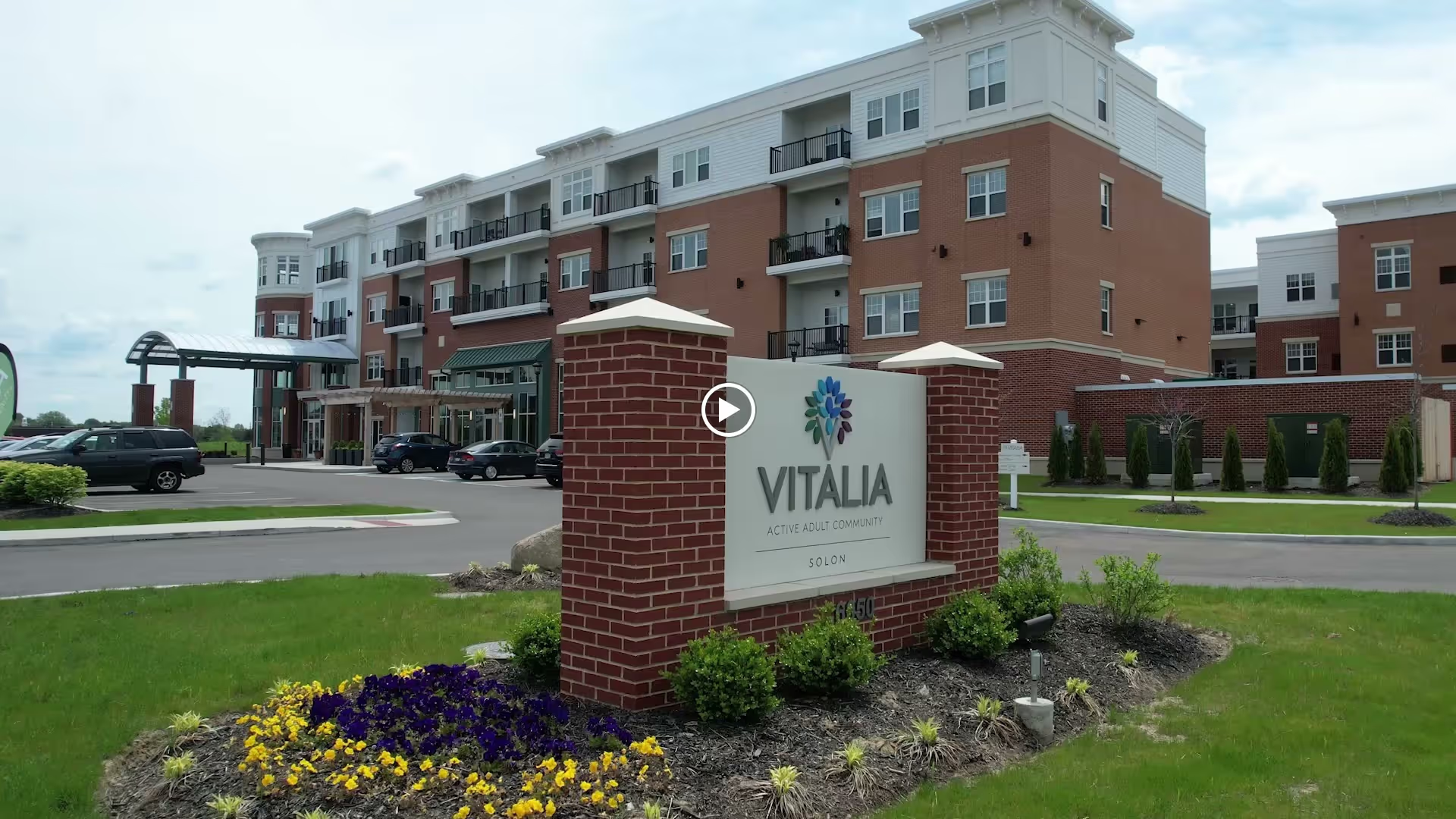
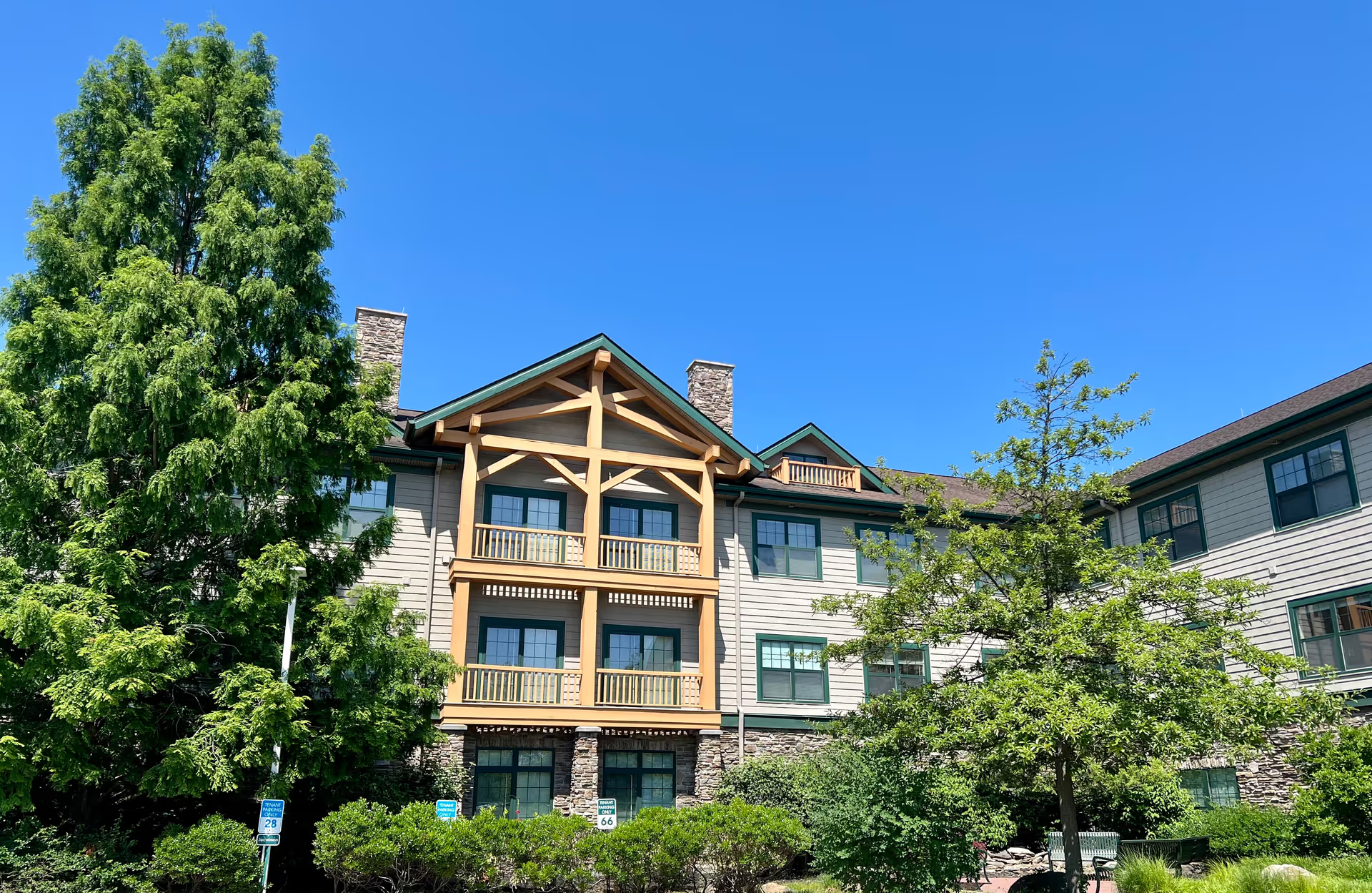
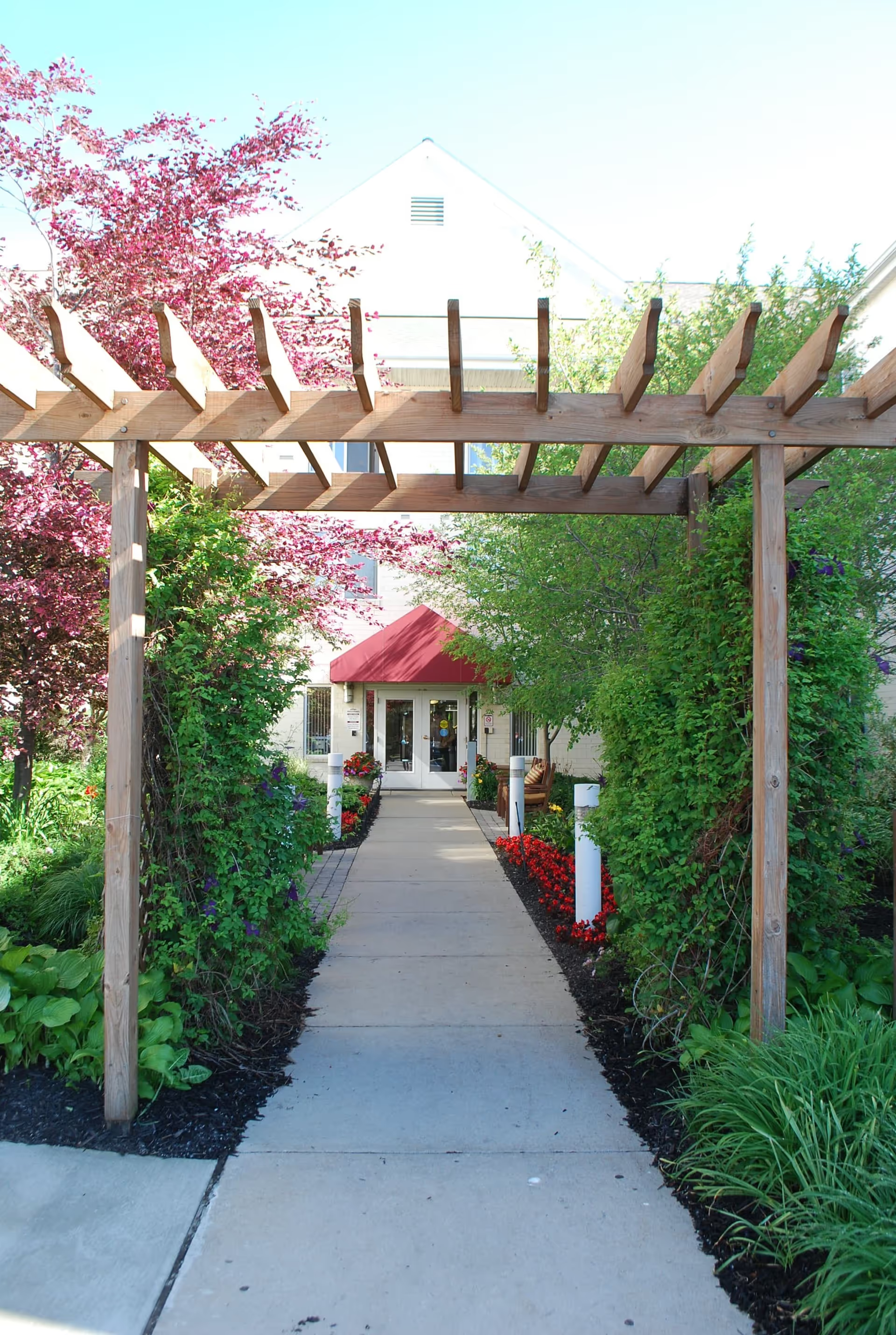
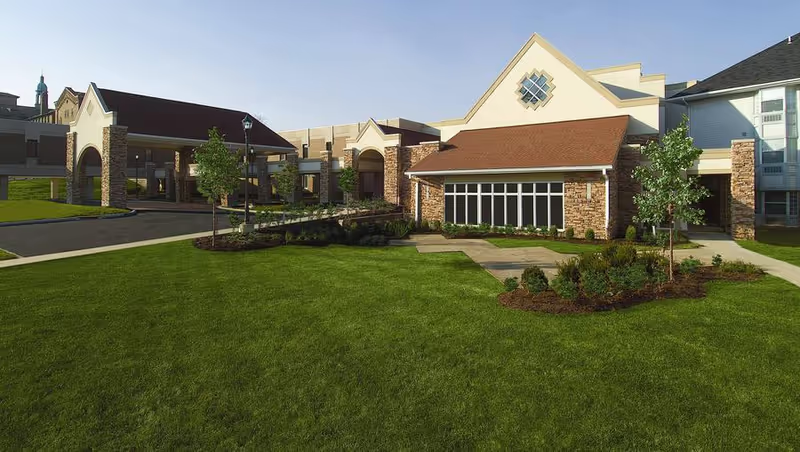
Facilities and management portray contrasts between appearance and some operational shortcomings. Many reviewers describe attractive common areas and well-kept rooms, yet others report maintenance issues (worn carpeting, water intrusion at doors) and sanitation-care inconsistencies. Management responsiveness is a recurring concern: families describe difficulty getting timely administrative follow-up, challenges with medication continuity at discharge, and frustration when attempting to escalate clinical concerns. Several reviewers indicated they had filed or planned to file regulatory complaints.
Notable patterns for families to consider: (1) the facility appears to offer strong therapy and activity supports that can benefit many residents; (2) operational reliability — especially staffing at night, timely medication administration, incident communication, and housekeeping consistency — varies across shifts and units; and (3) individual staff performance is uneven, with some caregivers singled out for excellent work while others are described as unprofessional or disengaged.
If you are considering this facility, visit multiple units at different times (including evenings and weekends), ask for staffing ratios and night-shift protocols, review recent state inspection reports, inquire about medication and discharge procedures, and request names of primary caregivers you would expect to interact with. These steps can help establish whether the facility’s strengths align with your expectations and whether safeguards are in place for the areas of concern noted by families.