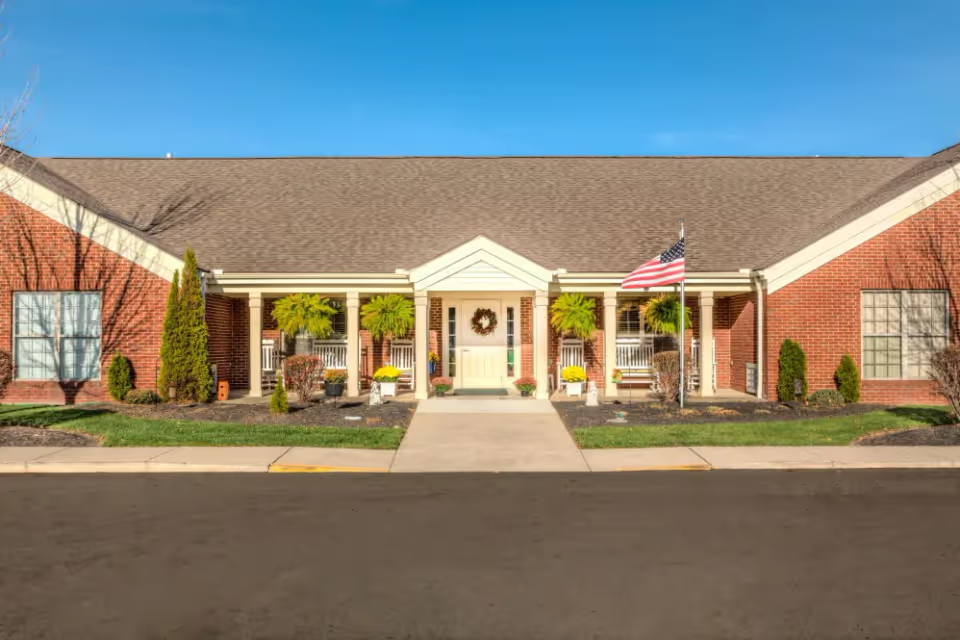
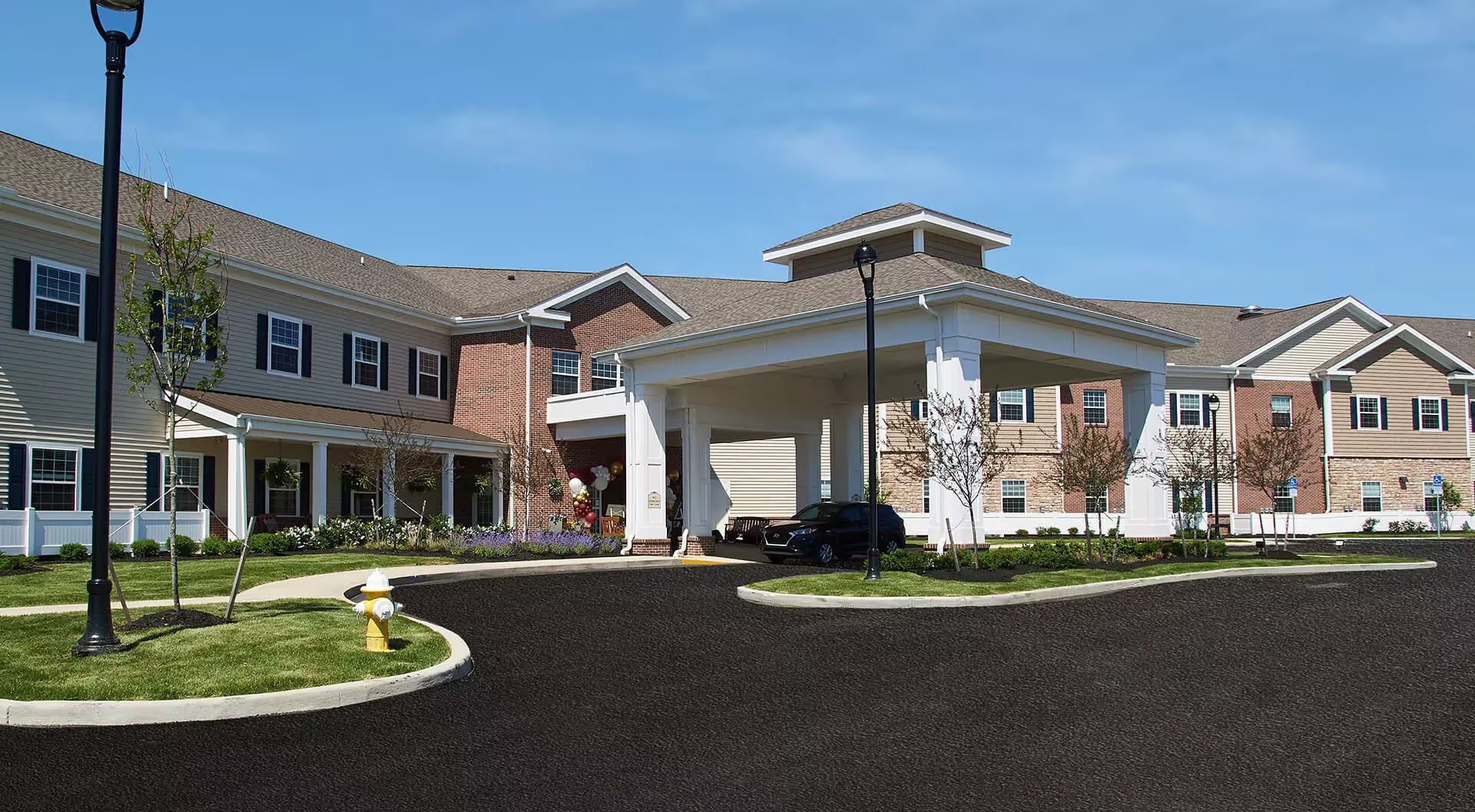
The reviews present a polarized picture of Court House Manor. Many families and former residents describe a high-quality rehabilitation and short-term stay experience: an effective therapy department, skilled nursing for post-acute care, helpful discharge and transportation coordination, and friendly dining and housekeeping services. These accounts emphasize professional therapists, attentive caregivers, a clean facility, a robust activities program, and administrative staff who arrange care needs efficiently. For families seeking short-term rehab or respite, these positives are repeatedly cited as reasons for recommendation.
Alongside positive accounts, there are recurrent operational concerns that affect longer-term, higher-dependency residents. Multiple comments point to inconsistent staffing levels and variable staff professionalism on different shifts; this pattern is associated with delays in clinical response and uneven attention to residents who require more assistance. Several reviews describe problems with clinical assessment and follow-up that contributed to emergency transfers or repeat hospital visits, indicating gaps in ongoing care coordination.
Specific care-safety themes emerge from the complaints in more clinical terms: transfer and fall-prevention practices appear inconsistent, and there are concerns about wound-care and skin-integrity management. Reviewers also note issues with laundry and personal-property handling, and describe situations in which family access and communication were constrained by rigid visitation policies. Management and policy clarity are another recurring issue — commenters describe unclear rules, inconsistent enforcement, and episodic administrative defensiveness. There are also isolated but serious allegations, including concerns following a resident's death and allegations of online review manipulation, which merit attention from families and regulators.
Dining, facilities, and activities are generally seen as strengths when staffing and management alignment are functioning well: many reviewers praise the food, cleanliness, and the activity department’s engagement. However, other reports describe periods when unit staffing and activity presence were minimal, producing a noticeably different day-to-day experience. This contrast suggests variability by unit and shift rather than a uniform facility-wide standard.
For prospective residents and families, the pattern to note is one of bifurcated experience. Court House Manor appears capable of delivering very good short-term rehabilitation and compassionate care under well-staffed conditions, but some longer-term residents and their families experienced operational weaknesses that affected safety, timely clinical attention, and family communication. Visitors considering the facility should visit multiple times across shifts, ask for current staffing ratios, review the facility’s wound-care and transfer-safety protocols, and discuss visitation and laundry/property procedures before admission.