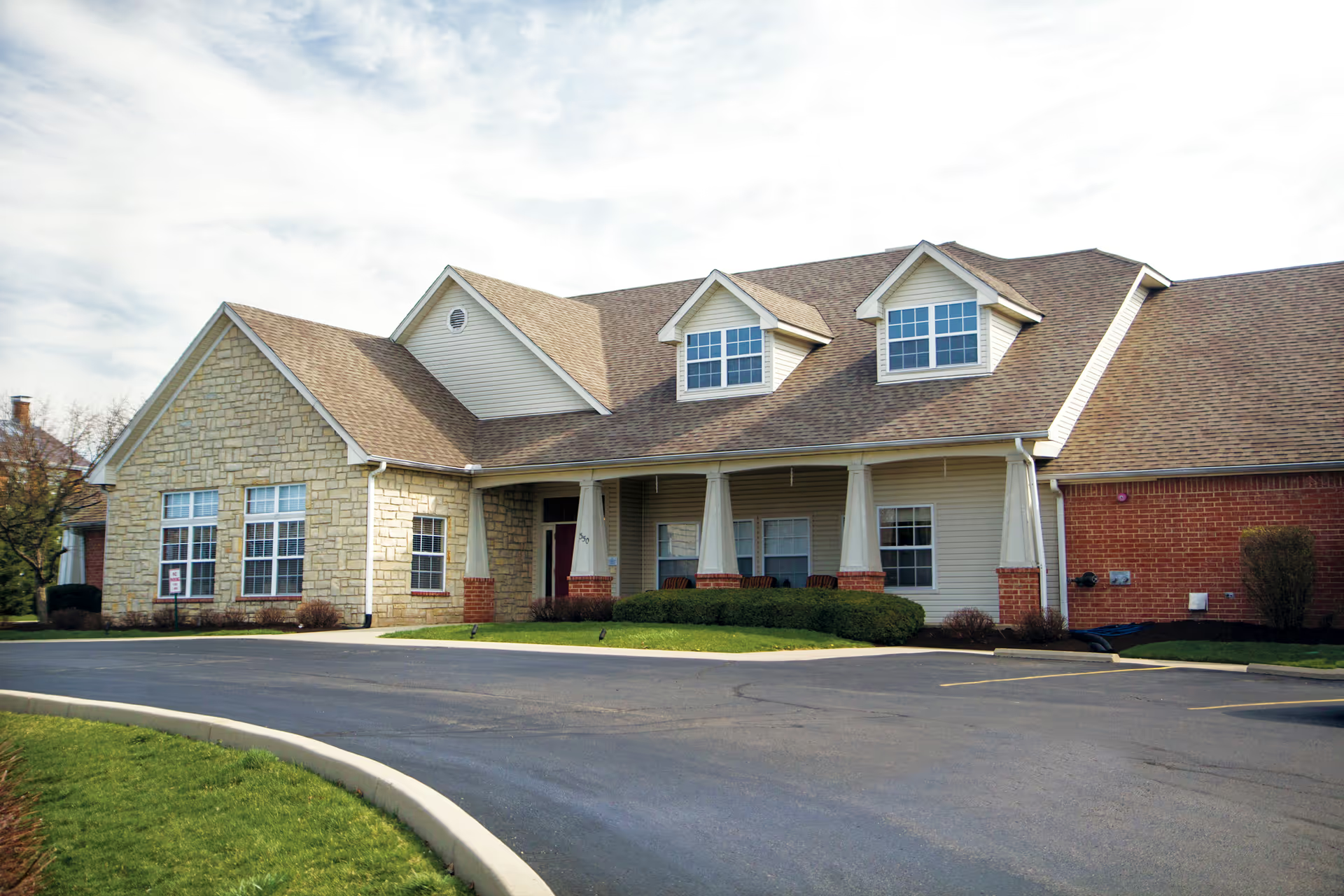
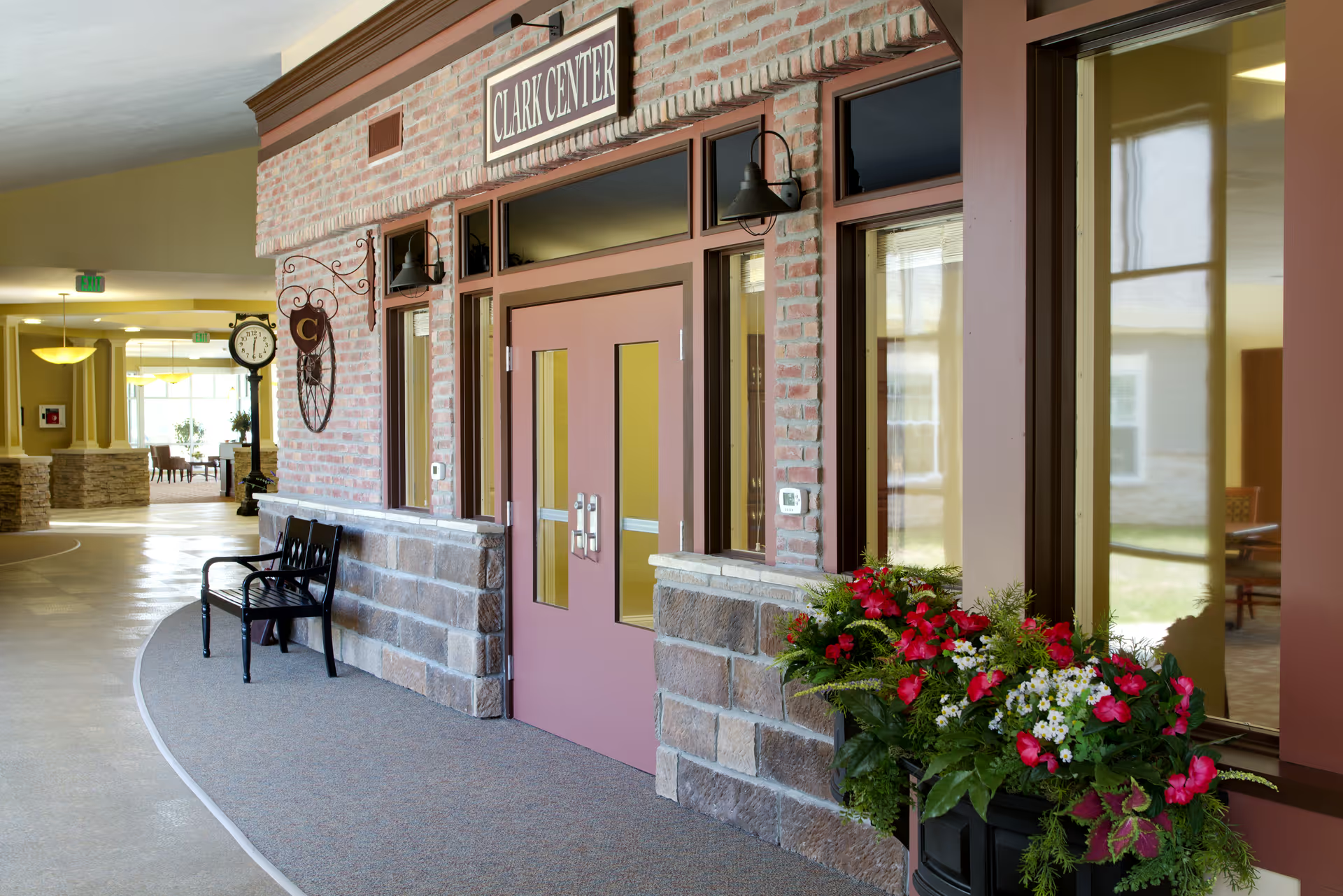
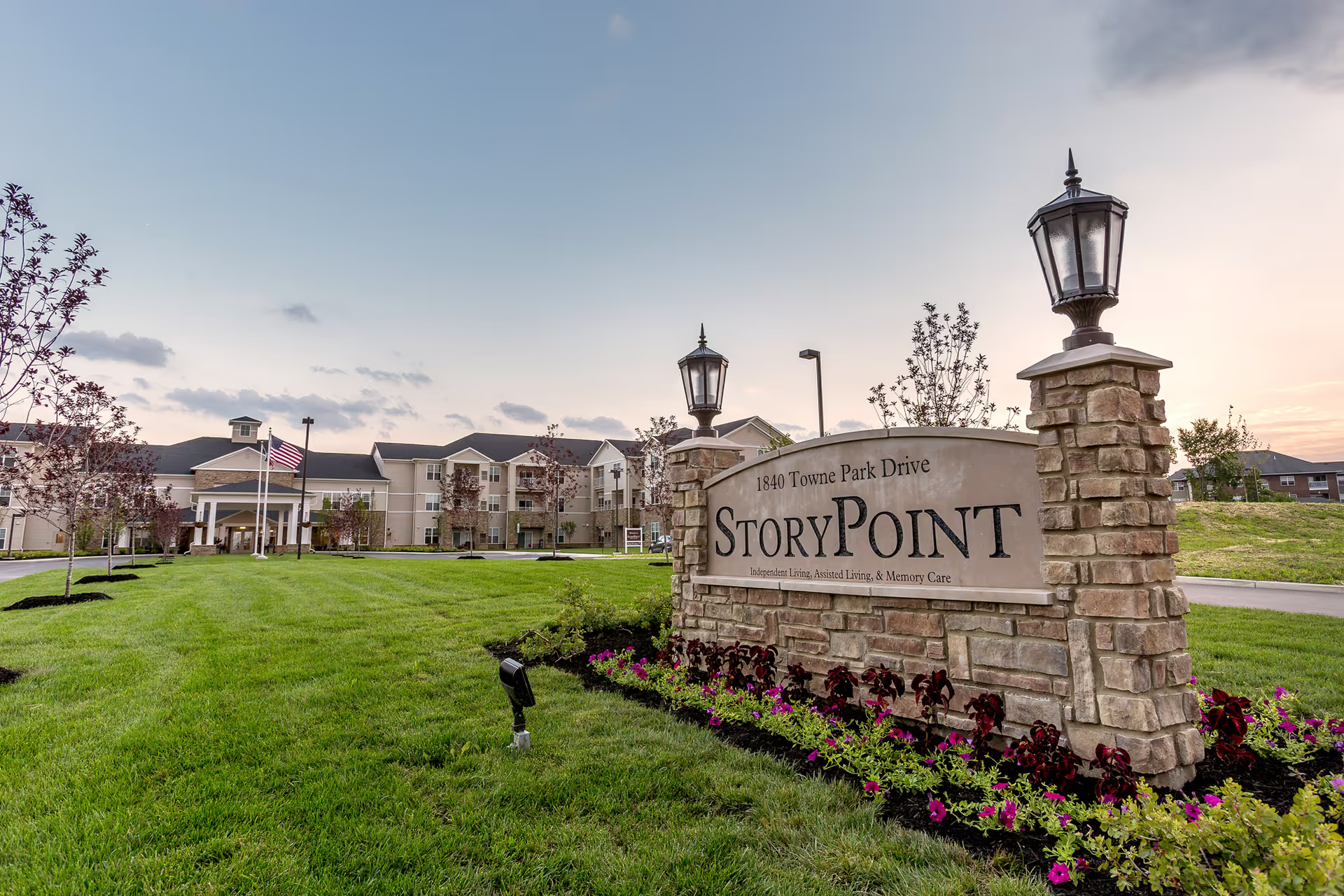
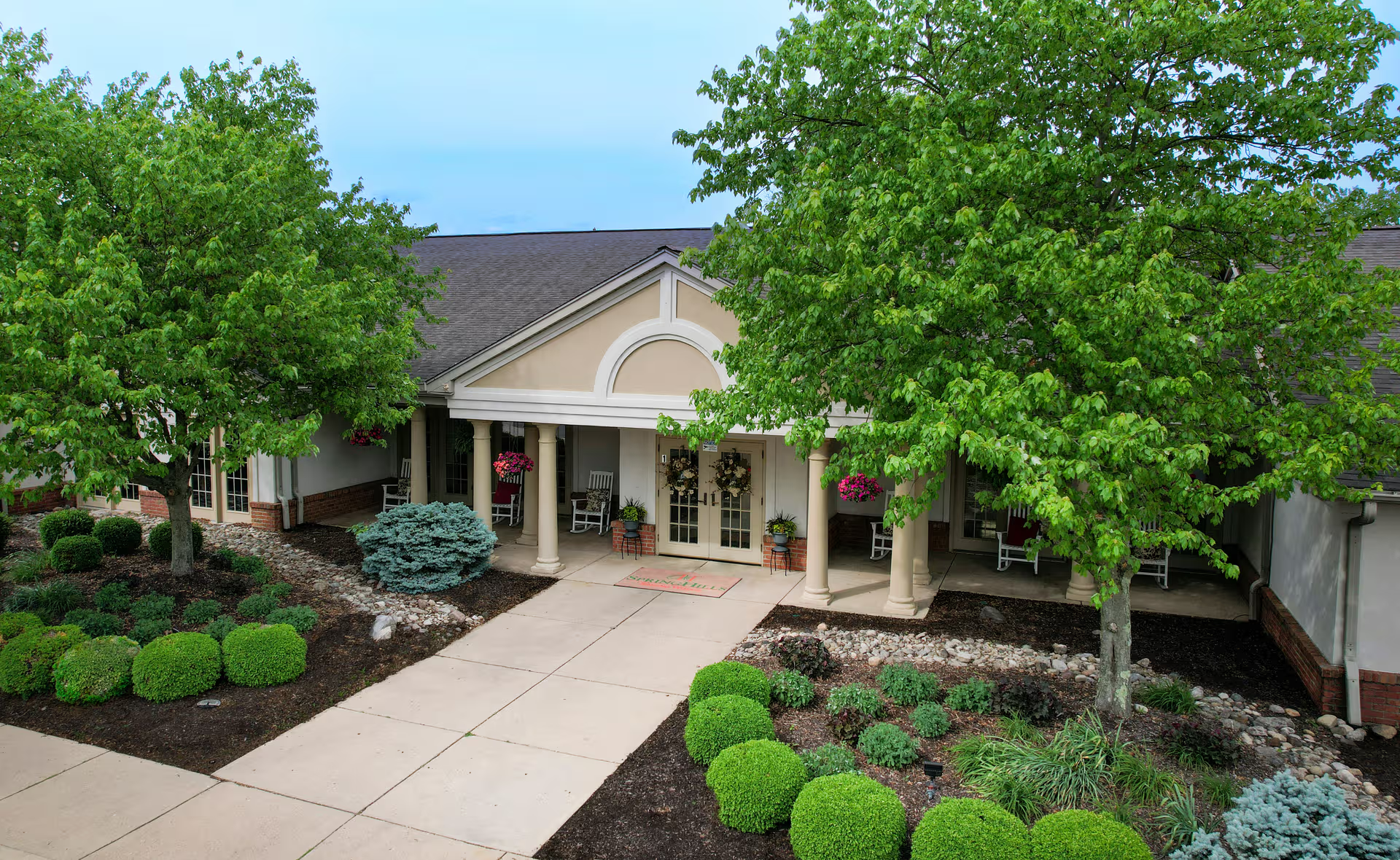
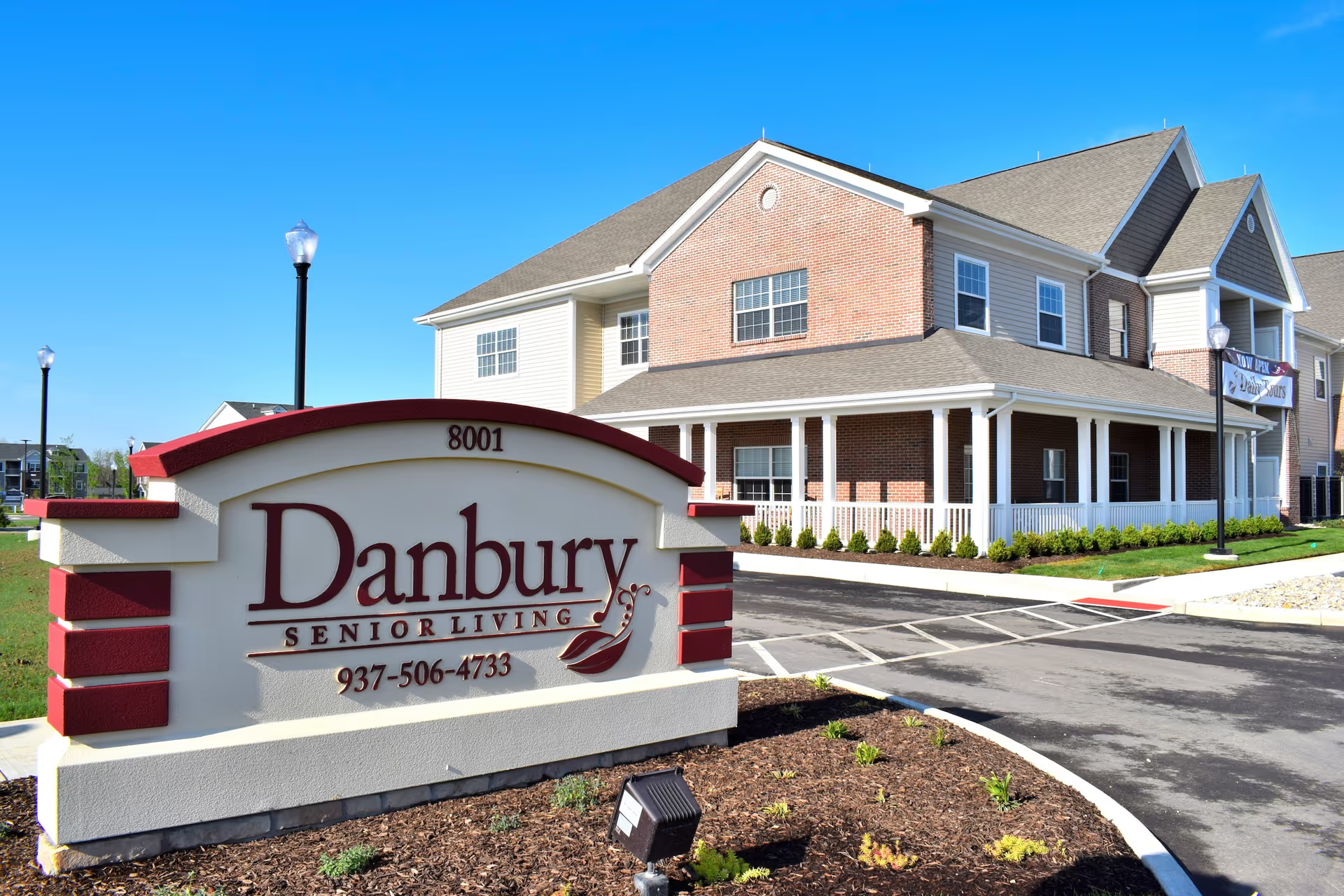
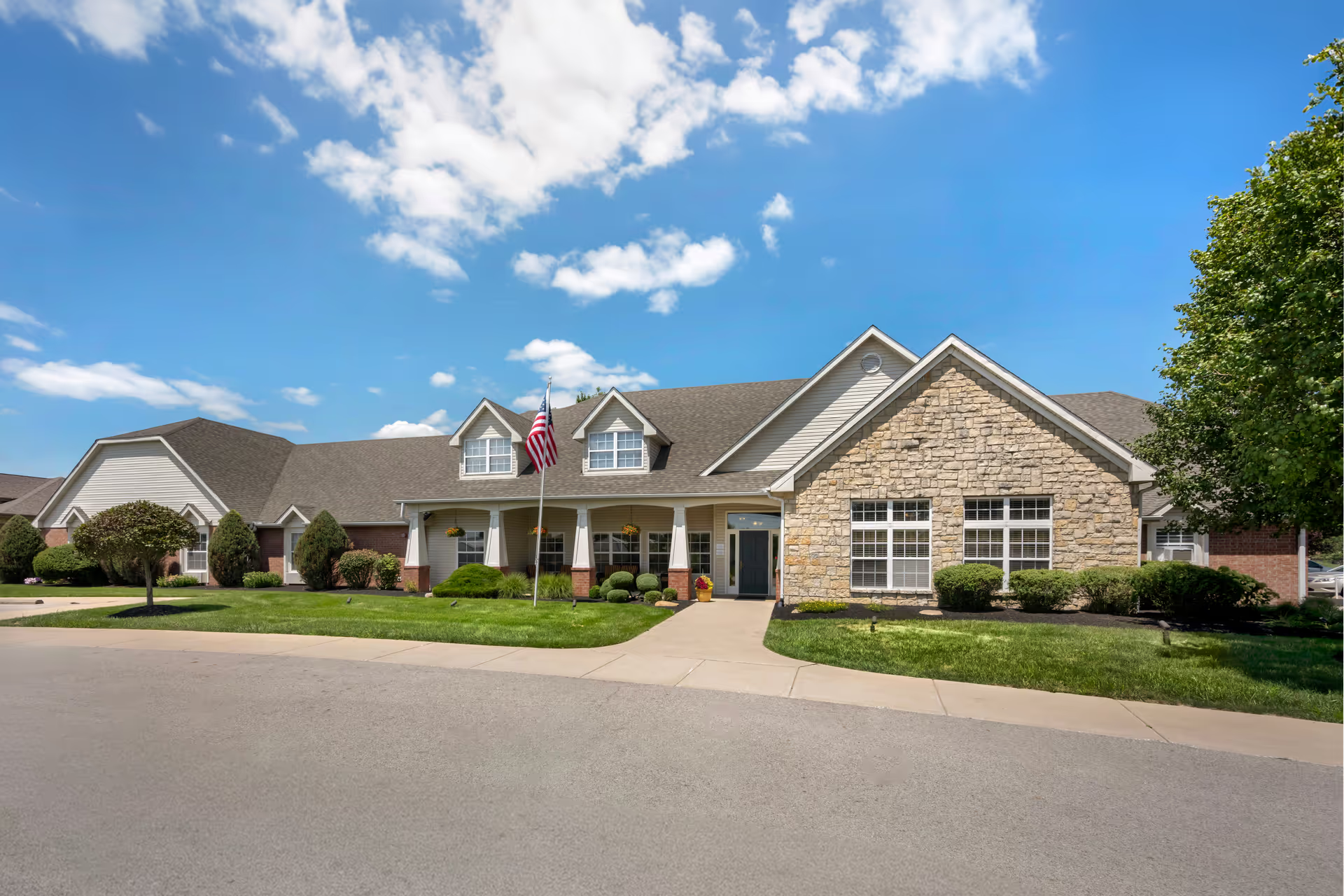
StoryPoint West Milton presents a mixed but generally positive profile. Many families and residents describe a welcoming, attractive campus with spacious apartments, vaulted ceilings, porches and patios, and large common areas that support socialization. The facility is frequently characterized as clean and well-maintained, with a small-community, family-like atmosphere and regular events that encourage engagement.
Clinical care and day-to-day support show a pattern of strengths and limitations. Positive accounts emphasize compassionate caregiving, assistance with daily hygiene and medication administration, effective therapy and rehabilitation services, and smooth transitions into memory care when needed. At the same time, there are operational concerns for residents who require ongoing cueing, close supervision, or hands-on dining assistance; prospective residents with significant cognitive or mobility support needs should assess the facility’s capacity for continuous supervision and individualized cueing.
Staff and management impressions are mixed. Many testimonials praise friendly, upbeat staff and accommodating admissions staff (specifically referencing an approachable coordinator), noting responsive relocation support and helpful communication in routine situations. Conversely, other accounts indicate inconsistent staff performance, turnover, and concerns about leadership professionalism and responsiveness. There are also cited lapses in communication with families during clinical incidents and sensitivity in end-of-life notifications, which suggest that the facility’s incident-response and family-communication protocols may not be consistently applied.
Dining and programming are generally seen as strengths for self-directed residents: reviewers mention good food, improved nutrition and mobility outcomes, and a range of activities and family-oriented events. However, families should confirm the level of dining assistance available for residents who cannot self-feed. Cost considerations arise in some feedback; a perception exists that pricing may not always align with expectations for care level.
Recommendation: prospective residents and families should tour the community, observe staffing patterns during different shifts, ask for detailed fall-prevention and wandering-supervision protocols, review memory-care staffing ratios and cueing approaches, request examples of family communication following incidents, and clarify the scope of hands-on dining assistance and associated fees. These targeted questions will help determine whether the facility’s strengths match the prospective resident’s clinical and social needs.