Inniswood Health & Rehabilitation presents a mixed but identifiable profile: many families and former residents praise the staff, therapy services, and recent physical upgrades, while other accounts raise significant operational concerns. Strengths cluster around hands-on clinical care and rehabilitation: reviewers frequently highlight compassionate, attentive caregivers, strong physical and occupational therapy, and 24/7 skilled nursing coverage. The facility is noted for being deaf-friendly, with staff who use sign language, video-relay support, and an inclusive social and rehab focus for hearing- and vision-impaired residents. Staff responsiveness to families—quick updates and involvement in care planning—and demonstrated coordination with outside medical providers are additional positive themes, and several reviewers recommended Inniswood for short-term post-surgical rehab (for example, hip-recovery cases).
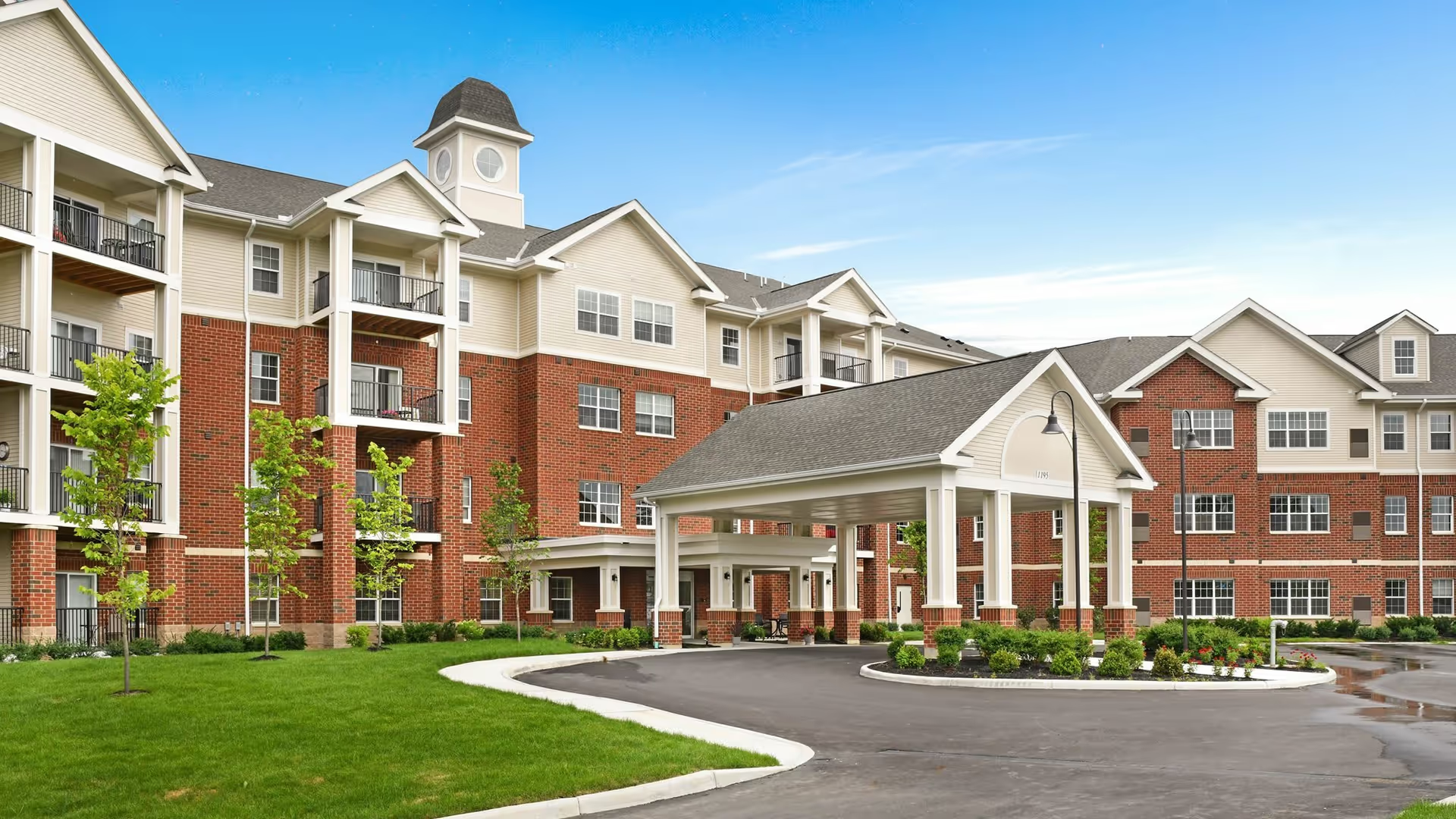
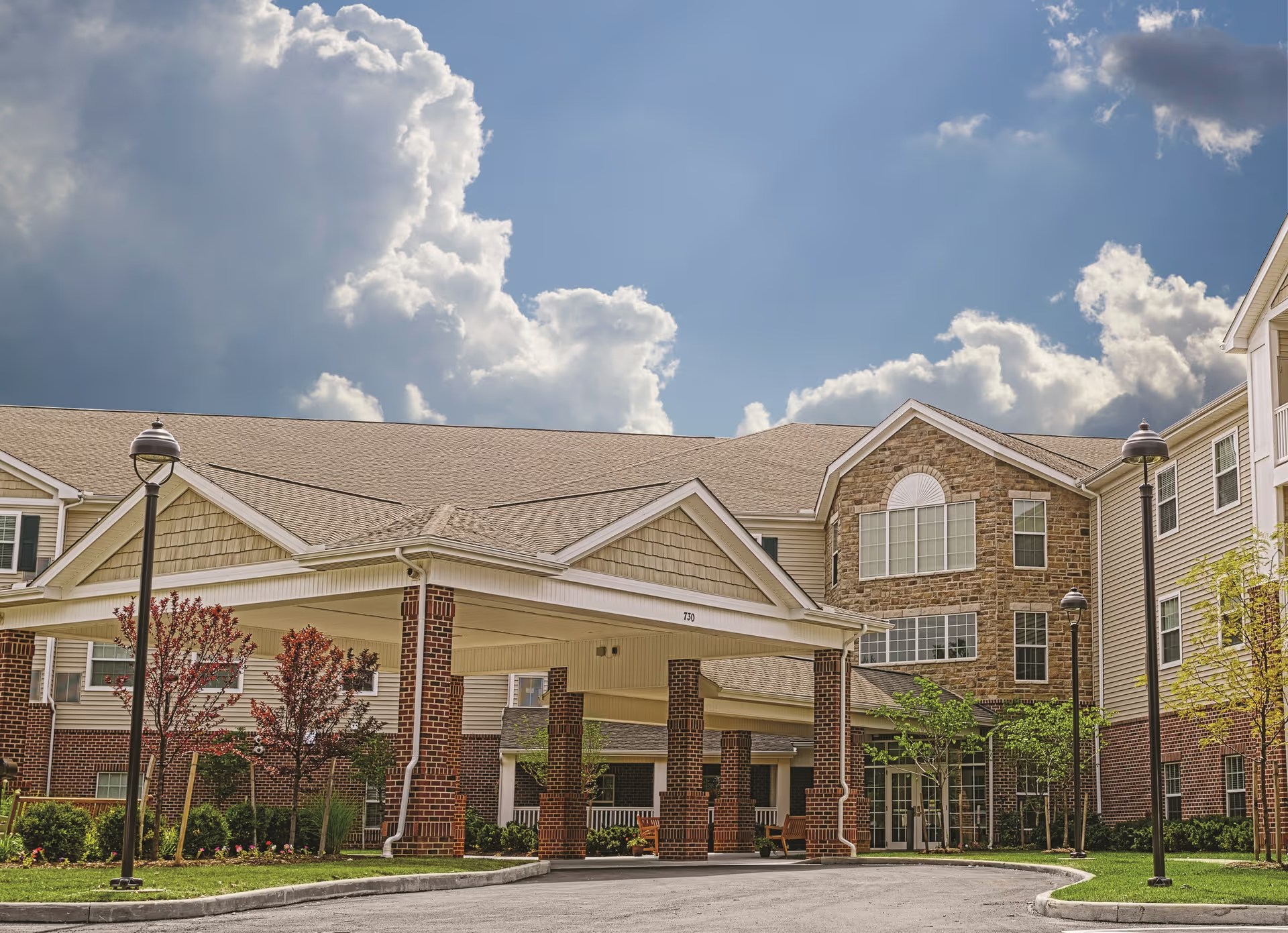
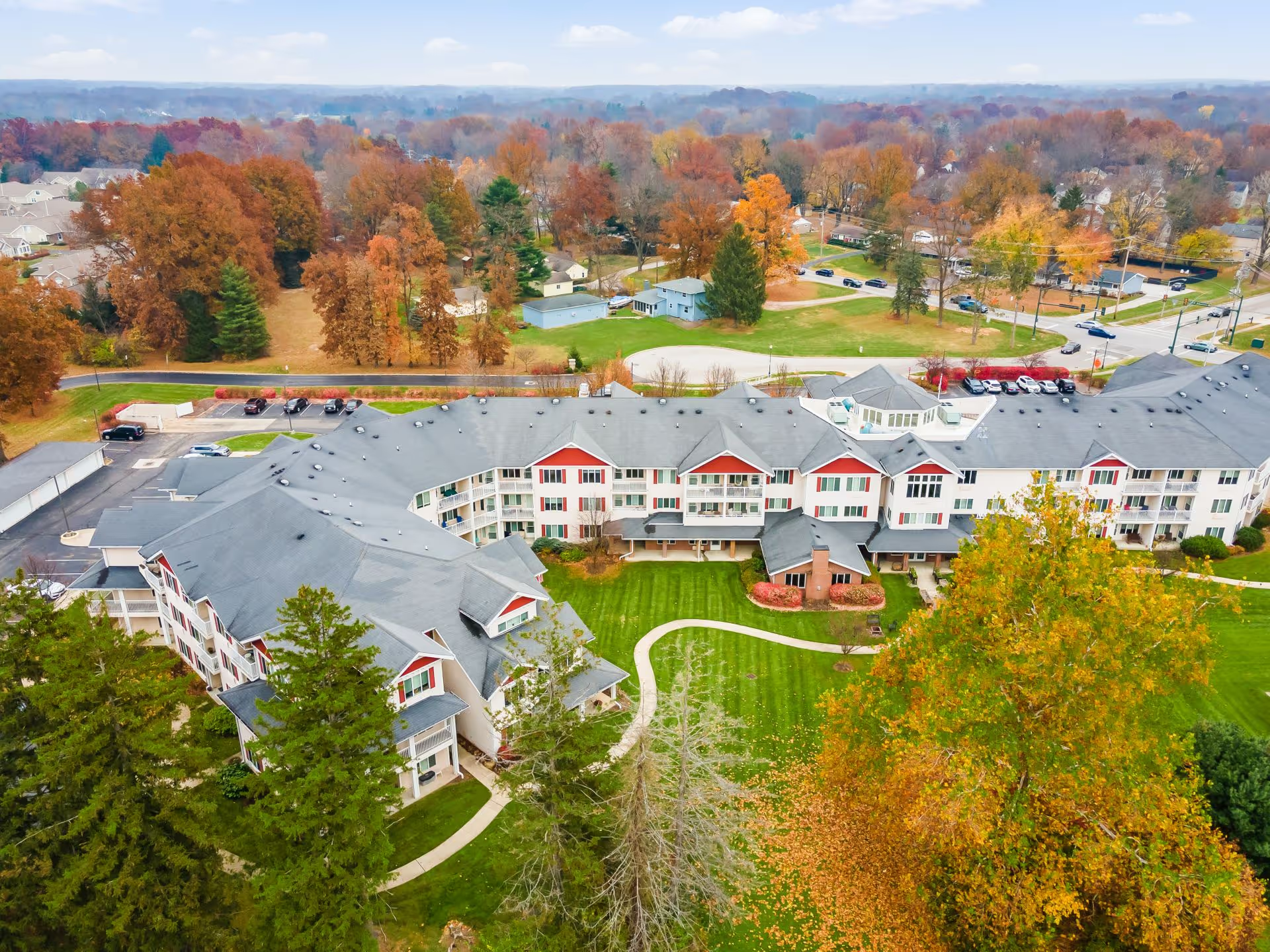
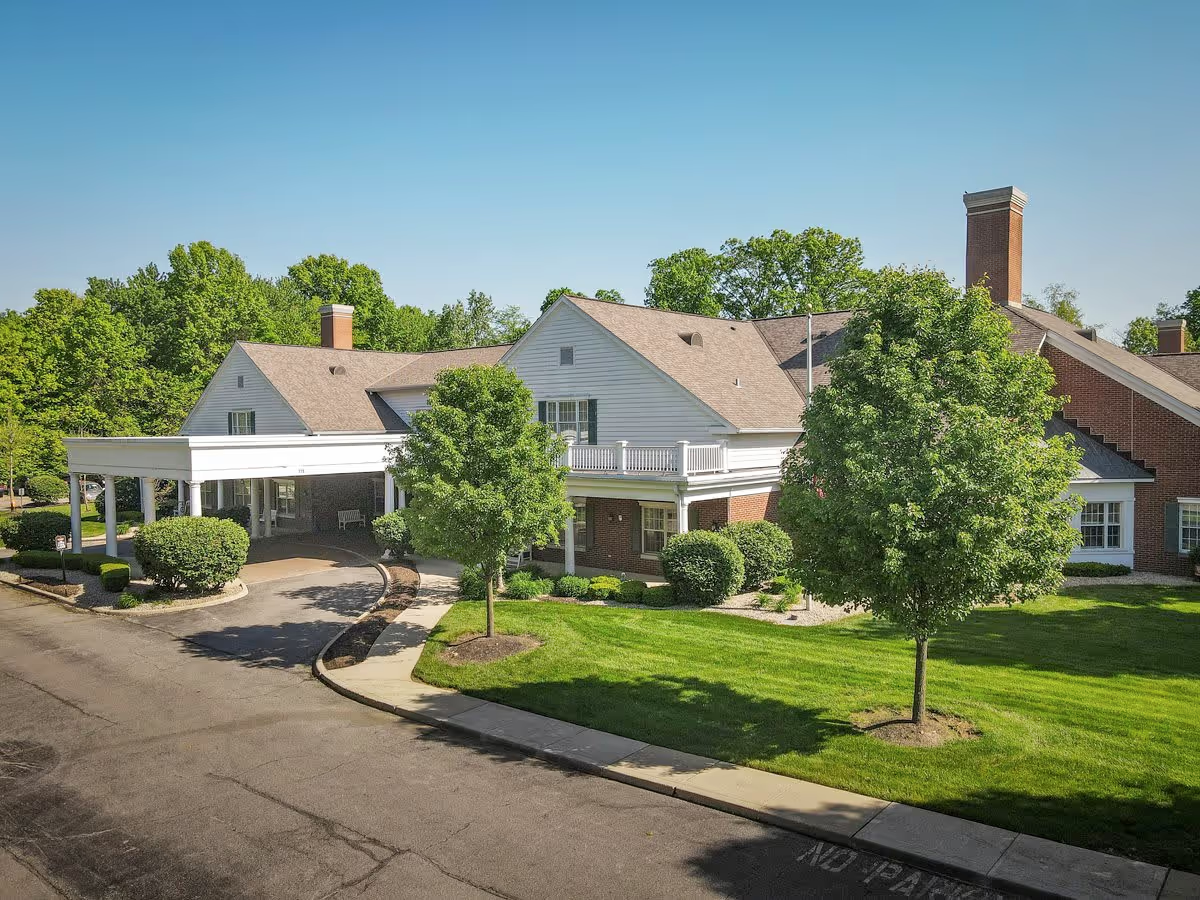
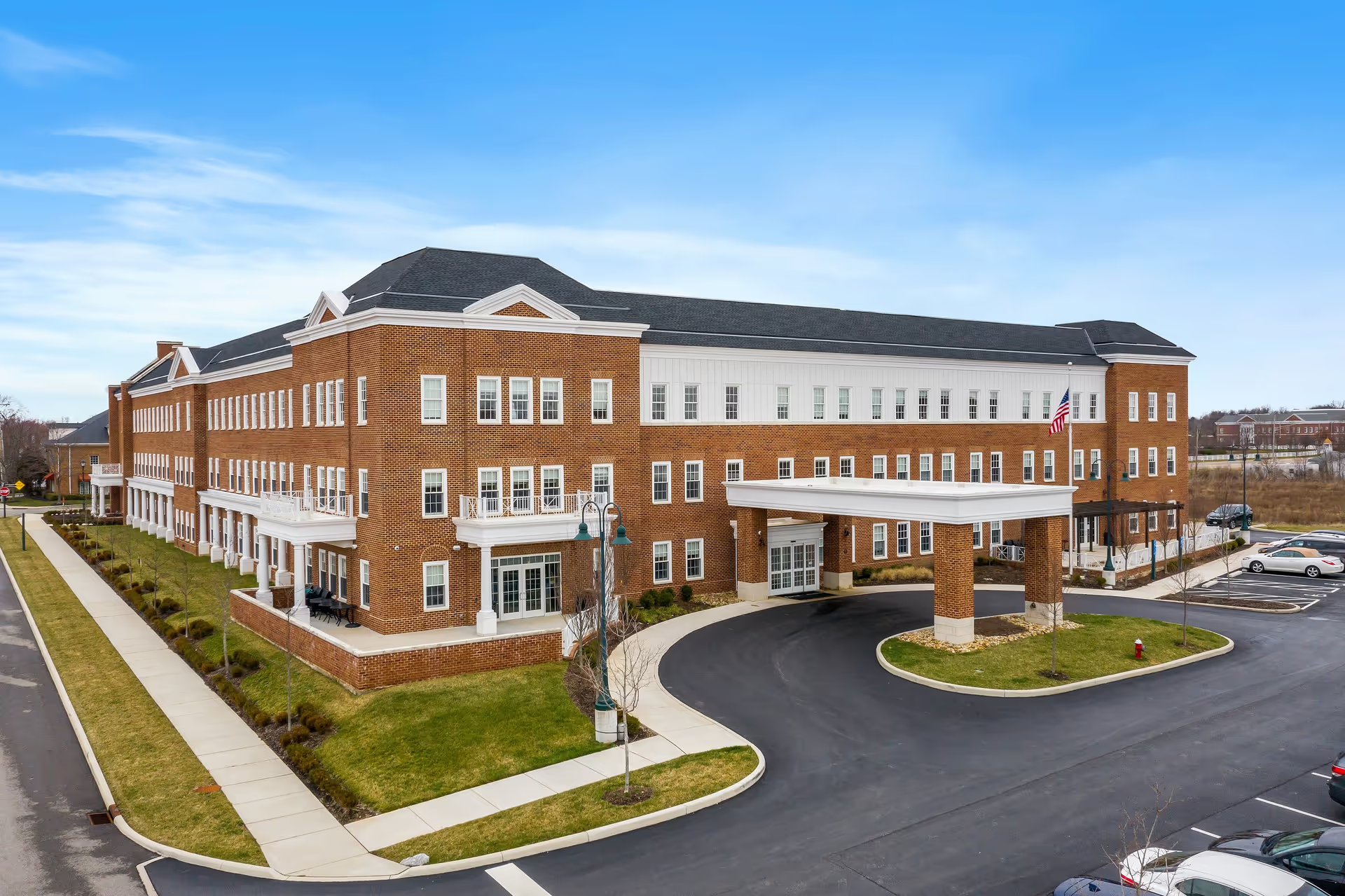
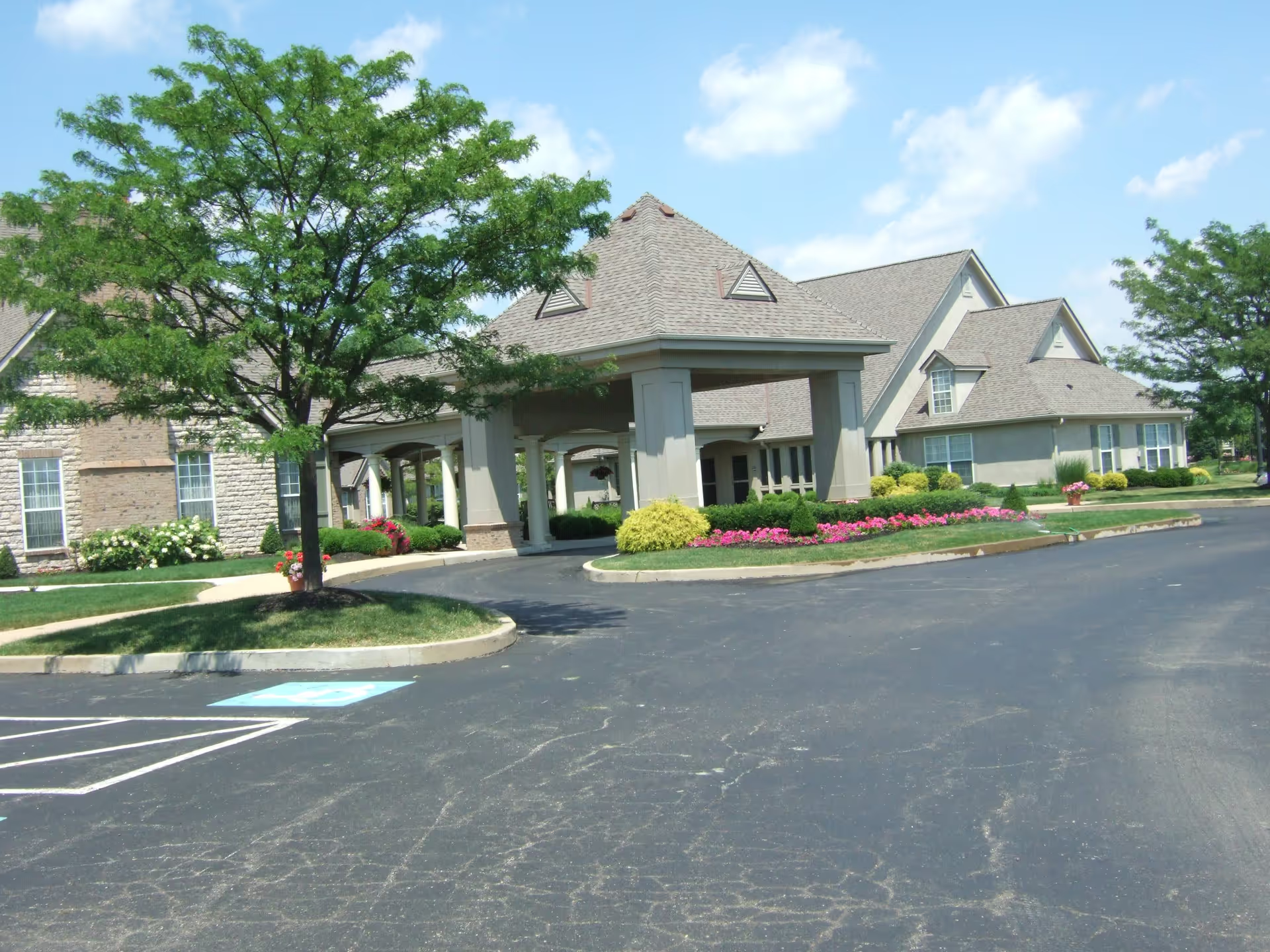
Facility amenities and aesthetics have improved in many accounts. Recent renovations, modernized therapy rooms, newly renovated hallways, an outdoor courtyard, and an increase in private-room options are repeatedly mentioned as enhancing the environment. These changes appear tied to a management transition that some reviewers describe as positive; renovated spaces and a warmer atmosphere are commonly cited among the facility's advantages.
However, reviewer experiences are inconsistent, producing several operational concerns prospective families should probe. Cleanliness and sanitation were described positively by many but negatively by others; this variability suggests uneven housekeeping or maintenance standards across units. Temperature control and HVAC problems were a recurring complaint in some rooms. In addition, some reviewers described slow response times to call buttons and variability in clinical responsiveness, which may reflect periods of understaffing or workflow strain. Dining quality and meal preparation were another area of divided experience, with complaints about food and preparation inconsistency alongside reviews that did not describe dining in detail.
Staff conduct and communication present a mixed picture: numerous accounts praise professional, kind, and skilled personnel, while other narratives describe poor attitude, discourteous interactions, or insufficient communication. There are also mentions of reception and visitor-access difficulties and unsecured or inconvenient entrance/egress procedures. During a change in ownership, several reviewers noted operational improvements, but others reported negative episodes tied to prior management; there are isolated allegations of dishonest or negligent conduct in individual accounts, which underscore the importance of confirming current staffing practices and oversight.
Practical takeaways for prospective residents and families: visit the facility in person and evaluate room temperature control, current housekeeping standards, and dining options; ask for recent staffing ratios and turnover data; verify availability of sign-language services and the structure of the therapy program; and request examples of how family communication and incident response are handled. The facility's strong rehabilitation focus and deaf-friendly accommodations can be valuable for the appropriate resident, but variability in operational consistency suggests due diligence is warranted before placement.