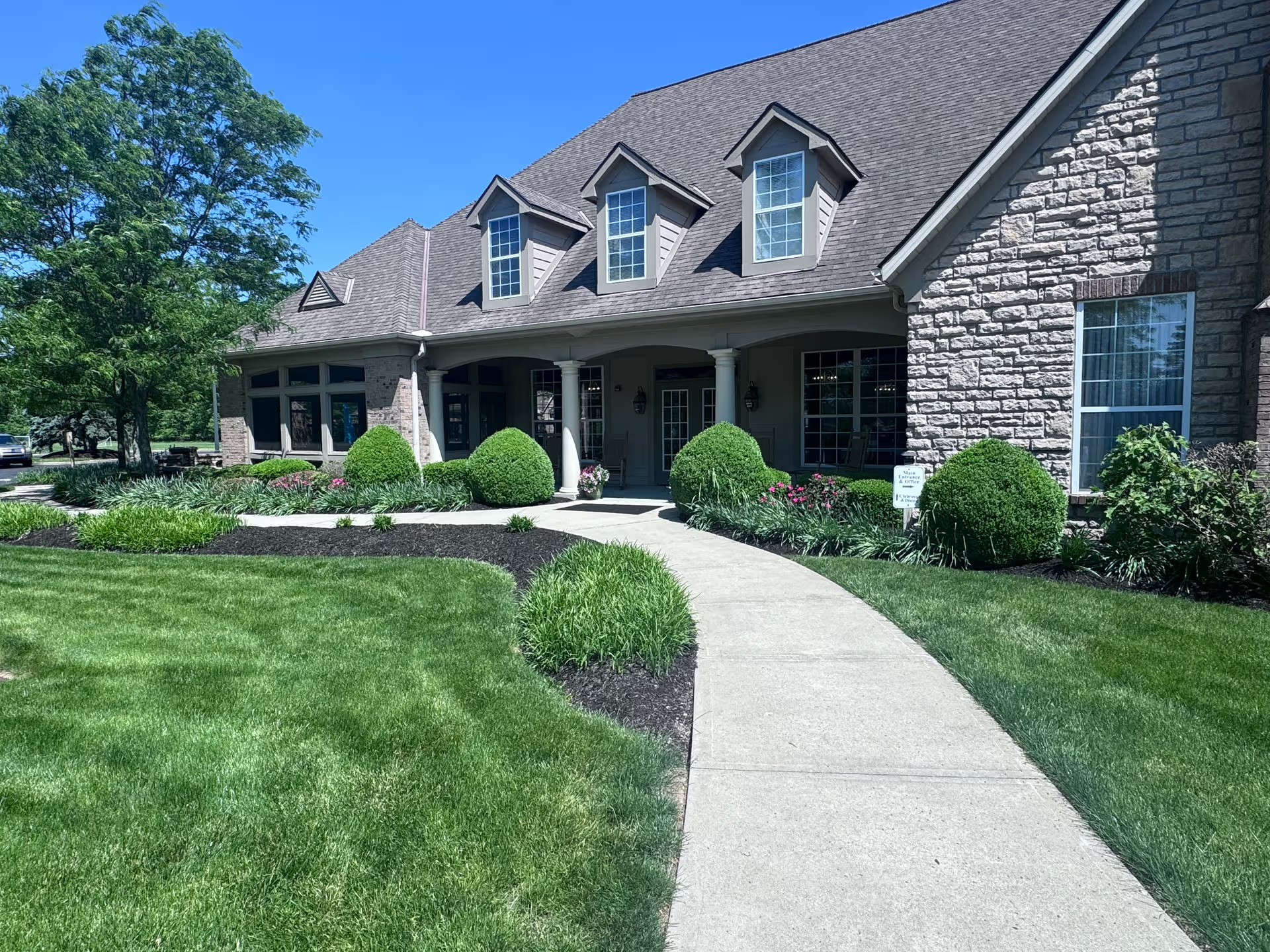
Reviewer feedback for Westerville Post Acute is mixed, with a substantial set of positive experiences centered on clinical care and interpersonal interactions, alongside a number of serious operational concerns that prospective families should evaluate further.
Care and staff: Many accounts emphasize compassionate, attentive staff and well-implemented nursing care plans. Several reviews praise the therapy and rehabilitation teams for effective, respectful rehab services and progress-oriented care. At the same time, other reviewers describe inconsistent staff responsiveness in urgent situations and concerns about how clinical incidents and end-of-life events were handled. These contrasting impressions suggest the facility can provide strong, dignified care, though performance may vary by shift, unit, or case complexity.
Dining and activities: Dining receives generally favorable comments: multiple reviewers noted good meals, accommodating dietary preferences, and occasional special-event options such as food trucks. However, there is variability in meal satisfaction — some residents disliked daily offerings while others found food excellent — indicating inconsistent culinary experiences. Activity and social-enrichment feedback is limited but rehabilitation-related programming is highlighted as a strength.
Facilities and cleanliness: Many reviewers describe clean, well-maintained areas and spotless rooms, but others noted cleanliness issues in certain shared bathrooms and localized sanitation concerns. This pattern points to generally acceptable housekeeping standards with some inconsistencies in specific spaces that merit attention during a tour.
Management and operations: Several operational weaknesses emerge as patterns across reviews. Communication with families during clinical incidents and transfers has been inconsistent, and there are reported gaps in personal-property management and in transfer/bed-safety processes. One review raised a serious allegation of medication-related harm following a resident’s death; this is a singular but significant concern that should prompt verification of the facility’s incident-investigation and medication-management practices. Additionally, at least one family described an abrupt payer-related transition that interrupted care continuity, highlighting the need to clarify discharge and payer-transition procedures in advance.
Notable patterns and recommendations: Overall, Westerville Post Acute appears capable of delivering high-quality, compassionate care—particularly in rehabilitation and routine nursing—while also demonstrating operational variability that can materially affect individual experiences. Prospective residents and families would benefit from direct conversations with administration about incident-response protocols, medication-safety procedures, belongings-tracking policies, staffing levels by shift, and housekeeping oversight. An in-person visit focusing on dining samples, therapy programming, common-area cleanliness, and examples of family communication following clinical events will help assess whether the facility’s strengths align with a prospective resident’s priorities.