Arden Courts Westlake is presented in reviews as a dementia-focused, small-household memory-care community with many strengths and a set of recurring operational concerns. Strengths commonly described include a caregiving team with dementia training and a strong emphasis on name-based personal relationships; many families report staff who are attentive, compassionate, and able to build rapport. The community emphasizes memory-specific programming — music, arts, and social activities — and several accounts highlight successful transitions into the home-like environment, with residents engaging in activities and dining socially. On-site clinical supports such as nursing coverage, weekly physician visits, medication delivery, and coordinated hospice and pain-management services are also noted positively.
Staff quality is a central positive theme: reviewers frequently describe caregivers who remember residents’ names, facilitate family visits, and assist with end-of-life coordination. The facility’s culture and teamwork receive favorable comments, with examples of staff going above and beyond for families. At the same time, reviews indicate variability in staff consistency and professionalism. There are repeated mentions of staffing instability, reliance on temporary or agency personnel during shortages, and episodic lapses in responsiveness or tone. Those operational gaps appear to affect clinical oversight, timeliness of routine care, and family confidence in some cases.
Dining and activities are generally described as assets. Many families found meals to be tasty, generous, and served in a social dining setting; activity teams are seen as energetic and creative, providing scheduled programming and opportunities for engagement. However, there are also notes that dietary restrictions have not always been consistently accommodated, and that activity programming may not always be optimally adapted for residents with more advanced stages of dementia.
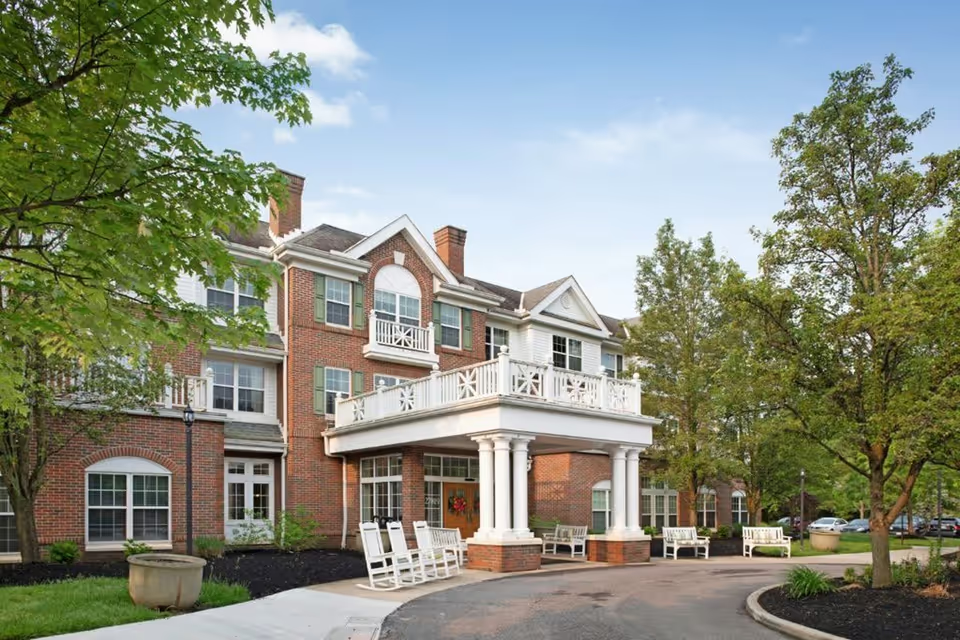
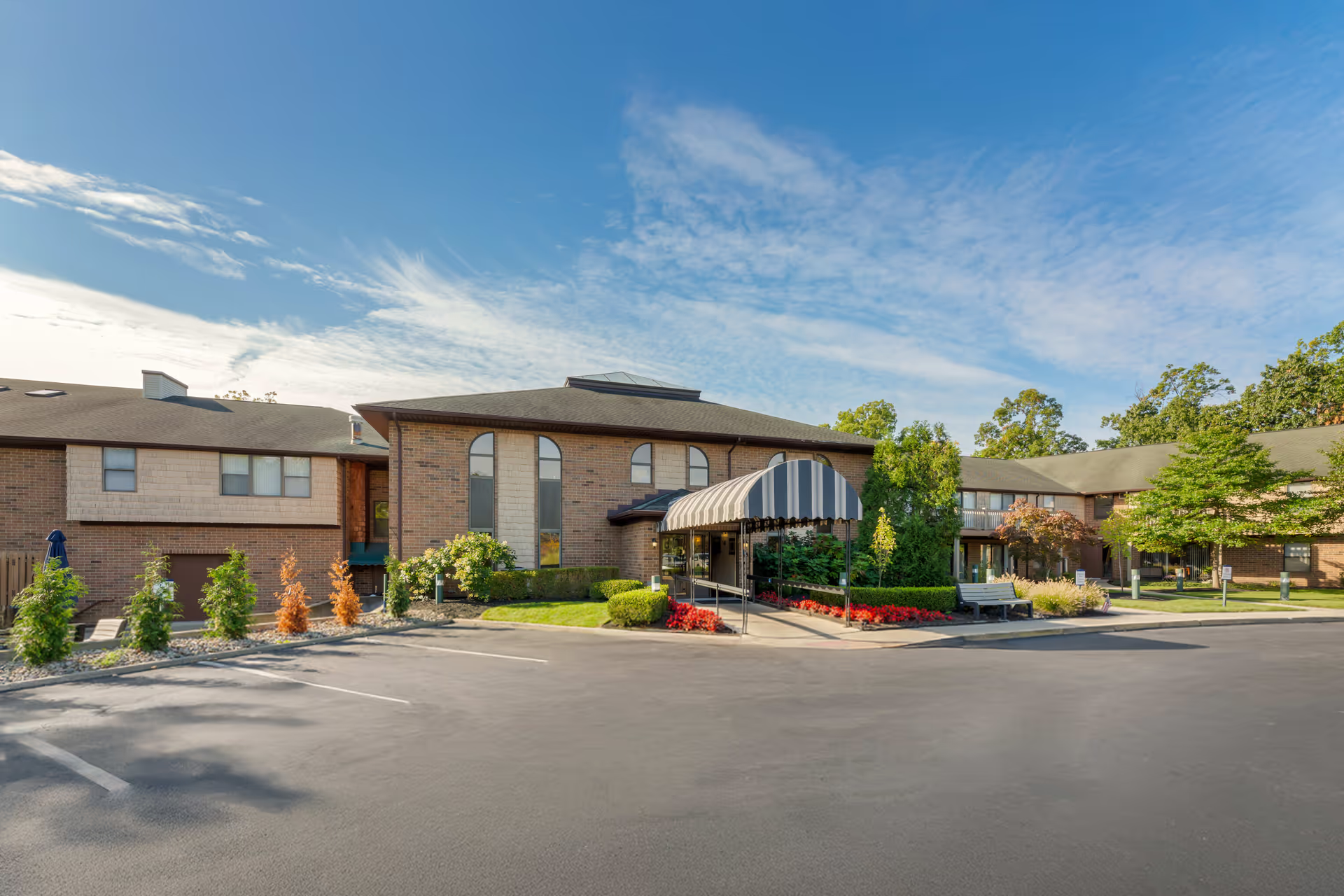
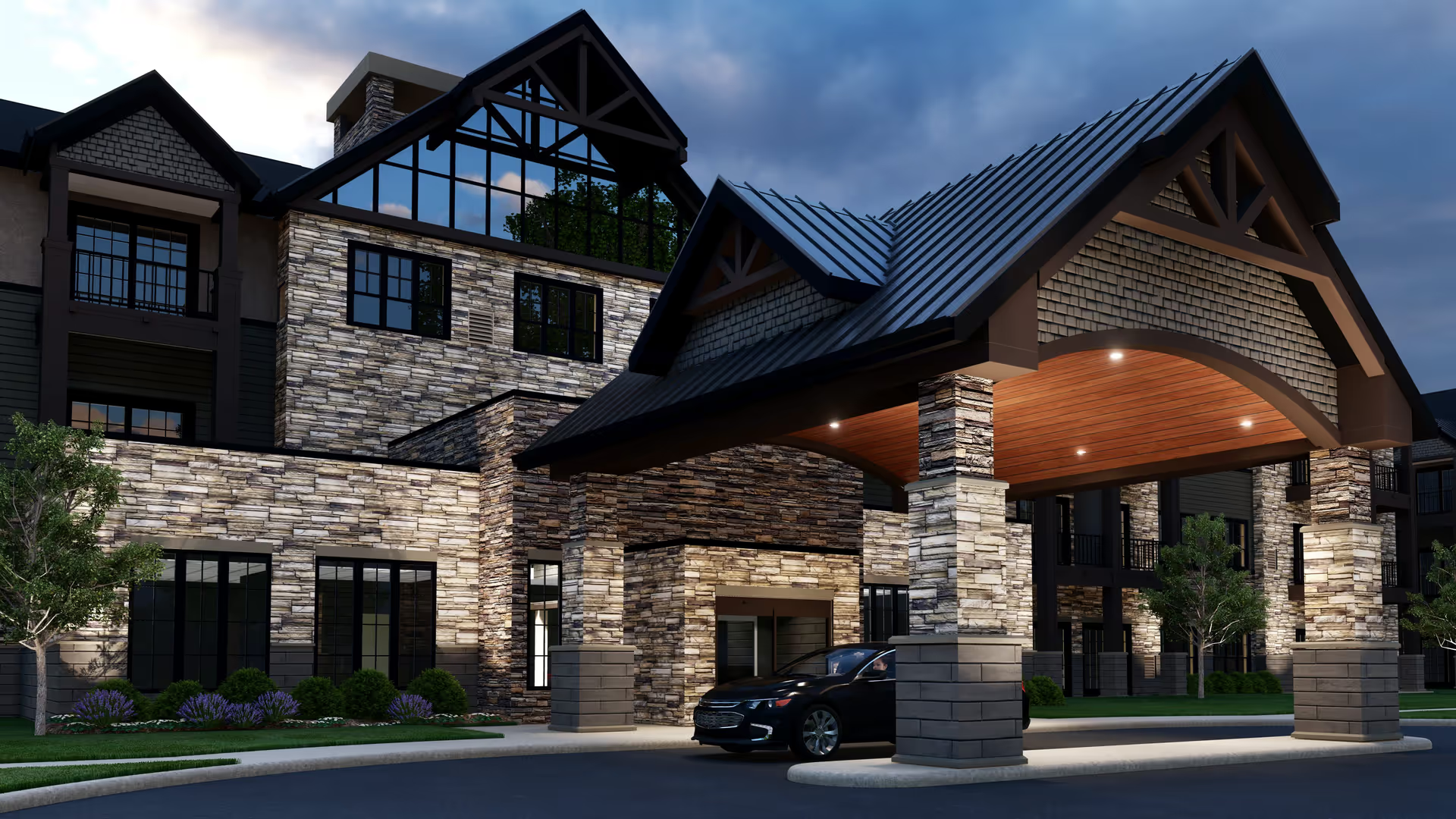
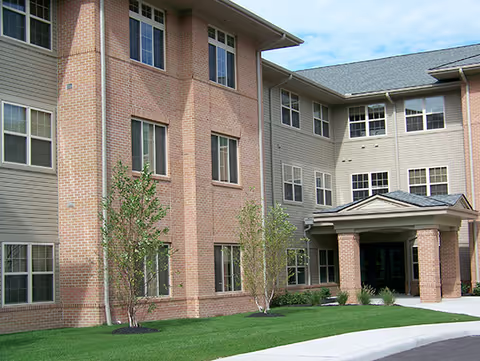
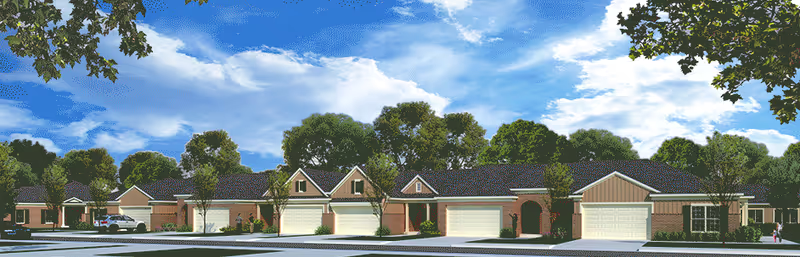
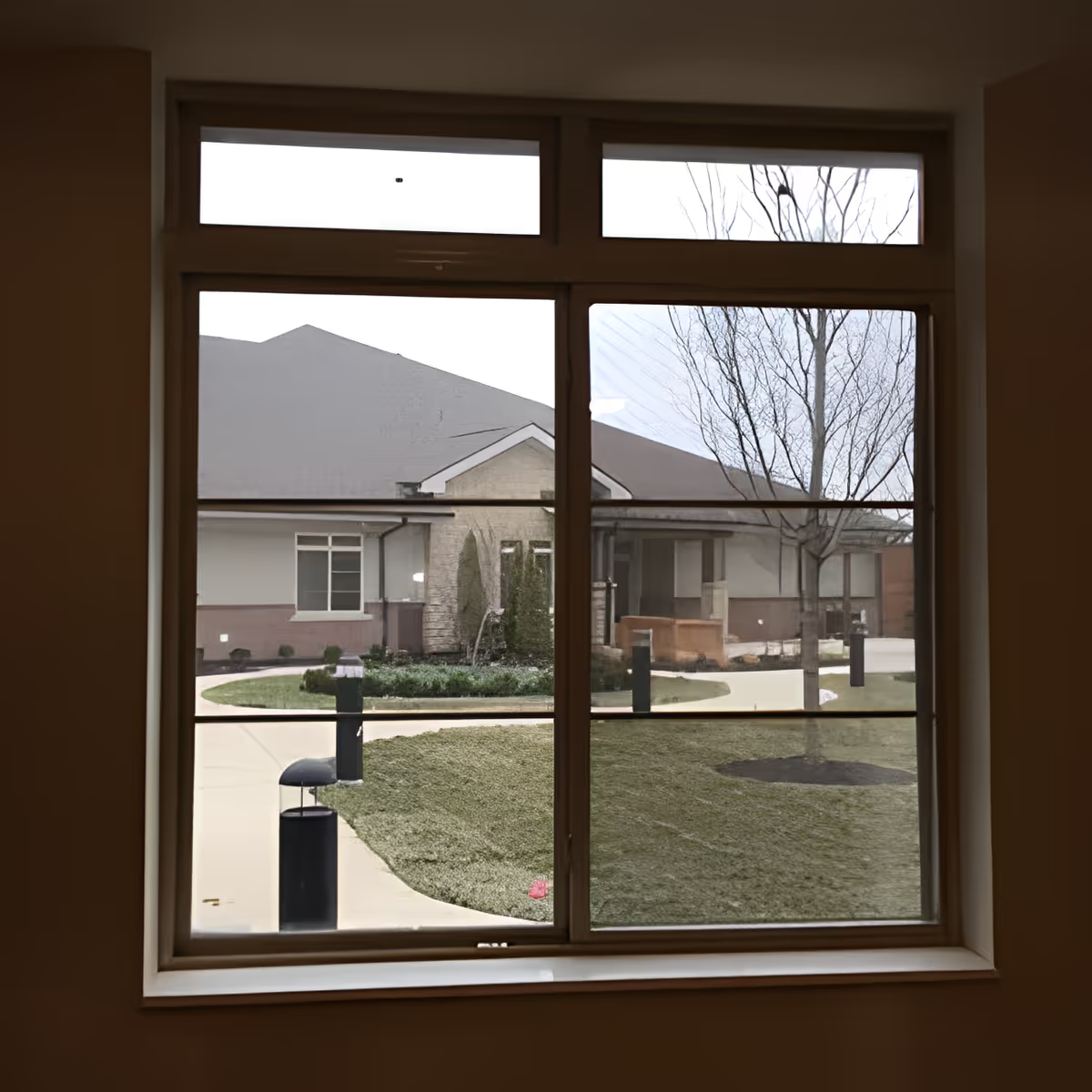
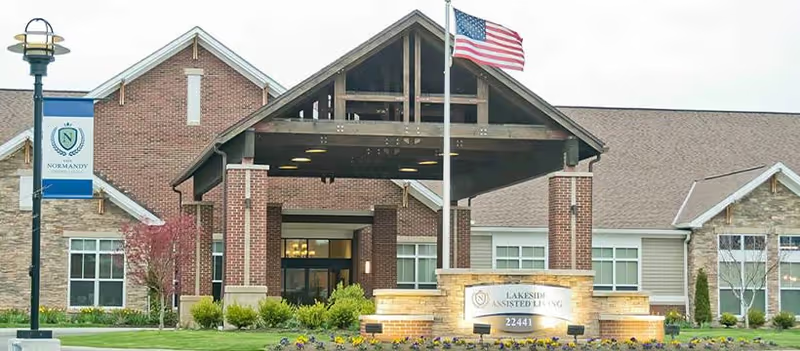
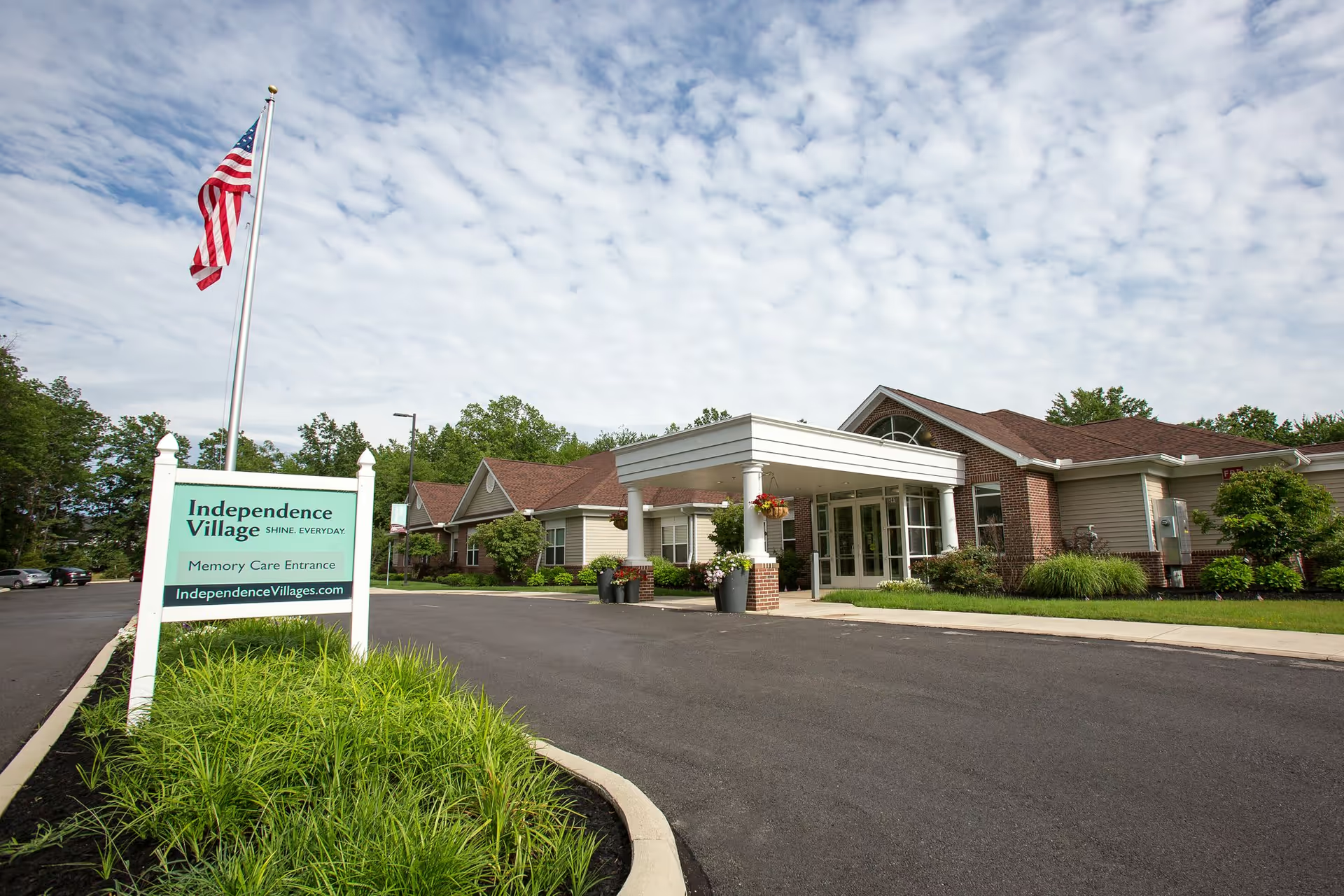
The physical environment is often cited as clean, well-maintained, and residential rather than institutional, with attractive outdoor spaces, a secure courtyard, heated showers, and small private rooms with en suite baths. Some families appreciate the single-floor layout and the ability to personalize rooms. Counterbalancing this, reviewers point to occasional sanitation and hygiene concerns within certain rooms and some limitations in entrance accessibility for those with mobility constraints.
Management and operational patterns show a mix of strengths and weaknesses. Instances of responsive leadership and clear communication are described, including staff who proactively contact families during medical events. Conversely, there are recurring concerns about inconsistent administrative follow-through, unclear or changing visitation and infection-control practices, and occasions where marketing or tour representations did not match later experiences. A few serious safety and infection-control incidents were described in some accounts; these underline the importance of clarifying current policies and staffing contingencies during any tour.
Overall, the pattern in the reviews is polarized: many families express strong satisfaction with the dementia-specific care, staff compassion, and the home-like environment; others experienced operational shortfalls related to staffing consistency, clinical oversight, administrative communication, and cost. Prospective families should weigh the community’s dementia specialization, onsite clinical and hospice supports, and quality of life amenities against questions about staffing stability, dietary and hygiene protocols, infection-control policies, and total cost. Recommended pre-admission steps include observing multiple shifts, asking for current staffing ratios and agency-use policies, reviewing infection-control and visitation protocols, confirming how dietary needs are accommodated, and speaking with current residents’ families about recent consistency of care.