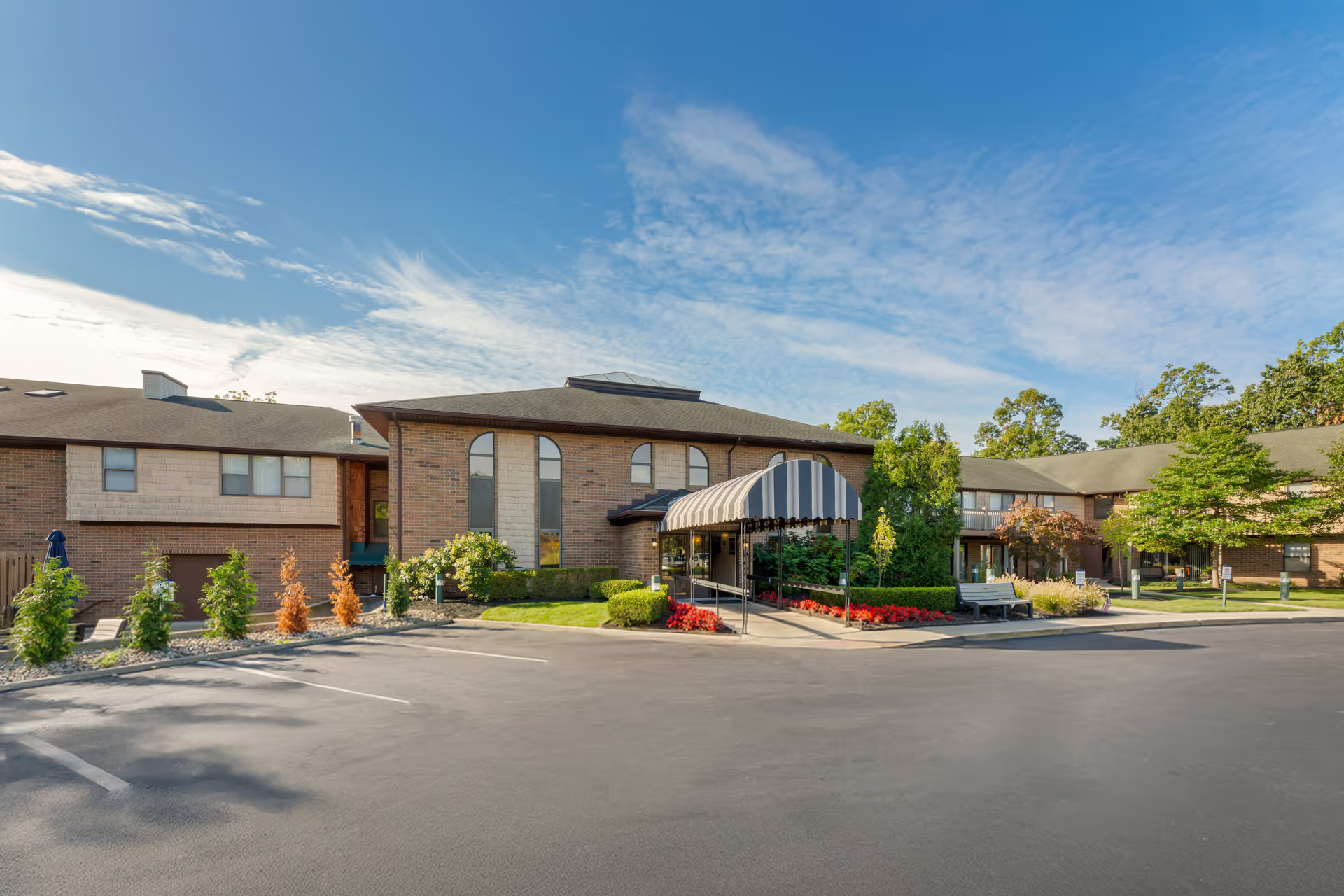
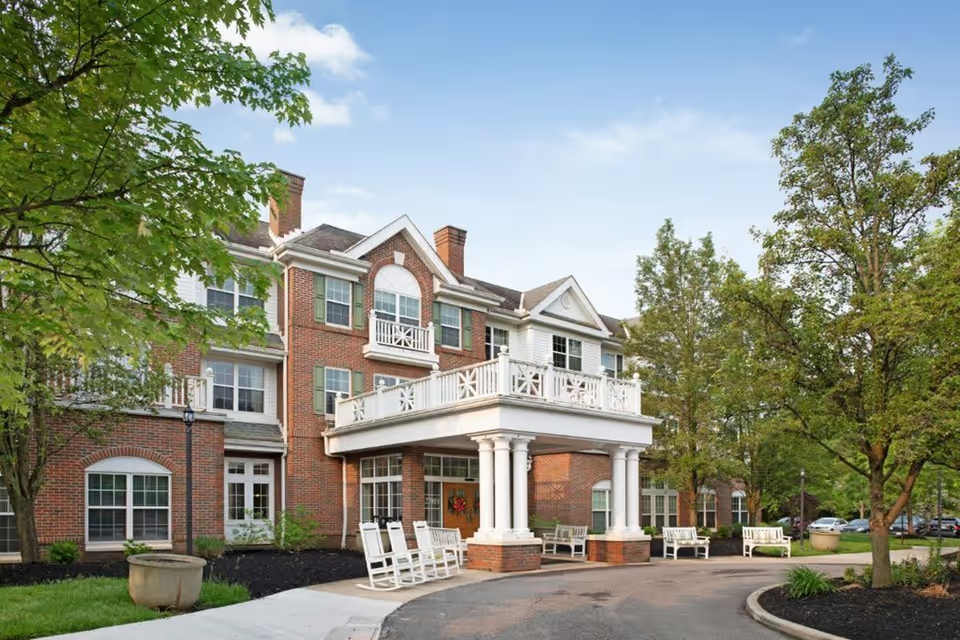
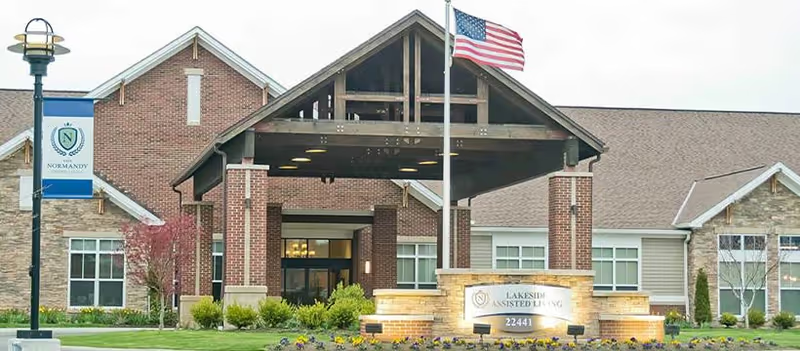
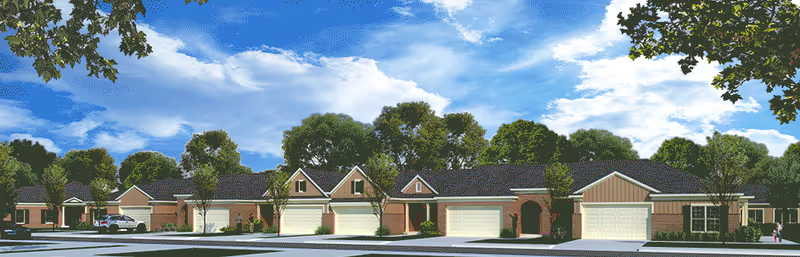
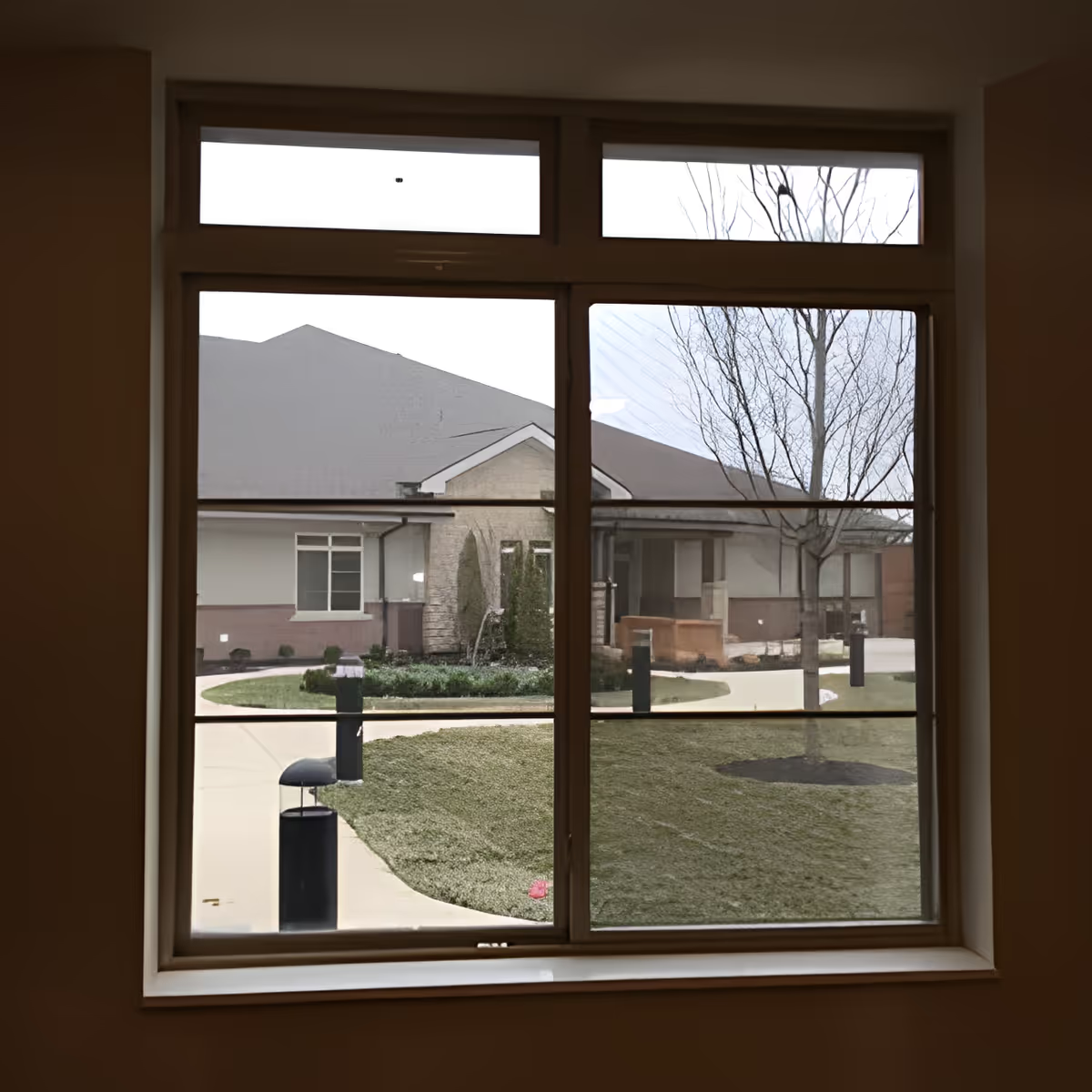
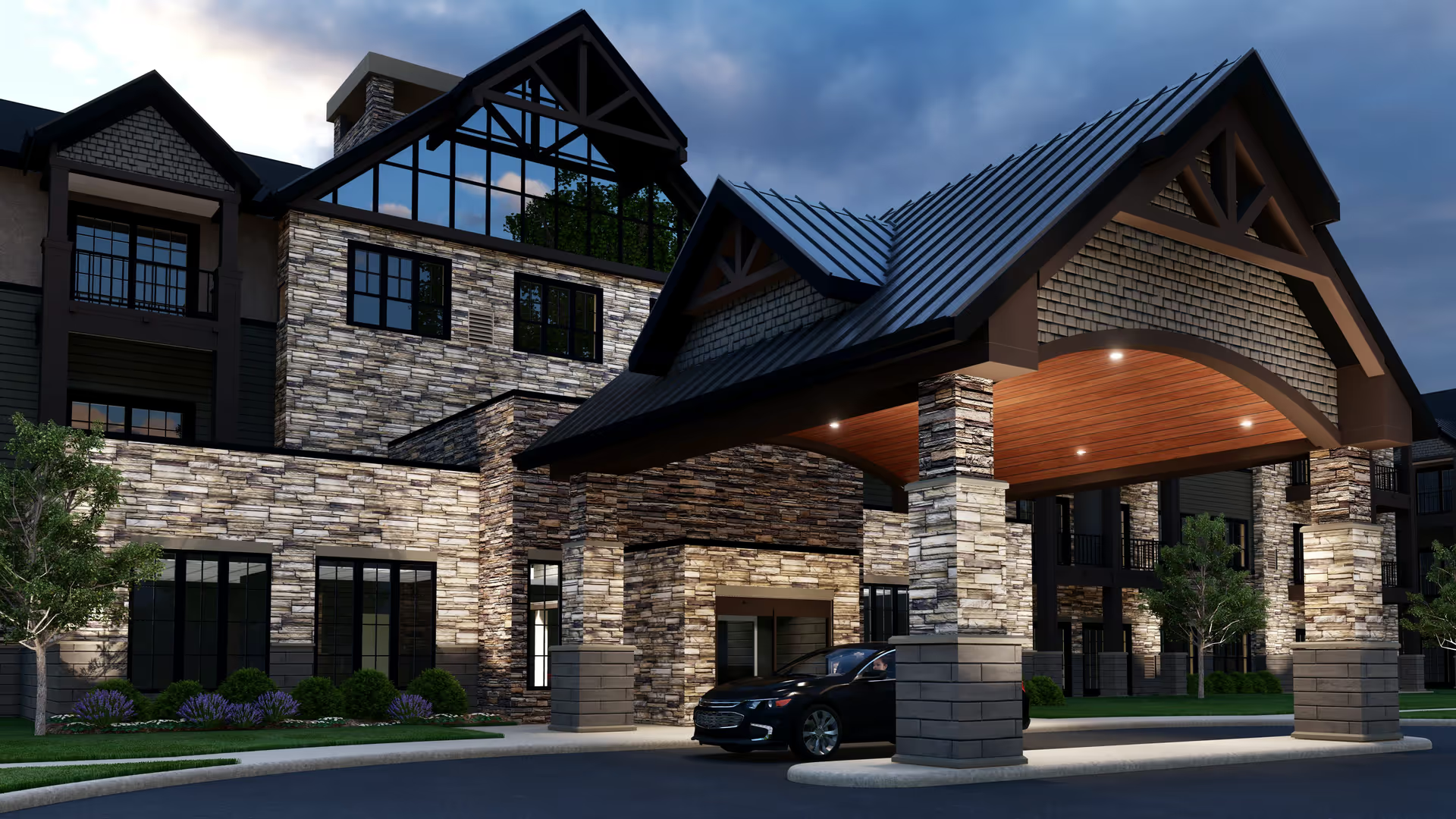
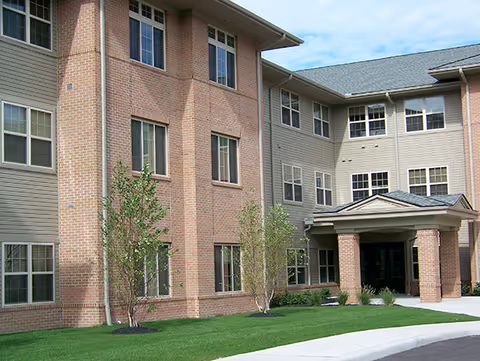
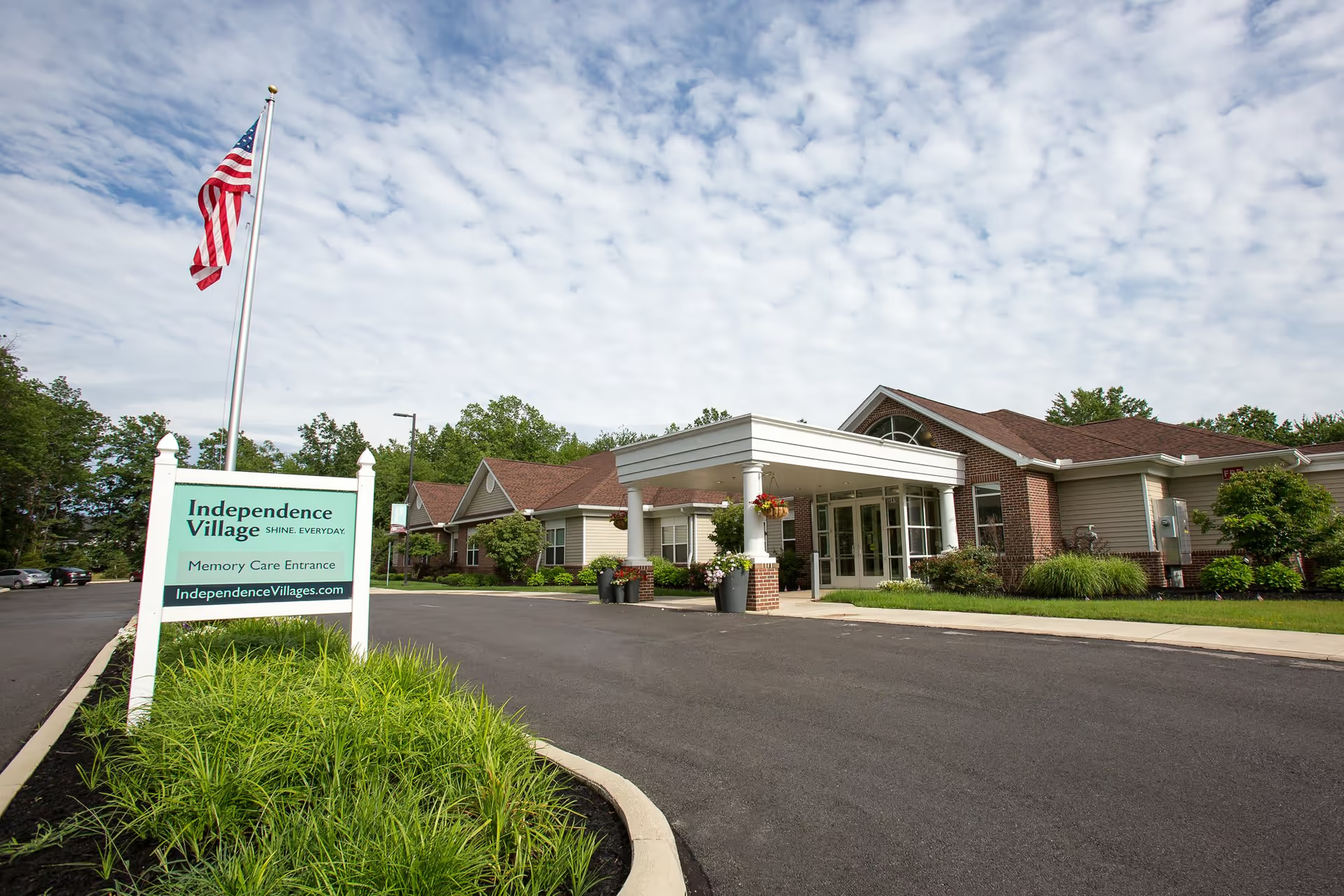
Concord Reserve presents as a large, modern senior living campus with many physical strengths: recently built or renovated buildings, spacious independent-living apartments (including two-bedroom units), attractive common areas, an aviary and well-kept outdoor spaces and walking trails. The community offers a full continuum of services from independent living through memory care and skilled nursing, and it features robust amenities such as a fitness center, varied activity programming, chapel services, and strong rehabilitation (PT/OT) offerings. Dining is consistently highlighted as a positive, with restaurant-style meals and professional culinary staff frequently praised.
Care-quality impressions are mixed. Numerous accounts describe kind, responsive caregivers, attentive nursing in certain units, effective rehab outcomes, and a home-like atmosphere with engaged activities. At the same time, other accounts describe operational weaknesses that affect clinical reliability and resident experience. The recurring operational themes include inconsistent staffing levels, dependence on agency personnel, and associated turnover; gaps in clinical training and competence among some frontline staff; delays in nursing response and uneven call‑bell responsiveness; and inconsistent medication administration and clinical oversight. Families describe uneven communication from administration regarding incidents and care changes, which compounds concern when clinical lapses occur.
Facilities and programming receive strong positive comments overall, with many residents enjoying the activity schedule, musical and social offerings, and outdoor spaces. However, reviewers note variability in how well those programs are staffed and sustained across all care levels—some units appear highly engaged while others see limited activity participation. Housekeeping and the general cleanliness of public areas are usually described positively, though there are isolated accounts indicating lapses in personal-care routines and sanitation processes that warrant attention.
Management and administration emerge as a key divider in resident and family experiences. Several families report prompt, professional responses from specific administrators and staff members, while others describe frustration with perceived leadership instability, inconsistent follow-through, and cost-containment decisions that may affect staffing or room sizing. The combination of high fees and occasional operational shortfalls leads some prospective residents to question value relative to cost.
For prospective residents and families: a site visit that includes observation of mealtime, an activity period, and staffing on a nursing unit is recommended. Ask specifically about staffing ratios, use of agency nurses, staff training programs, clinical response times, medication-administration auditing, and the facility’s family-notification process for incidents. Reviewing the facility’s most recent inspection or quality reports and speaking with current residents and family members can help clarify whether the community’s strong physical environment and programming align with consistent clinical and operational practices.