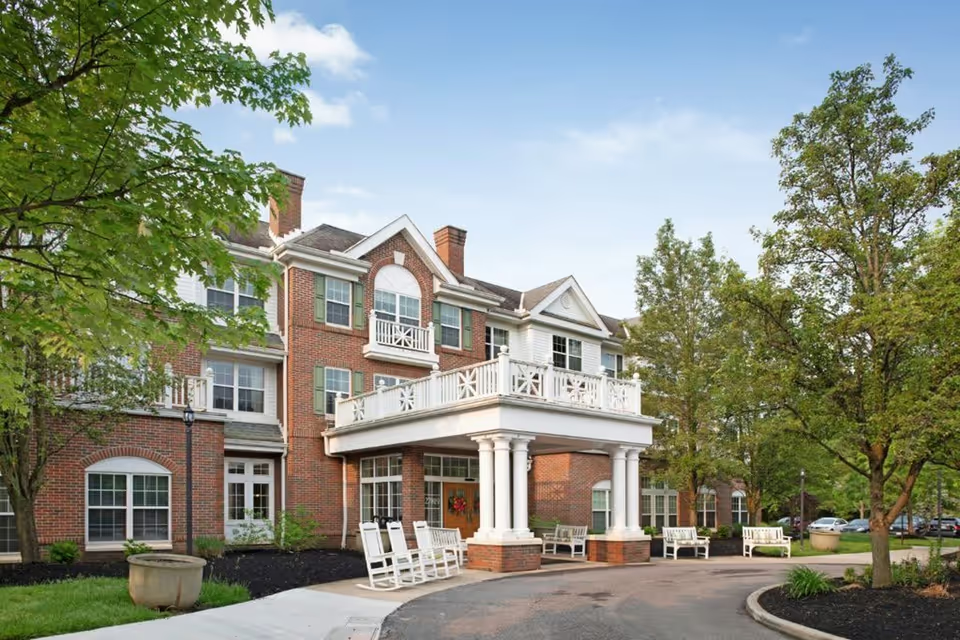
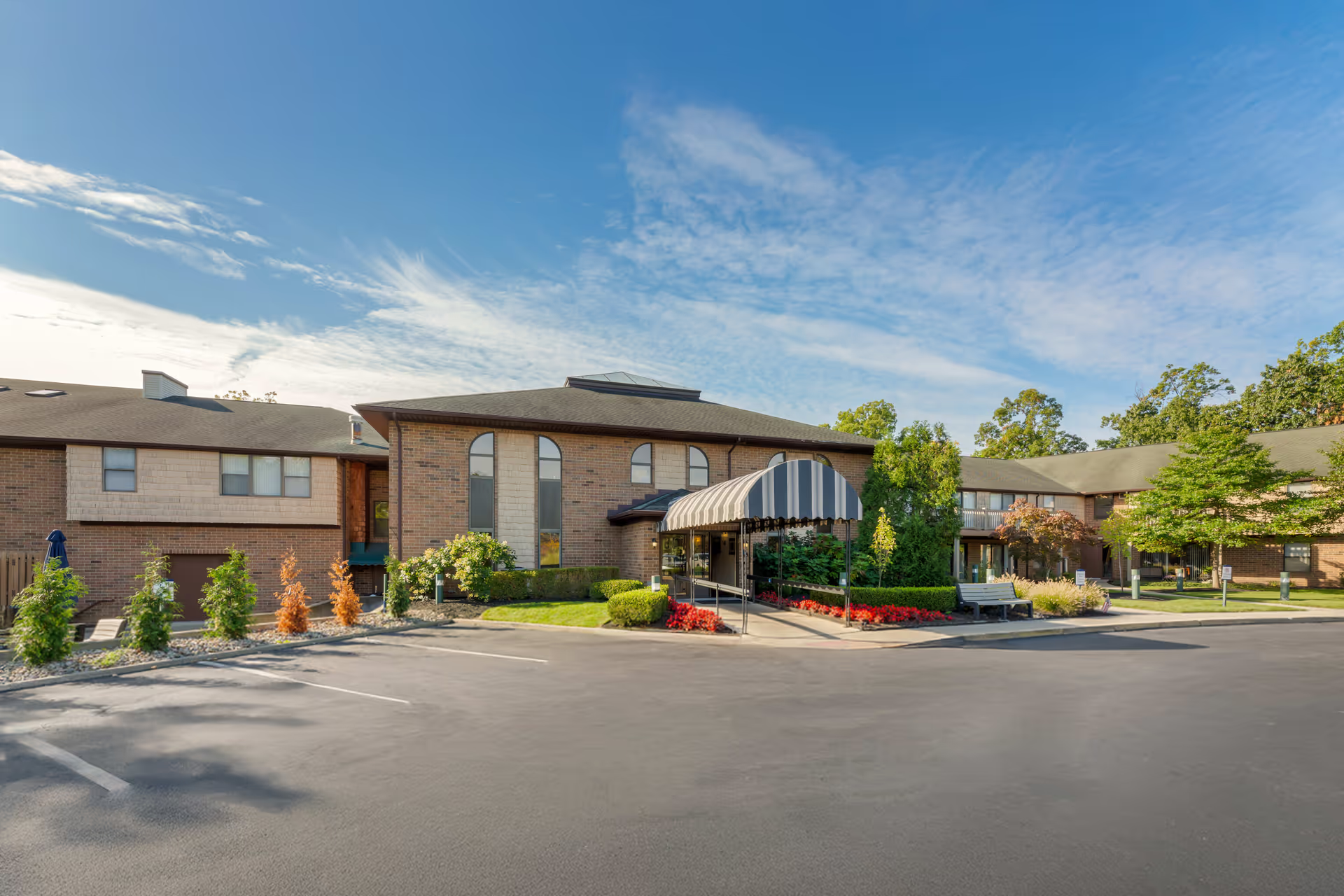
Overall impression: Devon Oaks presents as a well-appointed assisted living community with many strengths alongside operational inconsistencies that prospective families should evaluate. Reviewers commonly describe a warm, family-like atmosphere, attractive grounds and common spaces, and an active calendar of programs and events. The facility offers on-site clinical services, salon/barber amenities, physical therapy, and apartment-style suites with natural light — features that align with a higher-tier assisted living environment.
Care and staff: Nursing and clinical staff are frequently described as capable and attentive, and administration is often praised for personal engagement and knowing residents by name. At the same time, aide staffing and consistency are variable; families reported turnover, aides unfamiliar with individual residents, and uneven punctuality. In the memory-care unit there are recurring comments about staffing strain and smaller unit size, which have operational implications for supervision and individualized attention. Several reviewers raised concerns about personal-care scheduling (infrequent showers and oral-care support) and broader monitoring practices, which suggest variability in daily caregiving routines.
Dining and clinical operations: The food program is a mixed picture. Many reviews applaud appealing, healthful meal presentation and friendly kitchen staff, while others describe mediocre quality or meals served at suboptimal temperatures. There are also operational concerns tied to medication administration and access during off-hours; families should confirm night-time clinical coverage and medication-distribution protocols. Relatedly, reviewers noted instances that indicate gaps in nutritional monitoring and incontinence-care follow-up, which point to the need for clear expectations and regular care-plan reviews.
Activities and programming: Activity offerings are a clear strength. The community runs a broad range of social and therapeutic options — holiday events, outdoor gatherings, gardening, memory classes such as SAIDO, and daily group sessions — that support social engagement and cognitive stimulation. Outdoor patios, a large TV room, and frequent communal dining promote resident interaction. Some residents, however, cited limited off-site outings and a lack of religious services, so program breadth may vary by interest area.
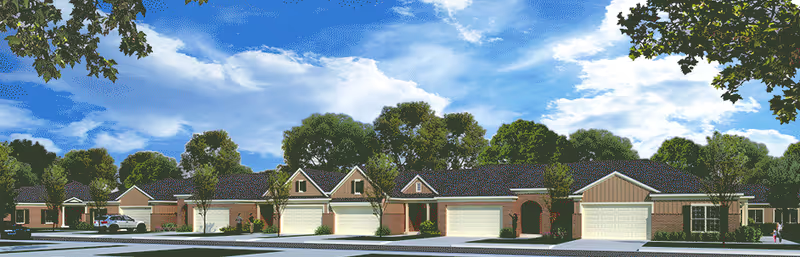
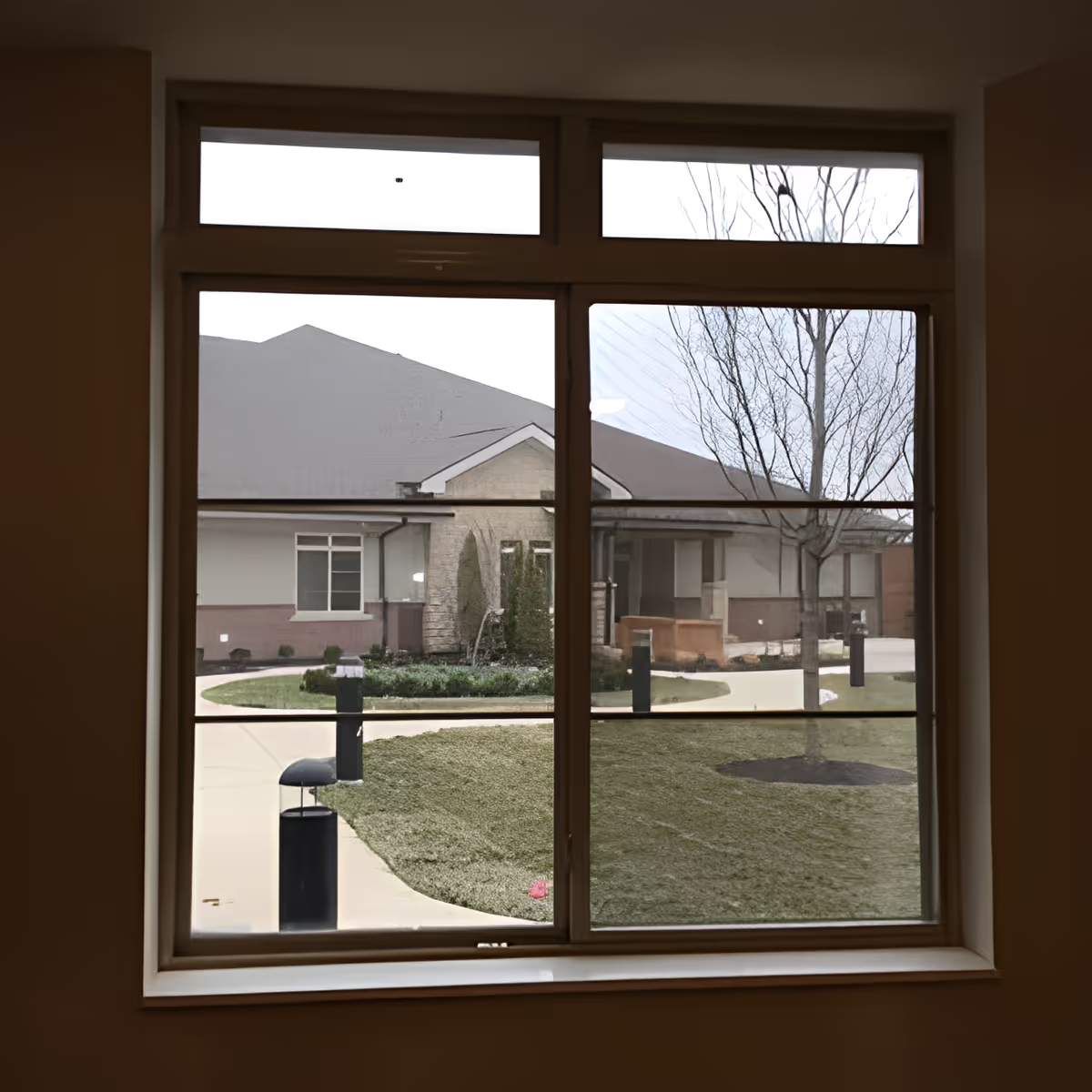
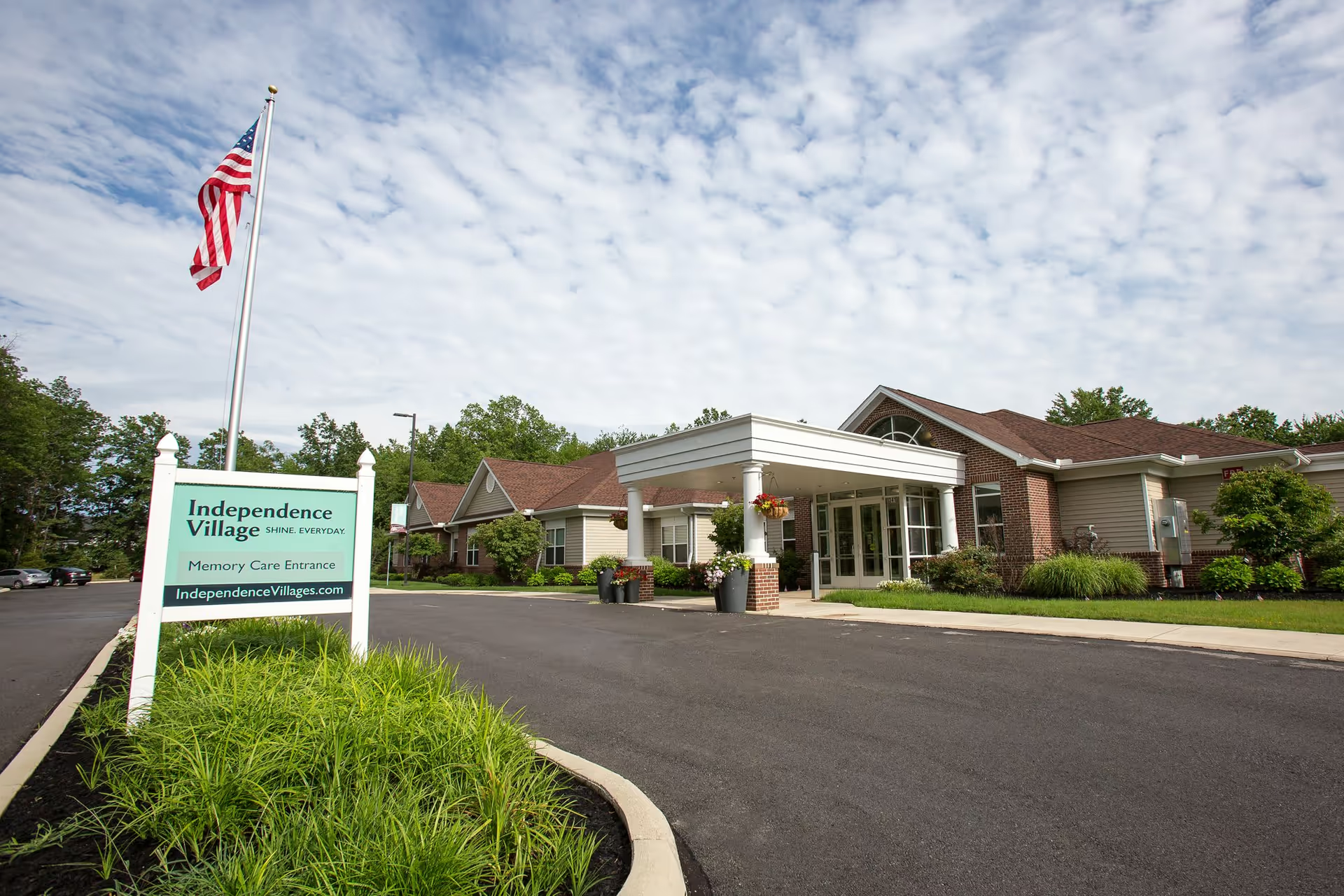
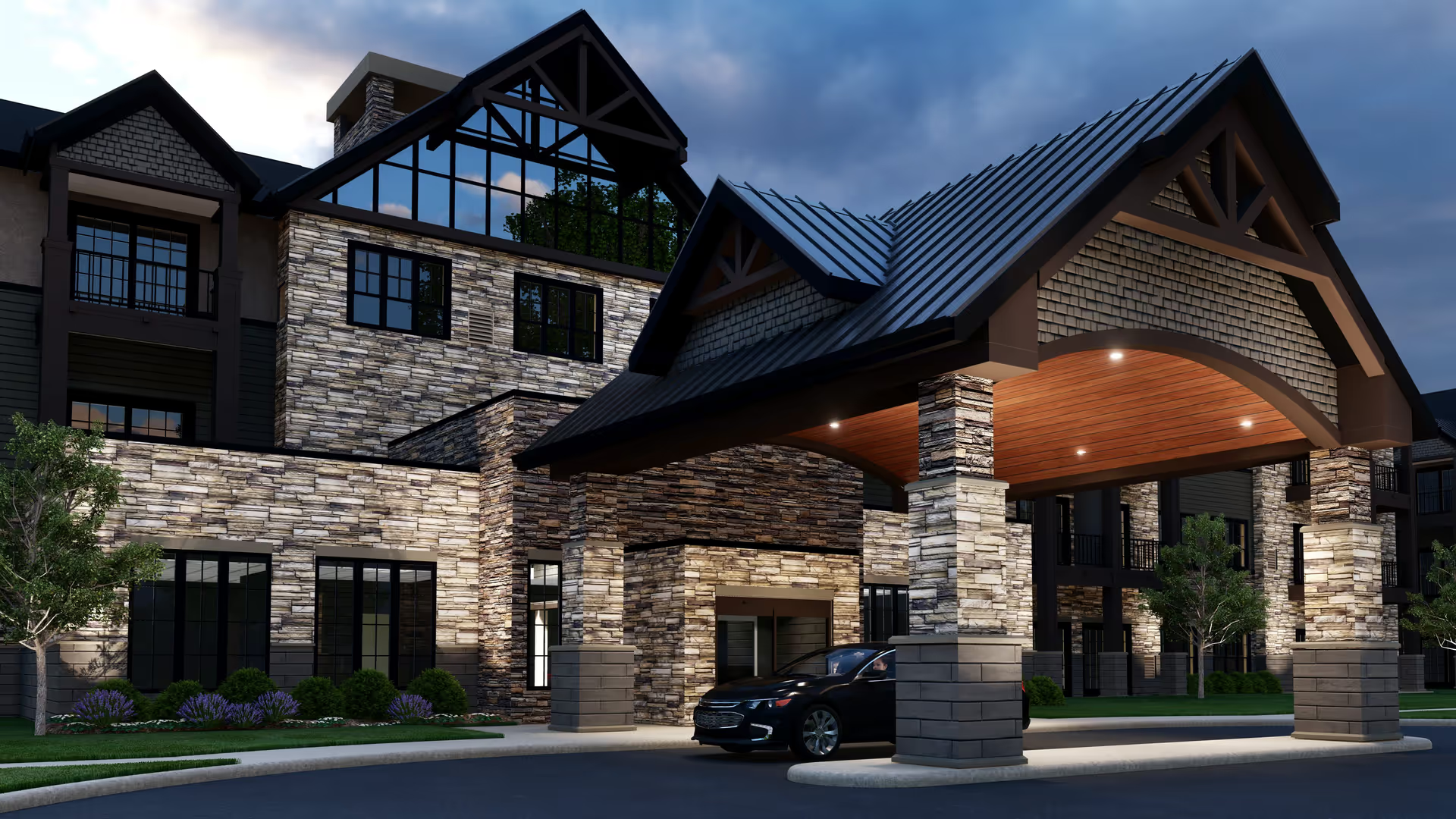
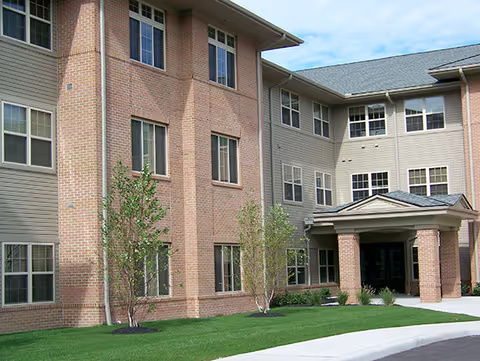
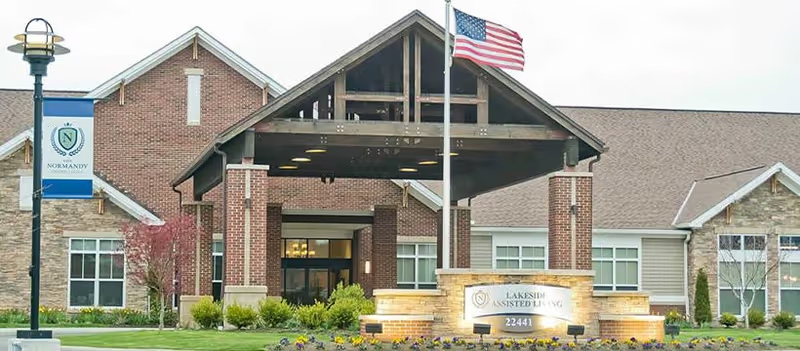
Facilities and services: The physical plant is consistently described as clean, well-maintained, and attractive, with pleasant landscaping and functional common areas. Apartment sizes vary; many reviewers praised spacious, efficient units, but others noted small suites and limited indoor common space in certain neighborhoods. Additional practical issues include inconsistent laundry handling, difficulty regulating room temperatures, and occasional housekeeping lapses. Prospective residents should tour specific unit types and inquire about laundry and housekeeping schedules.
Management and patterns to watch: Administrative responsiveness receives both praise and criticism. Some families describe helpful, engaged managers and a nonprofit culture; others describe sales-process misalignments, pricing or contractual disagreements, and delayed responses from corporate leadership. There are also serious allegations regarding documentation accuracy and leadership responsiveness that warrant direct inquiry. Before committing, families should request written copies of service agreements, staffing ratios (especially for memory care), medication and night-coverage protocols, and written assurances on bathing and toileting schedules.
Bottom line: Devon Oaks offers many attributes families seek — clinical resources, a stimulating activities program, well-kept grounds, and a resident-centered culture. However, recurring operational themes (staffing variability, personal-care scheduling inconsistencies, food-temperature and medication-access issues, and management/contract clarity) suggest prospective residents should perform targeted due diligence. Recommended steps include an extended visit during a typical weekday and evening, meetings with nursing leadership to review care plans and after-hours coverage, and written clarification of services such as laundry, bathing frequency, and memory-care staffing levels.